LUOYANG DATANG ENERGY TECH CO.,LTD


How to Choose Brass Pipe Fittings for Water, Gas and HVAC Systems
Choosing the right brass pipe fittings is not simply a matter of selecting the correct size. Water, gas, and HVAC systems may all use brass fittings, but the selection criteria differ significantly from one application to another. A fitting that works perfectly in a residential water line may be completely unsuitable for a natural gas connection or a high-temperature HVAC circuit.
This guide walks you through the key factors that matter: application, medium, pressure, temperature, thread type, connection method, and fitting size. By the end, you’ll have a practical framework for selecting brass fittings with confidence—whether you’re a buyer, engineer, or distributor.
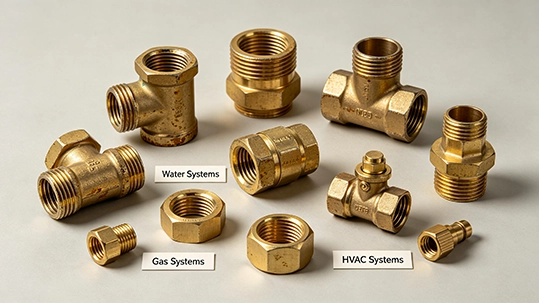
Brass Pipe Fittings for Water, Gas and HVAC Systems
Why Choosing the Right Brass Pipe Fittings Matters
A wrong fitting doesn’t just cause a minor inconvenience. It can lead to leaks, system failures, safety hazards, and costly rework. Here’s what can go wrong when selection factors are overlooked:
| Selection Factor | What Can Go Wrong |
|---|---|
| Wrong size | Poor flow or difficult installation |
| Wrong thread | Leakage or incompatible connection |
| Wrong material | Corrosion or premature wear |
| Wrong pressure rating | Connection failure |
| Wrong temperature range | Seal or fitting performance problems |
| Wrong connection type | Installation and maintenance issues |
The best brass pipe fittings depend on the actual piping system, not just the fitting size. Keep that principle in mind as we move through the selection process.
Start With the Application: Water, Gas or HVAC?
This is the single most important decision in the selection process. Water, gas, and HVAC systems each impose their own requirements on brass fittings. Before you look at a catalog or compare prices, identify the application first.
Brass Fittings Selection by Application
| Application | Main Concerns | Common Brass Fittings |
|---|---|---|
| Water | Corrosion, pressure, potable-water requirements | Elbows, couplings, adapters |
| Gas | Gas compatibility, sealing, pressure | Threaded fittings, adapters, elbows |
| HVAC | Temperature, pressure, vibration | Elbows, adapters, connectors |
Brass Pipe Fittings for Water Systems
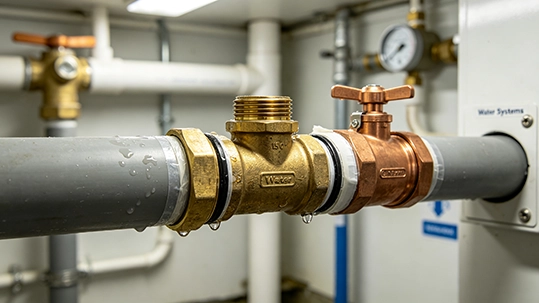
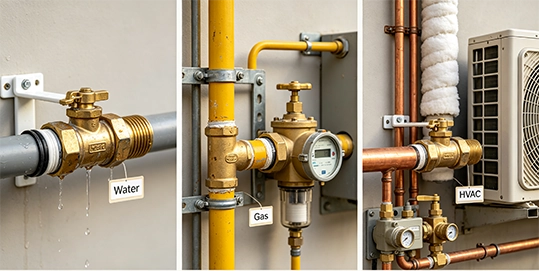
Water supply and plumbing systems are the most common application for brass fittings. Brass offers excellent corrosion resistance, making it well-suited for hot and cold water lines. When selecting brass pipe fittings for water, focus on:
- Corrosion resistance and water quality compatibility
- Pressure rating for the operating conditions
- Thread or connection type that matches the existing piping
- Potable water compliance where required
For potable-water applications, always confirm that the brass alloy and fitting comply with the applicable local requirements. Regulations vary by country and region, so there’s no single global standard to rely on.
Brass Pipe Fittings for Water Systems
Brass Fittings for Gas Systems
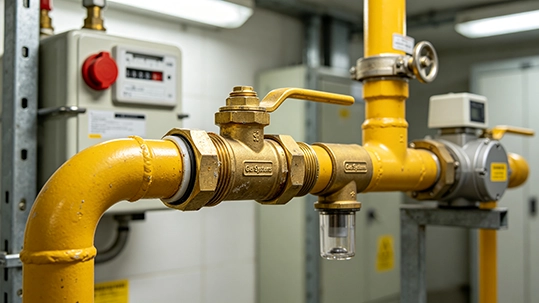
Gas systems demand a higher level of attention to sealing, compatibility, and pressure integrity. Brass threaded fittings are widely used in gas lines because they provide a reliable, mechanically strong connection when properly installed.
Key considerations for brass gas fittings include:
- Compatibility with the specific gas being carried
- Pressure rating and system operating conditions
- Thread type and sealing method
- Male or female connection requirements
- Compliance with applicable gas installation standards
Important: Gas installations should use fittings approved for the specific gas service and comply with local codes and standards. Never assume a general-purpose brass fitting is suitable for gas without verification.
Brass Fittings for Gas Systems
Brass Fittings for HVAC Systems
HVAC systems present a different set of challenges. Temperature fluctuations, vibration, and the specific medium—whether water, refrigerant, or another fluid—all affect fitting selection.
When choosing brass pipe fittings for HVAC:
- Confirm compatibility with the specific HVAC medium and system requirements
- Check temperature and pressure ratings against operating conditions
- Consider vibration resistance and connection stability
- Verify thread and connection compatibility with existing equipment
Don’t assume brass fittings work with all refrigerant systems. Some refrigerants require specific materials or sealing methods. Always confirm compatibility before specifying.
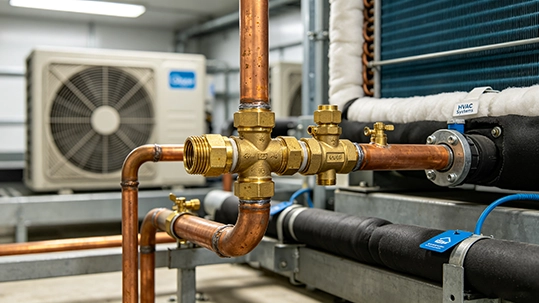
Brass Fittings for HVAC Systems
Choose the Right Brass Fitting Type
Once you’ve identified the application, the next step is selecting the fitting type. Different fittings serve different functions—and using the wrong type can create unnecessary complexity or even compromise the system.
| Fitting Type | Main Function | Typical Use |
|---|---|---|
| Brass Elbow | Changes flow direction | Water, HVAC, plumbing |
| Brass Coupling | Connects two pipes | Water and general piping |
| Brass Adapter | Connects different connection types | Plumbing, equipment connections |
| Brass Tee | Creates a branch | Water and HVAC |
| Brass Hose Connector | Connects pipe and hose | Water, air, industrial systems |
| Brass Compression Fitting | Mechanical pipe connection | Plumbing and tubing |
Brass Elbows
Brass elbows change the direction of flow—typically 90° or 45°. They’re essential in tight spaces where a straight run isn’t possible. When selecting brass elbow fittings, confirm the angle, thread type, and size match your system requirements.
For a deeper look at performance and durability, see our article on [How Strong Are Brass Elbows and Hose Couplings?].
Brass Couplings and Adapters
Brass couplings connect two pipes of the same size in a straight run. Brass adapters connect different connection types—for example, transitioning from thread to compression, or from one thread standard to another.
The key consideration here is connection purpose, not just size. A coupling and an adapter may look similar, but they serve different functions in the system.
Brass Hose Fittings
Brass hose fittings connect pipes to hoses—common in water systems, pneumatic lines, and industrial applications. They need to handle both the pressure of the system and the mechanical stress of hose movement.
For a detailed discussion on industrial applications, see [Why Brass Hose Fittings Are Still a Preferred Choice for Industrial Applications?].
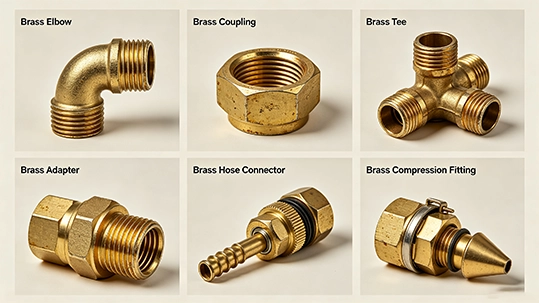
Brass Fitting Types
Select the Correct Connection Type
Connection type is where many selection errors occur. The two most common categories for brass fittings are threaded and compression. Each has its place.
Threaded Brass Fittings
Threaded brass fittings use male or female threads to create a mechanical seal, often with the help of PTFE tape or thread sealant. They’re available in NPT, BSP, and other thread standards.
When selecting threaded brass fittings, the critical factors are:
- Thread standard (NPT, BSPT, BSPP, etc.)
- Male or female configuration
- Size and pitch
- Pressure and temperature ratings
Recommended reading: [NPT vs BSP Threads: Which Thread Should You Choose for Brass Fittings?]
Brass Compression Fittings
Brass compression fittings create a seal by compressing a ferrule or ring onto the tube. They’re popular in plumbing and tubing systems because they don’t require soldering or threading.
Advantages include:
- No soldering or threading required
- Easy installation and maintenance
- Reliable mechanical seal
- Suitable for tubing connections
Recommended reading: [Brass Compression Fittings vs Threaded Fittings: Which Connection Is Better?]
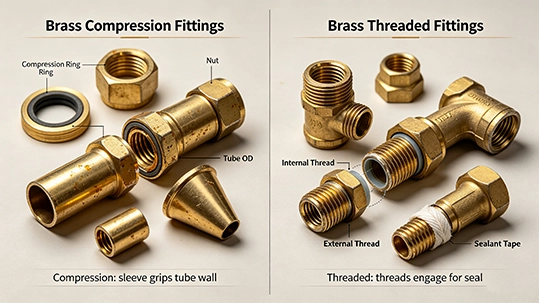
Brass Compression Fittings vs Threaded Fittings
Check Brass Fitting Size Before Ordering
Size is not just the pipe outside diameter. It’s a combination of factors that must all align for the fitting to work correctly.
| Before Ordering | What to Confirm |
|---|---|
| Pipe | Nominal size or tube OD |
| Thread | NPT, BSPT, BSPP, etc. |
| Connection | Male or female |
| Fitting | Elbow, tee, adapter, coupling |
| Dimensions | Overall length and connection dimensions |
For a comprehensive size reference, see [Brass Pipe Fittings Sizes Explained: Threads, Dimensions and Selection Guide].
Consider Pressure and Temperature Requirements
Pressure and temperature are often treated as afterthoughts—until something fails. Don’t skip this step.
Pressure considerations:
- Operating pressure
- Maximum pressure
- Pressure fluctuations
- System conditions
Temperature considerations:
- Operating temperature
- Hot water applications
- HVAC temperature ranges
- Sealing material limits
| Working Condition | What to Check |
|---|---|
| High pressure | Pressure rating |
| Hot water | Temperature rating |
| HVAC | Temperature + medium compatibility |
| Gas | Pressure + applicable standard |
| Outdoor installation | Corrosion/environment |
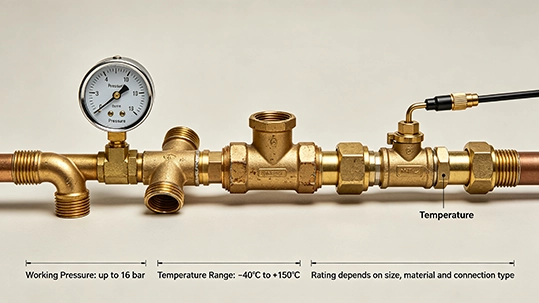
Pressure and Temperature of Brass Fittings
Check Material and Fluid Compatibility
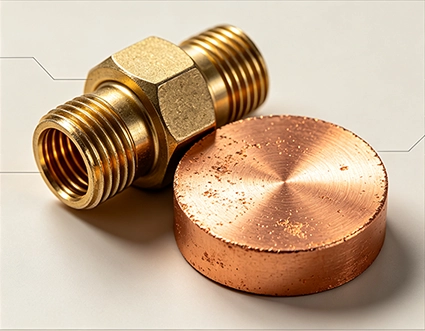
This is where many generic SEO articles stop short. But compatibility is not a checkbox—it’s a critical engineering consideration.
Consider:
- Fluid or gas being carried
- Temperature and pressure
- Corrosion environment
- Water quality
- Local regulations
- Brass alloy composition
Brass is not automatically suitable for every medium or every operating condition. Some fluids are aggressive toward certain brass alloys. Some gases require specific sealing methods. Some environments accelerate corrosion.
Always verify compatibility before specifying.
Brass Pipe Fittings Selection Checklist
Before ordering brass pipe fittings, confirm:
- ☐ Application (water, gas, HVAC, industrial)
- ☐ Fluid or gas medium
- ☐ Pipe/tube size
- ☐ Thread type
- ☐ Male or female connection
- ☐ Fitting type
- ☐ Pressure rating
- ☐ Temperature range
- ☐ Material/alloy requirements
- ☐ Applicable standards
- ☐ Quantity and packaging requirements
Material and Fluid Compatibility of Brass Fittings
Water vs Gas vs HVAC: Quick Selection Guide
| Factor | Water | Gas | HVAC |
|---|---|---|---|
| Medium | Water | Gas | Water/refrigerant/other media |
| Key concern | Corrosion & pressure | Compatibility & sealing | Temperature & pressure |
| Common connection | Threaded/compression | Threaded | Threaded/compression |
| Common fittings | Elbow, coupling, adapter | Elbow, adapter | Elbow, adapter, connector |
| Standards | Application dependent | Application dependent | Application dependent |
Common Brass Fitting Selection Mistakes
Mistake 1: Choosing only by pipe size
Size matters, but it’s not the only factor. Thread type, pressure rating, and material compatibility are equally important.
Mistake 2: Ignoring thread type
NPT and BSP threads are not interchangeable. Mixing them can cause leaks or damage.
Mistake 3: Using a general fitting for gas service
Gas applications require fittings approved for the specific gas and compliant with local codes.
Mistake 4: Ignoring pressure and temperature
A fitting that works at ambient temperature may fail at elevated temperatures or under pressure spikes.
Mistake 5: Assuming all brass alloys are identical
Different brass alloys have different properties. What works for one application may not work for another.
Mistake 6: Selecting the fitting before confirming the application
Always start with the system, then choose the fitting. Not the other way around.
Start with the system, then choose the fitting.
Brass Fittings in Water vs Gas vs HVAC
Choose the Right Brass Pipe Fittings for Your Application
The right brass pipe fitting depends on more than size. Application, medium, pressure, temperature, thread type, and connection method all need to be considered.
Need brass pipe fittings for water, gas, HVAC, or industrial applications?
Contact Luoyang Datang Energy Tech Co., Ltd for product specifications, available sizes, connection options, and quotation.
RELATED POSTS
Why Brass Hose Fittings Are Still a Preferred Choice for Industrial Applications?
What Fittings Are Used In PPR Pipes? How Are PPR Pipes Joined?
Fire Fighting Pipes: How to Choose the Right Type

Brass Hose Barb Sizes Explained: How to Match Barb Size to Hose ID