LUOYANG CAME ENERGY TECH CO., LTD


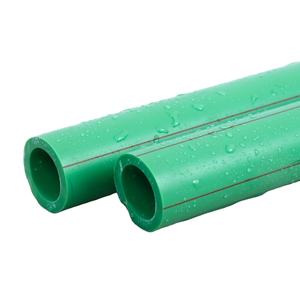
Building Materials Polypropylene Random Pipe PPR Pipe for Potable Water Distribution
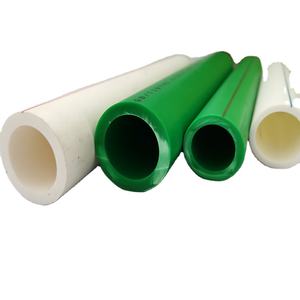
PRODUKTPARAMETER
Beschreibung
Einführung vonBuilding Materials Polypropylene Random Pipe PPR Pipe for Potable Water Distribution
PPR-Rohr (vollständiger Name Polypropylen Random Copolymer Pipe, ist ein Hochleistungskunststoffrohr aus hochwertigen Random-Copolymer-Polypropylen-Rohstoffen. Aufgrund seiner hohen Temperaturbeständigkeit, Druckfestigkeit, Umweltschutz und Ungiftigkeit, Es wird häufig beim Bau von Warm- und Kaltwassersystemen verwendet, HLK-Technik, Trinkwassertransport und industrielle Flüssigkeitsübertragung, und ist ein idealer Ersatz für herkömmliche Metallrohre.
Characteristics and Features of Building Materials Polypropylene Random Pipe PPR Pipe for Potable Water Distribution
Hohe Temperatur- und hohe Druckbeständigkeit
Die Langzeitarbeitstemperatur kann 70 °C erreichen, kurzfristige Hochtemperaturbeständigkeit bis 95°C, hervorragende Drucklagerleistung (gemeinsame Druckstufe PN20, PN25).
Umweltschutz und Gesundheit
Die Rohstoffe sind rein und ungiftig, Trinkwasserstandards erfüllen (wie die FDA, EN ISO und andere Zertifizierungen), keine Bakterien züchten, und sorgen für die Sicherheit der Wasserqualität.
Korrosions- und Antikalkschutz
Säure- und Alkalibeständigkeit, starke chemische Korrosionsbeständigkeit, glatte Innenwand, nicht einfach zu skalieren, langfristige nutzung von stabilen fluss.
Hotmelt-Anschluss, starke abdichtung
Einführung der Hot-Melt-Socket-Technologie, Es besteht keine Gefahr einer Undichtigkeit am Anschluss, und die integrierte Struktur verbessert die Systemzuverlässigkeit.
Leicht und einfach zu konstruieren
Das Gewicht ist nur 1/8 von Metallrohren, was für Transport und Installation bequem ist, Senkung der Arbeitskosten.
Lange Lebensdauer und geringer Wartungsaufwand
Die ausgelegte Lebensdauer beträgt mehr als 50 Jahre, wartungsfrei, und die Gesamtkosten sind niedrig.
Energieeinsparung und Wärmeerhaltung
Die Wärmeleitfähigkeit ist gering (nur 1/200 aus Metallrohren), was den Wärmeverlust reduziert und für Warmwassersysteme geeignet ist.

(Building Materials Polypropylene Random Pipe PPR Pipe for Potable Water Distribution)
Specifications of Building Materials Polypropylene Random Pipe PPR Pipe for Potable Water Distribution
PPR pipe represents Polypropylene Random Copolymer pipeline. This product supplies outstanding residential properties for sharing alcohol consumption water. PPR pipes are made from a special polycarbonate. This material is highly long lasting and resistant to deterioration. It won’t rust or flake like steel pipelines. This guarantees water remains clean and secure for usage. PPR pipes handle heats well. They can transfer hot water up to 70 ° C constantly. They endure peak temperatures up to 95 ° C for much shorter durations. This makes them optimal for residential hot water systems and heating circuits.
The pipelines have a very smooth internal surface. This level of smoothness lowers friction significantly. Water moves easily with minimal pressure loss. It likewise avoids range and microorganisms accumulation inside the pipe. This preserves water top quality over time. PPR pipelines are really strong. They deal with high water stress accurately. They are also immune to chemical strike. Typical materials found in water materials won’t harm them. PPR product is food-grade safe. It does not seep harmful compounds into the water. Accreditations like NSF/ANSI 61 validate this safety for drinkable water.
Installation is straightforward making use of heat combination welding. The pipeline finishes and installations are heated with an unique device. They are then collaborated perfectly. This develops an irreversible, watertight connection. The joint comes to be as solid as the pipeline itself. There’s no demand for threading or complicated mechanical fittings. This technique is rapid and trusted. PPR pipelines are light-weight. They are much easier to carry and manage than steel pipelines. They are likewise quieter. Water flow sound is considerably decreased compared to metal systems.
PPR pipe systems are resilient. They supply a life span of half a century or more under regular problems. They are cost-effective over the long-term. Very little upkeep is required. These pipelines are utilized for cold and warm safe and clean water circulation inside buildings. They are common in homes, apartment or condos, resorts, and health centers. They benefit main heating unit too. They connect central heating boilers and radiators effectively. Common dimensions vary from 20mm to 110mm size. They are available in straight lengths or coils for smaller diameters.

(Building Materials Polypropylene Random Pipe PPR Pipe for Potable Water Distribution)
Applications of Building Materials Polypropylene Random Pipe PPR Pipe for Potable Water Distribution
PPR pipe offers reliable solutions for delivering drinking water in many building projects. Builders choose this plastic pipe material for its strength and safety. PPR handles both hot and cold water without problems. It resists corrosion and scale buildup common in metal pipes. This keeps water flowing cleanly for many years.
Its smooth inside surface reduces friction. This means better water pressure throughout the system. Less energy pumps water where needed. Plumbers appreciate how easy PPR pipe is to install. They connect sections using simple heat fusion welding. This creates permanent, leak-free joints stronger than the pipe itself. No messy glues or complicated fittings slow the job down.
PPR pipe withstands high temperatures and pressures safely. Hot water distribution systems in homes and hotels rely on it. The material stays stable under heat, avoiding dangerous softening or weakening. This durability makes PPR ideal for demanding settings. Hospitals and schools trust it for their critical water supply networks. Factories use PPR for internal process water lines needing dependable performance.
The material itself is inert and non-toxic. It doesn’t leach harmful chemicals into the drinking water passing through it. Strict certifications confirm PPR pipe is safe for potable water contact. This gives building owners confidence in water quality. Maintenance needs are minimal. PPR doesn’t rust or pit. Its long service life avoids frequent replacements. This saves significant money over time. Builders find PPR cost-effective for new construction and renovation work. Sein geringes Gewicht senkt die Handlingkosten. Quick installation saves labor time. Farmers use PPR pipe for clean water supply to livestock facilities and irrigation control points. Industrial plants install it for purified water distribution within production areas.
Verpackung und Versand
Hängt von den Produkten und der Menge ab,Wir könnten das Wickeln verpacken,Rollen,Bündelverpackung,Kisten oder Kartons,usw.
Lieferung:Auf dem Seeweg,Eisenbahn,Auf dem Luftweg oder als Kundenwunsch.
Unternehmensprofil
Luoyang Datang Energy Tech Co., Ltd. ist ein führender chinesischer Hersteller, der sich auf hochwertige Kunststoffrohre und -formstücke spezialisiert hat. Ausgestattet mit modernsten automatisierten Produktionslinien und unterstützt von einem Team von 200 Profis, Wir bieten eine umfangreiche Produktpalette mit über 150 Arten von Kunststoffrohren und Formstücken für Wasserversorgungs- und Entwässerungssysteme, Gastransport, und Fußbodenheizungen. Zu unseren Hauptprodukten gehören PVC-Rohre und Formstücke, PE (HDPE) Rohre und Formstücke, PPR-Rohre und Formstücke, und PEX-Fußbodenheizungsrohre.
Sollten Sie Fragen zu HDPE-Rohrverbindungen haben?, Bitte zögern Sie nicht, uns zu kontaktieren!
Tel.:0086-183 3790 0677
Wechat: 0086-183 3790 0677
WhatsApp: 0086-183 3790 0677
E-Mail: sales@pipesandfittings.net
Zahlungsbedingungen
T/T,L/C auf Sicht,Western Union & Paypal,usw.
5 FAQs of Building Materials Polypropylene Random Pipe PPR Pipe for Potable Water Distribution
PPR Pipe FAQs for Drinking Water Systems
Is PPR pipe safe for drinking water?
Ja. PPR material is certified safe for potable water. It meets strict health standards like NSF/ANSI 61. The pipe won’t leach harmful chemicals into your water. This ensures clean, safe water delivery.
Can PPR pipe handle hot water?
Absolutely. PPR pipe handles hot water very well. Its maximum continuous operating temperature is around 70°C (158°F). It can withstand brief spikes near boiling point. This makes it perfect for hot water lines too.
How much pressure can PPR pipe take?
PPR pipe handles high pressure. Its pressure rating depends on the pipe wall thickness and temperature. Common SDR 7.4 pipes for cold water can handle pressures over 20 Bar (290 psi) at 20°C. Always check the PN rating for your specific application.
Do PPR joints leak?
Properly fused PPR joints are extremely reliable. They form a seamless, permanent bond. The fused joint becomes as strong as the pipe itself. Leaks are rare when installation follows correct heat fusion procedures.
Is PPR pipe hard to install?
Installation requires specific heat fusion tools. You need a welding machine for sockets or butt fusion. Training is essential for good results. Once trained, plumbers find the process efficient. It creates strong, leak-proof connections quickly.
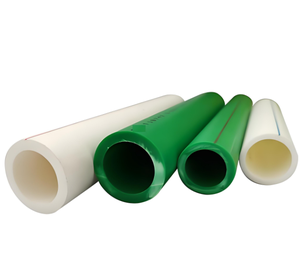
(Building Materials Polypropylene Random Pipe PPR Pipe for Potable Water Distribution)
Fordern Sie ein Angebot an
VERWANDTE PRODUKTE
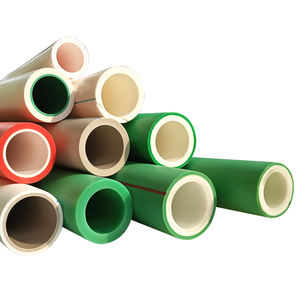
32mm 50mm 75mm PN12.5 Plastic Polypropylene PPR Pure Plastic Pipes Hot Cold Water
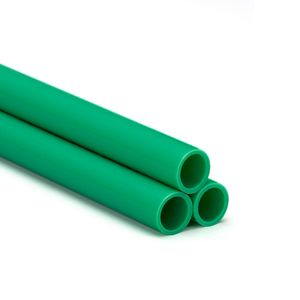
Tubo PPR 50 mm 25 mm 32 mm Hochbau Polypropylen Sanitär Kunststoff
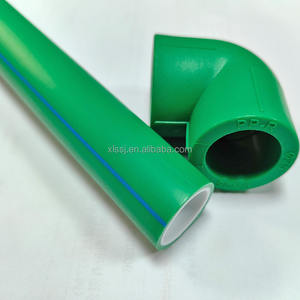
Whole Universal 1 Inch 40mm Plastic Pipes PPR Pipe And Fitting
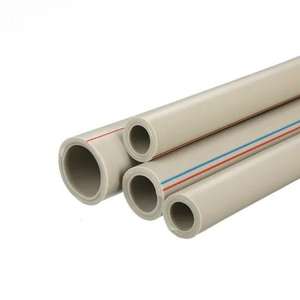
Whole Polypropylene Pipe Plastic PPR Tube Green Tubo PPR Pipe Water Pipe
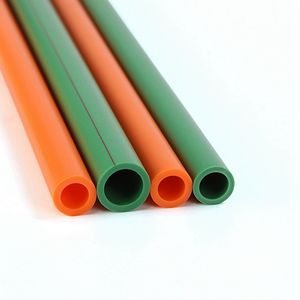
Polypropylene Random Copolymer PPR for Hot Cold Water Pipe Virgin/Recycled Material