LUOYANG CAME ENERXÍA TECH CO, LTD

Gas Stove Parts/gas Pipe
PARÁMETROS DO PRODUTO
Descrición
Overview of Gas Stove Parts/gas Pipe
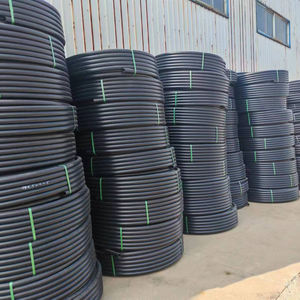
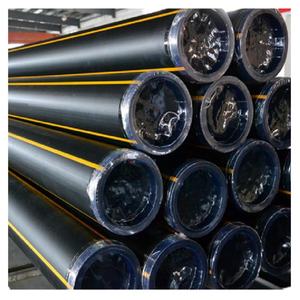
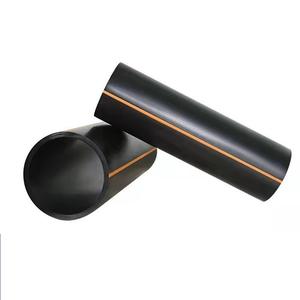
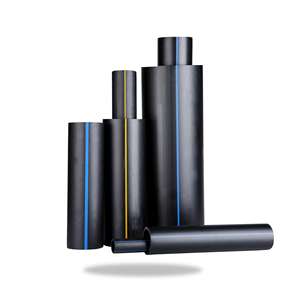
Gas Stove Parts/gas Pipe is designed for efficient and secure gas transportation in residential, comercial, e aplicacións industriais. Feito con materiais duradeiros como o aceiro carbono, aceiro inoxidable, o polietileno PE, os nosos tubos de gas garanten un rendemento a proba de fugas e unha fiabilidade a longo prazo. Xa sexa para o gas natural, propano, ou outros gases combustibles, os nosos produtos cumpren os estritos estándares industriais de seguridade e eficiencia..
Features of Gas Stove Parts/gas Pipe
Resistente á corrosión: deseñada para soportar ambientes duros e evitar fugas.
Tolerancia a alta presión e temperatura: adecuado para sistemas de distribución de gas esixentes.
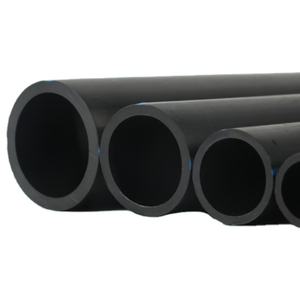
Tubos de PE lixeiros e flexibles: fáciles de instalar con excelente durabilidade.
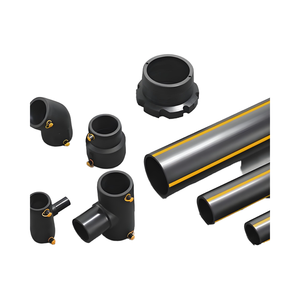
Unións a proba de fugas: soldadura e rosca de precisión para conexións seguras.
Cumpre coas normas de seguridade: certificado para un rendemento fiable en aplicacións de gas.

(Gas Stove Parts/gas Pipe)
Specifications of Gas Stove Parts/gas Pipe
Here are the vital parts for your gas cooktop and gas pipeline arrangement. Comprehending these items assists guarantee risk-free, efficient procedure.
The heaters are the noticeable parts where the flame appears. Heaters mix gas with air before ignition. This combination develops a secure, blue flame for food preparation. Burner caps remain on top, supporting pots and pans evenly. Spreader bars beneath the caps aid route the gas flow upwards.
The ignition system begins the fire. A lot of ovens utilize electric igniters. You push a handle in, turn it, and a spark leaps near the heater. This trigger lights the gas. Some older models may make use of pilot burner rather. A pilot burner is a tiny, constant fire prepared to spark the primary heater.
Control shutoffs manage gas flow. Turning the stove handle readjusts the shutoff opening. A larger opening lets a lot more gas through for a larger flame. A smaller opening reduces gas for a reduced flame. Valves connect straight to the gas supply line.
Security tools are important. The thermocouple is a tiny sensing unit near the pilot burner. It detects warm. If the pilot flame heads out, the thermocouple cools off. This signals the gas valve to turn off immediately. This avoids unburned gas from leaking right into your kitchen area.
The gas pipeline provides fuel from your main supply. This pipeline is typically stiff steel, like copper or steel. It runs from the gas source to the range link point. A flexible port tube affixes the range to the rigid gas pipeline. This hose pipe allows for some motion throughout installation or cleaning. The adapter needs to be specifically ranked for gas usage.
A shut-off shutoff rests along the gas pipeline. This valve allows you completely quit gas flow to the stove. You turn it a quarter turn. This is crucial for safety throughout upkeep or leakages. Constantly recognize where your gas shut-off valve lies.
Installations connect pipe areas with each other firmly. Typical types are arm joints and combinings. Gas-rated pipeline thread sealer makes certain these links do not leak. Never use common plumbing tape on gas lines. Only materials approved for fuel gas are risk-free.
Normal checks keep whatever functioning right. Try to find damaged pipes, cracked hoses, or loose installations. Listen for hissing audios near connections. Odor is essential as well; gas suppliers include a strong odorant for leakages. If you smell gas, turn off the shut-off valve quickly. Aerate the location and call an expert.

(Gas Stove Parts/gas Pipe)
Applications of Gas Stove Parts/gas Pipe
Gas stove parts and gas pipelines do crucial work in your cooking area. They interact to get gas to your cooktop securely. After that they allow you prepare your food appropriately. You see the burner caps resting on top. These spread the flame equally. That stops locations under your frying pan. The heater heads underneath control exactly how big the fire obtains. Turning the oven knob transforms the fire dimension. This adjusts your cooking warmth fast.
The gas shutoffs are crucial for security. They open to allow gas circulation when you turn the handle. They shut limited when you transform the oven off. The thermocouple is a small safety sensing unit near the flame. It senses heat. It informs the gas valve it’s risk-free to remain open. If the flame blows out unintentionally, the thermocouple cools off promptly. It signals the shutoff to close. This quits gas from dripping out right into your kitchen area. That stops hazardous gas accumulation.
Gas pipelines bring the gas from your major supply line to the stove. Flexible adapters hook the oven to the wall surface outlet. These pipelines have to be difficult. They take care of the gas stress without dripping. They stand up to warm and deterioration. You need pipes made for gas. Water pipes will not do. The gas regulator is another key item. It controls the stress entering your stove. Excessive stress makes fires too huge and unsafe. The regulator maintains stress constant and secure. It protects the range parts from damage. Constantly check links for leaks. Usage soapy water. Bubbles mean a leak. Call a professional immediately if you locate one. Appropriate parts and installation keep everything working right and secure.
Embalaxe e envío
Depende dos produtos e da cantidade,poderiamos facer a embalaxe do bobinado,rolos,embalaxe de paquetes,caixas ou caixas,etc.
Envío:Por mar,ferrocarril,por vía aérea ou a petición do cliente.
Perfil da empresa
Luoyang Datang Energy Tech Co., Ltd. é un fabricante chinés líder especializado en tubos e accesorios de plástico de alta calidade. Equipado con liñas de produción automatizadas de última xeración e apoiado por un equipo de 200 profesionais, ofrecemos unha ampla liña de produtos que comprende máis 150 tipos de tubos e accesorios de plástico deseñados para sistemas de abastecemento e drenaxe de auga, transmisión de gas, e sistemas de calefacción por chan radiante. Os nosos principais produtos inclúen tubos e accesorios de PVC, PE (HDPE) Tubos e accesorios, Tubos e accesorios PPR, e tubos de calefacción por chan PEX.
Se ten algunha dúbida sobre a instalación de tubos de HDPE, por favor, non dubide en contactar connosco!
Tel.:0086-183 3790 0677
Wechat: 0086-183 3790 0677
Whatsapp: 0086-183 3790 0677
Correo electrónico: sales@pipesandfittings.net
Condicións de pago
T/T,L/C á vista,Western Union & Paypal,etc.
5 FAQs of Gas Stove Parts/gas Pipe
Aquí están 5 FAQs about Gas Stove Parts and Gas Pipes:
1. How do I know if my gas pipe or connection leaks?
Smell gas? That’s a major warning sign. Immediately shut off the gas supply at the main valve. Open windows for ventilation. Avoid flames or sparks. Don’t use electrical switches. Evacuate the area. Call your gas company or emergency services from outside. For small suspected leaks, mix dish soap and water. Apply this soapy solution to pipe joints and connections. Watch for bubbles forming. Bubbles mean gas is escaping. Get a professional to fix it right away.
2. My stove burner won’t ignite. What parts might cause this?
Primeiro, check if other burners work. If just one burner fails, the problem is likely local. Common culprits are clogged burner ports or blocked igniter electrodes. Food debris or grease often blocks them. Clean these parts carefully. If cleaning doesn’t help, the igniter electrode might be damaged or misaligned. A faulty spark module could also be the cause if multiple burners fail. The thermocouple (safety sensor) might be bad if you have standing pilot lights. Replace faulty parts.
3. How often should I clean my gas stove burners?
Clean them regularly. Heavy cooking means clean them monthly. Light cooking means every few months is okay. Spills or boil-overs need immediate cleaning. Let the stove cool completely first. Remove the burner caps and grates. Wash them in warm soapy water. Use a soft brush or pin to clear clogged burner ports. Wipe the burner base carefully. Avoid damaging the igniter. Dry all parts thoroughly before reassembling. Keeping burners clean ensures proper ignition and even flames.
4. Can I replace gas stove parts myself?
Si, for some simple parts. You can replace burner caps, grates, drip pans, and knobs yourself. Ensure you get the exact model specified for your stove. Safety-critical parts are different. Never attempt replacing gas valves, regulators, thermocouples, or gas lines yourself unless you are qualified. This requires turning off the gas supply and involves potential leaks. Incorrect installation is dangerous. Hire a licensed gas technician for these repairs. Always prioritize safety.
5. What kind of pipe connects my stove to the gas line?
Most modern installations use a flexible corrugated stainless steel tubing (CSST) connector. It’s flexible and easier to install correctly. Older setups might have rigid black iron pipe. Copper tubing is sometimes used but requires special skills and may not be allowed locally. Check your local building codes. The connector must be the correct length and type approved for gas. Never use makeshift pipes or hoses. Ensure connections are tight and leak-tested by a professional after installation or moving the stove.

(Gas Stove Parts/gas Pipe)
SOLICITA UN PRESUPUESTO
PRODUTOS RELACIONADOS
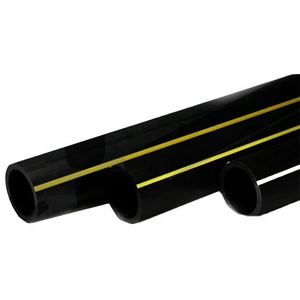
Low ASTM Hot Rolled Carbon Seamless Steel Pipe 20# 45# Seamless Steel Tube
10mm 15 mm 20 mm 32 mm 63 mm Tubo de aceiro galvanizado Tubo de gas
Fire Fighting Material Red Painted Sch10 Weld Carbon Steel Fire Sprinkler Pipe/tube
High Quality Customization Hot C N Seamless Carbon Steel Pipe 2 Carbon Steel Pipe Per Meter Carbon Steel Pipe Seamless
Hot Rolled Seamless Steel Pipe for Oil and Natural Gas and Other Fields of Transportation Pipelines