LUOYANG COME ENERGY TECH CO.,LTD

Which Pipes Are Truly Best for Water Supply?
Choosing the right pipes for your water supply system isn’t just a technical detail – it’s a critical decision impacting water safety, system longevity, and long-term costs. With PPR pipes,CPVC pipes and Stainless Steel pipes are all available, understanding their strengths and limitations is essential. As a leading manufacturer committed to quality and safety, we break down the best options for your potable water needs.
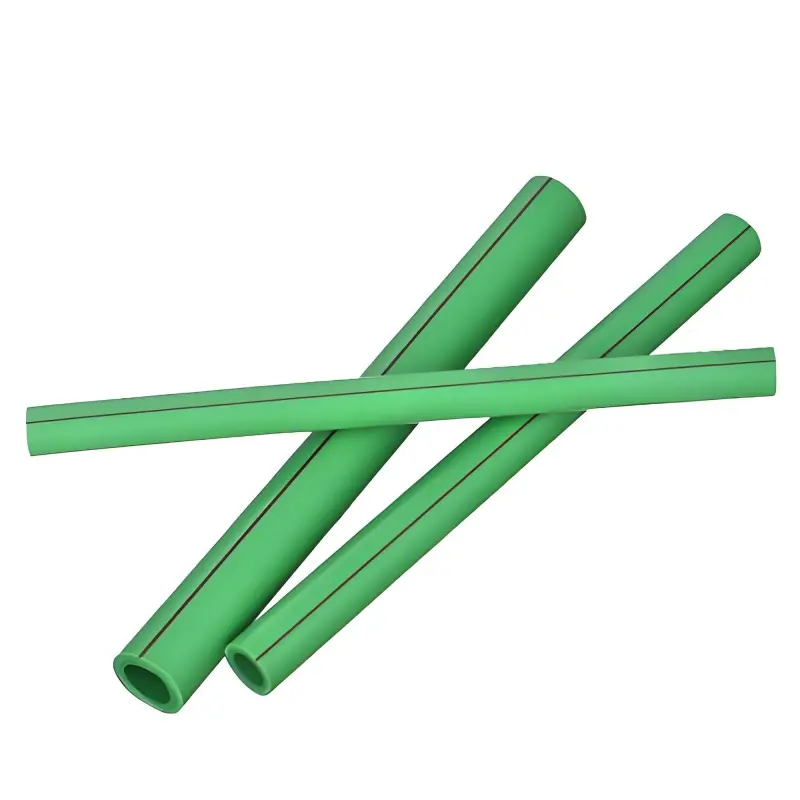
PPR (Polypropylene Random Copolymer) Paipu: The Modern Standard
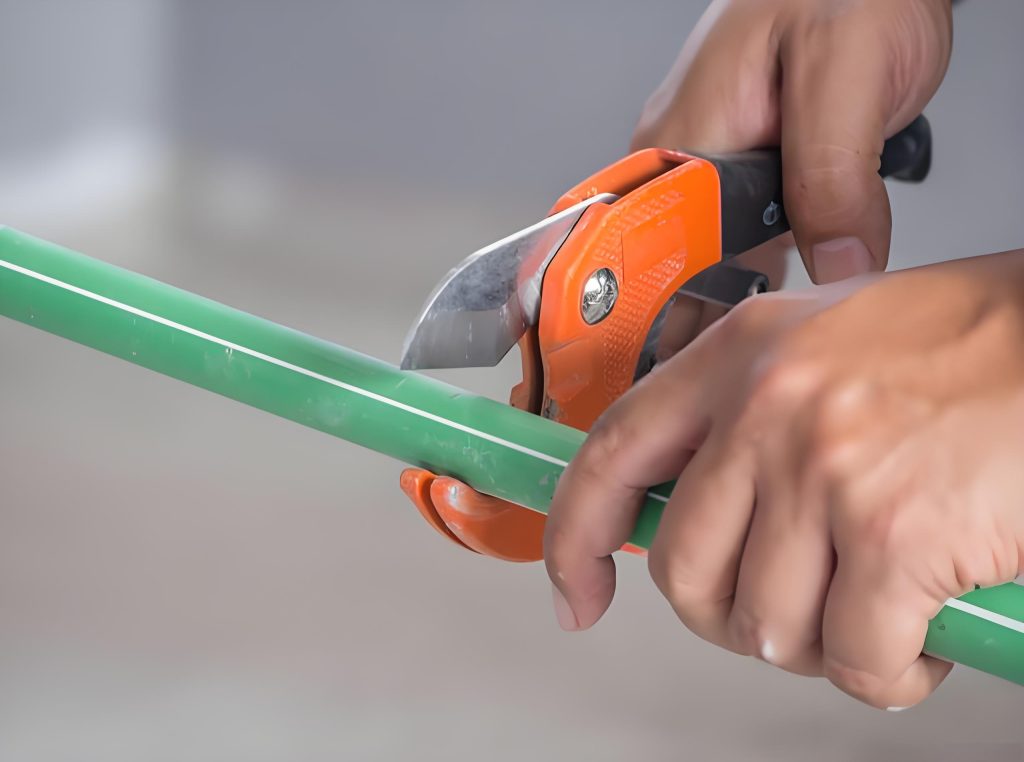
PPR pipes have revolutionized hot and cold water supply systems globally. Their thermofusion jointing creates seamless, leak-proof connections far superior to mechanical fittings prone to failure. This durability translates to systems lasting 50-60 years or more with minimal maintenance.
Key Advantages:
Exceptional Corrosion Resistance: Impervious to rust and scale buildup, ensuring consistent water flow and purity over decades.
Smooth Interior: Hoʻemi i ka nalowale o ka friction, maintaining optimal pressure and flow rate.
ʻAʻohe ʻona & Palekana: Certified for potable water contact, free from heavy metals like lead. Our pipes exceed ISO 15874, NSF/ANSI 61, and WRAS standards.
Thermal Insulation: Low thermal conductivity reduces heat loss in hot water lines, saving energy.
Kūʻai-Pono: Lower material and installation costs compared to metal alternatives, with significant long-term savings.
Range Of Application: Residential, kalepa, and institutional hot & cold water distribution; radiant floor heating. The top choice for reliable, long-lasting systems.
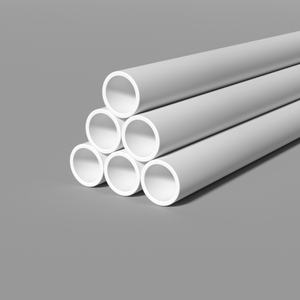
CPVC (Chlorinated Polyvinyl Chloride) Paipu: Handling the Heat
CPVC offers higher temperature and pressure tolerance than standard PVC, making it suitable for hot water supply lines.
Key Advantages:
High Temperature Resistance: Can safely handle hot water temperatures common in residential and light commercial settings.
ʻAiʻino & Scale Resistance: Maintains water quality and flow.
Relatively Easy Ins
Installation: Uses solvent cement joints.
Kūʻai-Pono: Generally less expensive than metal pipes.
Considerations: Joint integrity heavily depends on proper solvent welding technique. Impact resistance can be lower than PPR in very cold environments. Ensure compliance with NSF/ANSI 61.
Range Of Application: Residential hot water lines (especially in regions where PPR adoption is slower), certain industrial applications compatible with CPVC.
Stainless Steel Pipes: The Premium Choice for Demanding Environments
Renowned for exceptional strength, pale ʻino, and longevity. Highly resistant to extreme temperatures and pressures.
Key Advantages:
Superior Durability & Longevity: Withstands physical impact and harsh conditions exceptionally well.
High Temperature/Pressure Tolerance: Ideal for specialized industrial applications or high-rise buildings.
Excellent Hygiene: 304 or 316L medical-grade stainless steel offers outstanding purity for critical water applications.
Considerations: Significantly higher material and installation (requires skilled welding/threading) costs. Not typically cost-effective for standard residential plumbing compared to PPR.
Ideal For: High-value residential projects, halemai, laboratories, coastal areas (high salt corrosion), industrial process water, high-pressure mains, retrofit projects where pipe diameter is critical.
Copper Pipes: The Traditional Contender (Facing Stiff Competition)
Long history of use, naturally bacteriostatic, handles heat well.
Key Challenges:
High Cost: Material prices are significantly higher than PPR or CPVC.
Complex Installation: Requires skilled soldering (flux concerns) or expensive press fittings.
Potential for Corrosion: Susceptible to pitting corrosion in specific water chemistries (low pH/high oxygen) and electrolytic corrosion if not grounded properly. Can develop pinhole leaks.
Heat Loss: Higher thermal conductivity leads to energy loss in hot water lines.
Current Status: While still used, the cost-benefit ratio and installation advantages of PPR have made it the preferred modern choice globally for most water supply applications.
Avoid for Potable Water Supply:
Galvanized Steel Paipu: Prone to internal rust and scale buildup, severely restricting flow and contaminating water over time. Obsolete for new water lines.
Standard PVC Paipu: Not rated for hot water and generally not recommended for pressurized potable water supply cold lines due to potential brittleness and concerns about long-term additives. Used primarily for drainage.
Why Choose Luoyang Datang Energy and Tech Co.,Ltd for Your Water Supply Pipes?
At Luoyang Datang, we don’t just manufacture pipes; we engineer solutions for safe, reliable water delivery:
Uncompromising Quality & Safety: Our PPR, CPVC, and Stainless Steel pipes are rigorously tested to exceed ISO, NSF/ANSI 61, WRAS, and CE standards. Guaranteed lead-free and non-toxic.
Precision Manufacturing: State-of-the-art production ensures consistent wall thickness, perfect roundness, and flawless material properties for peak performance and longevity.
Material Expertise: We offer the full spectrum – high-performance PPR for general supply, reliable CPVC for heat, and premium stainless steel for extreme demands.
Global Trust: Our pipes flow reliably in residential complexes, halemai, hotels, and industrial plants worldwide, testament to their durability and quality.
Technical Support: Partner with our engineers for system design guidance and material selection advice.
Mea hoolako
ʻO Luoyang Datang Energy Tech Co., Ltd. ʻO ia ka mea hana Kina alakaʻi kūikawā i nā paipu plastik kiʻekiʻe a me nā mea pono. Hoʻolako ʻia me nā laina hana ʻenehana hou a kākoʻo ʻia e kahi hui o 200 ʻoihana, hāʻawi mākou i kahi laina huahana nui e pili ana ma luna 150 types of plastic pipes and fittings designed for water supply and drainage systems, lawe kinoea, a me nā ʻōnaehana hoʻomehana papahele. ʻO kā mākou huahana nui nā PVC Pipes a me nā mea pono, PE (HDPE) Paipu a me na lako, PPR Paipu a me na lako, a me na paipu wela o ka papahele PEX.
Should you have any inquiries regarding PPR pipes,ʻO nā pahu keleawe a me nā mea keleawe, mai hoʻokaʻulua e hoʻokaʻaʻike mai iā mākou!
Tel.:0086-183 3790 0677
Wechat: 0086-183 3790 0677
Whatsapp: 0086-183 3790 0677
leka uila: sales@pipesandfittings.net
NA PONO PILI
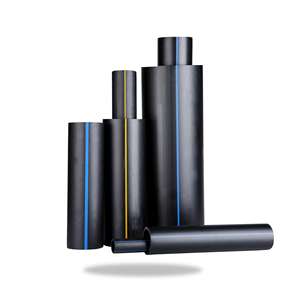
He aha ke ʻano o ka paipu no ka wai ma lalo o ka honua?
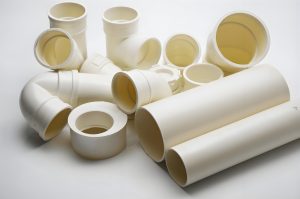
Why Choose PVC Pipeline For Water Supply System?
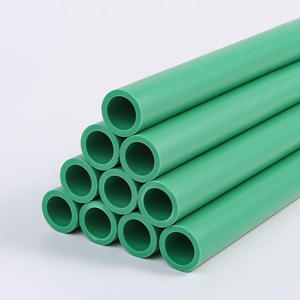
The Five Major Advantages of PPR Pipes
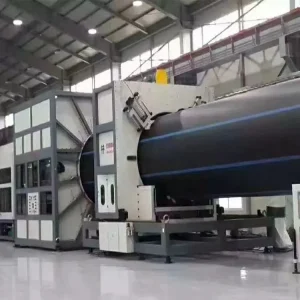
High-Density Polyethylene Pipes: Multi-Purpose Applications and Advantages
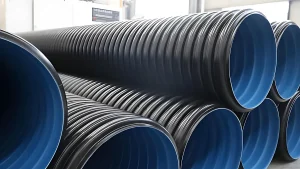
Paipu Polyethylene High Density:Nā ʻano, Characteristics & Multiple Applications