LUOYANG COME ENERGY TECH CO.,LTD

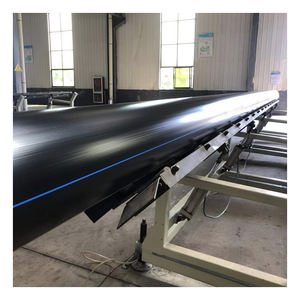
Water and Wastewater High Density Polyethylene Pipe
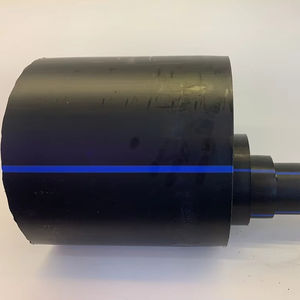
NA PALAPALA HUA
wehewehe
Introduction of Water and Wastewater High Density Polyethylene Pipe
Paipu Polyethylene High Density (Paipu PE) ʻO kahi hopena paipu thermoplastic lōʻihi a hiki ke hoʻohana nui ʻia i ka ʻoihana, municipal, mahiʻai, a me nā noi eli. Ua ʻike ʻia no kona kūʻē ʻana i nā kemika maikaʻi loa, ikaika hopena kiʻekiʻe, a me ke ola lawelawe lōʻihi, He kūpono nā paipu PE no ka lawe ʻana i ka wai, kinoea, a me nā wai ʻē aʻe ma lalo o nā kūlana paʻi like ʻole.
Key Features of Water and Wastewater High Density Polyethylene Pipe
ʻAiʻino & Palekana Kemika
Kū'ē i ka'ōpala, unahi, a me ka nui o na mea kemika, kūpono ia no nā kaiapuni koʻikoʻi.
Māmā & ʻoluʻolu
Maʻalahi e lawe a hoʻokomo ma muli o ke kaumaha haʻahaʻa; hiki i ka maʻalahi ke kulou me ka ʻole o nā hono i kekahi mau noi.
Ikaika Impact Kiekie
Ke kū nei i nā kūlana ʻino loa a me ke kaumaha kino, e hoemi ana i na pilikia nahaha.
Nā Hui Leak-Leak
Hoʻohui ʻia nā hui me ka wela, e hoemi ana i ka leakage.
Ola Hana lōʻihi
Paʻa UV a me ka abrasion, me ka lōʻihi o ke ola 50 makahiki ma lalo o nā kūlana kūpono.
Ili Loko Pahee
E hoemi ana i ka poho friction, ka hoʻomaikaʻi ʻana i ka pono kahe a me ka hoʻohaʻahaʻa ʻana i nā kumukūʻai ikehu.
Pilikia kaiaola
ʻAʻohe mea ʻawaʻawa, hiki ke hana hou, a me ka hoʻokō ʻana i nā kūlana palekana wai inu.
Kūʻai-Pono
ʻO nā kumukūʻai hoʻonohonoho haʻahaʻa a me ka mālama ʻana i hoʻohālikelike ʻia i nā mea kahiko (e.g., metala, kaʻakū).

(Water and Wastewater High Density Polyethylene Pipe)
Specifications of Water and Wastewater High Density Polyethylene Pipe
High Thickness Polyethylene (HDPE) pipe is a top choice for relocating water and wastewater. It deals with laborious well. This plastic pipeline battles corrosion. Rust and chemicals do not damage it. HDPE lasts a long time underground. It doesn’t break quickly. The pipe material is flexible. It bends somewhat without breaking. This helps it take care of ground movement. Quakes or working out ground reason less problem.
Makers make HDPE pipeline in long lengths. This implies fewer joints are required underground. Fewer joints indicate fewer opportunities for leaks. Workers sign up with sections making use of warm fusion. Butt fusion melts the pipe finishes together. Electrofusion makes use of unique installations with integrated heating systems. Both methods produce solid, watertight seals. The pipe itself is smooth. This adds strength.
HDPE pipeline comes in numerous sizes. Common diameters range from little (20mm) to very large (over 2000mm). Wall surface density issues for pressure. Thicker wall surfaces take care of greater stress. The SDR ratio (Typical Dimension Ratio) reveals wall surface density relative to diameter. A lower SDR number suggests a thicker wall. Stress scores use PN numbers. PN10 manages 10 pā, PN16 deals with 16 pā. Pick the appropriate PN or SDR for your task’s stress requirements.
This pipeline benefits several pressures. It helps gravity circulation systems too. It handles both drinking water and drain applications. The smooth inside surface maintains flow efficient. Much less rubbing means much less pumping power needed. It withstands buildup inside. HDPE pipeline fulfills strict requirements. Look for certifications like ISO 4427 for water or EN 13476 for organized wall surface water drainage pipelines. It takes care of cool temperature levels well. It stays tough listed below freezing.

(Water and Wastewater High Density Polyethylene Pipe)
Applications of Water and Wastewater High Density Polyethylene Pipe
Kiʻekiʻe Density Polyethylene (HDPE) pipeline solves numerous water and wastewater obstacles. Its stamina and adaptability make it perfect for demanding applications. You see HDPE pipes extensively used in local drinking water supply. They carry tidy water safely from therapy plants to homes and companies. These pipelines stand up to deterioration and tuberculation, typical issues with steel pipes. This maintains water high quality high over years. Leakages are unusual because the pipelines fuse into seamless, constant lines. Workers mount them successfully utilizing trenchless methods, minimizing interruption in cities.
Wastewater collection counts heavily on HDPE also. Sewage system keys and pressure mains deal with raw sewer effectively. The pipeline product won’t rot or corrode from the severe sewer setting. Its smooth inside protects against buildup, keeping circulation capability. HDPE takes care of ground movement well. This is essential in locations with unpredictable soil or earthquakes. It prevents pricey breaks and infiltration.
Industrial plants pick HDPE for procedure water and effluent discharge. It deals with deep sea or chemicals without deteriorating. Manufacturing facilities utilize it for cooling down water lines and relocating waste streams safely. Its watertight joints are important for protecting against ecological contamination. Stormwater monitoring systems also profit. Large size HDPE pipelines manage drainage in culverts and apprehension systems. They hold up against heavy loads under roadways and endure weather condition extremes.
HDPE pipeline supplies long service life, typically exceeding 50 makahiki. This decreases replacement expenses considerably. Its light-weight nature cuts installment time and expenditure. Fused joints produce a monolithic system stronger than the pipeline itself. While installment needs competent combination specialists, the long-lasting reliability is confirmed. HDPE supplies a reputable option for managing crucial water sources.
Hoʻopili a hoʻouna
Pili i nā huahana a me ka helu,hiki iā mākou ke hana i ka hoʻopili ʻana o ka wili,nā ʻōwili,pūʻolo pūʻolo,pahu a pahu paha,etc.
Hoʻouna:Ma ke kai,alahao,ma ka lewa a i ʻole e like me ke noi a ka mea kūʻai aku.
ʻIkepili Hui
ʻO Luoyang Datang Energy Tech Co., Ltd. ʻO ia ka mea hana Kina alakaʻi kūikawā i nā paipu plastik kiʻekiʻe a me nā mea pono. Hoʻolako ʻia me nā laina hana ʻenehana hou a kākoʻo ʻia e kahi hui o 200 ʻoihana, hāʻawi mākou i kahi laina huahana nui e pili ana ma luna 150 nā ʻano paipu plastik a me nā mea pono i hoʻolālā ʻia no ka hoʻolako ʻana i ka wai a me nā ʻōnaehana wai, lawe kinoea, a me nā ʻōnaehana hoʻomehana papahele. ʻO kā mākou huahana nui nā PVC Pipes a me nā mea pono, PE (HDPE) Paipu a me na lako, PPR Paipu a me na lako, a me na paipu wela o ka papahele PEX.
Inā he nīnau kāu e pili ana i ka HDPE Pipe Fitting, mai hoʻokaʻulua e hoʻokaʻaʻike mai iā mākou!
Tel.:0086-183 3790 0677
Wechat: 0086-183 3790 0677
Whatsapp: 0086-183 3790 0677
leka uila: sales@pipesandfittings.net
Kūkākūkā uku
T/T,L/C ma ka ʻike,Hui Komohana & Paypal,etc.
5 FAQs of Water and Wastewater High Density Polyethylene Pipe
What is HDPE pipe used for in water systems? HDPE pipe carries drinking water and wastewater. It moves sewage and industrial liquids too. This pipe is strong. It resists rust and chemicals. It works underground or above ground. Why pick HDPE over metal or concrete? HDPE lasts longer. It doesn’t corrode like metal. It’s lighter than concrete. Installation is faster. Maintenance costs drop. You save money over time. How long does HDPE pipe last? HDPE pipe often works over 50 makahiki. It handles tough conditions. Proper installation matters. Soil type affects it. But it outlasts many materials. Is HDPE good for hot liquids? HDPE handles heat well. Most pipes work below 140°F. Higher temperatures weaken it. Check the pipe’s rating first. Match it to your project needs. Is HDPE safe for drinking water? ʻAe. It meets health standards. It keeps water clean. No bad tastes or smells. It won’t leak chemicals. Authorities approve it for potable water.

(Water and Wastewater High Density Polyethylene Pipe)
NOI I KA PALAPALA
NA HUAKAI PILI
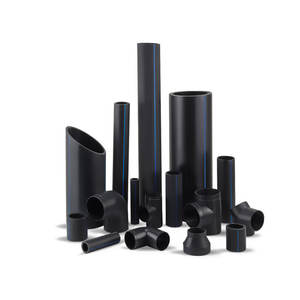
Moana High Density HDPE Plastic Dredging Pipe Floater Float Sand Discharge Dredging Pipeline Buoy Plastic Pipe Floater
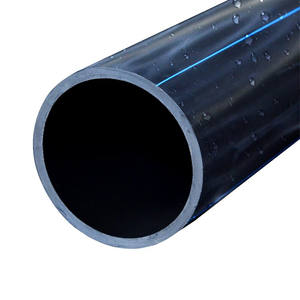
Pn10 Pn16 HDPE Tube Large Diameter 110mm-280mm PE100 Plastic Tubing For Garden Hotel High-Density Polyethylene (HDPE) Paipu
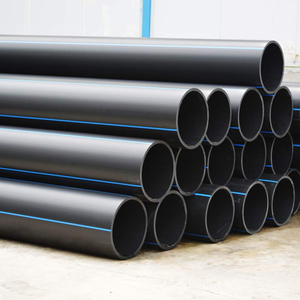
HDPE PE100 High Density P6006 Polyethylene HE3490 Resin Raw Material Virgin HDPE Pipe Granules
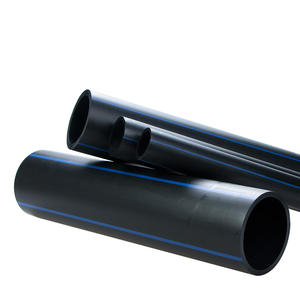
ʻO ke kiʻekiʻe kiʻekiʻe ʻoihana Plastic PVC Tube UPVC Pipe No ka wai me ke kaomi kiʻekiʻe
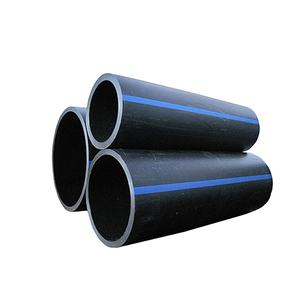
ʻO nā paipu wai wai kiʻekiʻe kiʻekiʻe Polyethylene Hdpe 20-800mm Sdr9