LUOYANG COME ENERGY TECH CO.,LTD


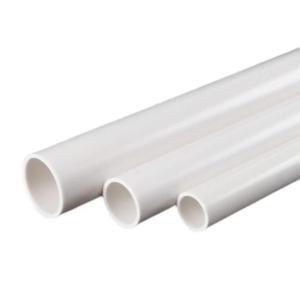
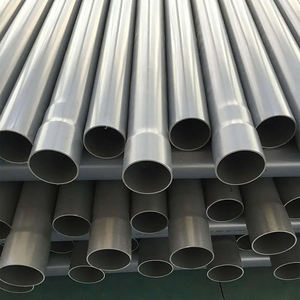
PVC Conduit PVC Pipe Underground Drain Pipe
NA PALAPALA HUA
wehewehe
,,Introduction of PVC Conduit PVC Pipe Underground Drain Pipe
Polyvinyl chloride (PVC) ʻO ka paipu he lōʻihi, māmā, a me ke kumu kūʻai-effective pipe solution hoʻohana nui ʻia i ka ʻoihana, mahiʻai, kūkulu hale, a me nā noi paipu. Hana ʻia mai nā mea polyvinyl chloride kiʻekiʻe, Hāʻawi nā paipu PVC i ke kūpaʻa maikaʻi loa, pahee loko no ka holo pono o ka wai, a me ka hilinaʻi lōʻihi ma nā wahi like ʻole.
Key Features of PVC Conduit PVC Pipe Underground Drain Pipe
ʻAiʻino & Palekana Kemika
Kū'ē i ka'ōpala, kemika, a me nā mea ʻakika/alkali, hoʻolilo iā lākou i mea kūpono no ka ʻoihana a me nā noi wai ʻino.
Māmā & Hoʻokomo maʻalahi
Hoʻemi ka hoʻolālā māmā i ka lawe ʻana a me ka uku hana, ʻoiai nā ʻano hui maʻalahi (e.g., kuʻi hoʻoheheʻe, hili ʻana) hōʻoia i ka hoʻokomo wikiwiki.
Ili Kalaiaina Maalahi
Hoʻemi i ka nalowale o ka friction, ka hoʻomaikaʻi ʻana i ka maikaʻi o ka kahe ʻana a me ka hōʻemi ʻana i ka hoʻohana ʻana i ka ikehu i nā ʻōnaehana lawe wai.
Ikaika Kiekie & Ka lōʻihi
Paʻa i ke kaomi kiʻekiʻe a me ka hopena, kūpono no ka hoʻokomo ʻana ma lalo o ka honua a ma luna o ka honua.
Ola Hana lōʻihi
Palena UV (ina i kukuluia) a pili ole i ka wai, hōʻoia i nā ʻumi makahiki o ka hana haʻahaʻa mālama.
Kūʻai-Pono
ʻO nā kumu kūʻai haʻahaʻa a me nā kumukūʻai hoʻokomo i hoʻohālikelike ʻia me nā paipu metala, hāʻawi i kahi ʻokoʻa waiwai.
ʻAʻohe ʻona & Palekana
Hoʻopaʻa ʻia no ka lako wai inu (hiki ke loaʻa nā ʻano hoʻohalahala-ʻole) a kūpono i nā kūlana honua (e.g., NSF, ASTM).
Nā mea hoʻohana like ʻole
Hoʻohana ʻia i ka wai, hoʻokahe wai, irrigation, paipu uila, a me nā ʻōnaehana hana ʻoihana.

(PVC Conduit PVC Pipe Underground Drain Pipe)
Specifications of PVC Conduit PVC Pipe Underground Drain Pipe
PVC channel pipe and PVC below ground drain pipe manage buried electric and water flow requirements. They are tough plastic tubes. PVC represents polyvinyl chloride. This material stands up to corrosion and chemicals well. It’s an excellent selection underground. You won’t need to replace it usually.
These pipes come in several sizes. Typical sizes are 20mm, 25mm, 32mm, 40mm, 50mm, 63mm, 75mm, 90mm, 110mm, and 160mm. Wall thickness varies also. Thicker walls handle more pressure. Typical stress scores are PN6, PN8, PN10, PN12.5, a me PN16. PN6 deals with much less pressure. PN16 takes care of extra. Choose the appropriate pressure rating for your task.
The pipelines are normally grey or white. Grey is common for electric channel. White or orange is common for drainage. He māmā lākou. This makes them easy to relocate and install. You attach pieces utilizing solvent concrete. This glue makes an irreversible, watertight seal. Rubber ring seals help some drain pipelines as well. Both methods keep water or dirt out.
These pipes last a long time underground. They don’t rot. They do not wear away. They resist many chemicals located in dirt. Smooth internal walls assist water circulation quickly. This stops blockages. Origins locate it difficult to become them. They manage temperature adjustments. Basic pipes work from -5 ° C i 60 ° C. Special blends work in colder areas. Don’t use common PVC pipe in direct sunlight. Sunshine damages it over time. Usage special UV-resistant pipe above ground. Buried pipeline is safe from sun damages.
ʻAʻole paʻakikī ka uku. Dig a trench. Lay the pipeline on a steady bed. Connect the areas safely. Cover it with dirt. The pipe is strong. It handles the weight of the soil above. It also deals with web traffic loads when hidden deep enough. Using PVC saves money long term. It requires little upkeep. It’s reliable for electric lines and relocating wastewater away.

(PVC Conduit PVC Pipe Underground Drain Pipe)
Applications of PVC Conduit PVC Pipe Underground Drain Pipe
PVC conduit secures electrical cords. Contractors mount it below ground. It shields electrical wiring from water and dust damage. PVC conduit works over ground also. It leaves walls or inside structures. This product does not corrosion. It lasts a long period of time outside. PVC bends conveniently. This aids workers mount it around corners. Electrical contractors use it for homes and large buildings. It keeps cables safe and arranged. PVC pipeline lugs water. Plumbers use it inside houses. It attaches sinks, commodes, showers. This pipe deals with cool and hot water well. It does not wear away like metal pipelines. PVC pipeline stays smooth inside. Water streams easily without clogs. Home builders also utilize it for sprinkler systems. It’s lightweight and cuts merely. Underground drain pipeline moves water away. It handles rainwater and wastewater. People bury it under driveways and lawns. This pipeline avoids flooding and soaked ground. PVC drain pipe is extremely solid. It holds up under hefty soil. Roots have trouble breaking into it. Employees attach areas easily. This saves time on large jobs. Farmers use it for area water drainage. Cities use it under roads. PVC deals with chemicals in wastewater. It will not break down swiftly.
Hoʻopili a hoʻouna
Pili i nā huahana a me ka helu,hiki iā mākou ke hana i ka hoʻopili ʻana o ka wili,nā ʻōwili,pūʻolo pūʻolo,pahu a pahu paha,etc.
Hoʻouna:Ma ke kai,alahao,ma ka lewa a i ʻole e like me ke noi a ka mea kūʻai aku.
ʻIkepili Hui
ʻO Luoyang Datang Energy Tech Co., Ltd. ʻO ia ka mea hana Kina alakaʻi kūikawā i nā paipu plastik kiʻekiʻe a me nā mea pono. Hoʻolako ʻia me nā laina hana ʻenehana hou a kākoʻo ʻia e kahi hui o 200 ʻoihana, hāʻawi mākou i kahi laina huahana nui e pili ana ma luna 150 nā ʻano paipu plastik a me nā mea pono i hoʻolālā ʻia no ka hoʻolako ʻana i ka wai a me nā ʻōnaehana wai, lawe kinoea, a me nā ʻōnaehana hoʻomehana papahele. ʻO kā mākou huahana nui nā PVC Pipes a me nā mea pono, PE (HDPE) Paipu a me na lako, PPR Paipu a me na lako, a me na paipu wela o ka papahele PEX.
Inā he nīnau kāu e pili ana i ka HDPE Pipe Fitting, mai hoʻokaʻulua e hoʻokaʻaʻike mai iā mākou!
Tel.:0086-183 3790 0677
Wechat: 0086-183 3790 0677
Whatsapp: 0086-183 3790 0677
leka uila: sales@pipesandfittings.net
Kūkākūkā uku
T/T,L/C ma ka ʻike,Hui Komohana & Paypal,etc.
5 FAQs of PVC Conduit PVC Pipe Underground Drain Pipe
PVC Conduit & Drain Pipe FAQs
People often ask about using PVC pipes underground. Here are answers to common questions.
How deep should I bury PVC pipe?
Depth matters for protection. Check local building codes first. They give the required depth. Usually, it’s at least 18 inches under driveways. For general areas, 12 inches is common. Deeper burial protects the pipe from heavy loads and freezing.
Can PVC handle freezing temperatures underground?
PVC is tough but water inside can freeze. Frozen water expands. This expansion can crack the pipe. Prevent this. Make sure water drains completely. Slope the pipe correctly during installation. This avoids water pooling and freezing damage.
What size PVC pipe do I need for drainage?
Size depends on water volume. Bigger pipes handle more flow. Think about the area draining into the pipe. A small yard needs smaller pipe. A large roof needs bigger pipe. Standard sizes are 1.5 iniha, 2 iniha, 3 iniha, a 4 iniha. Choose based on expected water flow.
Will chemicals in the soil harm PVC pipe?
PVC resists many chemicals well. It doesn’t rust like metal. It handles most soil types fine. Be careful with specific strong solvents. These might damage the plastic. Check the pipe’s chemical resistance rating. This tells you what it can handle safely.
Why pick PVC over metal pipe underground?
PVC offers good advantages. It costs less than metal pipes. It’s lighter and easier to cut. You don’t need special tools. PVC won’t rust or corrode. It lasts a long time underground. Metal pipes rust and weaken over time. PVC is a reliable, economical choice.

(PVC Conduit PVC Pipe Underground Drain Pipe)
NOI I KA PALAPALA
NA HUAKAI PILI
Quality PVC Plastic Pipes Anti-corrosion Water Pipes for Irrigation Systems
Grade PVC Pipes Various Diameters UV Heat Resistant Extruding Plastic Modling Pipings
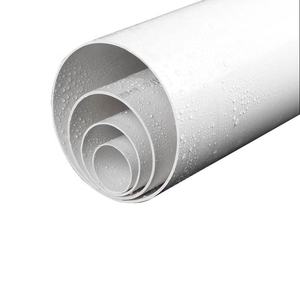
PVC Pipes Swimming Pool Plumbing Flexible Water Line
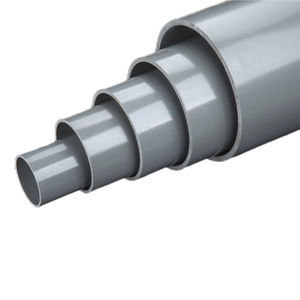
PVC Pipes Thin-wall Electrical Conduit PVC Pipe for Drinking Water Supply
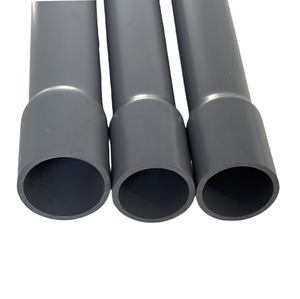
Quality ISO9001 Certified Polyethylene Black PVC Non-Conductive Water Supply Pipeline