LUOYANG CAME ENERGY TECH CO., LTD
API 5l X42 X50 Line Pipe Steel Pipe with 3 Layer Polyethylene Coating A53 A106 Gr.b Pipes for Oil and Gas Transmission Pipeline
PRODUCT PRAMETERS
Kev piav qhia
Overview of API 5l X42 X50 Line Pipe Steel Pipe with 3 Layer Polyethylene Coating A53 A106 Gr.b Pipes for Oil and Gas Transmission Pipeline
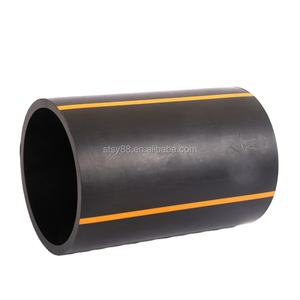
API 5l X42 X50 Line Pipe Steel Pipe with 3 Layer Polyethylene Coating A53 A106 Gr.b Pipes for Oil and Gas Transmission Pipeline is designed for efficient and secure gas transportation in residential, commercial, and industrial applications. Made from durable materials such as carbon steel, stainless steel, or PE polyethylene, our gas pipes ensure leak-proof performance and long-term reliability. Whether for natural gas, propane, or other fuel gases, our products meet strict industry standards for safety and efficiency.
Features of API 5l X42 X50 Line Pipe Steel Pipe with 3 Layer Polyethylene Coating A53 A106 Gr.b Pipes for Oil and Gas Transmission Pipeline
Corrosion-Resistant – Engineered to withstand harsh environments and prevent leaks.
High Pressure and Temperature Tolerance – Suitable for demanding gas distribution systems.
Lightweight and Flexible PE Pipes – Easy to install with excellent durability.
Leak-Proof Joints – Precision welding and threading for secure connections.
Compliant with Safety Standards – Certified for reliable performance in gas applications.

(API 5l X42 X50 Line Pipe Steel Pipe with 3 Layer Polyethylene Coating A53 A106 Gr.b Pipes for Oil and Gas Transmission Pipeline)
Specifications of API 5l X42 X50 Line Pipe Steel Pipe with 3 Layer Polyethylene Coating A53 A106 Gr.b Pipes for Oil and Gas Transmission Pipeline
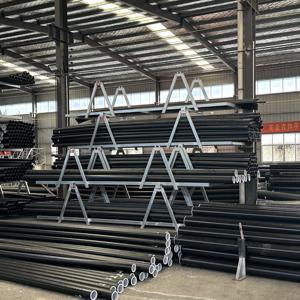
These pipes carry oil and gas long distances. They are built tough. The pipes follow API 5L standards. Common grades are X42 and X50. These grades mean high strength. The steel handles high pressure safely. Pipes also meet A53 and A106 Gr.B specs. These are common standards too. The material is carbon steel. This steel is reliable for pipelines.
Pipe sizes vary a lot. Diameters range from small to large. Wall thickness options exist. Thicker walls handle more pressure. You get the size needed for your project. Lengths are usually long. This helps reduce field welds.
A key feature is the coating. Pipes get a 3-layer polyethylene (3LPE) coating. This coating protects the outside. It stops rust and corrosion. The coating is very durable. It handles rough soil and weather. The coating sticks well to the steel. This stops water getting underneath. Three layers work together. First, epoxy bonds to the pipe. Tom ntej no, adhesive sticks to the epoxy. Finally, tough polyethylene covers everything. This system lasts decades underground.
Manufacturing is strict. Pipes are tested carefully. They check chemical makeup. They test mechanical strength. Hydrostatic tests prove pressure rating. Inspectors check dimensions. They look for defects. Coating thickness and adhesion are verified. Quality control is constant. This ensures pipes perform safely. These pipes are a proven solution for transmission lines. They offer strength, protection, and long life.

(API 5l X42 X50 Line Pipe Steel Pipe with 3 Layer Polyethylene Coating A53 A106 Gr.b Pipes for Oil and Gas Transmission Pipeline)
Applications of API 5l X42 X50 Line Pipe Steel Pipe with 3 Layer Polyethylene Coating A53 A106 Gr.b Pipes for Oil and Gas Transmission Pipeline
These pipes transport oil and gas over long distances. They are built tough. The API 5L X42 and X50 grades are common choices. These grades handle high pressure well. They are reliable for demanding pipeline projects. Steel pipes like A53 and A106 Gr.B are also used. They serve similar purposes in other systems.
Protection is crucial underground or underwater. These pipes feature a special 3-layer polyethylene coating. This coating shields the steel pipe. It stops rust and corrosion effectively. The coating has three distinct layers. First, an epoxy layer bonds tightly to the steel. Second, a middle layer sticks to the epoxy and the top layer. Third, a thick polyethylene layer forms the tough outer shell. This system creates an excellent barrier.
The coating prevents pipeline damage. It stops soil chemicals and moisture from attacking the steel. This protection extends the pipeline’s life. It reduces maintenance costs significantly. Pipeline operators need this durability. It ensures safe, continuous operation for decades.
These pipes connect sections of the transmission line. They are welded together securely. The pipes carry the product under pressure. The X42 and X50 grades offer specific strength levels. Engineers select the right grade for the project pressure. The coating is applied at specialized plants. Quality control is strict throughout. Pipes must meet API standards exactly. This guarantees performance and safety.
The coated pipes are ready for installation. They are shipped to the construction site. Crews lay them along the planned route. The robust coating resists handling damage. It also withstands harsh soil conditions. This keeps the pipeline secure. It prevents leaks and environmental harm. Using these pipes is a smart investment. It protects the pipeline asset effectively.
Packing thiab Shipping
Nyob ntawm cov khoom thiab qty,peb tuaj yeem ua qhov ntim ntawm coiling,yob,pob khoom,thawv los yog thawv,lwm.
Kev xa khoom:Los ntawm hiav txwv,txoj kev tsheb ciav hlau,los ntawm huab cua los yog raws li cov neeg siv khoom thov.
Tuam txhab Profile
Luoyang Datang Energy Tech Co., Ltd., Ltd. yog cov chaw tsim khoom hauv Suav teb tshwj xeeb hauv cov kav dej yas zoo thiab fittings. Nruab nrog lub xeev-of-the-art automated ntau lawm kab thiab txhawb nqa los ntawm ib pab neeg ntawm 200 cov kws tshaj lij, peb muab cov khoom siv dav dav suav nrog ntau dua 150 hom ntawm cov kav dej yas thiab fittings tsim rau cov dej thiab cov kav dej, kis tau tus mob gas, thiab pem teb cua sov systems. Peb cov khoom tseem ceeb suav nrog PVC Yeeb Nkab thiab Fittings, PE (HDPE) Cov kav dej thiab Fittings, PPR Pipes thiab Fittings, thiab PEX Pem Teb Cua Kub Pipes.
Yog tias koj muaj lus nug txog HDPE yeeb nkab haum, thov tsis txhob yig tiv tauj peb!
Tel.:0086-183 3790 0677
Wechat: 0086-183 3790 0677
Whatsapp: 0086-183 3790 0677
Email: sales@pipesandfittings.net
Cov nqe lus them nqi
T/T,L/C thaum pom,Western Union & Paypal,lwm.
5 FAQs of API 5l X42 X50 Line Pipe Steel Pipe with 3 Layer Polyethylene Coating A53 A106 Gr.b Pipes for Oil and Gas Transmission Pipeline
What exactly are these pipes used for?
These steel pipes move oil and gas long distances underground or underwater. They form the main arteries of transmission pipeline systems. The pipe carries the product safely from production fields to refineries or storage facilities. It handles high pressure and tough conditions.
What kind of steel makes these pipes?
The pipes use strong carbon steel. API 5L pipes meet grades like X42 or X50. These grades mean the steel has specific minimum strength levels. A53 and A106 Gr.B pipes also use carbon steel. All types are made for demanding service.
What sizes are available?
Manufacturers offer many sizes. Common outside diameters range from 2 inches up to 48 inches or more. Wall thickness varies significantly too. The right size depends on the pipeline’s required flow rate and pressure. Suppliers list standard sizes, custom sizes are possible.
Why use the 3-layer polyethylene coating?
This coating is crucial protection. It stops the steel pipe from corroding underground. The coating shields the pipe from soil chemicals and moisture. It greatly extends the pipeline’s working life. The coating is tough and resists damage during handling and burial.
What’s the difference between API 5L and A53/A106 pipes?
API 5L pipes are specifically designed for long-distance oil and gas transmission lines. They follow strict requirements for toughness and welding. A53 pipes are often used for lower pressure utility lines. A106 Gr.B pipes are common in refinery process piping and high-temperature service. Each standard suits different applications.

(API 5l X42 X50 Line Pipe Steel Pipe with 3 Layer Polyethylene Coating A53 A106 Gr.b Pipes for Oil and Gas Transmission Pipeline)
THOV QHIA
QHOV CHAW UA HAUJ LWM
High Accuracy And Longer Warranty Mass Flow Meter LPG Gas Flow Meter
ASTM ASME As106gr.B As53gr.B P235gh Tc1 Q345c Q195 20 Inch 18 Inch 8 Inch Hot Rolled A53 Tube Hot DIP Seamless Steel Pipe
Universal Car Fuel Hose Oil Gas Cooler Line Pipe Tube Pipe
High Quality S235 S275 16Mn 20# Galvanized Steel Pipe Low Black Finish ERW Technique 6m Length API ANSI Certificates
Customized Size 4.5 Inch Api 5ct Octg J55 N80 Q125 Upvc Equivalent Oil Well Casing Pipe Gas Pipe for Oil and Gas s