LUOYANG CAME ENERGY TECH CO.,LTD

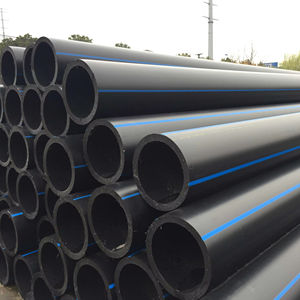
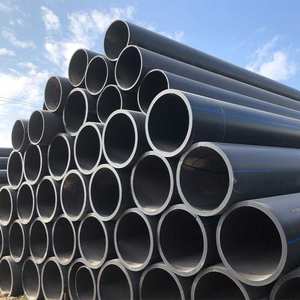
Tiyo gaz, Transporting Natural Gas
PARAMÈT PWODWI
Deskripsyon
Overview of Gas Pipe, Transporting Natural Gas
Tiyo gaz, Transporting Natural Gas is designed for efficient and secure gas transportation in residential, komèsyal, ak aplikasyon endistriyèl. Made from durable materials such as carbon steel, asye pur, or PE polyethylene, our gas pipes ensure leak-proof performance and long-term reliability. Kit pou gaz natirèl, pwopan, or other fuel gases, our products meet strict industry standards for safety and efficiency.
Features of Gas Pipe, Transporting Natural Gas
Corrosion-Resistant – Engineered to withstand harsh environments and prevent leaks.
High Pressure and Temperature Tolerance – Suitable for demanding gas distribution systems.
Lightweight and Flexible PE Pipes – Easy to install with excellent durability.
Leak-Proof Joints – Precision welding and threading for secure connections.
Compliant with Safety Standards – Certified for reliable performance in gas applications.

(Tiyo gaz, Transporting Natural Gas)
Specifications of Gas Pipe, Transporting Natural Gas
Here are the specifications for pipelines bring natural gas. These pipelines move gas safely over fars away. They need to deal with high stress dependably.
The pipeline material is generally steel. Steel is strong and long lasting. Carbon steel prevails. Particular steel grades are used. These qualities meet rigorous standards. The steel needs to stand up to breaking. It should withstand corrosion. Plastic pipes are sometimes utilized for smaller lines. Plastic pipelines are for lower pressure situations.
Pipe diameter matters a whole lot. Diameter impacts just how much gas circulations. Larger pipes bring even more gas. Usual diameters vary from 2 inches to over 36 inches. The needed diameter relies on the gas quantity. It relies on the range the gas journeys.
Wall surface thickness is important. Thicker walls take care of higher stress. The density is picked based on the operating pressure. It is picked based on the pipeline diameter. The pipe must endure the stress without failing. Designers calculate the specific thickness required.
Safety coatings are applied outside. These layers stop rust. Usual coatings include fusion-bonded epoxy. This coating shields the steel from soil and wetness. Additional protection may be needed in rough areas. This can be an unique cover or cathodic protection.
The pipe pressure ranking is clearly specified. It reveals the optimum secure pressure. This ranking is more than the regular operating stress. It offers a safety and security margin. Pipes are evaluated at stress over their rating. This guarantees safety and security prior to use.
Pipelines can be welded together. Welds should be excellent. They are evaluated carefully. X-ray or ultrasound checks discover concealed problems. Great welds are important for toughness. Leakages are unacceptable.
Pipelines are likewise tested after installation. Water is pumped in at high pressure. This is a hydrostatic examination. It examines the whole line for leakages. It confirms the pipeline’s strength under pressure.

(Tiyo gaz, Transporting Natural Gas)
Applications of Gas Pipe, Transporting Natural Gas
Gas pipelines develop the foundation of contemporary power delivery. They move gas over long distances effectively. This gas powers homes, services, and sectors daily. Pipelines link gas areas straight to cities and towns. They are the most dependable means to carry large quantities securely.
These systems run continuously. They lug gas under high pressure. This stress pushes the gas through the pipes. Compressor stations along the route preserve this stress. They keep the gas streaming continuously towards its destination.
Safety and security is the top priority. Pipes are constructed with solid products. Steel is common. Plastic pipelines help lower pressures. Engineers bury most pipes underground. This secures them and maintains neighborhoods risk-free. Constant tracking occurs. Systems discover leakages quickly. Operators respond quick to any concern.
Normal upkeep maintains pipelines reputable. Examinations inspect pipe problem throughout. Smart tools travel inside pipelines. They locate weak spots or rust. Crews fix issues right away. This stops failings. Pipeline drivers invest heavily in upkeep.
The network is vast. Big transmission lines develop the main freeways. They carry gas throughout states or nations. Smaller distribution lines branch off. These supply gas straight to communities. They connect to individual buildings. Meters determine the gas utilized at each place.
Underground storage space facilities link to pipelines. They hold added gas. This equilibriums supply and need. Extra gas goes into storage throughout low-use durations. It comes out during peak times like winter months. This makes certain stable supply for everyone.
Pipelines are important infrastructure. They deliver gas for heating and cooking. They supply fuel for power plants generating power. Manufacturing facilities count on pipeline gas for their operations. Delivering natural gas by doing this is shown. It is risk-free. It is reliable. It supports modern-day life accurately.
Anbalaj ak chajman
Depann sou pwodwi yo ak kantite,nou ta ka fè anbalaj la nan bobin,woulo,pake pake,kès oswa bwat,elatriye.
chajman:Pa lanmè,tren,pa lè oswa kòm demann kliyan an.
Konpayi Profile
Luoyang Datang Enèji Tech Co., Ltd. se yon dirijan manifakti Chinwa ki espesyalize nan bon jan kalite tiyo plastik ak ekipman. Ekipe ak liy pwodiksyon otomatik modèn ak sipòte pa yon ekip 200 pwofesyonèl yo, nou ofri yon liy pwodwi vaste comprenant sou 150 kalite tiyo plastik ak ekipman ki fèt pou rezèv dlo ak sistèm drenaj, transmisyon gaz, ak sistèm chofaj etaj. Pwodwi prensipal nou yo gen ladan tiyo PVC ak Fittings, PE (HDPE) Tiyo ak Fittings, PPR Tiyo ak Fittings, ak PEX tiyo chofaj etaj.
Ou ta dwe gen nenpòt kesyon konsènan Fitting tiyo HDPE, tanpri pa ezite kontakte nou!
Tel.:0086-183 3790 0677
Wechat: 0086-183 3790 0677
Whatsapp: 0086-183 3790 0677
Imèl: sales@pipesandfittings.net
Regleman Peman
T/T,L/C nan je,Western Union & Paypal,elatriye.
5 FAQs of Gas Pipe, Transporting Natural Gas
What materials make gas pipes?
Steel pipes are strong. They last a long time. Plastic pipes resist rust. Both work for underground gas lines. The material depends on pressure and location.
How do pipes stop leaks?
Factories test pipes very hard. Workers weld or join sections carefully. Special coatings protect pipes underground. Inspectors check the pipes often. They look for damage or weak spots.
Why bury pipes so deep?
Deep burial protects the pipe. Digging machines won’t hit it easily. Frost can’t reach it. Heavy traffic above ground is safer. Rules say minimum depth is usually 3 feet. Sometimes deeper.
How long do gas pipes last?
Steel pipes can last 50 years or more. Plastic pipes last about 50 years too. Soil conditions matter. Corrosion protection matters. Regular checks find problems early. Old pipes get replaced.
Is leaking gas dangerous?
Natural gas is flammable. Leaks are a fire risk. Gas itself has no smell. Companies add a rotten egg smell. This warns people. Smell gas? Leave the area fast. Call the gas company from a safe place. Don’t use phones or switches near the leak.

(Tiyo gaz, Transporting Natural Gas)
DEMANDE YON PREVO
PWODWI ki gen rapò
2500mm 450mm Diameter 24 Inch Ssaw Carbon Spiral Welded Steel Pipe 1962a Sch 80 For Oil Gas Water
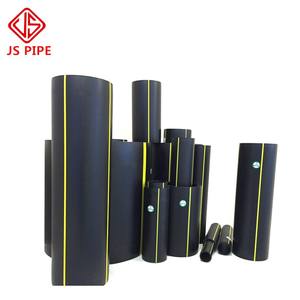
ASTM A283 T91 P91 4130 42CrMo A106 A53 Grade B Mild Carbon Sch40 Seamless Steel Pipe
High Quality SMLS Carbon Steel Pipes Section Shape Cold Rolled Technique ASTM ST52 Oil Gas Seamless Pipe for Boiler Welding
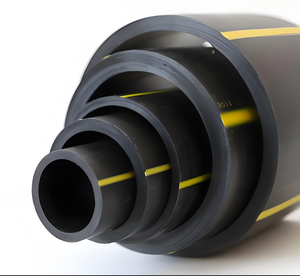
Outdoor Yellow Gas Pipe Gas Pipe Tubes Gas Connection Pipe
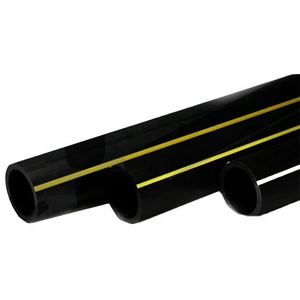
China Top Factory Supply High Quality Low ASTM A53 A106 Gr.B Sch40 Sch80 Seamless Carbon Steel Pipe Tube For