Ụlọ ọrụ LUOYANG CAMEENERGY TECH CO., LTD


CPVC PIPES FOR PLUMBING SOLUTION
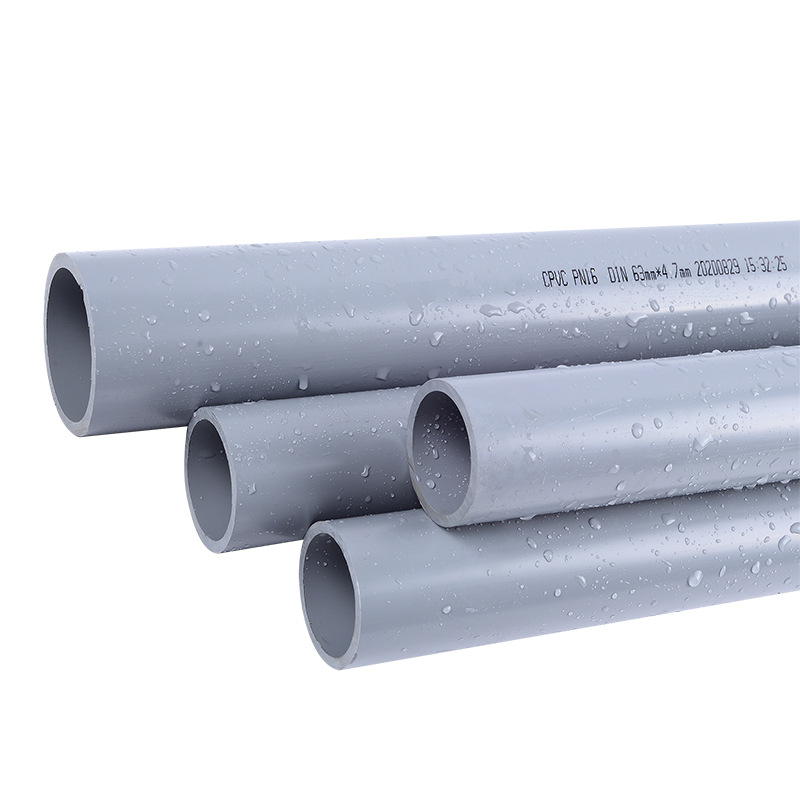
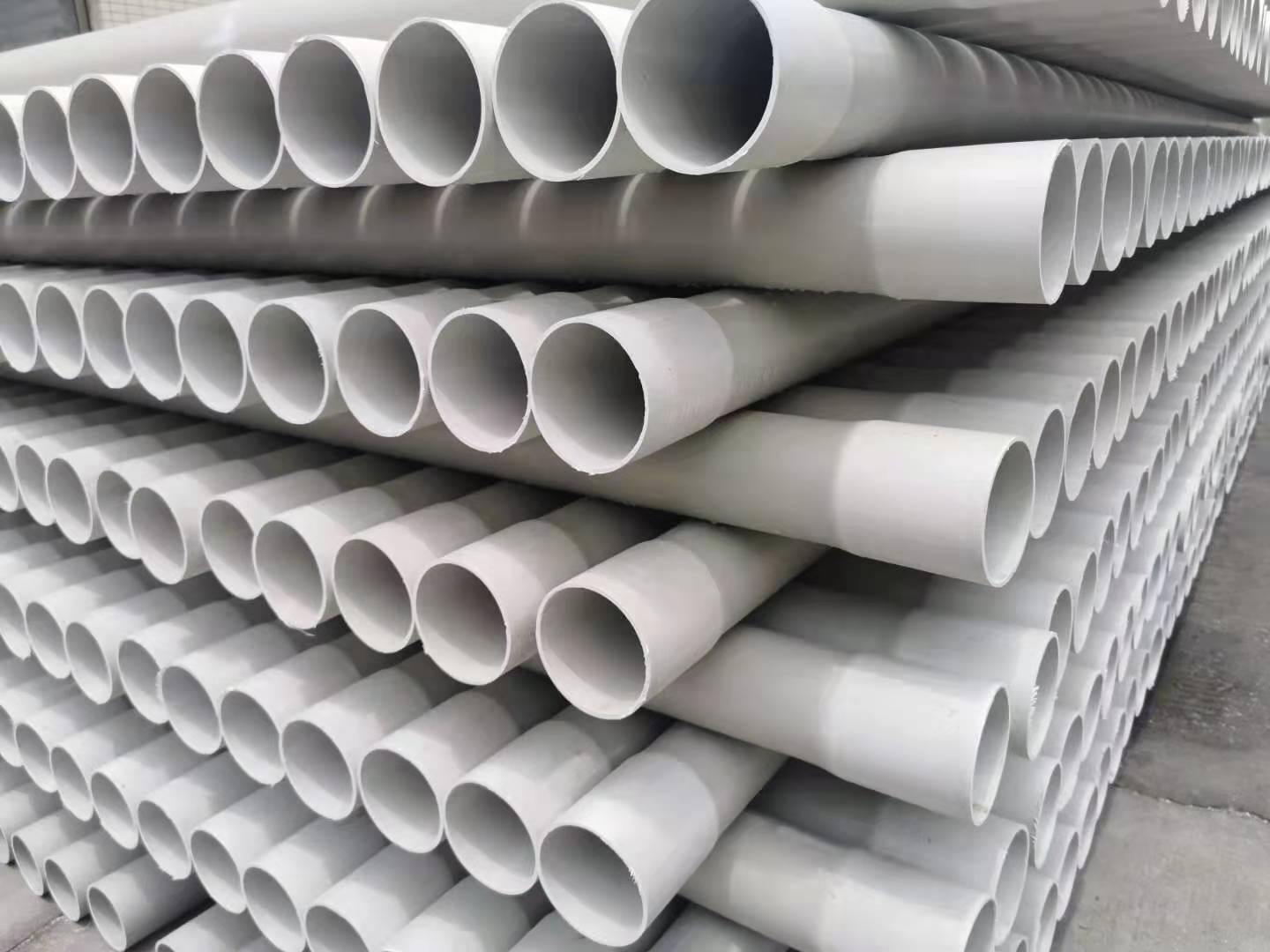
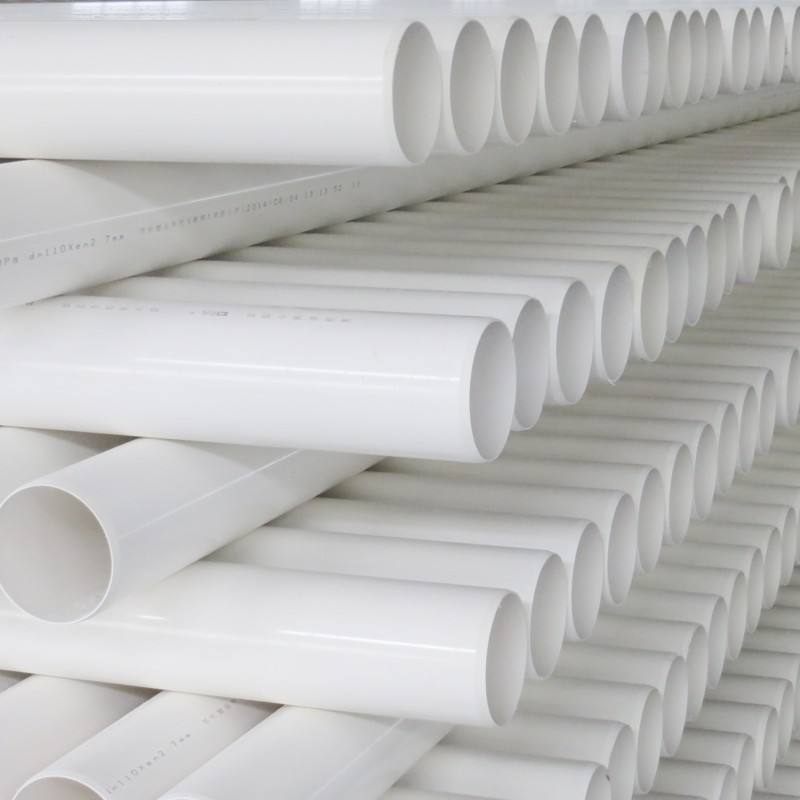
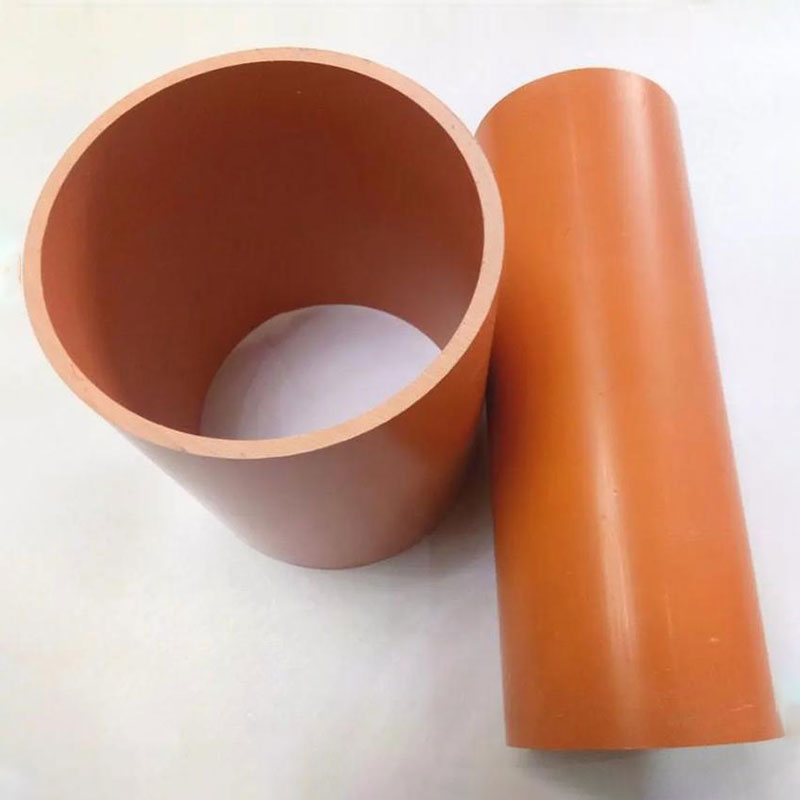
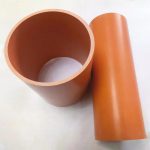
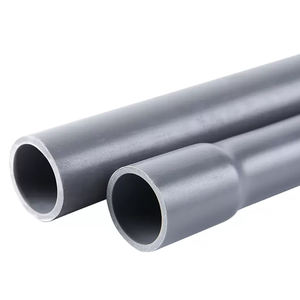
PRAMETERS ngwaahịa
Nkọwa
Chlorinated Polyvinyl Chloride(CPVC) Ọkụ
Introduction of CPVC Pipe
CPVC is produced by adding chlorine to PVC in a water slurry or fluidized bed chlorination process. The chlorination reaction is initiated by ultraviolet light. The chlorinated PVC is compounded with ingredients necessary for the desired properties for further processing. The chlorine added to PVC gives CPVC higher temperature performance and improved fire and corrosion resistance.
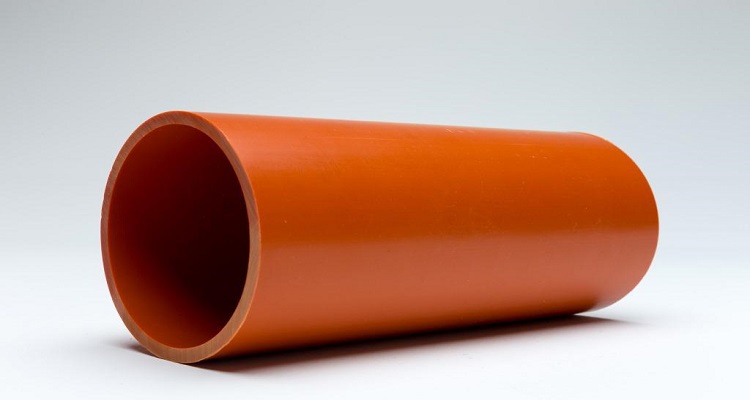
Details of CPVC Pipe
The CPVC plumbing pipes are available in sizes from 15mm (1/2″) to 50mm (2″) conforming to IS 15778 in SDR 11 & 13.5 classes. The pipes are with standard hydrostatic pressure ratings of 400 psi at 73ºF (2,750 kPa at 23ºC) na 100 psi at 180ºF (690 kPa at 82ºC).
Advantage of CPVC pipe:
- Nchekwa nke mmiri ọṅụṅụ na ntụkwasị obi ogologo oge
- Iguzogide corrosion, ụkwara nta, nkwụnye ego
- Chlorine na mgbochi chloramine
- Dị fechaa, mfe ibufe
- Dị n'ọtụtụ nha nha
- mkpọtụ na mgbochi hama mmiri
- Enweghị uru mkpọpu, na-ezere izu ohi saịtị
- Ịdị ogologo na ike ịlanarị nrụnye saịtị ọrụ
- Ọ dịghị ire ọkụ eji ejiko, ihe mgbaze ciment nkwonkwo
- Ndakọrịta zuru ụwa ọnụ nke ọkpọkọ/ihe nrụnye
- Ọdịdị arụnyere ọkachamara
Specifations of CPVC Pipe
Pipe Dimensions
Note :
1. Dimensions with “+” are not a function of SDR.
2. Fittings are suitable for corresponding pipe pressure rating.Mark except 400mm .
| Nominal Bore | Outside Diameter | SDR 11 | SDR 13.5 | ||||||||
| Wall thickness | Working Pressure | Wall thickness | Working Pressure | ||||||||
| Min | Max | Min | Max | At 27℃ | At 82℃ | Min | Max | At 27℃ | At 82℃ | ||
| (mm) | (inch) | (mm) | (mm) | (mm) | (mm) | Kg/cm² | Kg/cm² | (mm) | (mm) | Kg/cm² | Kg/cm² |
| 15 | 1/2 | 15.80 | 16 | 1.70 | 2.20 | 28.14 | 6.93 | 1.40 | 1.90 | 22.22 | 5.60 |
| 20 | 3/4 | 22.10 | 23.30 | 2.00 | 2.50 | 28.14 | 6.93 | 1.70 | 2.20 | 22.22 | 5.60 |
| 25 | 1 | 28.50 | 28.70 | 2.60 | 3.10 | 28.14 | 6.93 | 2.10 | 2.60 | 22.22 | 5.60 |
| 32 | 11/4 | 34.80 | 35.00 | 3.20 | 3.70 | 28.14 | 6.93 | 2.60 | 3.10 | 22.22 | 5.60 |
| 40 | 11/2 | 41.20 | 41.40 | 3.80 | 4.30 | 28.14 | 6.93 | 3.10 | 3.60 | 22.22 | 5.60 |
| 50 | 2 | 53.90 | 54.10 | 4.90 | 5.50 | 28.14 | 6.93 | 4.00 | 4.60 | 22.22 | 5.60 |
| Nominal Bore | Outside Dia. | Nhazi oge 40 | Nhazi oge 80 | |||||||
| Wall thickness | Working Pressure | Wall thickness | Working Pressure | |||||||
| Min | Max | At 27℃ | At 82℃ | Min | Max | At 27℃ | At 82℃ | |||
| (mm) | (inch) | (mm) | (mm) | (mm) | Kg/cm² | Kg/cm² | (mm) | (mm) | Kg/cm² | Kg/cm² |
| 65 | 21/2 | 73.00(+/-0.18) | 5.16 | 5.77 | 21.10 | 5.30 | 7.01 | 7.85 | 29.57 | 7.43 |
| 80 | 3 | 88.90(+/-0.20) | 5.49 | 6.15 | 18.25 | 4.58 | 7.62 | 8.53 | 26.00 | 6.32 |
| 100 | 4 | 114.30(+/-0.23) | 6.02 | 6.73 | 15.49 | 3.87 | 8.56 | 9.58 | 22.53 | 5.60 |
| 150 | 6 | 168.30(+/-0.28) | 7.11 | 7.79 | 12.64 | 3.16 | 10.97 | 12.29 | 19.68 | 4.89 |
| 200 | 8 | 219.10(+/-0.38) | 8.18 | 9.17 | 11.21 | 2.85 | 12.70 | 14.22 | 17.54 | 4.18 |
| 250 | 10 | 273.10(+/-0.28) | 9.27 | 10.39 | 9.89 | 2.44 | 15.06 | 16.86 | 16.21 | 3.81 |
Applications of CPVC Pipe
Hot and cold water plumbing distribution, residential and commercial
CPVC is wildly used in hot and cold water distribution systems in residential buildings.The pipes can handle temperatures up to 200°F (93°C),making the pipes suitable for hot water convey systems.
Sistemụ ọkpọkọ mmepụta ihe
CPVC tubes are well-suited for industrial piping systems owing to their superior resistance to high temperatures and corrosion. They are ideal for conveying thermal chemicals, process water, and other fluids that may possess acidic, alkaline, or reactive characteristics. Consequently, CPVC tubes are particularly appropriate for applications in chemical processing plants and oil refinery pipeline transportation.
Sistemụ Ọkụ Ọkụ
Chlorinated polyvinyl chloride (CPVC) is extensively utilized in both residential and industrial fire protection systems due to its suitability for high-pressure environments. It constitutes a critical component of the network responsible for the delivery of water or flame-retardant agents to extinguish fires.
pipụ mmiri eweghachitere (ọkpọkọ odo odo)
CPVC pipes are widely utilized in drainage and waste management systems as well as in industrial applications. Their excellent chemical resistance renders them particularly suitable for conveying chemicals, process water,and other fluids that may be acidic, alkaline, or otherwise reactive.
Mbukota na mbupu
Dabere na ngwaahịa na qty,anyị nwere ike ịme nkwakọ ngwaahịa,na-apụta,ngwugwu ngwugwu,igbe ma ọ bụ igbe,wdg.
Mbupu:Site n'oké osimiri,ụzọ ụgbọ oloko,site na ikuku ma ọ bụ dị ka ndị ahịa arịrịọ.
Nkọwapụta Ụlọ ọrụ
Ụlọ ọrụ Luoyang Datang Energy Tech Co.Ltd dabeere na United States 2015 ma dị na mpaghara mmepe teknụzụ dị elu, Obodo Luoyang, na-ekpuchi nnukwu ebe nwere akụrụngwa ọgbara ọhụrụ. Gọọmentị anyị na-enye ebe nkwado, gụnyere njem dị mma na ịnweta akụrụngwa dị mkpa. Kemgbe mmalite na 2015, anyị etinyela aka n'ịdị mma na ọkpọkọ na akwa akwa, na-emepe emepe na-aga n'ihu iji gboo ihe ndị ahịa chọrọ.
Ọ bụrụ na ịchọrọ PPR ọkpọkọ na ihe ndozi,Biko nweere onwe gị ịkpọtụrụ anyị(sales@pipesandfittings.net)
Usoro ịkwụ ụgwọ
T/T,L/C na anya,Western Union & Paypal,wdg.
FAQ of CPVC Pipe
Q1, Gịnị bụ CPVC Pipe?
CPVC (chlorinated polyvinyl chloride) bụ ihe siri ike ma na-adịgide adịgide nke ejirila n'ọtụtụ ebe na ngwa plumbing zuru ụwa ọnụ ihe karịrị afọ iri ise. CPVC na-egosipụta nguzogide kemịkalụ dị mma, ntụkwasị obi, na ikike iguzogide oke okpomọkụ na nrụgide. Ihe ndị a na-eme ka ọ bụrụ ezigbo nhọrọ maka ebe obibi, azụmahịa, na ụlọ ọrụ ọkpọkọ usoro.
Q2,Why CPVC is Ideal for Residential Plumbing Systems?
Safety: CPVC is recognized as a green and eco-friendly material. The use of CPVC tubes in drinking water systems ensures that no harmful or dangerous substances are transferred into the delivered drinking water.
Compressive Resistance: CPVC pipes and fittings are joined by solvent cement. Solvent-based cement is a substance that chemically fuses pipes to fittings at the molecular level, forming the strongest part of the piping system.
Chlorine Resistance: CPVC pipes are not affected by chlorine. Chlorine-containing disinfectants, especially chlorine dioxide, can cause failures in PPR (green pipes), PEX and metal pipes, but not in CPVC pipes.
Antibacterial: Bacterial growth may occur in the water distribution system, yet CPVC helps keep the water pure. Multiple international studies have confirmed that CPVC has consistently outperformed copper and all other plastic piping materials in its ability to resist biofilm formation.
Flame Retardant: CPVC is fire-resistant and does not fuel combustion. Even if a fire breaks out in a residence, CPVC will not contribute to the fire’s spread.
Q3,What’s the Distinction Between CPVC and PVC Pipe?
There are several distinctions exist between CPVC and PVC pipes.
Applications:PVC is merely permitted to be utilized in drain, waste, and vent plumbing applications. It is not sanctioned for use as a water supply line, while CPVC is mainly employed in water delivery applications.
Heat Tolerance:PVC begins to melt at 140 degrees Fahrenheit, yet CPVC can withstand hot water up to 200 degrees Fahrenheit.
Sizing: PVC and CPVC have dissimilar sizing measurements. PVC will adhere to iron pipe sizing (IPS), whereas CPVC will follow Copper Tube Sizing (CTS).
Q4,How To Tell if a Pipe Is PVC or CPVC
Ị nwere ike ịmata ngwa ngwa n'etiti agba agba beige nke ọkpọkọ CPVC na ọcha na-egbuke egbuke nke PVC. Ọ bụrụ na ị maghị, chọọ maka mbipụta n'akụkụ ọkpọkọ.
Q5,Ogologo oge ole ka ọkpọkọ PVC na CPVC na-adịru?
Onye ọ bụla n'ime ha kwesịrị ịdịru ogologo oge ma ọ bụrụhaala na ha emebighị site na oyi ma ọ bụ ụzarị UV.
RỊỌRỌ OKWU
Ngwaahịa ndị metụtara
Plastic Round Tubes Conduit Electrical Rigid Black
Certified Black Polyethylene PVC Non-Conductive Water Supply Pipeline
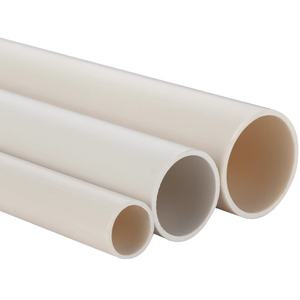
Pipe Rigid Schedule 40 UPVC Water Supply Drainage
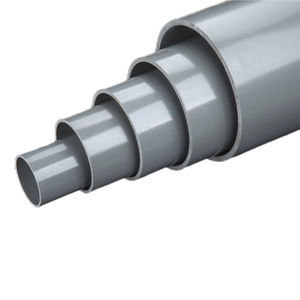
Ọkụ mmiri PVC Maka ala ubi U-PVC Pipe
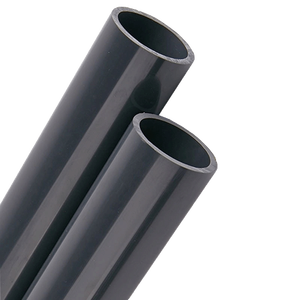
PVC Water Pipes for Farmland Irrigation U-PVC Pipe