LUOYANG CAME ENERGY TECH CO.,LTD

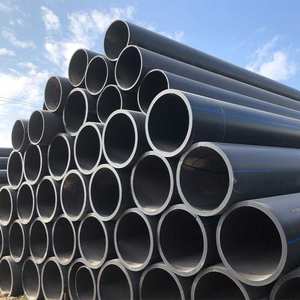
Hot Rolled Seamless Steel Pipe for Oil and Natural Gas and Other Fields of Transportation Pipelines
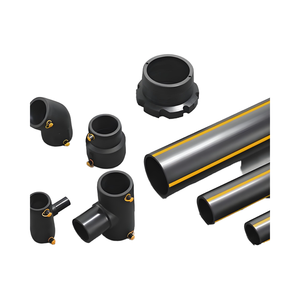
PARAMETER VOKATRA
Description
Overview of Hot Rolled Seamless Steel Pipe for Oil and Natural Gas and Other Fields of Transportation Pipelines
Hot Rolled Seamless Steel Pipe for Oil and Natural Gas and Other Fields of Transportation Pipelines is designed for efficient and secure gas transportation in residential, Commercial, ary fampiharana indostrialy. Vita amin'ny fitaovana mateza toy ny vy karbaona, inôksa, na PE polyethylene, ny fantsona entona dia miantoka ny fahombiazan'ny leak-proof sy ny fahatokisana maharitra. Na ho an'ny entona voajanahary, propane, na entona solika hafa, ny vokatra dia mahafeno ny fenitry ny indostria henjana ho fiarovana sy fahombiazana.;
Features of Hot Rolled Seamless Steel Pipe for Oil and Natural Gas and Other Fields of Transportation Pipelines
Corrosion-Resistant - Namboarina mba hahatohitra ny tontolo henjana sy hisorohana ny fivoahana.
Fandeferana amin'ny tsindry avo sy ny mari-pana - Mety amin'ny rafitra fitsinjarana entona.
Pipes PE maivana sy malefaka - Mora apetraka miaraka amin'ny faharetana tsara.
Leak-Proof Joints - Fandrefesana tsara sy kofehy ho an'ny fifandraisana azo antoka.
Mifanaraka amin'ny fenitry ny fiarovana - Nohamarinina ho an'ny fampiharana azo itokisana amin'ny fampiharana entona.

(Hot Rolled Seamless Steel Pipe for Oil and Natural Gas and Other Fields of Transportation Pipelines)
Specifications of Hot Rolled Seamless Steel Pipe for Oil and Natural Gas and Other Fields of Transportation Pipelines
Hot rolled seamless steel pipe is essential for transporting oil and natural gas. These pipes reliably move fluids under high pressure. They are made by piercing a solid steel billet. The steel is heated and rolled. This process creates a pipe without any welded seam. The lack of a weld seam is critical. It makes the pipe stronger and more leak-proof. This strength is vital for high-pressure pipelines.
These pipes meet strict international standards. Key standards include API 5L and ASTM A106. API 5L covers line pipe for oil and gas transmission. ASTM A106 covers seamless carbon steel pipe for high-temperature service. Pipes follow grades like B, X42, X52, X60, X65, X70, and higher. The grade indicates the minimum yield strength. Higher grades offer greater strength.
Pipe dimensions vary widely. Common outside diameters range from 1/2 inch to 24 inches or larger. Wall thicknesses are also diverse. Thicker walls handle higher pressures. Manufacturers produce pipes in specific schedules. fandaharam-potoana 40, 80, SY 160 are common. Each schedule has defined wall thicknesses. The pipe length is usually random, between 6 meters and 12.5 metatra. Longer lengths are possible.
The steel itself has specific properties. Yield strength and tensile strength are crucial. Yield strength is the stress point where permanent deformation starts. Tensile strength is the maximum stress the pipe can handle before breaking. Elongation measures ductility. It shows how much the pipe can stretch before fracturing. Hardness testing ensures the pipe surface is tough enough. Impact testing confirms performance in cold temperatures.
Chemical composition is tightly controlled. Elements like carbon, manganese, silicon, phosphorus, and sulfur have strict limits. Chromium, molybdenum, nickel, VARAHINA, vanadium, and other elements may be added. These elements enhance strength, toughness, and weldability. Controlling chemistry ensures consistent performance.
Quality control is rigorous. Every pipe undergoes hydrostatic testing. This test checks for leaks under high water pressure. Non-destructive testing like ultrasonic or electromagnetic inspection finds hidden flaws. Dimensional checks confirm correct size. Visual inspection looks for surface defects. Mill test certificates provide proof of compliance. These certificates list all test results and chemical analysis.

(Hot Rolled Seamless Steel Pipe for Oil and Natural Gas and Other Fields of Transportation Pipelines)
Applications of Hot Rolled Seamless Steel Pipe for Oil and Natural Gas and Other Fields of Transportation Pipelines
Hot rolled seamless steel pipes are vital for moving oil and natural gas over long distances. Their seamless nature means no welded seams running down the pipe. This makes them much stronger. They handle extreme pressure deep underground or underwater. Oil and gas pipelines face tough conditions. These pipes resist cracking better than welded types. That’s crucial for safety and preventing leaks. The smooth inside surface helps oil and gas flow easily. This reduces friction loss during transport. It saves energy pumping the fluids. These pipes also fight rust well. Oil and gas can be corrosive. Good corrosion protection extends the pipeline’s life. This lowers maintenance costs over time.
Beyond oil and gas, hot rolled seamless pipes serve other critical transport jobs. They carry steam efficiently in power plants. High heat and pressure demand reliable pipes. Chemical plants rely on them too. They safely move aggressive chemicals needing strong, leak-proof containment. Water treatment facilities use these pipes. They transport large volumes of clean water or manage wastewater flows. Their strength and durability are key here. Construction projects use them for structural supports. They form sturdy frameworks in buildings and bridges. The manufacturing sector needs them for machinery. They transport fluids like hydraulic oil under high pressure inside factory equipment. City heating systems depend on these pipes. They distribute hot water or steam to homes and businesses reliably.
Fonosana sy fandefasana
Miankina amin'ny vokatra sy ny qty,Afaka manao ny fonosana amin'ny coiling izahay,fitehirizan-taratasy,fonosana fonosana,vata na boaty,sns.
fandefasana:An-dranomasina,lalamby,amin'ny rivotra na araka ny fangatahan'ny mpanjifa.
Piraofilin'ny orinasa
Ny sandan'ny anjara Luoyang Datang Energy Tech Co., Ltd. dia mpanamboatra sinoa malaza manampahaizana manokana amin'ny fantsona plastika avo lenta sy fitaovana. Namboarina amin'ny tsipika famokarana mandeha ho azy manara-penitra ary tohanan'ny ekipan'ny 200 matihanina, manolotra andalana vokatra be dia be ahitana ny over 150 karazana fantsona plastika sy fitaovana natao ho an'ny famatsian-drano sy ny rafitra drainage, fandefasana entona, ary rafitra fanamainana gorodona. Ny vokatra lehibe indrindra dia ny PVC Pipes sy Fittings, PE (HDPE) Pipe sy Fittings, PPR Pipes sy Fittings, ary PEX Floor Heating Pipes.
Raha manana fanontaniana momba ny Fitting Pipe HDPE ianao, aza misalasala mifandray aminay!
Tel.:0086-183 3790 0677
Wechat: 0086-183 3790 0677
WhatsApp: 0086-183 3790 0677
mailaka: sales@pipesandfittings.net
Fepetra fandoavam-bola
T/T,L/C amin'ny fahitana,Western Union & Paypal,sns.
5 FAQs of Hot Rolled Seamless Steel Pipe for Oil and Natural Gas and Other Fields of Transportation Pipelines
Hot Rolled Seamless Steel Pipes are vital for oil, natural gas, and other pipeline systems. People often ask these questions. What exactly is a hot rolled seamless steel pipe? It’s a pipe made from solid steel without any welding seams. Manufacturers heat a steel billet until it’s soft. Then they pierce it and roll it into a hollow tube shape. This method ensures the pipe has no weak joints.
Why choose these pipes for oil and gas transport? They handle high pressure very well. Seamless pipes won’t split at welded seams. That makes them safer for carrying flammable materials over long distances. They resist leaks better than welded pipes.
What are the main benefits? These pipes are extremely strong. They cope with extreme temperatures underground or underwater. They last longer in harsh conditions like deserts or offshore sites. Maintenance costs drop because they don’t fail easily.
How do you make hot rolled seamless pipes? Start with a solid steel cylinder called a billet. Heat the billet to over 2,000 degrees Fahrenheit. Force a hole through its center to create a hollow shell. Stretch and shape the shell using rollers. Cool the pipe slowly to lock in its toughness.
What standards apply? Common ones are API 5L for oil and gas lines. ASTM A106 covers high-temperature service pipes. ASTM A53 is for general use. These rules check the pipe’s strength, Size, and safety. Factories test every batch to meet these requirements.

(Hot Rolled Seamless Steel Pipe for Oil and Natural Gas and Other Fields of Transportation Pipelines)
MANGATAKA TENY
VOKATRA Mifandray
ERW Steel Welded 1mm Round Hollow Pipe 2 Inch Galvanized Pipe Steel Tube Hot Dipped Galvanized Gi Pipe For Greenhouse
Factory Hot Dip Gi Seamless Galvanized Pipe Sch 40 Erw Gi Iron Tube Welded Gi Steel Pipe/Tube For Construction

Hot Dipped Q235 20# Galvanized Seamless Welded Round Square Rectangular GI Galvanized Steel Pipe
Competitive s Astm A106 Grade B Hot Rolled Steel Tube Carbon Seamless Steel Pipe Welded Steel Pipes

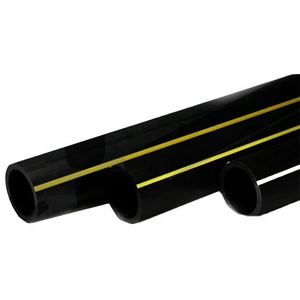
Plastic PE Plyethylene HDPE Buried Gas Pipe for Gas Supply