


LUOYANG HAERE ENERGY TECH CO.,LTD

Manual Tube Pipe Bender
NGA TAATA HUA
Whakaahuatanga
;Overview of Manual Tube Pipe Bender
Ko te Utauta Paipa he otinga whaihua me te ratarata-kaiwhakamahi i hangaia hei whakangawari i te kowhiringa paipa, rahinga, me te whakaurunga mo nga tohunga ngaio me nga kaingākau DIY. Ahakoa kei te mahi koe i te paipa, HVAC, pūnaha ahumahi, kaupapa irrigation ranei, Ko te Pipe Tool e whakarato ana i nga rauemi tino nui hei whakarite i te tika, whai huatanga, me te whai hua o te utu mo o hiahia paipa.
Features of Manual Tube Pipe Bender
Tatau Rahi Paipa – Kia tere te whakatau i nga rahinga paipa tika i runga i te reiti rere, pehanga, me nga whakaritenga rauemi.
Aratohu Hototahi Rauemi - Whakatauritehia nga momo momo paipa (PVC, parahi, maitai, PEX, etc.) ki te whiriwhiri i te whiringa pai mo to tono.
Te pehanga & Te Whakatau Rere Rere – Tatauhia nga heke pehanga tino pai me nga reiti rere kia mau tonu te pai o te punaha.
Tohutohu Tāuta & Nga Mahi Pai - Whakauruhia nga aratohu taahiraa-i-taahiraa mo te tapahi, hono, me te pupuri paipa.
Utauta Hurihuri - He ngawari te huri i waenga i nga momo inenga rereke (metric/imperial) mo te whakamahere kaupapa ngawari.
Te Whakatau Utu Kaupapa – Tikina nga whakatau tata utu i runga i te momo paipa, roa, me nga taputapu.

(Manual Tube Pipe Bender)
Specifications of Manual Tube Pipe Bender
This manual tube pipe bender handles tough jobs. It works with steel, kowiri tira, aluminum, and copper tubing. You need the right size die for your pipe. Dies fit pipes from 3/16 inch up to 1 inch diameter. Wall thickness matters too. Check the tool’s specs match your pipe thickness. This avoids kinking or damage.
The tool makes precise bends. You get exact angles every time. Common bends are 45 degrees, 90 degrees, even 180 degrees. The bend radius depends on the die you pick. Different dies offer different curve tightness. Pick the radius die that fits your project needs.
The frame is strong cast iron or solid steel. It won’t bend or break under pressure. A long leverage handle gives you power. You don’t need huge muscles. The handle lets you bend thick pipe smoothly. It locks the pipe securely. This prevents slipping during the bend.
Dies are hardened steel. They last a long time. Replaceable parts mean the tool works for years. It comes with several common die sizes. You can buy extra dies for other pipe sizes. The whole unit is compact. You can carry it to the job site easily. It doesn’t need electricity. Use it anywhere. Some models include a foot pedal for extra stability. Others have clear angle guides on the frame. Look for these features. They make bending simpler. Keep the tool clean and lightly oiled. This ensures smooth operation.

(Manual Tube Pipe Bender)
Applications of Manual Tube Pipe Bender
Manual tube pipe benders are essential tools for shaping metal tubing and pipe. They are simple to use and highly portable. You don’t need electricity. This makes them perfect for many jobs. Mechanics often use them in workshops. They create custom fuel lines or brake lines for cars and trucks. This saves money. You avoid buying expensive pre-bent parts. Plumbers rely on these benders too. They shape copper tubing for water lines behind walls or under sinks. Getting tight bends right is crucial here. HVAC technicians use them constantly. They form copper refrigerant lines or aluminum ductwork on-site. This allows quick adjustments during installation. Emergency repairs benefit greatly. A broken hydraulic line on a machine can stop work. A manual bender lets you make a new line immediately. You get things running fast. Farmers and equipment operators use them for similar fixes. Broken hydraulic lines on tractors are common. A manual bender provides a quick solution. DIY enthusiasts find them invaluable. Projects like custom roll cages for off-road vehicles need precise bends. Building motorcycle frames or bicycle racks also requires them. Custom furniture makers use them too. Creating unique metal frames for chairs or tables is easier. You can achieve the exact curve you envision. Maintenance teams in factories keep these benders handy. Replacing worn-out hydraulic lines on machinery is routine. Making a new line on the spot saves significant downtime. The process involves physical effort. You use muscle to pull the handle. You position the tube carefully in the dies. You bend it slowly to the desired angle. Practice helps avoid kinks. You learn how different materials behave. Steel is harder than aluminum. Copper bends more easily. Getting the bend right takes some trial and error. Eyeballing the angle is common. You check it against a template or measure it directly. Mistakes happen. You might over-bend or under-bend a piece. You learn to compensate next time. Manual benders are affordable. They are a solid investment for anyone regularly working with tubing. They offer control and flexibility pre-made parts lack. You create exactly what you need. You aren’t limited by standard shapes. The work demands patience and skill. You feel the metal give way. You see the shape form under your hands. It’s hands-on craftsmanship. The results are custom, functional parts made right where you need them.
Tarapu me te Tukunga
Ka whakawhirinaki ki nga hua me te maha,ka taea e tatou te hanga i te tarapi o te whiri,pukapuka,takai paihere,pouaka pouaka ranei,etc.
Tukunga:Ma te moana,tereina,ma te hau, ma te tono ranei a te kaihoko.
Kōtaha Kamupene
Luoyang Datang Energy Tech Co., Ltd. Ko te kaihanga Hainamana rangatira e tohunga ana ki nga paipa kirihou kounga teitei me nga taputapu. Kua rite ki nga raina whakaputa aunoa hou me te tautoko e te roopu o 200 ngaio, ka tukuna e matou he raina hua nui kei roto 150 nga momo paipa kirihou me nga taputapu i hangaia mo te tuku wai me nga puna wai, tuku hau, me nga punaha whakamahana papa. Ko o maatau hua matua ko nga Paipa PVC me nga taputapu, PE (HDPE) Nga paipa me nga taputapu, Paipa PPR me nga taputapu, me nga Paipa Whakawera Papa PEX.
Mena kei a koe etahi patai mo te Paipa Paipa HDPE, kaua koe e mangere ki te whakapā mai!
Waea:0086-183 3790 0677
Wechat: 0086-183 3790 0677
Whatsapp: 0086-183 3790 0677
Īmēra: sales@pipesandfittings.net
Nga tikanga utu
T/T,L/C i te tirohanga,Western Union & Paypal,etc.
5 FAQs of Manual Tube Pipe Bender
This manual tube bender shapes metal tubes and pipes for projects. People often ask these questions:
What materials can it bend? It bends soft metals. Common choices are aluminum, parahi, and mild steel. Harder metals like stainless steel need special tools. Check the bender’s rating first.
How thick of tube can it handle? The maximum wall thickness depends on the tube diameter and the bender’s strength. Bending thick-walled tube requires more force. Exceeding the limit risks damaging the tool. Always consult the manufacturer’s chart for your specific tube size.
How do I prevent kinks or flattening? Use the right die size for your tube’s outside diameter. Fill the tube with sand before bending. This supports the wall. Bend slowly and steadily. Avoid forcing it too fast.
How accurate are the bends? Accuracy relies on the operator. Manual benders need careful measuring and marking. Use a protractor or angle finder. Practice on scrap pieces first. Expect minor variations. Complex bends need more skill.
Does it need maintenance? Ae. Keep it clean. Wipe off metal dust and dirt after each use. Lubricate the pivot points and threads regularly. Check for loose bolts or pins. Store it in a dry place. This prevents rust and keeps it working smoothly.

(Manual Tube Pipe Bender)
TONO HE KORERO
HUA HUA
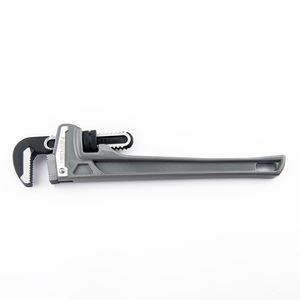
Set of pipe expanders air conditioning copper pipe expanders, electric drill pipe expanders
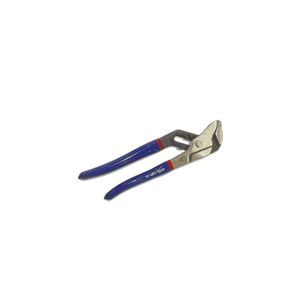
Strut Clamps Pipe Clamp Conduit Clamp Set Strut Channel Pipe Set Fitting Adjustable Pipe Bracket
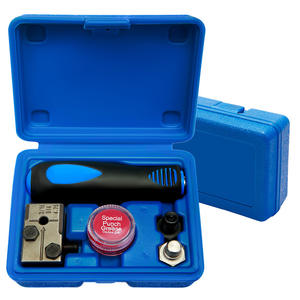
Pipa Whakawera Papa Pipa Utauta Paipa Hydraulic Pipe Crimper mo PEX Konumohe Kiriata Tube
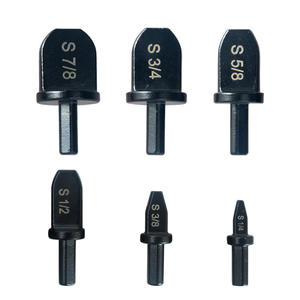
Manual Standard Hydraulic Pipe Crimping Tool with Jaw Pipe Press Crimper

Professional Brushless Cordless Pex Expansion Tool for Expanding Pex Pipe
