LUOYANG HAERE ENERGY TECH CO.,LTD


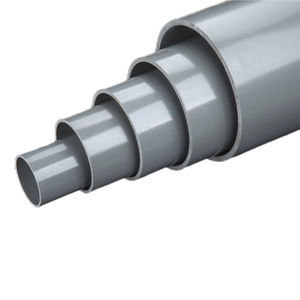
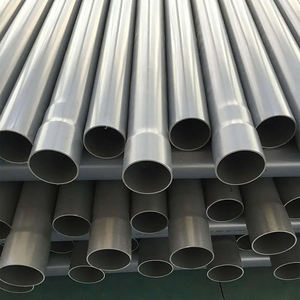
PVC Conduit PVC Pipe Underground Drain Pipe
NGA TAATA HUA
Whakaahuatanga
;;Introduction of PVC Conduit PVC Pipe Underground Drain Pipe
Polyvinyl chloride (PVC) He roa te paipa, ngawari, me te otinga paipa paipa utu e whakamahia nuitia ana i roto i te ahumahi, ahuwhenua, hangahanga, me nga tono paipa. He mea hanga mai i te papanga polyvinyl chloride kounga teitei, Ko nga putorino PVC he pai te aukati i te waikura, nga pakitara o roto maeneene mo te rere pai o te wai, me te pono mo te wa roa i roto i nga momo taiao.
Key Features of PVC Conduit PVC Pipe Underground Drain Pipe
Te waikura & Ātete matū
He ātete ki te waikura, matū, me nga matū waikawa/waikawa, kia pai ai mo nga mahi ahumahi me te wai para.
Maamaa & Tāutatanga ngawari
Ko te hoahoa mama ka whakaiti i nga utu kawe me nga utu mahi, i nga tikanga whakauru ngawari (e.g., whakarewa whakarewa, miro) whakarite kia tere te whakaurunga.
Mata o roto Maeneene
Ka whakaiti i te mate waku, te whakapai ake i te pai o te rere me te whakaiti i te whakapau kaha i roto i nga punaha kawe wai.
Te Kaha Rawa & Te mauroa
Ka mau ki te pehanga teitei me te paanga, he pai mo nga whakaurunga i raro i te whenua me runga ake i te whenua.
Te Ora Mahi Roa
UV-ātete (ki te hangaia) me te kore e pa ki te makuku, te whakarite i nga tekau tau o te mahi tiaki iti.
Utu-Painga
He iti ake te utu o nga taonga me nga utu whakauru ki nga paipa whakarewa, te whakarato i tetahi huarahi ohanga.
Kore-Toxic & Haumaru
Kua whakamanahia mo te tuku wai inu (e waatea ana nga waihanga kore-arahi) me te whai i nga paerewa o te ao (e.g., NSF, ASTM).
Nga tono maha
Ka whakamahia ki te tuku wai, whakaheke wai, irrigation, ngongo hiko, me nga punaha tukatuka ahumahi.

(PVC Conduit PVC Pipe Underground Drain Pipe)
Specifications of PVC Conduit PVC Pipe Underground Drain Pipe
PVC channel pipe and PVC below ground drain pipe manage buried electric and water flow requirements. They are tough plastic tubes. PVC represents polyvinyl chloride. This material stands up to corrosion and chemicals well. It’s an excellent selection underground. You won’t need to replace it usually.
These pipes come in several sizes. Typical sizes are 20mm, 25mm, 32mm, 40mm, 50mm, 63mm, 75mm, 90mm, 110mm, and 160mm. Wall thickness varies also. Thicker walls handle more pressure. Typical stress scores are PN6, PN8, PN10, PN12.5, and PN16. PN6 deals with much less pressure. PN16 takes care of extra. Choose the appropriate pressure rating for your task.
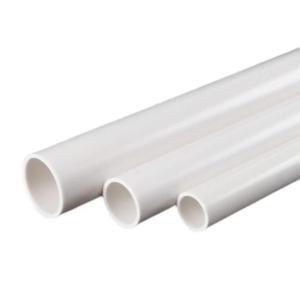
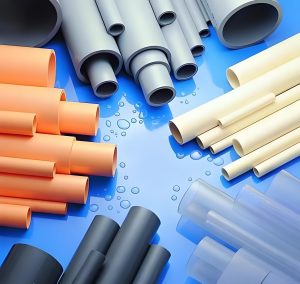
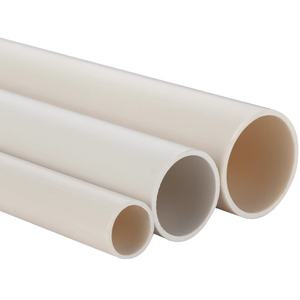
The pipelines are normally grey or white. Grey is common for electric channel. White or orange is common for drainage. They are light. This makes them easy to relocate and install. You attach pieces utilizing solvent concrete. This glue makes an irreversible, watertight seal. Rubber ring seals help some drain pipelines as well. Both methods keep water or dirt out.
These pipes last a long time underground. They don’t rot. They do not wear away. They resist many chemicals located in dirt. Smooth internal walls assist water circulation quickly. This stops blockages. Origins locate it difficult to become them. They manage temperature adjustments. Basic pipes work from -5 ° C to 60 ° C. Special blends work in colder areas. Don’t use common PVC pipe in direct sunlight. Sunshine damages it over time. Usage special UV-resistant pipe above ground. Buried pipeline is safe from sun damages.
Ko te utunga he mea uaua. Dig a trench. Lay the pipeline on a steady bed. Connect the areas safely. Cover it with dirt. The pipe is strong. It handles the weight of the soil above. It also deals with web traffic loads when hidden deep enough. Using PVC saves money long term. It requires little upkeep. It’s reliable for electric lines and relocating wastewater away.

(PVC Conduit PVC Pipe Underground Drain Pipe)
Applications of PVC Conduit PVC Pipe Underground Drain Pipe
PVC conduit secures electrical cords. Contractors mount it below ground. It shields electrical wiring from water and dust damage. PVC conduit works over ground also. It leaves walls or inside structures. This product does not corrosion. It lasts a long period of time outside. PVC bends conveniently. This aids workers mount it around corners. Electrical contractors use it for homes and large buildings. It keeps cables safe and arranged. PVC pipeline lugs water. Plumbers use it inside houses. It attaches sinks, commodes, showers. This pipe deals with cool and hot water well. It does not wear away like metal pipelines. PVC pipeline stays smooth inside. Water streams easily without clogs. Home builders also utilize it for sprinkler systems. It’s lightweight and cuts merely. Underground drain pipeline moves water away. It handles rainwater and wastewater. People bury it under driveways and lawns. This pipeline avoids flooding and soaked ground. PVC drain pipe is extremely solid. It holds up under hefty soil. Roots have trouble breaking into it. Employees attach areas easily. This saves time on large jobs. Farmers use it for area water drainage. Cities use it under roads. PVC deals with chemicals in wastewater. It will not break down swiftly.
Tarapu me te Tukunga
Ka whakawhirinaki ki nga hua me te maha,ka taea e tatou te hanga i te tarapi o te whiri,pukapuka,takai paihere,pouaka pouaka ranei,etc.
Tukunga:Ma te moana,tereina,ma te hau, ma te tono ranei a te kaihoko.
Kōtaha Kamupene
Luoyang Datang Energy Tech Co., Ltd. Ko te kaihanga Hainamana rangatira e tohunga ana ki nga paipa kirihou kounga teitei me nga taputapu. Kua rite ki nga raina whakaputa aunoa hou me te tautoko e te roopu o 200 ngaio, ka tukuna e matou he raina hua nui kei roto 150 nga momo paipa kirihou me nga taputapu i hangaia mo te tuku wai me nga puna wai, tuku hau, me nga punaha whakamahana papa. Ko o maatau hua matua ko nga Paipa PVC me nga taputapu, PE (HDPE) Nga paipa me nga taputapu, Paipa PPR me nga taputapu, me nga Paipa Whakawera Papa PEX.
Mena kei a koe etahi patai mo te Paipa Paipa HDPE, kaua koe e mangere ki te whakapā mai!
Waea:0086-183 3790 0677
Wechat: 0086-183 3790 0677
Whatsapp: 0086-183 3790 0677
Īmēra: sales@pipesandfittings.net
Nga tikanga utu
T/T,L/C i te tirohanga,Western Union & Paypal,etc.
5 FAQs of PVC Conduit PVC Pipe Underground Drain Pipe
PVC Conduit & Drain Pipe FAQs
People often ask about using PVC pipes underground. Here are answers to common questions.
How deep should I bury PVC pipe?
Depth matters for protection. Check local building codes first. They give the required depth. Usually, it’s at least 18 inches under driveways. For general areas, 12 inches is common. Deeper burial protects the pipe from heavy loads and freezing.
Can PVC handle freezing temperatures underground?
PVC is tough but water inside can freeze. Frozen water expands. This expansion can crack the pipe. Prevent this. Make sure water drains completely. Slope the pipe correctly during installation. This avoids water pooling and freezing damage.
What size PVC pipe do I need for drainage?
Size depends on water volume. Bigger pipes handle more flow. Think about the area draining into the pipe. A small yard needs smaller pipe. A large roof needs bigger pipe. Standard sizes are 1.5 inihi, 2 inihi, 3 inihi, a 4 inihi. Choose based on expected water flow.
Will chemicals in the soil harm PVC pipe?
PVC resists many chemicals well. It doesn’t rust like metal. It handles most soil types fine. Be careful with specific strong solvents. These might damage the plastic. Check the pipe’s chemical resistance rating. This tells you what it can handle safely.
Why pick PVC over metal pipe underground?
PVC offers good advantages. It costs less than metal pipes. It’s lighter and easier to cut. You don’t need special tools. PVC won’t rust or corrode. It lasts a long time underground. Metal pipes rust and weaken over time. PVC is a reliable, economical choice.

(PVC Conduit PVC Pipe Underground Drain Pipe)
TONO HE KORERO
HUA HUA
UPVC PLASTIC WATER SUPPLY PIPE
High Quality Environmental protection UPVC Pipes
PVC-U Gray Water Supply Pipe High Pressure Material For Irrigation And Drainage
PVC Pipes and Fittings For Water-Saving Agricultural Irrigation System
Plastic Virgin Raw Material Polyvinyl Chloride Pipe Grade PVC Resin