LUOYANG SAU ENERGY TECH CO.,LTD

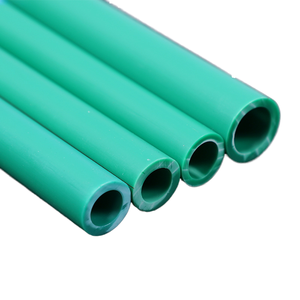
Extruding Grade Polypropylene Random Copolymer Palasitika PPR Malosi Maualuga PP Paipa
FA'AVAE FA'AVAE
Fa'amatalaga
Folasaga oExtruding Grade Polypropylene Random Copolymer Palasitika PPR Malosi Maualuga PP Paipa
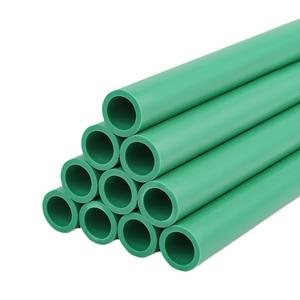
PPR paipa (igoa atoa Polypropylene Random Copolymer Pipe, o se paipa palasitika maualuga-faatinoga e faia i le tulaga maualuga random copolymer polypropylene mea mata. Ona o le maualuga o le vevela, tetee malosi, puipuiga o le siosiomaga ma le le afaina, e fa'aaogaina lautele i le fausiaina o vai vevela ma vai malulu, HVAC inisinia, felauaiga o vai inu ma felauaiga o le suavai i fale gaosimea, ma o se mea lelei e suitulaga i paipa u'amea masani.
Characteristics and Features of Extruding Grade Polypropylene Random Copolymer Plastic PPR High Strength PP Pipe
O le maualuga o le vevela ma le maualuga o le mamafa
O le vevela galue umi e mafai ona oʻo i le 70°C, taimi pupuu maualuga maualuga teteʻe i le 95°C, sili ona lelei le faatinoga o le mamafa (tulaga mamafa masani PN20, PN25).
Puipuiga o le siosiomaga ma le soifua maloloina
O mea mata e mama ma e le oona, ausia tulaga faatonuina o vai inu (pei ole FDA, EN ISO ma isi tusipasi), aua le fa'atupuina siama, ma faamautinoa le saogalemu o le lelei o le suavai.
A'a ma le fa'ameamea
Acid ma alkali tetee, malosi fa'a'ele'ele kemikolo, puipui i totonu lamolemole, e le faigofie ona fua, fa'aoga umi ole tafega mautu.
Feso'ota'iga liusua vevela, faamaufaailoga malosi
Fa'aaogaina tekinolosi socket fa'afefete, e leai se tulaga lamatia o le leakage i le sootaga, ma o le fausaga tu'ufa'atasi e fa'aleleia ai le fa'atuatuaina o faiga.
Mama ma faigofie ona fausia
Na'o le mamafa 1/8 o paipa uamea, lea e faigofie mo felauaiga ma faʻapipiʻi, faaitiitia tau o tagata faigaluega.
Ola umi ma le tausiga maualalo
O le soifua tautua fuafuaina e sili atu nai lo 50 tausaga, leai se tausiga, ma o le tau atoa e maualalo.
Fa'asao malosi ma le fa'asaoina o le vevela
E maualalo le conductivity vevela (na'o 1/200 o paipa uamea), lea e fa'aitiitia ai le vevela ma e talafeagai mo faiga vai vevela.

(Extruding Grade Polypropylene Random Copolymer Palasitika PPR Malosi Maualuga PP Paipa)
Specifications of Extruding Grade Polypropylene Random Copolymer Plastic PPR High Strength PP Pipe
Squeezing Out Quality Polypropylene Random Copolymer Plastic PPR supplies high performance for pipe systems. This material is developed for solid long lasting pipelines. PPR pipelines take care of pressure well. They stand up to cracks under stress. The copolymer structure enhances influence toughness. This makes pipes difficult in winter.
Secret specifications focus on extrusion high quality. Melt flow rate is crucial. It varies between 0.3 ia 0.5 g/10 min. This makes sure smooth processing throughout production. Density remains around 0.9 g/cm THREE. It keeps pipes light-weight however solid. Thermal stability is excellent. Pipes endure continuous temperature levels approximately 95 ° C. Short-term peaks reach 110 ° C securely.
Chemical resistance is a major advantage. PPR pipelines manage acids alkalis and salts. They do not corrode or weaken. This matches aggressive atmospheres. Hydrostatic pressure toughness is high. Pipelines keep stability for years. Expected life span surpasses 50 tausaga. They withstand scaling and down payments. Water remains tidy inside.
Standard pipeline sizes cover 20mm to 160mm. Wall surface thickness varies by stress class. Choices consist of PN10 PN16 and PN20. Shade coding helps recognition. Common selections are environment-friendly white or grey. Joints use warm fusion welding. This develops seamless leak-free links.
Qualifications follow ISO 15874 and DIN 8077/8078. Compliance guarantees reliability. Applications include hot and cold water systems. Industrial liquid transport uses them also. Compressed air lines take advantage of their toughness. Installations are faster than metal pipes. Upkeep needs are low.

(Extruding Grade Polypropylene Random Copolymer Palasitika PPR Malosi Maualuga PP Paipa)
Applications of Extruding Grade Polypropylene Random Copolymer Plastic PPR High Strength PP Pipe
PPR pipes make use of unique plastic called extruding quality polypropylene random copolymer. This product makes them extremely solid. These pipelines handle high pressure well. They stand up to heat efficiently. Individuals use them widely for relocating water and various other points.
Hot water systems in homes and large structures often utilize PPR pipes. The plastic manages warm water temperatures securely. Cold water supply lines also use PPR pipes. They function accurately for many years. Piping last a very long time without breaking down.
Heating unit require challenging pipes. PPR pipes function well in underfloor home heating setups. They bring the cozy water efficiently. Radiator links additionally utilize PPR pipelines. Warm doesn’t harm them conveniently. The pipelines stay strong.
Manufacturing facilities move numerous fluids. PPR pipelines lug chemicals securely. The plastic resists rust from numerous chemicals. This keeps the liquids pure. Pressed air lines in workshops utilize PPR pipes. Air flows efficiently without leaks. The pipes handle the stress.
Food and drink manufacturing facilities need tidy pipes. PPR pipelines fulfill this demand. They transfer fluids like milk or juice safely. The material doesn’t include bad tastes. It meets food safety guidelines. Farms utilize PPR pipelines for watering. Water moves to crops accurately. Sunshine doesn’t damage the pipelines much.
PPR pipelines attach conveniently. Workers fuse pipeline ends along with heat. This makes an irreversible, watertight joint. No added glues or seals are needed. The connections remain protected. Installment is fairly fast. This conserves money and time. Maintenance prices remain reduced later on.
afifiina ma uta
Faʻalagolago i oloa ma le tele,e mafai ona matou faia le afifiina o vili,ta'avale,afifiina o fusi,pusa po'o pusa,ma isi.
utaina:I le sami,nofoaafi,i le ea poʻo le manaʻoga a le tagata faʻatau.
Fa'amatalaga a le Kamupani
Luoyang Datang Energy Tech Co., Ltd. ose ta'uta'ua Saina gaosi oloa fa'apitoa i paipa palasitika maualuluga ma mea fa'apipi'i. Fa'aauupegaina i laina otometi fa'aonaponei fa'aonaponei ma lagolagoina e se 'au o 200 polofesa, matou te ofoina atu se laina oloa tele e aofia ai luga 150 ituaiga o paipa palasitika ma mea fa'apipi'i ua fuafuaina mo le sapalai o le vai ma alavai, felauaiga kesi, ma faiga faamafanafana fola. O a matou oloa autu e aofia ai PVC Pipes ma Fittings, PE (HDPE) Paipa ma Mea Fa'apipi'i, PPR paipa ma mea fa'apipi'i, ma le PEX Fa'avela Fa'avela.
Afai ei ai ni au fa'amatalaga e uiga i le HDPE Pipe Fitting, faamolemole aua le faatuai e faafesootai i matou!
Tel.:0086-183 3790 0677
Wechat: 0086-183 3790 0677
Whatsapp: 0086-183 3790 0677
imeli: sales@pipesandfittings.net
Tulaga Totogi
T/T,L/C i le vaai,Western Union & Paypal,ma isi.
5 FAQs of Extruding Grade Polypropylene Random Copolymer Plastic PPR High Strength PP Pipe
O iinei 5 FAQs about Extruding Grade Polypropylene Random Copolymer Plastic PPR High Strength PP Pipe:
What is PPR pipe?
PPR pipe is a plastic pipe made from polypropylene random copolymer. This material gives high strength and heat resistance. Builders use it for water systems in houses and factories. It handles hot and cold water well.
Why choose PPR pipes over metal pipes?
PPR pipes resist rust and chemicals better than metal pipes. They don’t get mineral buildup inside. PPR pipes are lighter and cheaper too. They need less maintenance over time.
Can PPR pipes handle hot water?
Ioe. PPR pipes manage water up to 95°C safely. They stay strong under high heat. That makes them good for heaters and boilers. Normal plastic pipes might warp at these temperatures.
How do you join PPR pipes?
Use heat fusion. Heat the pipe end and fitting with a special tool. Then press them together. This creates a solid leak-proof joint. It’s faster than gluing or threading metal pipes.
E saogalemu paipa PPR mo vai inu?
Absolutely. The material has no toxins. It won’t change the water’s taste or color. PPR meets health standards globally. Many countries approve it for clean water projects.

(Extruding Grade Polypropylene Random Copolymer Palasitika PPR Malosi Maualuga PP Paipa)
TALOSAGA O SE FAI
O MEA E FAI AI
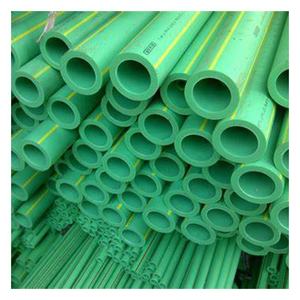
Dark Green PPR Plastic Tubes for Water Plumbing-Durable Stylish PP Plastic Pipe
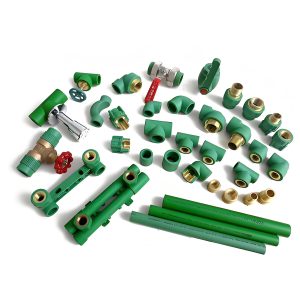
Paipa PPR sili ona lelei ma mea fa'apipi'i mo le fa'amalieina ole alamanuia
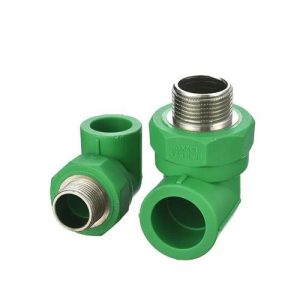
Comprehensive PPR Fittings Product Range Female&Male Socket
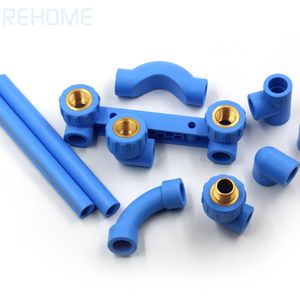
Polypropylene Random Copolymer PPR Pipes Hot Water and Fittings
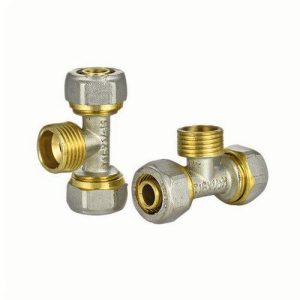
Advanced PPR Plumbing Components Precision Brass Fittings