


Hal qayb oo ka mid ah LUOYANG CAME ENERGY TECH CO., LTD

High-Temperature Resistant HDPE Gas Pipe
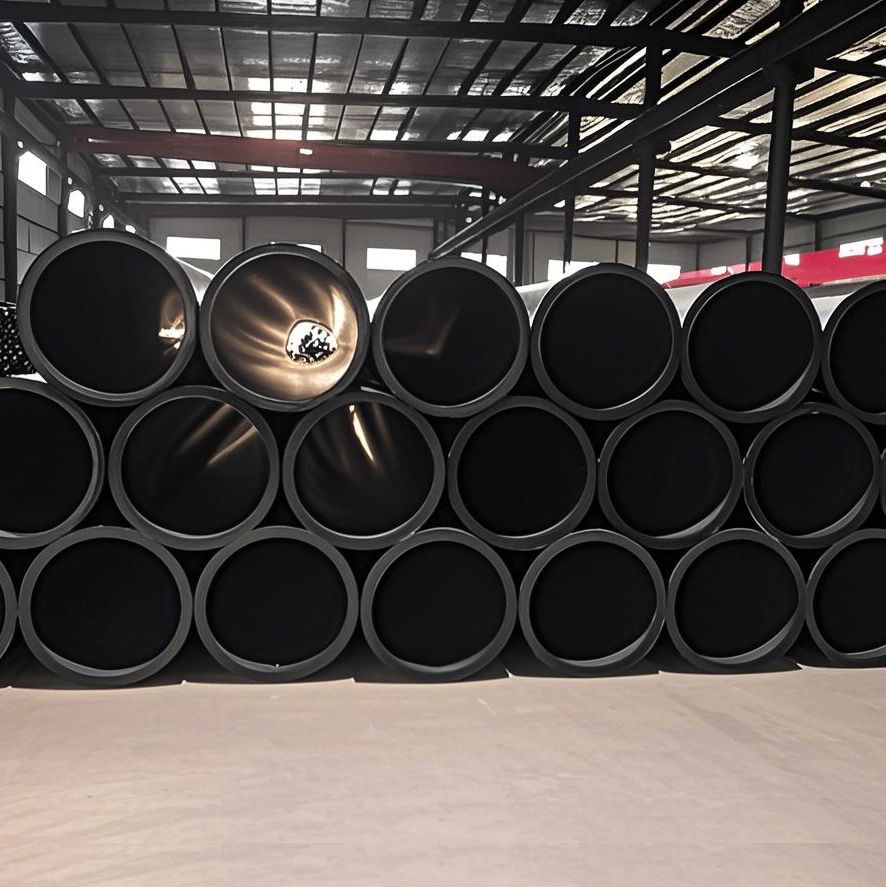
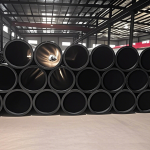
PARAMETERS ABUURKA
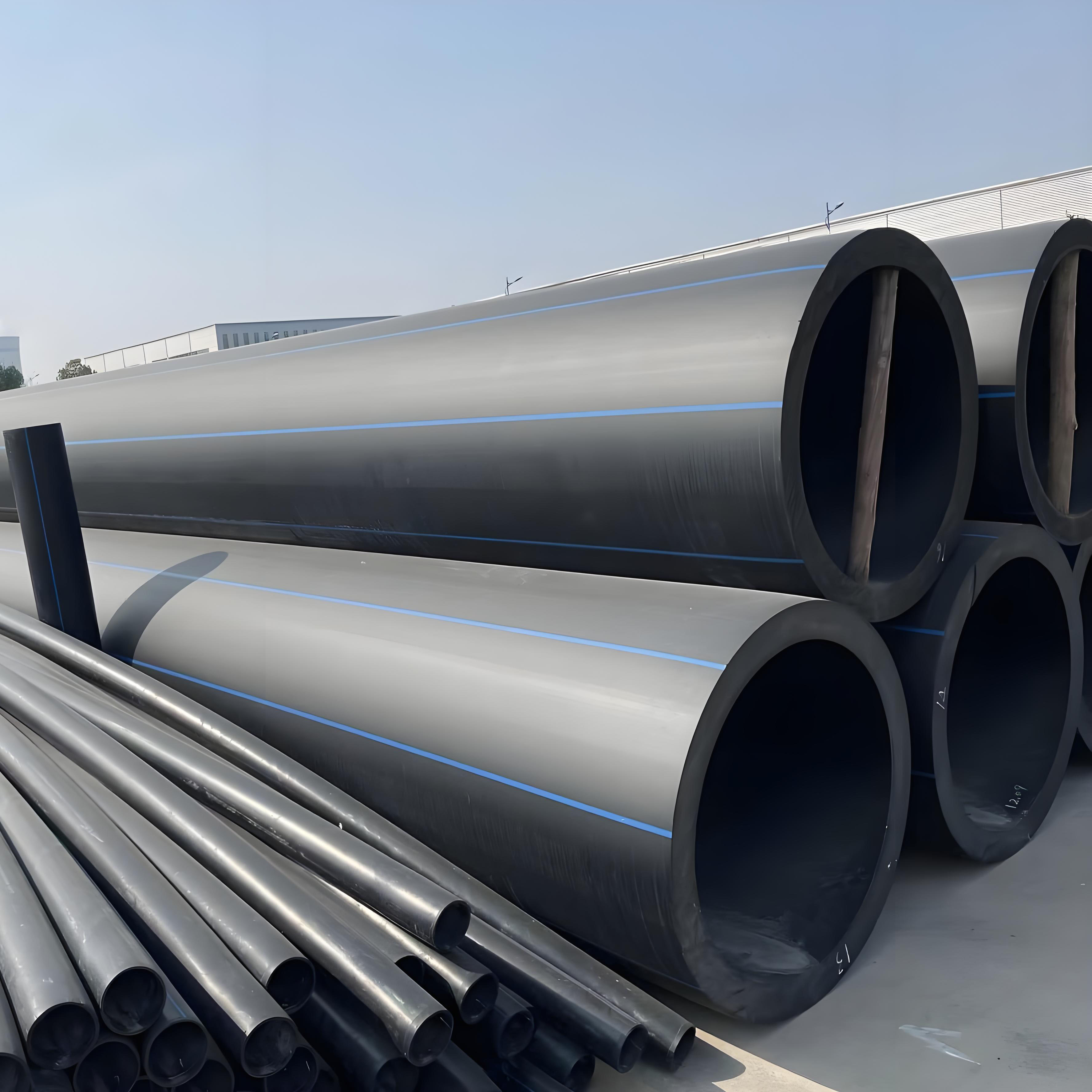
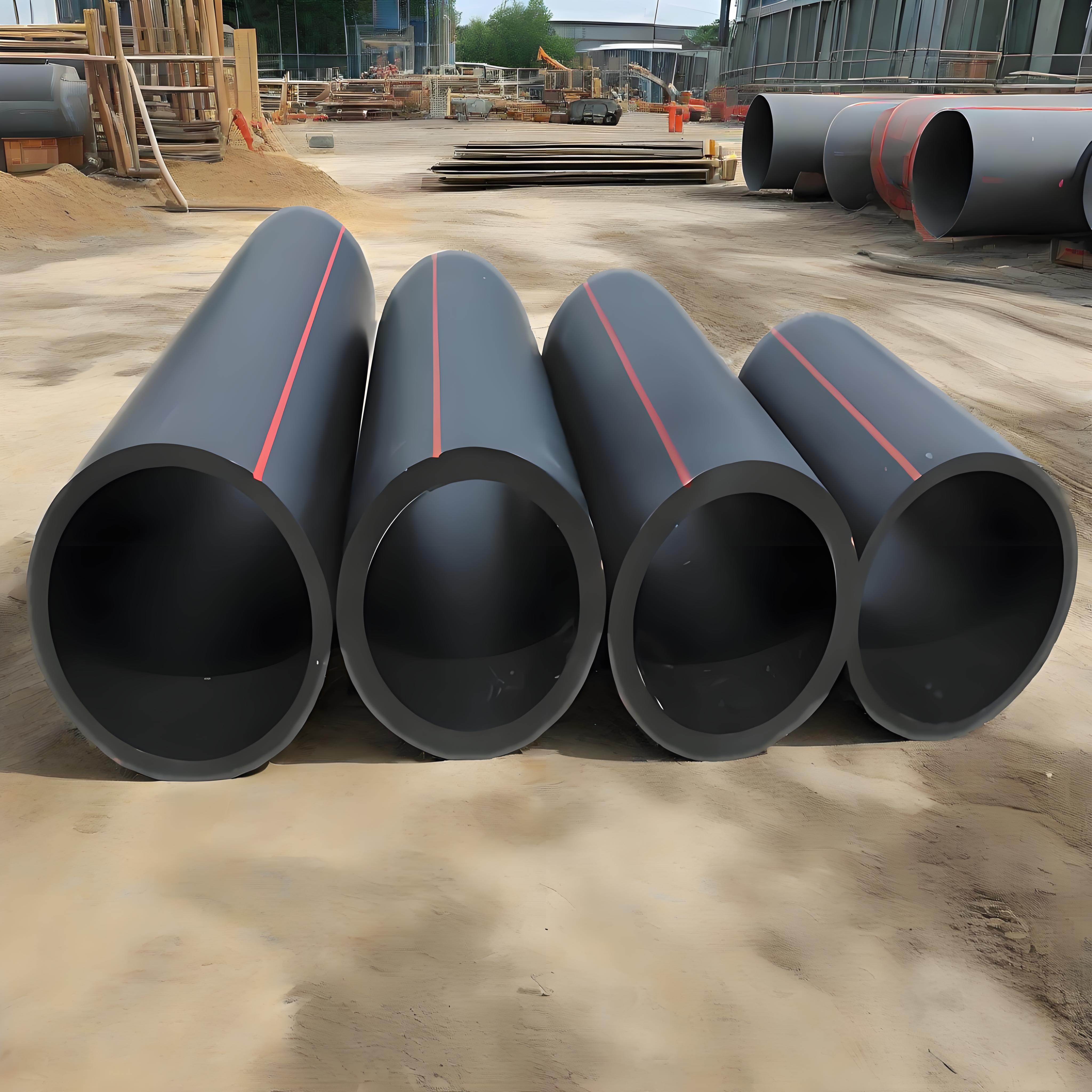
Polyethylene Gas Pipe (PE gas pipe, short for PE gas pipe) is a pipeline system made of high density polyethylene (HDPE) as raw materials through extrusion molding process, specially designed for the transportation of natural gas, liquefied petroleum gas (LPG) and other gas media. Compared with traditional metal pipes, PE gas pipe has become the preferred material in the field of global gas transportation due to its characteristics of light weight, iska caabin daxalka, strong impact resistance and long life.
Sharaxaada
Codso Xigasho
Sharaxaada
Hordhac ah HDPE Gas Pipe
Polyethylene Gas Pipe (PE gas pipe, short for PE gas pipe) is a pipeline system made of high density polyethylene (HDPE) or medium density polyethylene (MDPE) as raw materials through extrusion molding process, specially designed for the transportation of natural gas, liquefied petroleum gas (LPG) and other gas media. Compared with traditional metal pipes, PE gas pipe has become the preferred material in the field of global gas transportation due to its characteristics of light weight, iska caabin daxalka, strong impact resistance and long life.
Details of HDPE Gas Pipe
Iska caabbinta daxalka: PE material has natural resistance to chemical corrosion, electrochemical corrosion and soil microbial erosion, without additional anti-corrosion treatment.
Flexibility and shock resistance: The pipeline has high flexibility, which can adapt to external deformation such as terrain settlement or earthquake, and reduce the risk of leakage.
Long life service: the design life can reach more than 50 sanado, far more than the metal pipeline (usually 20-30 sanado).
Convenient construction: miisaan yar (kaliya 1/8 ee tuubada birta ah), support trenchless construction (such as directional drilling), greatly reduce installation costs.
Good sealing: using hot melt connection technology, the interface strength is consistent with the pipe body, and the potential gas leakage is eliminated.
Environmental safety: non-toxic and tasteless, in line with drinking water contact standards, iyo 100% dib loo warshadayn karo.
HDPE Gas Pipe technical indicators:
| Tilmaamayaal | Parameter requirements |
| Density (g/cm³) | ≥0.94 (HDPE) |
| Melting index (g/10min) | ≤0.5 (190 ° C, 5kg) |
| Awoodda hydrostatic ee muddada-dheer (MPa) | PE80:8.0 (20 ° C, 50 sanado)PE100: 10.0 (20 ° C, 50 sanado) |
| Elongation at break (%) | ≥350 |
| Resistance to environmental stress cracking (h) | ≥1000 (80℃, 4.6MPa) |
| Oxidation induction time (min) | ≥20 (200 ° C) |
Tilmaamaha HDPE Gas Pipe
1.Material grading
PE80: Medium density polyethylene, suitable for medium and low pressure gas transmission (≤0.4MPa).
PE100: Cufnaanta sare ee polyetylen, with higher strength and pressure resistance (up to 1.0MPa), suitable for high pressure long distance transportation.
2. Pipe size
| Dhexroor ka baxsan (mm) | Qiimaha SDR | Working pressure (MPa) | Wall thickness range (mm) |
| 20-63 | SDR11 | 0.4-0.6 | 2.3-5.8 |
| 75-180 | SDR17.6 | 0.2-0.4 | 4.3-10.3 |
| 200-630 | SDR11 | 0.8-1.0 | 18.2-57.2 |
Ogow: SDR (Standard Dimension Ratio) is the ratio of the outer diameter of the pipe to the wall thickness, and the smaller the value, the stronger the pressure resistance.
3. Standard length
Straight pipe: 6m, 12m (non-standard length can be customized).
Coil pipe: 50m-200m (suitable for small diameter pipe, easy to transport and construction).
4. Color identification
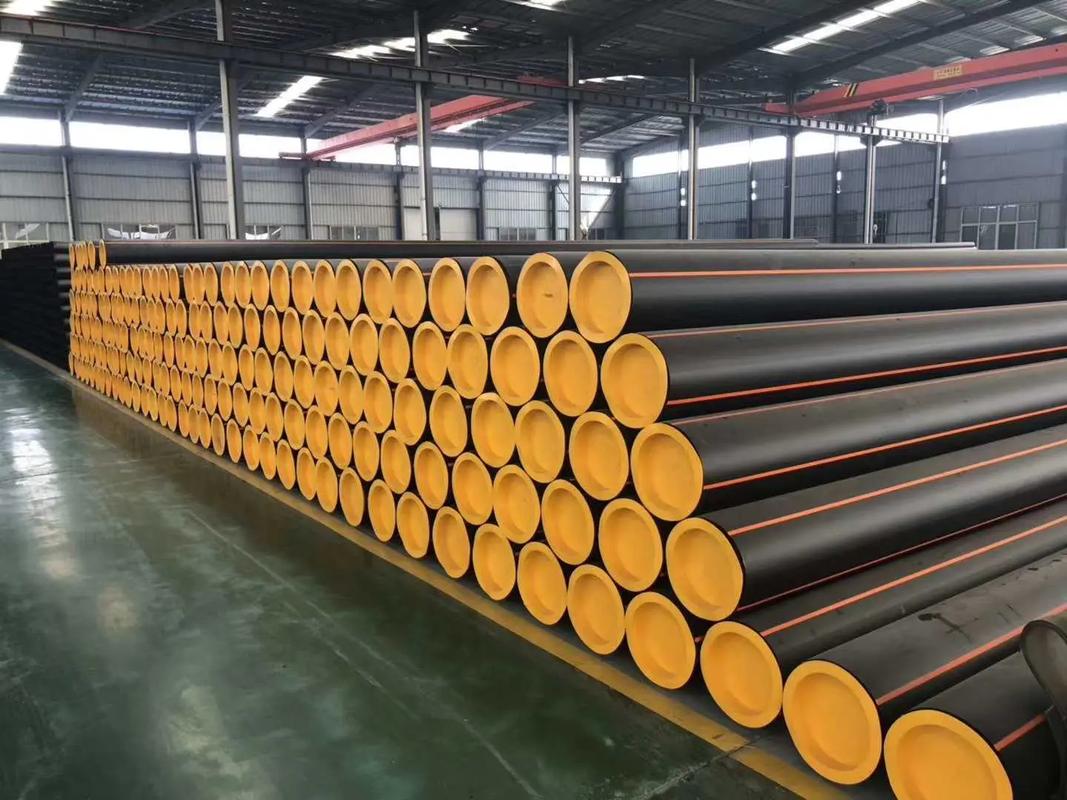
Black pipe body + yellow stripe: international common gas pipeline identification.
Other colors can be customized according to customer requirements (subject to local regulations).
5. International standard certification:
ISO 4437: International standard for buried polyethylene piping systems for gas applications.
EN 1555: European standard for polyethylene piping for gas transmission.
ASTM D2513: American Society for Materials and Testing Standard for Gas Piping.
GB 15558.1-2015: China’s National Standard for polyethylene pipes for Gas use.
Codsiyada HDPE Gas Pipe
1. Urban gas network
Municipal gas main lines and residential pipelines.
Gas supply system for industrial and commercial users.
2. Industrial gas transmission
Industrial gas distribution for chemical plants, xarumaha korontada, iwm.
LNG/LPG storage and distribution station connection pipeline.
3 Rural and remote areas
Distributed gas supply system.
Bio-gas engineering gas pipeline.
4. Special environment
Earthquake prone areas: Use flexibility to reduce the risk of fracture.
Highly corrosive soil: Longer service life instead of metal pipes.
Water crossing: low buoyancy, excellent water pressure resistance.
Baakad iyo rarid
Pipe dia. dn20-63mm be in coils with 100m/200m length
Pipe dia. Dn75-1200mm be packed in bars with 5.8m or 11.8m length
Raritaanka:Dhanka badda,jidka tareenka,hawo ama codsi ahaan macmiilka.
Xogta Shirkadda
Luoyang Datang Energy Tech Co.Ltd waxaa lagu aasaasay shirkadda 2015 oo ku yaala aagga horumarinta tignoolajiyada sare, Magaalada Luoyang, oo daboolaya dhul ballaaran oo leh tas-hiilaad casri ah. Dawladdeenu waxay bixisaa deegaan taageero ah, oo ay ku jiraan gaadiid ku habboon iyo helitaanka ilaha muhiimka ah. Tan iyo markii la aasaasay 2015, waxaa naga go'an inaan ku fiicnaano tuubooyinka iyo qalabyada, hal-abuur joogto ah si loo daboolo baahida suuqa.
Haddii aad u baahan tahay PPR Tubooyinka iyo Qalabyada,Fadlan xor u noqo inaad la xiriirto anaga(sales@pipesandfittings.net)
Shuruudaha Lacag-bixinta
T/T,L/C marka la eego,Western Union & Paypal,iwm.
FAQ ee HDPE Gas Pipe
Q1: How long is the service life of HDPE Gas Pipe?
A: Under standard working pressure and environmental conditions, the design life of PE gas pipe is 50 sanado. The actual life is affected by the installation quality, soil environment and maintenance.
Q2: Can HDPE Gas Pipe withstand high temperature?
A: PE gas pipe long-term operating temperature limit is +40℃, short-term (such as maintenance welding) can withstand +60℃. It is recommended to use heat-resistant materials or add insulation layer in high temperature environment.
Q3: How to connect HDPE Gas Pipe?
A: Electrofusion and Butt Fusion are mainly used, which need to be operated by professional technicians to ensure tightness.
Q4: Is the HDPE Gas Pipe environmentally friendly?
A: PE material is non-toxic and harmless, the production process is pollution-free, and can be 100% recycled, in line with EU RoHS and REACH environmental protection standards.
Q5: What are the disadvantages of PE100 Gas Pipe compared with metal pipe?
A: PE pipes have poor UV resistance (need to be buried) and limited high temperature resistance. Si kastaba ha ahaatee, its comprehensive cost performance still has significant advantages in the gas field.
CODSI XAQIIQO
Alaabooyinka LA XIRIIRA
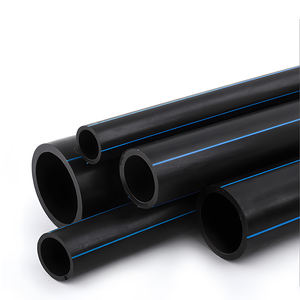
Water and Wastewater High Density Polyethylene Pipe
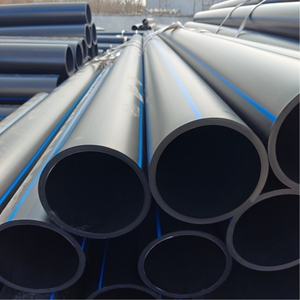
PN8~16 High Density Polyethylene HDPE Pipe Dn20mm Dn315mm`dn1000mm HDPE PIPE For Water Supply
Professional UPVC Water Pipe Polyvinyl Chloride Drainage Head Water Irrigation Pipes
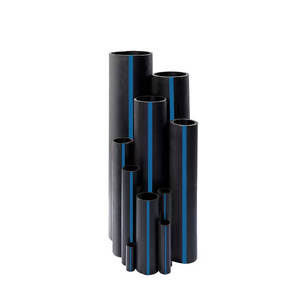
Large Diameter 160mm High Density Polyethylene HDPE Plastic Pipe PE100 HDPE Water Pipe Factory s
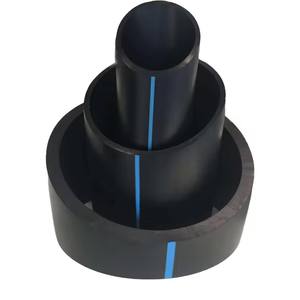
HDPE High-Density Polyethylene Corrugated Perforated Grooved Drainage Plastic Pipe New Type Lightweight Durable Material
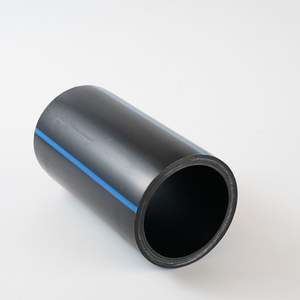
Cufnaanta Sare ee Polyethylene Hdpe Tubooyinka Biyaha ee Waraabka 20-800mm Sdr9
- iimaylka: sales@pipesandfittings.net
- WeChat: +86 18337900677