


LUOYANG TLA ENERGY TECH CO.,LTD


Best PPR Pipes and Fittings For Industrial Cooling System
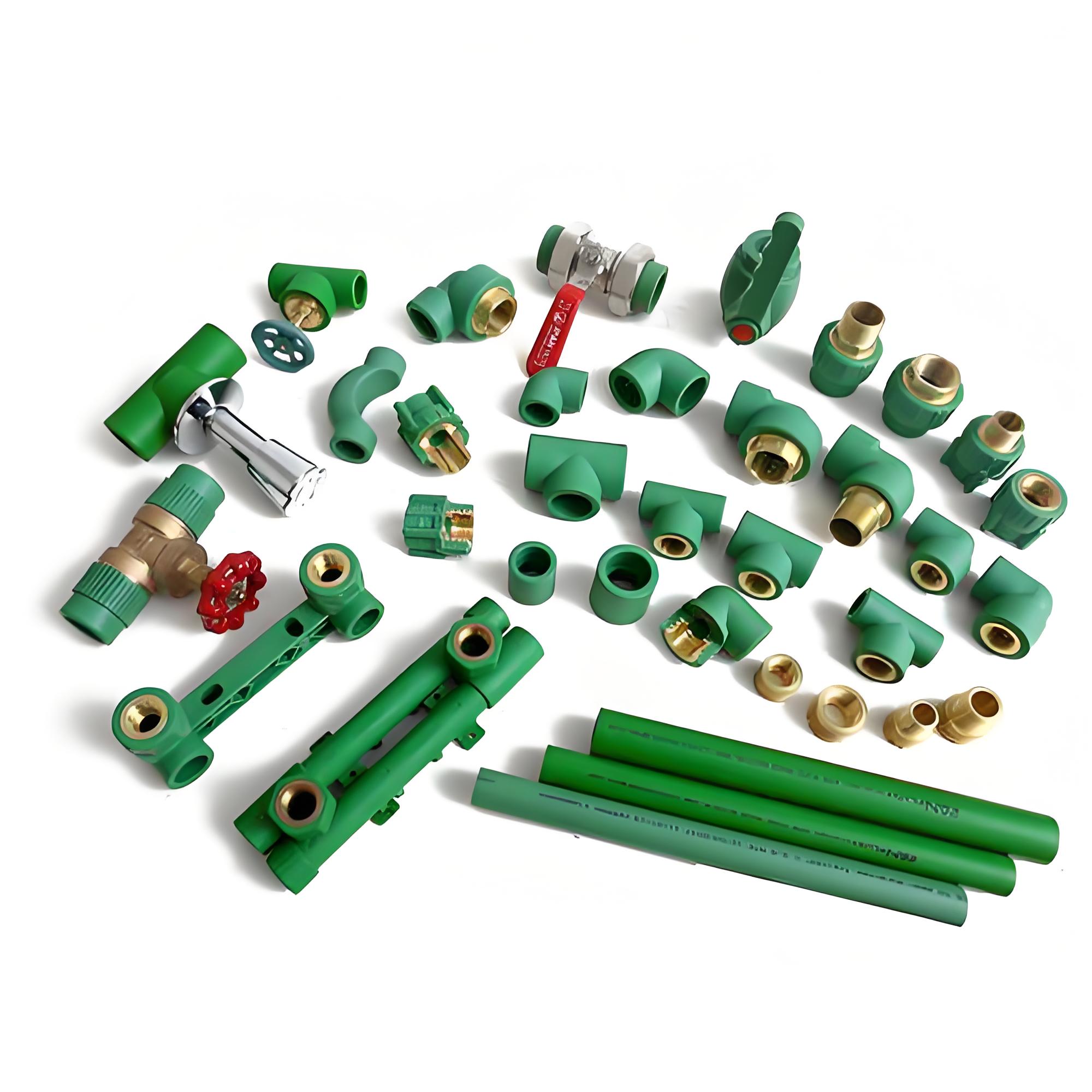
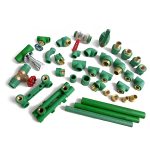
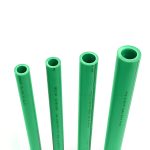
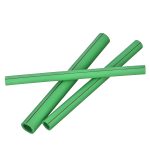
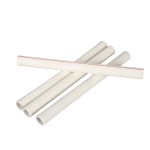
LITLHAKISO TSA LITŠOANTŠISO
Liphaephe le lisebelisoa tsa PPR (Polypropylene Random Copolymer pipes and fittings) are revolutionising modern plumbing systems with their versatility, durability, and high performance. Depending on the application, there are many different types of PPR pipe. The most common types are PPR Cold Water Pipes, PPR Hot Water Pipes, and PPR Composite Pipes. It is recommended to determine the appropriate specifications and models according to the specific use scenarios and needs.
Tlhaloso
Kopa Khopolo
Tlhaloso
Introduction of PPR pipes and fittings
Liphaephe le lisebelisoa tsa PPR (Polypropylene Random Copolymer pipes and fittings) are revolutionising modern plumbing systems with their versatility, durability, and high performance. Depending on the application, there are many different types of PPR pipe. The most common types are PPR Cold Water Pipes, PPR Hot Water Pipes, and PPR Composite Pipes. It is recommended to determine the appropriate specifications and models according to the specific use scenarios and needs.
Details of PPR Liphaephe le Fittings
PPR Liphaephe le Fittings can fully meet with all requirements on GB/T18742 standards & EN ISO 15874 litekanyetso:
| Properties | Typical Value | |
| Specific Gravity,g/cm³(20℃) | 0.89~0.91 | |
| Tensile Strength,MPa | ≥20 | |
| Modulus of Elasticity,N/mm²(20℃) | 800 | |
| Thermal Conductivity,w/(m ·k)(20℃) | 0.23~0.24 | |
| Coefficient of Linear Expansion,mm/(m ·k) | 0.14~0.16 | |
| Longitudinal Reversion,%(135℃,2h) | ≤2 | |
| Hydraulic Pressure Test | 20℃,1h,Hoop Stress is 16MPa | No Failure |
| 95℃,1000h,Hoop Stress is 3.5MPa | No Failure | |
| 110℃,8760h,Hoop Stress is 1.90MPa | No Failure | |
| Hlokomela:The plastic fittings should be adopted threaded metal fittings with corrosion resistance when they are intended to connect with metal pipe and water transportation device. | ||
High Temperature Resistance: the maximum sustained working temperature is up to 70°C, the maximum transient temperature is up to 95°C.
Heat Preservation: low thermal conductivity which is only 1/1500 of brass pipe, le 1/250 of steel pipe.
E seng chefo: no heavy metal additives, would not be covered with dirt or contaminated by bacterium.
Corrosion Resistance: resist chemical matters and electron chemical corrosion.
High Flow Capacity: smooth interior walls and low friction result in low flow resistance and high volume.
Excellent Flexibility: can be supplied in coil.
Low Installation Costs: light weight and ease of installation can reduce installation costs
Longevity: more than 50 years under proper use © Recycled and Environment-friendly
Specifations of PPR Liphaephe le Fittings
PPR Liphaephe le Fittings which produced by our factory are made from high quality material with excellent performance and the pipes are made into GB/T18742 standards and sanitary requirements. At the same time, it can also conforms to EN ISO 15874 maemo & DIN8077/8078 standard.
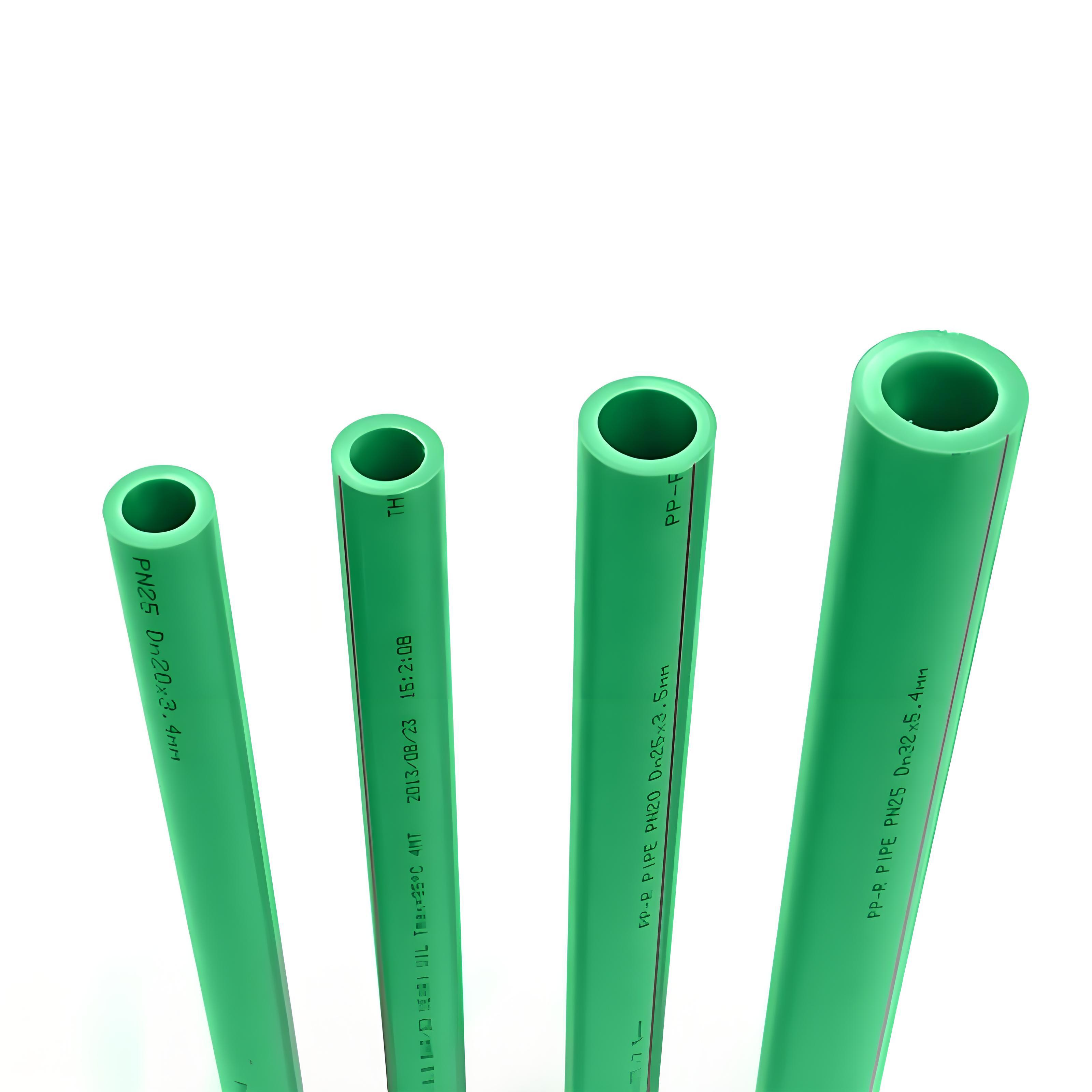
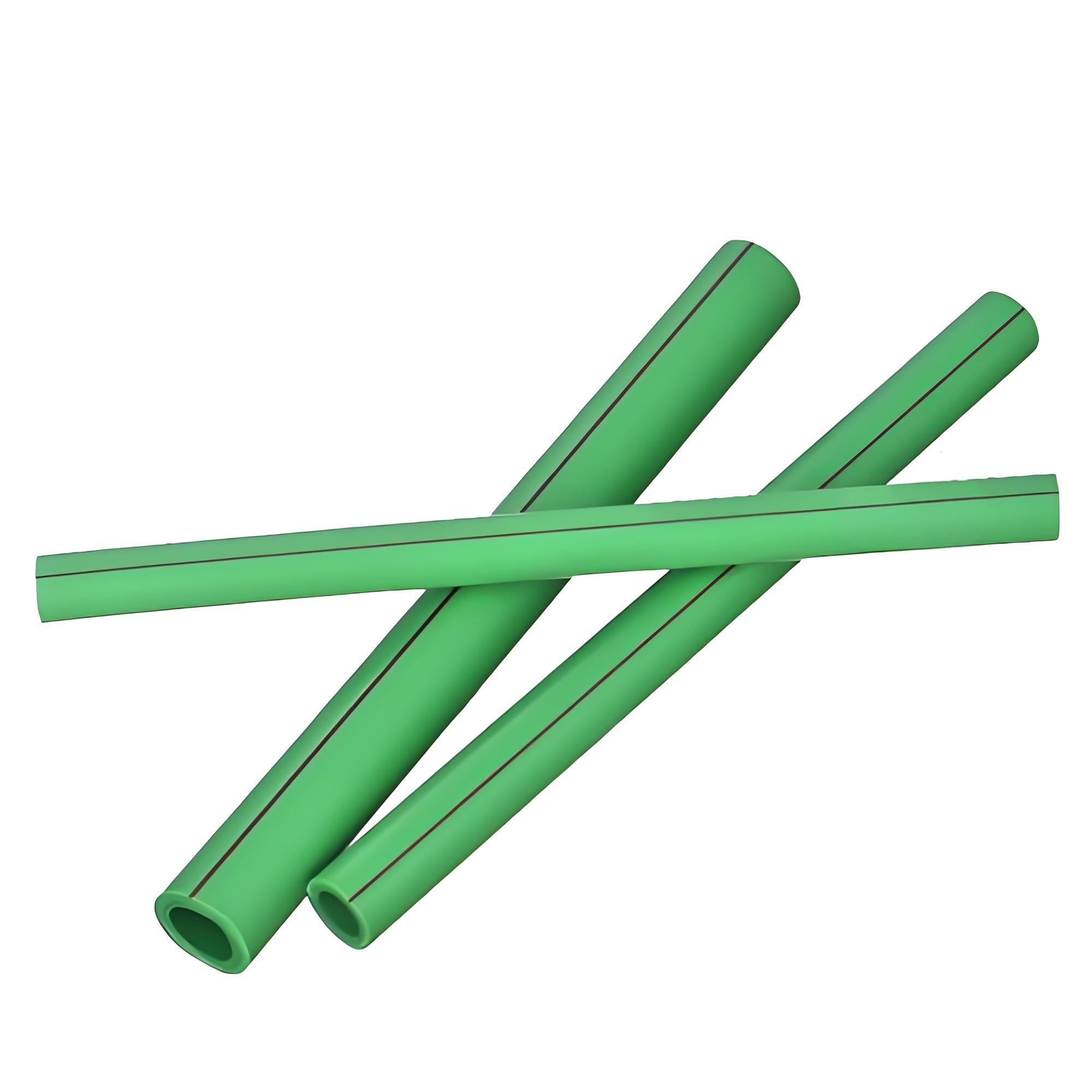
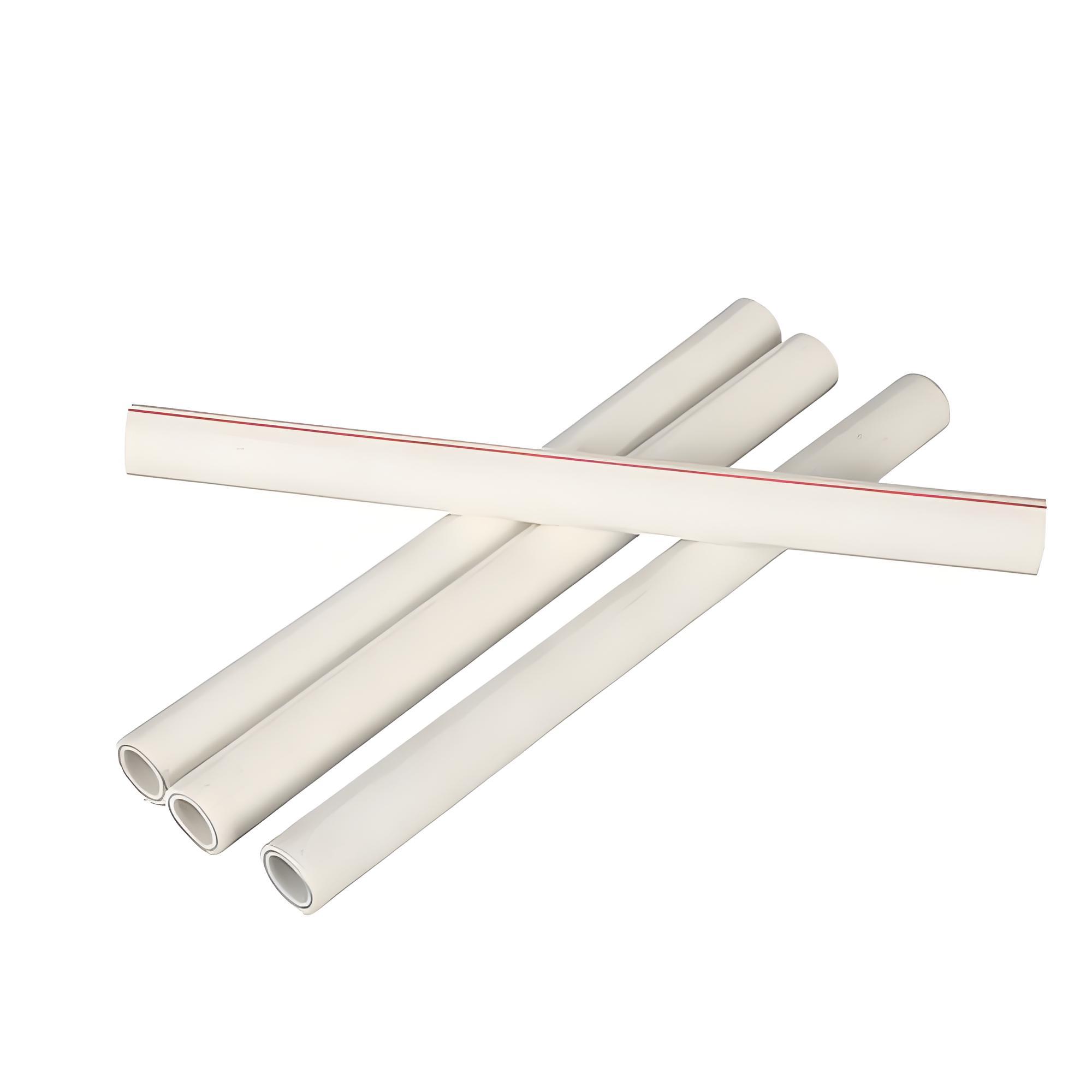
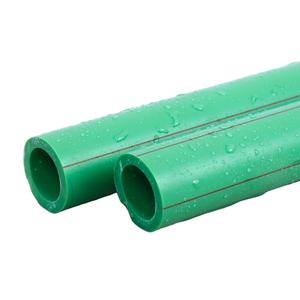
Our products are regularly provided in colors of WHITE, GREEN & GREY, or as per customers’ request.
| Pipe ea PPR Standard: GB/T 18742 , TSOA 8077/8078, EN ISO 15874 | |||
| S5/ PN10bars | S4/ PN12.5bars | S3.2/ PN16bars | S2.5/ PN20bars |
| 20×2.0 | 20×2.3 | 20×2.8 | 20×3.4 |
| 25×2.3 | 25×2.8 | 25×3.5 | 25×4.2 |
| 32×2.9 | 32×3.6 | 32×4.4 | 32×5.4 |
| 40×3.7 | 40×4.5 | 40×5.5 | 40×6.7 |
| 50×4.6 | 50×5.6 | 50×6.9 | 50×8.3 |
| 63×5.8 | 63×7.1 | 63×8.6 | 63×10.5 |
| 75×6.8 | 75×8.4 | 75×10.3 | 75×12.5 |
| 90×8.2 | 90×10.1 | 90×12.3 | 90×15.0 |
| 110×10.0 | 110×12.3 | 110×15.1 | 110×18.3 |
Likopo tsa PPR Liphaephe le Fittings
Cold and hot water supply
PP-R pipes are commonly used in both hot and cold water supply systems in homes, apartments, and commercial buildings. They are highly resistant to scaling and corrosion, making them an ideal choice for water distribution.
Heating system including flooring heating, wall heating and radiant system
PP-R pipes has the advantage low energy consumption,It is an excellent choice for energy-saving residential and commercial heating solutions.
Central air conditioning system
PP-R pipes are used in certain compressed air applications, especially in low- to medium-pressure systems. The smooth interior of the pipes reduces the risk of blockages, making them effective for air distribution.
Swimming Pools
PPR Pipes and Fittings are commonly used in pool water circulation and filtration systems, as they are resistant to chemicals like chlorine, which are frequently used in pool maintenance.
Ho paka le ho Romela
E itšetlehile ka lihlahisoa le qty,re ne re ka etsa pack of coiling,meqolo,ho phuthela ka bongata,makese kapa mabokose,etc.
Thomello:Ka leoatleng,seporo,ka moea kapa joalo ka kopo ea moreki.
Boemo ba Khoebo
Luoyang Datang Energy Tech Co., Ltd. ke moetsi ea ka sehloohong oa Machaena ea sebetsanang le liphaephe tsa polasetiki tsa boleng bo holimo le li-fittings. Ho hlomelloa ka mela ea tlhahiso ea morao-rao e ikemetseng le e tšehetsoeng ke sehlopha sa 200 litsebi, re fana ka lethathamo le pharaletseng la lihlahisoa tse kenyelletsang ho feta 150 types of plastic pipes and fittings designed for water supply and drainage systems, phetiso ea khase, le mekhoa ea ho futhumatsa fatše. Our main products include PVC Pipes and Fittings, PE (HDPE) Liphaephe le Lisebelisoa, PPR Liphaephe le Fittings, and PEX Floor Heating Pipes.
Should you have any inquiries regarding our PPR Liphaephe le Fittings, ka kopo o seke oa qeaqea ho iteanya le rona!
Mohala:0086-183 3790 0677
Wechat: 0086-183 3790 0677
Whatsapp: 0086-183 3790 0677
Email: sales@pipesandfittings.net
Melao ea Tefo
T/T,L/C ka pono,phetiso ea chelete e bitsoang western union & Paypal,etc.
FAQ ea PPR Liphaephe le Fittings
Q1,How many structure of PPR pipe have?
1. Single layer structure
The single-layer structure is the basic structure of PPR pipes, which is made of one layer of polypropylene material. The structure has the advantages of simplicity, beautiful appearance and moderate price.
Fiber reinforced structure
The fiber-reinforced structure is a PPR pipe with a relatively complex structure. It consists of a multi-layer structure, in which the fiber-reinforced layer is directly connected to the inner and outer layers by heat welding. The advantages of this structure are high strength, impermeability and long service life.
Q2,How to choose PPR phala?
1. Select materials according to usage scenarios:
Different use scenarios have different requirements for PPR pipes. For example, the water supply field requires relatively high material and strength requirements for PPR pipes, while the drainage field requires pipes with good toughness.
2. Select according to the pipe diameter:
The diameter of the PPR pipe usually has multiple specifications such as 20mm, 25mm, 32mm, 40mm, 50mm, etc., and the appropriate diameter can be selected according to the needs.
3. Select according to the pressure and temperature used:
The choice of PPR pipe should also be selected according to the pressure and temperature to be borne. For example, in some high-temperature scenes, high-temperature PPR pipe materials should be selected.
Q3,How many types of PPR pipes?
1. Ordinary PPR pipe
Ordinary PPR pipes refer to ordinary pipe materials that are normally used, and are usually used in water supply, drainage, and gas fields. The pipe is characterized by high density, high strength, aging resistance, khanyetso ea kutu, impact resistance, polokeho le tshireletso ya tikoloho.
2. PPR reinforced tube
PPR reinforced pipe is a pipe made of specially added reinforcing materials, which is more excellent than ordinary pipes in terms of strength and pressure resistance, and is widely used in industries, construction and agriculture.
3. PPR fiber reinforced pipe
PPR fiber reinforced pipe is a new type of PPR pipe, which adds fiber materials on the basis of raw materials. The biggest feature of this pipe is its high strength, while maintaining the advantages of PPR pipes, it is widely used in high-rise buildings, phepelo ea metsi, heating and floor heating and other fields.
Q4,What are the PPR fittings accessories?
The most common PPR fittings include:
Elbows: Used to change the direction of the pipe.
Tees: For branching off the pipe into two or more directions.
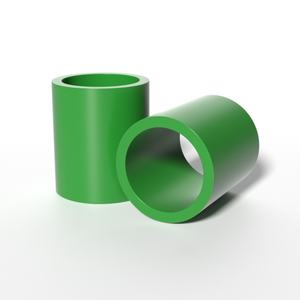
Couplings: To connect two pipes of the same diameter.
Adapters: Used to connect PPR pipes to pipes of different materials, such as metal or PVC.
Reducers: To reduce the pipe size when connecting to smaller pipes.
End Caps: To close the end of a piping system.
KOPO KHOPO
LIHLAHISO TSE HLAHANG
Whole Gray PVC-U Irrigation Plastic Pipe Thickened Pressure Resistant
Best ing Factory Outlet PPR Pipe DN110 High Quality Install Easily PPR Electric Melt Pipe
1.5 Inch Poly Pipe Pex Pipe for Water Plumbing Pipe
High Quality Hard Rigid Drainage Curved Mesh PP Permeable Pipe Underground
Hot Factory Customized ABS PE PP Pvc Clear Tubes Plastic Extrusion
Factory Supply: Various Types Of PPR Pipes, Fittings & Bent Pipes
- Email: sales@pipesandfittings.net
- WeChat: +86 18337900677