LUOYANG TLA ENERGY TECH CO.,LTD

CPVC PIPES FOR PLUMBING SOLUTION
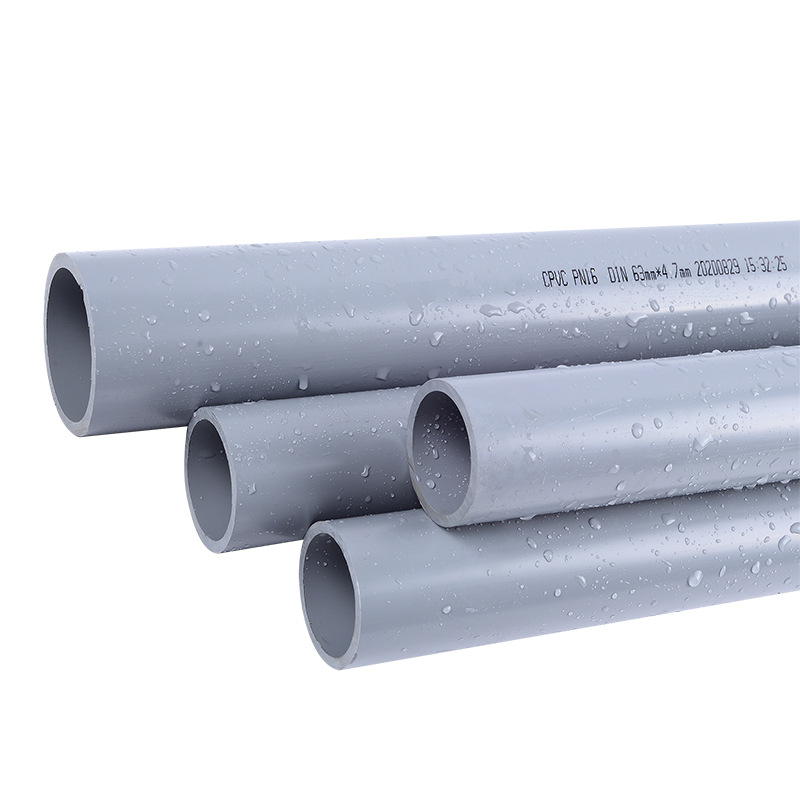
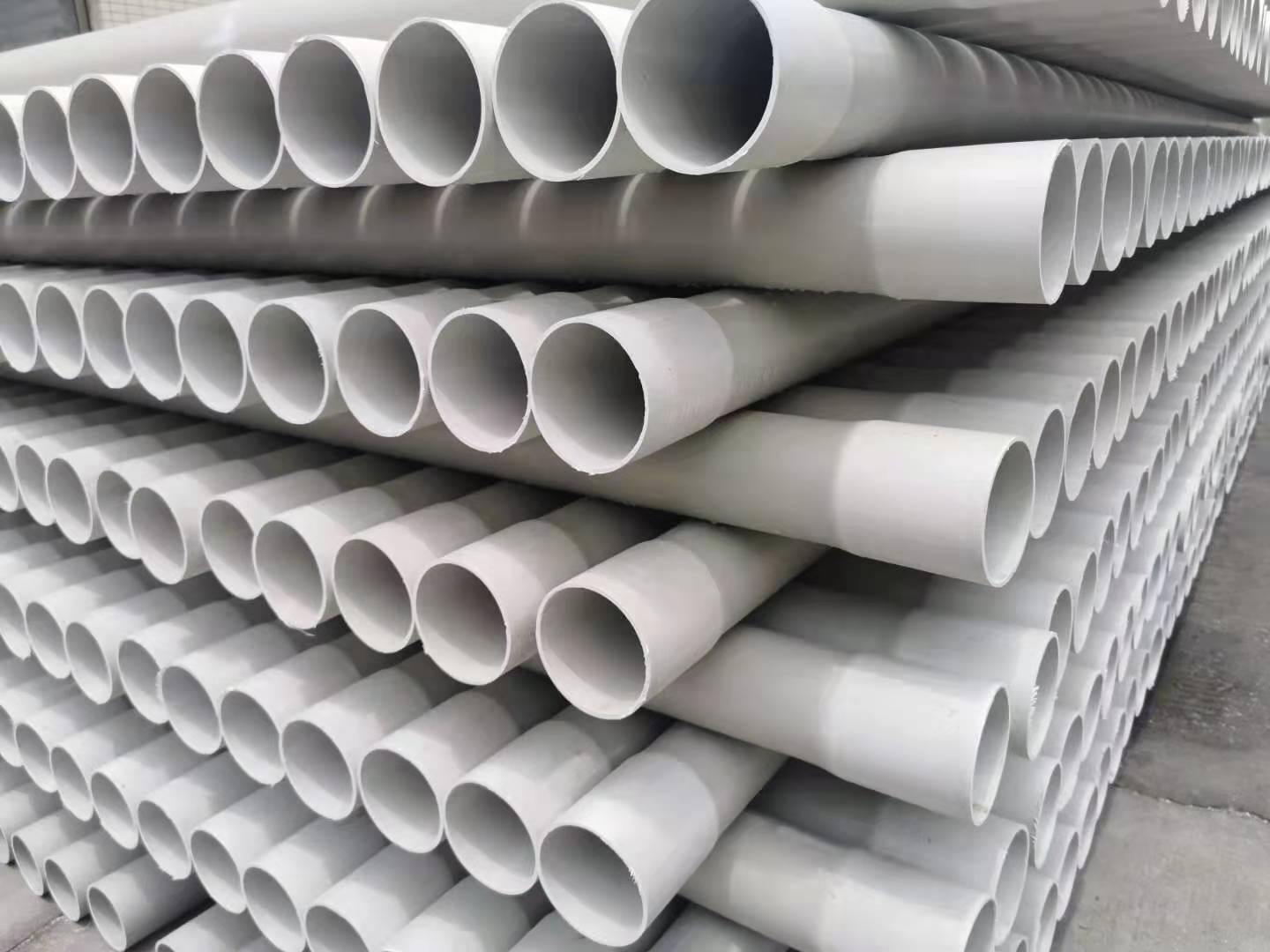
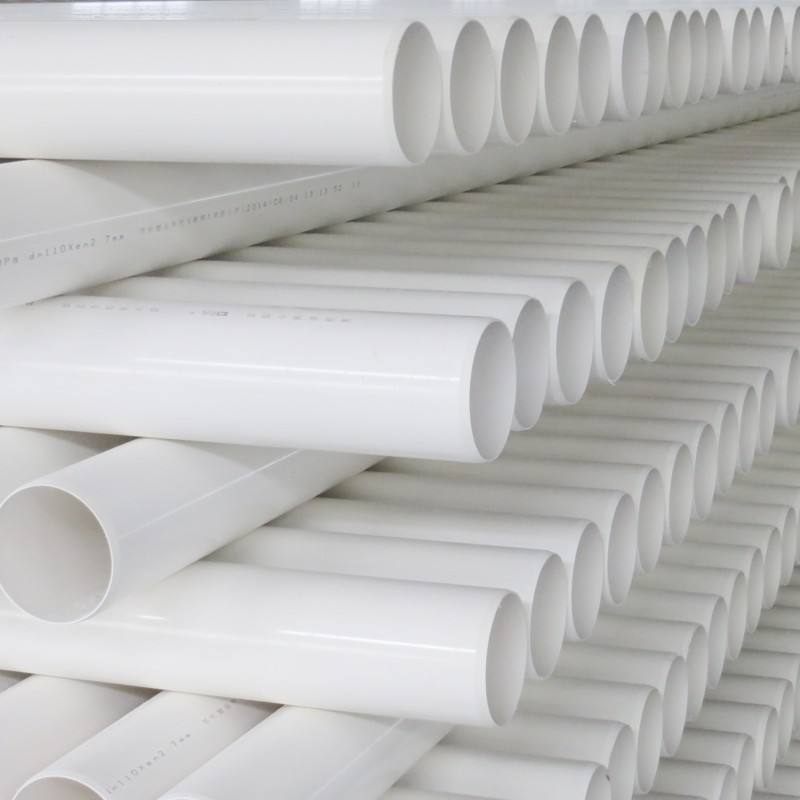
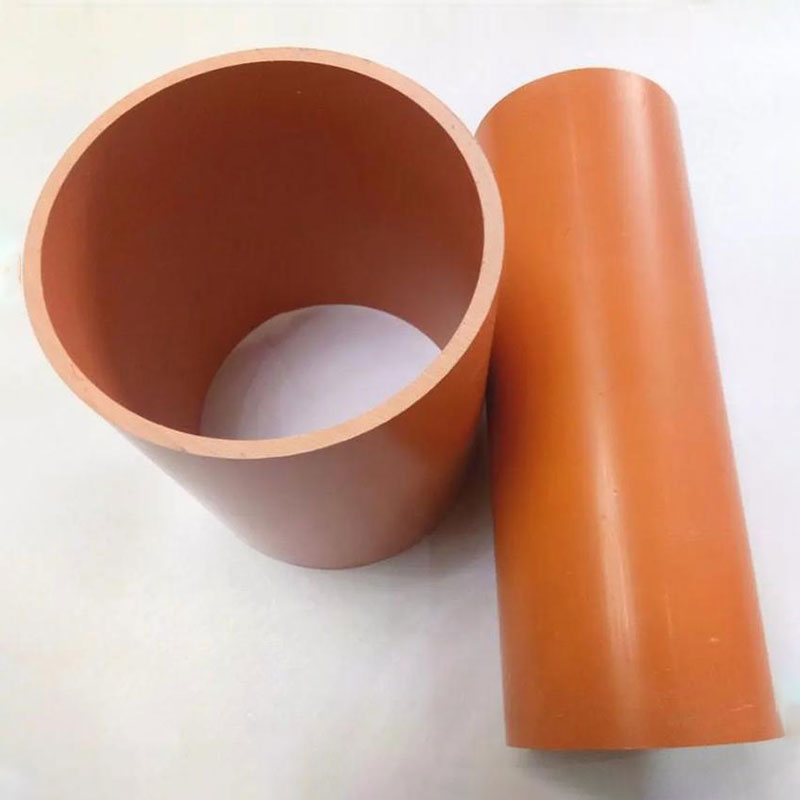
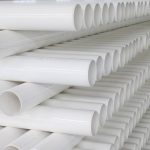
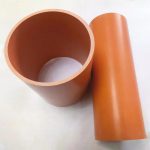
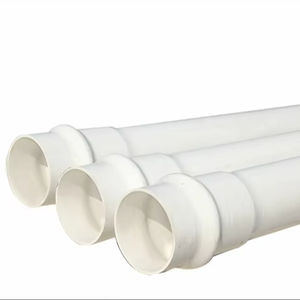
LITLHAKISO TSA LITŠOANTŠISO
Tlhaloso
Chlorinated Polyvinyl Chloride(CPVC) Pipe
Introduction of CPVC Pipe
CPVC is produced by adding chlorine to PVC in a water slurry or fluidized bed chlorination process. The chlorination reaction is initiated by ultraviolet light. The chlorinated PVC is compounded with ingredients necessary for the desired properties for further processing. The chlorine added to PVC gives CPVC higher temperature performance and improved fire and corrosion resistance.
Details of CPVC Pipe
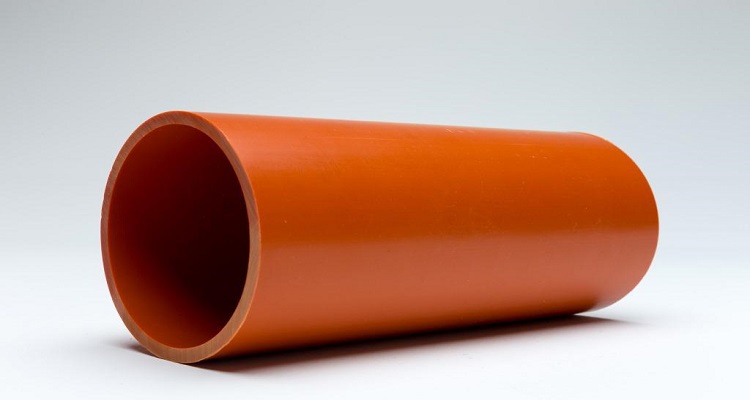
The CPVC plumbing pipes are available in sizes from 15mm (1/2″) to 50mm (2″) conforming to IS 15778 in SDR 11 & 13.5 classes. The pipes are with standard hydrostatic pressure ratings of 400 psi at 73ºF (2,750 kPa at 23ºC) le 100 psi at 180ºF (690 kPa at 82ºC).
Advantage of CPVC pipe:
- Tšireletseho ea metsi a nooang le ho tšepahala ha nako e telele
- Ho hanyetsa corrosion, lefuba, depositi
- Khanyetso ea chlorine le chloramine
- E bobebe, bonolo ho tsamaisa
- E fumaneha ka mefuta e mengata ea boholo
- Ho hanyetsa lerata le hamore ea metsi
- Ha ho boleng ba sekhechana, ho qoba boshodu ba mesebetsi
- Ho tšoarella le ho tiea ho phela lits'ebetsong tsa sebaka sa mosebetsi
- Ha ho lelakabe le sebelisetsoang ho kopanya, manonyeletso a samente
- Ho lumellana ho akaretsang ha liphaephe / li-fittings
- Ponahalo e kentsoeng ea setsebi
Specifations of CPVC Pipe
Pipe Dimensions
Hlokomela :
1. Dimensions with “+” are not a function of SDR.
2. Fittings are suitable for corresponding pipe pressure rating.Mark except 400mm .
| Nominal Bore | Outside Diameter | SDR 11 | SDR 13.5 | ||||||||
| Botenya ba lebota | Working Pressure | Botenya ba lebota | Working Pressure | ||||||||
| Min | Max | Min | Max | At 27℃ | At 82℃ | Min | Max | At 27℃ | At 82℃ | ||
| (mm) | (intshi) | (mm) | (mm) | (mm) | (mm) | Kg/cm² | Kg/cm² | (mm) | (mm) | Kg/cm² | Kg/cm² |
| 15 | 1/2 | 15.80 | 16 | 1.70 | 2.20 | 28.14 | 6.93 | 1.40 | 1.90 | 22.22 | 5.60 |
| 20 | 3/4 | 22.10 | 23.30 | 2.00 | 2.50 | 28.14 | 6.93 | 1.70 | 2.20 | 22.22 | 5.60 |
| 25 | 1 | 28.50 | 28.70 | 2.60 | 3.10 | 28.14 | 6.93 | 2.10 | 2.60 | 22.22 | 5.60 |
| 32 | 11/4 | 34.80 | 35.00 | 3.20 | 3.70 | 28.14 | 6.93 | 2.60 | 3.10 | 22.22 | 5.60 |
| 40 | 11/2 | 41.20 | 41.40 | 3.80 | 4.30 | 28.14 | 6.93 | 3.10 | 3.60 | 22.22 | 5.60 |
| 50 | 2 | 53.90 | 54.10 | 4.90 | 5.50 | 28.14 | 6.93 | 4.00 | 4.60 | 22.22 | 5.60 |
| Nominal Bore | Outside Dia. | Kemiso 40 | Kemiso 80 | |||||||
| Botenya ba lebota | Working Pressure | Botenya ba lebota | Working Pressure | |||||||
| Min | Max | At 27℃ | At 82℃ | Min | Max | At 27℃ | At 82℃ | |||
| (mm) | (intshi) | (mm) | (mm) | (mm) | Kg/cm² | Kg/cm² | (mm) | (mm) | Kg/cm² | Kg/cm² |
| 65 | 21/2 | 73.00(+/-0.18) | 5.16 | 5.77 | 21.10 | 5.30 | 7.01 | 7.85 | 29.57 | 7.43 |
| 80 | 3 | 88.90(+/-0.20) | 5.49 | 6.15 | 18.25 | 4.58 | 7.62 | 8.53 | 26.00 | 6.32 |
| 100 | 4 | 114.30(+/-0.23) | 6.02 | 6.73 | 15.49 | 3.87 | 8.56 | 9.58 | 22.53 | 5.60 |
| 150 | 6 | 168.30(+/-0.28) | 7.11 | 7.79 | 12.64 | 3.16 | 10.97 | 12.29 | 19.68 | 4.89 |
| 200 | 8 | 219.10(+/-0.38) | 8.18 | 9.17 | 11.21 | 2.85 | 12.70 | 14.22 | 17.54 | 4.18 |
| 250 | 10 | 273.10(+/-0.28) | 9.27 | 10.39 | 9.89 | 2.44 | 15.06 | 16.86 | 16.21 | 3.81 |
Likopo tsa CPVC Pipe
Hot and cold water plumbing distribution, residential and commercial
CPVC is wildly used in hot and cold water distribution systems in residential buildings.The pipes can handle temperatures up to 200°F (93°C),making the pipes suitable for hot water convey systems.
Sistimi ea lipeipi tsa indasteri
CPVC tubes are well-suited for industrial piping systems owing to their superior resistance to high temperatures and corrosion. They are ideal for conveying thermal chemicals, process water, and other fluids that may possess acidic, alkaline, or reactive characteristics. Consequently, CPVC tubes are particularly appropriate for applications in chemical processing plants and oil refinery pipeline transportation.
Mekhoa ea ho Loantša Mollo
Chlorinated polyvinyl chloride (CPVC) is extensively utilized in both residential and industrial fire protection systems due to its suitability for high-pressure environments. It constitutes a critical component of the network responsible for the delivery of water or flame-retardant agents to extinguish fires.
Liphaephe tsa metsi tse tsosolositsoeng (peipi e pherese)
CPVC pipes are widely utilized in drainage and waste management systems as well as in industrial applications. Their excellent chemical resistance renders them particularly suitable for conveying chemicals, process water,and other fluids that may be acidic, alkaline, or otherwise reactive.
Ho paka le ho Romela
E itšetlehile ka lihlahisoa le qty,re ne re ka etsa pack of coiling,meqolo,ho phuthela ka bongata,makese kapa mabokose,etc.
Thomello:Ka leoatleng,seporo,ka moea kapa joalo ka kopo ea moreki.
Boemo ba Khoebo
Luoyang Datang Energy Tech Co.Ltd e thehiloe ka 2015 'me e fumaneha sebakeng sa ntlafatso ea theknoloji e phahameng, Motse oa Luoyang, e akaretsa sebaka se seholo se nang le lisebelisoa tsa morao-rao. Mmuso wa rona o fana ka tikoloho e tshehetsang, ho kenyelletsa le lipalangoang tse loketseng le phihlello ea lisebelisoa tsa bohlokoa. Ho tloha qalong ka 2015, re ikemiseditse ho sebetsa ka bokgabane ho diphaephe le ho kenya dintho, e tsoela pele ho iqapela ho fihlela litlhoko tsa 'maraka.
Haeba o hloka PPR Liphaephe le Fittings,Ka kopo ikutloe u lokolohile ho ikopanya le rona(sales@pipesandfittings.net)
Melao ea Tefo
T/T,L/C ka pono,phetiso ea chelete e bitsoang western union & Paypal,etc.
FAQ ea CPVC Pipe
Q1, CPVC Pipe ke eng?
CPVC (chlorinated polyvinyl chloride) ke thepa e matla le e tšoarellang e 'nileng ea sebelisoa haholo lits'ebetsong tsa lipeipi lefatšeng ka bophara ka lilemo tse fetang mashome a mahlano.. CPVC e bonts'a khanyetso e ntle ea lik'hemik'hale, tsepahala, le bokhoni ba ho mamella mocheso o phahameng le likhatello. Mehaho ena e etsa hore e be khetho e nepahetseng bakeng sa bolulo, khoebo, le mekhoa ea lipeipi tsa indasteri.
Q2,Why CPVC is Ideal for Residential Plumbing Systems?
Safety: CPVC is recognized as a green and eco-friendly material. The use of CPVC tubes in drinking water systems ensures that no harmful or dangerous substances are transferred into the delivered drinking water.
Compressive Resistance: CPVC pipes and fittings are joined by solvent cement. Solvent-based cement is a substance that chemically fuses pipes to fittings at the molecular level, forming the strongest part of the piping system.
Chlorine Resistance: CPVC pipes are not affected by chlorine. Chlorine-containing disinfectants, especially chlorine dioxide, can cause failures in PPR (green pipes), PEX and metal pipes, but not in CPVC pipes.
Antibacterial: Bacterial growth may occur in the water distribution system, yet CPVC helps keep the water pure. Multiple international studies have confirmed that CPVC has consistently outperformed copper and all other plastic piping materials in its ability to resist biofilm formation.
Flame Retardant: CPVC is fire-resistant and does not fuel combustion. Even if a fire breaks out in a residence, CPVC will not contribute to the fire’s spread.
Q3,What’s the Distinction Between CPVC and PVC Pipe?
There are several distinctions exist between CPVC and PVC pipes.
Applications:PVC is merely permitted to be utilized in drain, waste, and vent plumbing applications. It is not sanctioned for use as a water supply line, while CPVC is mainly employed in water delivery applications.
Heat Tolerance:PVC begins to melt at 140 degrees Fahrenheit, yet CPVC can withstand hot water up to 200 degrees Fahrenheit.
Sizing: PVC and CPVC have dissimilar sizing measurements. PVC will adhere to iron pipe sizing (IPS), whereas CPVC will follow Copper Tube Sizing (CTS).
Q4,How To Tell if a Pipe Is PVC or CPVC
U ka khetholla kapele pakeng tsa 'mala o bobebe oa beige oa pipe ea CPVC le bosoeu bo khanyang ba PVC. Haeba o sa tiisehe, batla khatiso ka lehlakoreng la phala.
Q5,Liphaephe tsa PVC le CPVC li tšoarella nako e kae?
E 'ngoe le e' ngoe ea tsona e lokela ho tšoarella nako e telele ha feela e sa senyeha ke serame kapa mahlaseli a UV.
KOPO KHOPO
LIHLAHISO TSE HLAHANG
ISO E Khōlō ea Diameter 315mm-400mm Sekhahla sa Metsi a Ka tlas'a Lefatše Phaipi ea UPVC ea PVC
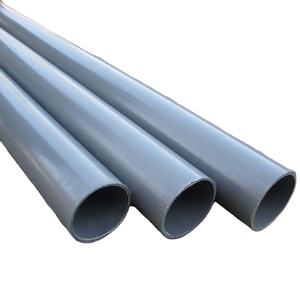
Direct Corrosion Resisting PVDF Plastic Pipes DN125mm-DN200mm Polyvinylidene Fluoride Tube
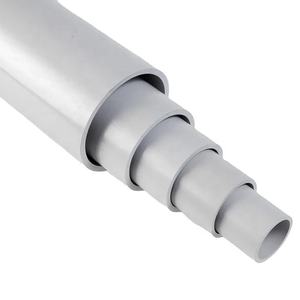
Quality SCH80 UPVC 4″ Pipe For Industrial And Residential Use
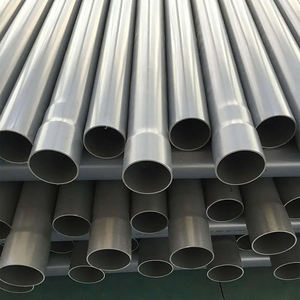
CPVC Plastic Pipe High-Pressure Durable Power Pipe For Non-Excavation
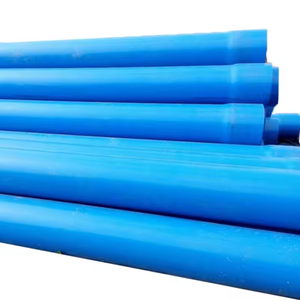
High Quality Plastic Pipe 5 6 8 10 Inch Diameter PVC Water Pipe