


Ua haere mai o LUOYANG NO TE PUHI TECH CO.,LTD

Differences and Respective Characteristics:PVC Pipe vs PPR pipes
Differences in Raw Materials
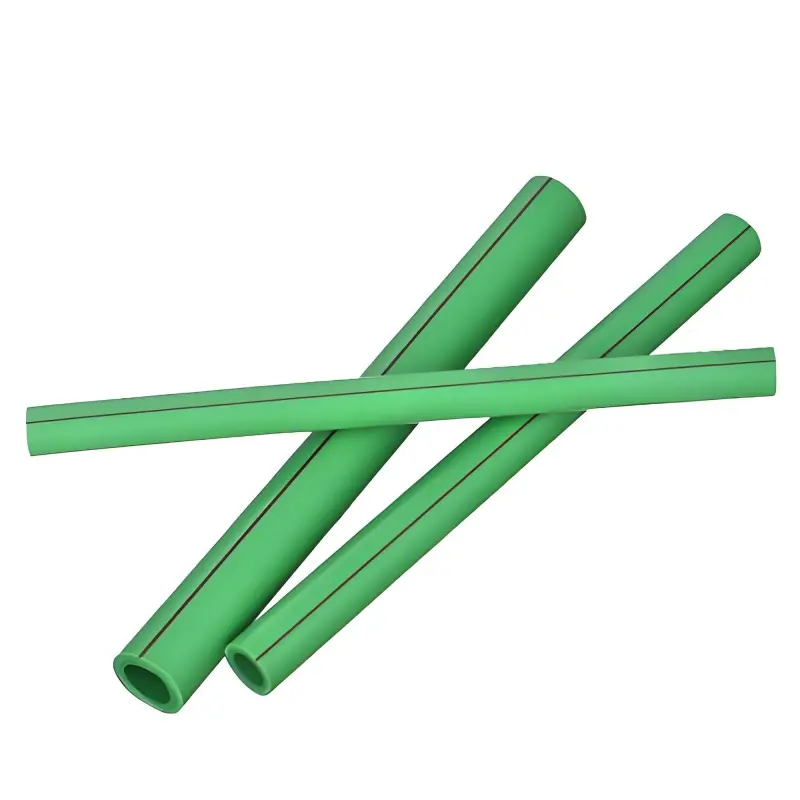
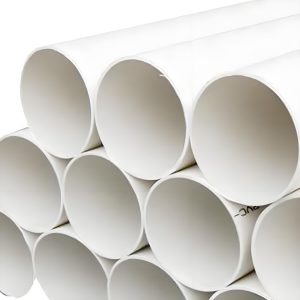
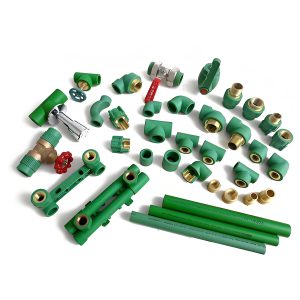
Nga paipa PPR are made from copolymer polypropylene, while PVC pipes use polyvinyl chloride. The differences between the two raw materials result in distinct performance and appearance. For example, in terms of color, PPR pipes show excellent luster and toughness, and can be made into a variety of colors by adding pigments. In contrast, PVC pipes are mostly milky white and have a smooth surface.
Differences in Wall Thickness
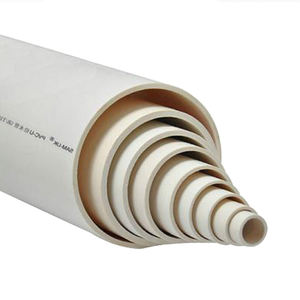
PPR pipes come in 4-inch and 6-inch sizes, with wall thicknesses of 2.3 mm and 3.5 mm respectively. Nga paipa PVC, when the specification is 6 mm, have a wall thickness of 2 mm. For PVC pipes with specifications between 8 e 10 mm, the wall thickness is 2.5 mm. Although these pipes are similar in diameter, the differences in diameter are quite noticeable and can usually be distinguished by the naked eye. Under the same specification, PPR pipes are usually thicker than PVC pipes.
Differences in Cost & Selling Price
There are differences in manufacturing costs and selling prices between PPR and PVC pipes due to different materials and wall thicknesses. Under normal circumstances, PPR pipes are relatively more expensive. If you need to cut costs, choosing PVC pipes might be more appropriate.
Different TEpplication TEreas
PVC pipes are slightly inferior to PPR pipes in terms of hygiene and safety performance. Therefore, in home decoration, PPR pipes are often used as water supply pipes, suitable for cold and hot water pipes. Nga paipa PVC, on the other hand, are mainly used for cold drainage. In addition, PPR pipes can work normally at 90 degrees Celsius, are easy to install, have excellent weldability, and support hot welding and electric welding machine operation. In contrast, PVC pipes have better corrosion resistance, but they cannot withstand high temperatures and cannot be hot-joined during installation, and are usually connected with PVC glue.
Taata hoo
Te mau haamaramaramaraa no ni'a i te mau haamaramaramaraa a Luoyang., Ltd. te hoê taata hamani tao'a tinito rahi roa'e o tei matau i te mau hu'ahu'a hu'ahu'a maitai roa e te mau tao'a. Ua ineine te reira e te mau reni hamaniraa tauihaa apî roa a'e e te turuhia ra e te hoê pŭpŭ 200 te feia toro'a, te horoa nei matou i te hoê reni tao'a rahi e hau atu i te 150 types of plastic pipes and fittings designed for water supply and drainage systems, Te haaparareraa mǎhu, e te mau faanahoraa no te faahanahana i te tahua. I roto i ta tatou mau tao'a rahi, te vai ra te mau PVC Pipes e te mau tao'a, PE (HDPE) Te mau paipa e te mau tao'a, PPR Pipes me nga taputapu, e te mau paipa no te faahanahana i te tahua PEX.
E uiuiraa anei ta outou no ni'a i te mau pipe PPR, Eiaha e feaa faahou i te farerei ia matou!
Tel.:0086-183 3790 0677
Wechat: 0086-183 3790 0677
Whatsapp: 0086-183 3790 0677
Imera: mau hooraa@mau hooraa
TE MAU POSTS
HDPE Pipes Build An Efficient Water-Saving Irrigation System
PVC Pipe vs. HDPE Pipe: Which is better?
Analysis of HDPE Water Supply Pipes And HDPE Drainage Pipes
Why PPR pipes and fittings become the ideal choice for indoor water supply in the Middle East, Africa and Southeast Asia hot areas?