Ua haere mai o LUOYANG NO TE PUHI TECH CO.,LTD

Te mau hu'ahu'a hu'ahu'a PE Gas
TE MAU PARAMETERS
Tuʻaroʻa
Te hoê omuaraa parau no ni'a i te PE Gas Pipe Te mau hu'ahu'a hu'ahu'a teitei
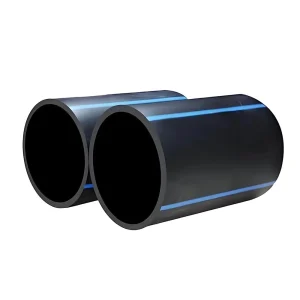
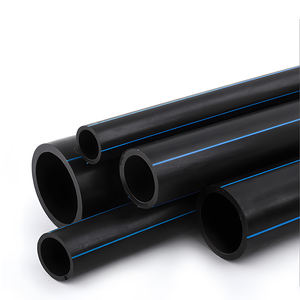
Te hoê paipa polyethylene teitei (PE Pipe) o te hoê ïa faaauraa i te mau hu'ahu'a thermoplastic paari e te tauiui o te faaohipa-pinepine-hia i roto i te mau fare hamaniraa tauihaa, oire, te ohipa faaapu, e te mau faaohiparaa i te maimiraa. Ua matau - maitai - hia oia no to ' na patoiraa maitai roa i te mau raau taero, puai o te faahopearaa, e te oraraa taviniraa roa, E mea maitai roa te mau paipa PE no te faatere i te pape, mǎhu, e te tahi atu mau pape i roto i te mau huru faaheporaa taa ê.
Te mau huru rahi o te PE Gas Pipe Te mau pape pu'e hu'ahu'a teitei
Te ino & Te patoiraa i te mau raau
Te patoi nei i te rust, ta'ata, e te rahiraa o te mau tao'a tahi, ia au i te reira no te mau vahi ino.
Māmā & Parau parau
E mea ohie roa ia afa'i e ia faauta no te iti o te poihâ; I roto i te tahi mau faaohiparaa, e nehenehe te tauiraa e faatia i te pi'o ma te amuiraa ore.
Puai rahi
E faaoromai i te mau huru oraraa ino e te hepohepo rahi, te faaitiraa mai i te mau fifi o te vavahiraa.
Te mau amuiraa Leak-Free
E faatupu te mau amuiraa ve'ave'a i te mau taairaa maitai, te faaitiraa mai i te mau ati.
Te oraraa roa o te taviniraa
Te pato'i i te UV e te mau hu'ahu'a, e te hoê oraraa roa 50 matahiti i roto i te mau huru tupuraa tano.
Te mata maeneene i roto
Faaiti i te ereraa i te friction, Te haamaitairaa i te aravihi o te taheraa e te faaitiraa i te moni o te ito.
Eco-hoa
Aita e taero, E nehenehe e faaohipa faahou, e te au i te mau titauraa no te parururaa i te pape inu.
Te moni-faufaa
Hau atu i te mau tao'a tahito, mea iti a'e te moni no te faauta e no te haapao i te reira (e.g., Metara, pape'amu).

(Te mau hu'ahu'a hu'ahu'a PE Gas)
Te mau haamaramaramaraa no ni'a i te PE Gas Pipe Te mau pape pu'e hu'ahu'a teitei
E faaohipa te mau paipa mǎhu PE i te hoê hu'ahu'a polyethylene teitei. This material is solid and adaptable. It takes care of gas transportation safely. These pipes can be found in different dimensions. Typical diameters vary from 20mm to 630mm. Wall thickness differs based upon stress demands. Requirement lengths are 6 meters or 12 meters. You can get coils for smaller sizes. This makes setup simpler in limited rooms.
The pipelines stand up to high stress. Regular stress rankings go from 4 bar to 16 bar. Temperature level tolerance is solid. They work from -20 ° C to 40 ° C without issues. Cold weather does not make them breakable. Warm doesn’t warp them either.
Material top quality complies with strict standards. Accreditations consist of ISO 4437 and ASTM D2513. These guarantee safety and security and integrity. The pipes stand up to deterioration entirely. Chemicals in dirt don’t damage them. Corrosion is difficult since it’s plastic. Durability is a vital benefit. They last over half a century with marginal maintenance.
Installation is straightforward. E mea mâmâ te mau paipa. Employees relocate and position them quickly. Fusion welding joins sections securely. This develops leak-proof links. No joints indicate fewer failure factors.
These pipes suit many applications. They benefit underground gas networks. They fit domestic gas lines also. Industrial gas supply uses them commonly. Safety and security is outstanding. The product does not trigger. It manages gas rises efficiently.
Cost efficiency matters. The pipelines conserve cash with time. Reduced maintenance cuts expenses. Quick installment lowers labor prices. They outmatch metal pipelines in lots of methods.

(Te mau hu'ahu'a hu'ahu'a PE Gas)
Te mau faaohiparaa i te mau pape pu'e hu'ahu'a PE Gas Pipe
PE gas pipelines made from high-density polyethylene plastic fix many issues for gas circulation networks. These pipes stand up to deterioration entirely. Metal pipes rust with time. HDPE stays strong against chemicals in soil and wetness. This product lasts much longer.
Setup ends up being less complicated with HDPE pipes. Their versatility enables flexing about challenges. Employees require fewer installations. This conserves time and labor expenses. The pipelines take care of challenging ground problems well. They operate in rough soil or locations that shift. Trench excavating is less complex as well.
Joint integrity is critical for gas systems. HDPE pipes utilize warmth blend to link. The melted ends bond right into one solid item. This produces a long-term, watertight seal. It’s much more trusted than mechanical joints vulnerable to failing. Safety and security boosts significantly.
Lengthy life span is a significant advantage. HDPE pipes stand up to years underground. They stand up to breaking and ecological stress and anxiety. Upkeep costs go down dramatically contrasted to older products. Energies save money long-term. Substitute occurs less commonly.
Safety and security features are intrinsic. HDPE won’t spark if struck. It manages stress rises better than brittle products. The threat of catastrophic failure minimizes. Gas stays consisted of within the system. Public safety obtains a boost.
Price performance matters for big tasks. HDPE product expenses are competitive. Faster installation cuts job timelines. Minimized maintenance builds up over years. The overall system expense is lower. It’s a smart investment for reliable gas shipment.
Te tapo'iraa e te tonoraa
Te faataa ra te reira i te mau tao'a e te qty,E nehenehe ta tatou e rave i te tapo'iraa o te coiling,rolls,Te tapo'iraa,Te mau afata e aore râ, te mau afata,e tē vai atura.
Te tonoraa:Na te moana,purumu,na roto i te manureva aore ra mai te aniraa a te taata hoo.
Hoho'a o te Taiete
Te mau haamaramaramaraa no ni'a i te mau haamaramaramaraa a Luoyang., Ltd. te hoê taata hamani tao'a tinito rahi roa'e o tei matau i te mau hu'ahu'a hu'ahu'a maitai roa e te mau tao'a. Ua ineine te reira e te mau reni hamaniraa tauihaa apî roa a'e e te turuhia ra e te hoê pŭpŭ 200 te feia toro'a, te horoa nei matou i te hoê reni tao'a rahi e hau atu i te 150 te mau huru paipa hu'ahu'a e te mau tauihaa i hamanihia no te horoa i te pape e te mau faanahoraa no te faataeraa i te pape, Te haaparareraa mǎhu, e te mau faanahoraa no te faahanahana i te tahua. I roto i ta tatou mau tao'a rahi, te vai ra te mau PVC Pipes e te mau tao'a, PE (HDPE) Te mau paipa e te mau tao'a, PPR Pipes me nga taputapu, e te mau paipa no te faahanahana i te tahua PEX.
E uiuiraa anei ta outou no ni'a i te HDPE Pipe, Eiaha e feaa faahou i te farerei ia matou!
Tel.:0086-183 3790 0677
Wechat: 0086-183 3790 0677
Whatsapp: 0086-183 3790 0677
Imera: mau hooraa@mau hooraa
Te mau parau aufau
T/T,L/C i te hi'oraa,Tooa o te râ & Paypal,e tē vai atura.
5 Te mau FAQ no ni'a i te PE Gas Pipe Te mau pape pu'e hu'ahu'a teitei
What is PE gas pipe?
PE gas pipe is plastic tubing made from high-density polyethylene. This material is strong and flexible. It carries natural gas or propane underground. People often call it HDPE pipe.
Why use plastic for gas lines?
Plastic pipes resist corrosion better than metal. Metal pipes can rust over time. Plastic handles ground movement well. It won’t crack easily. Plastic is also lighter. This makes it easier to install. It lasts a long time underground.
What are the main benefits?
PE gas pipe offers several good points. It doesn’t corrode like metal. Leaks are less likely. Its flexibility helps it survive earthquakes or settling soil. Installation is often faster. Fewer joints mean fewer leak points. The material is tough against chemicals in the soil. Long service life is a key advantage.
How is it installed?
Installation uses trenching or directional drilling. Trenching digs a ditch, lays the pipe, then buries it. Directional drilling pulls the pipe underground without a big trench. This is good under roads or landscapes. Trained crews fuse pipe sections together. Heat melts the ends. They join into one solid piece. E faatupu te reira i te hoê puai rahi, leak-proof connections.
Is it safe for gas?
ae, absolutely. PE pipe designed for gas meets strict safety standards. Look for markings like “PE 3408” or “PE 4710”. These confirm it’s for fuel gas. It must also carry certification from groups like ASTM or ISO. Proper installation by qualified professionals is crucial. The pipe itself is very safe when used correctly.

(Te mau hu'ahu'a hu'ahu'a PE Gas)
A TINIRAA I TE HOÊ PARAU
TE MAU HOPO'A FAATAA
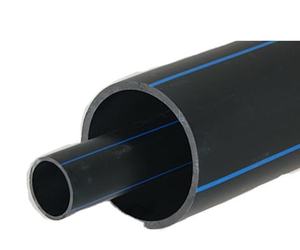
Water and Wastewater High Density Polyethylene Pipe
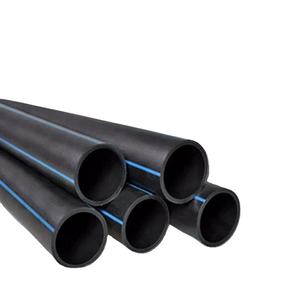
PE Tube High Density Polyethylene Hdpe Pipe 110mm Hdpe Siphon Co-Layered Drainage Pipes
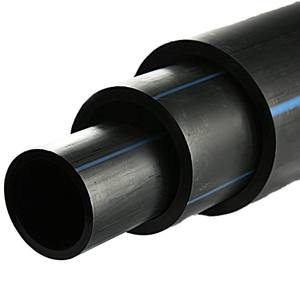
HDPE Flexible Construction Plastic Tubes High Pressure Underground Water Supply Industrial Pressure System Drainage Tubing 6mm
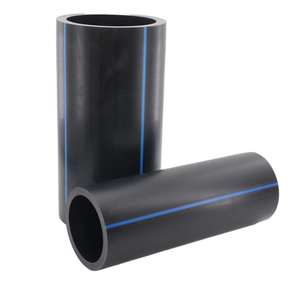
s High Density Polyethylene Pe100 HDPE Polyethylene Plastic Tube Hdpe Sdr11 Pipe
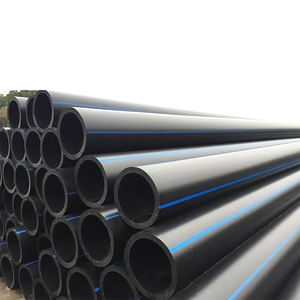
HDPE Flexible Construction Plastic Tubes High Pressure Underground Water Supply Industrial Pressure System Drainage Tubing 6mm