ULUOYANG WEZA ENERGY TECH CO.,LTD

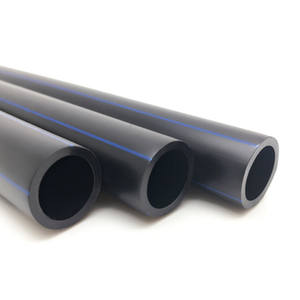
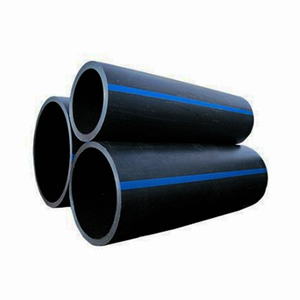
PE Gas Pipe High-Density Polyethylene Plastic Tubes
IIPARAMETHA ZEMVELISO
Inkcazo
Introduction of PE Gas Pipe High-Density Polyethylene Plastic Tubes
Umbhobho wePolyethylene woxinaniso oluphezulu (Umbhobho we-PE) is a durable and flexible thermoplastic piping solution widely used in industrial, municipal, ezolimo, and mining applications. Known for its excellent chemical resistance, high impact strength, and long service life, PE pipes are ideal for transporting water, gases, and other fluids under varying pressure conditions.
Key Features of PE Gas Pipe High-Density Polyethylene Plastic Tubes
Ukonakala & Ukumelana nemichiza
Ukumelana nomhlwa, scale, and most chemicals, making it suitable for aggressive environments.
Ikhaphukhaphu & Flexible
Easy to transport and install due to low weight; flexibility allows bending without joints in certain applications.
High Impact Strength
Withstands extreme weather conditions and physical stress, reducing breakage risks.
Leak-Free Joints
Heat-fused joints create seamless connections, minimizing leakage risks.
Ubomi Obude Benkonzo
UV-resistant and abrasion-proof, with a lifespan exceeding 50 years under proper conditions.
Smooth Inner Surface
Reduces friction loss, improving flow efficiency and lowering energy costs.
Eco-Friendly
Non-toxic, recyclable, and compliant with drinking water safety standards.
Isebenza kakuhle emalini
Lower installation and maintenance costs compared to traditional materials (umz., metal, concrete).

(PE Gas Pipe High-Density Polyethylene Plastic Tubes)
Specifications of PE Gas Pipe High-Density Polyethylene Plastic Tubes
PE gas pipelines utilize high-density polyethylene plastic. This product is called HDPE. HDPE pipelines are solid and versatile. They work well for relocating natural gas securely underground. These pipelines stand up to several points. They deal with chemicals well. They do not corrosion like steel pipes. They last a long time underground.
Key specifications specify these pipes. The material is HDPE. It fulfills rigorous standards for gas usage. Usual requirements are ISO 4437 or ASTM D2513. Pipes can be found in various dimensions. Sizes vary from tiny sizes like 20mm to plus sizes like 630mm. Wall surface thickness varies. Density depends upon the pipeline’s diameter and stress ranking.
Pressure ranking is extremely essential. It shows the optimal stress the pipeline can take care of securely. Ratings are given in bars or PN numbers. Common rankings are PN6, PN10, or PN16. The right ranking relies on the gas pressure in the system. Color issues for identification. PE gas pipes are usually black. They have yellow red stripes or markings. This shows they lug gas.
These pipes attach using unique fittings. Warmth combination is the main signing up with method. This produces an extremely strong, leak-proof seal. The pipes deal with temperature level adjustments. They execute well in cool and warm conditions. Their versatility permits bending about barriers. This minimizes the need for numerous installations. Installment is usually quicker than with steel pipes.
HDPE gas pipes provide large benefits. They are lightweight. This makes transport and taking care of simpler. Their long life means less substitute. They stand up to deterioration and chemical strike. This reduces maintenance expenses. Smooth inner walls maintain gas moving successfully. They are a reputable choice for underground gas networks.

(PE Gas Pipe High-Density Polyethylene Plastic Tubes)
Applications of PE Gas Pipe High-Density Polyethylene Plastic Tubes
PE gas pipelines use high-density polyethylene plastic. This solid plastic product works quite possibly for relocating natural gas securely. Individuals select these pipes for numerous crucial jobs.
Gas firms rely greatly on PE pipelines. They install them underground to provide gas to homes and businesses. The pipelines resist corrosion and deterioration. This is a huge advantage over old metal pipelines. Below ground conditions are difficult. Water, soil chemicals, and climate do not damage PE pipes. They remain strong for years. That’s why they are the leading option for new gas lines and replacing old ones.
Industrial sites require trusted gas shipment also. Manufacturing facilities and nuclear power plant use large PE pipes. These pipelines handle high stress safely. Their versatility aids throughout installment. Employees can bend them around obstacles without extra joints. Fewer joints suggest less chances for leaks. Safety and security is important with gas.
Mining operations also depend on PE pipelines. They move gas accurately in challenging atmospheres. The pipes are light-weight. This makes transport and handling much easier in remote areas. Their sturdiness endures rough conditions underground.
PE pipes supply excellent protection against leaks. The material does not respond with gas. It develops a constant, seamless obstacle. Leaks are uncommon. This shields individuals and property. It likewise saves cash by preventing shed gas.
Installation is faster and cheaper with PE pipelines. They attach using warmth combination. This develops joints as strong as the pipeline itself. No fires or unique tools are required like with metal pipelines. The procedure is more secure and less complex. Repair work are often quicker as well.
The long life of PE pipes indicates much less digging and substitute gradually. They last half a century or more. This decreases long-term expenses for gas business and consumers. Their durability and efficiency make them essential for contemporary gas systems.
Ukupakisha kunye noThumelo
Kuxhomekeke kwiimveliso kunye ne-qty,sinokwenza ukupakishwa kwe-coiling,imiqulu,ukupakisha inqwaba,iibhokisi okanye iibhokisi,njl.
Ukuthunyelwa ngenqanawa:Ngaselwandle,kaloliwe,ngomoya okanye njengesicelo somthengi.
Iprofayile yekhampani
ILuoyang Datang Energy Tech Co., Ltd. ngumvelisi ophambili waseTshayina osebenza kwimibhobho yeplastiki ekumgangatho ophezulu kunye nokufakwa. Ixhotyiswe ngemizila yemveliso ye-state-of-the-art kwaye ixhaswa liqela le 200 iingcali, sinikezela ngomgca wemveliso obanzi oquka ngaphezulu 150 iintlobo zemibhobho yeplastiki kunye nezixhobo ezilungiselelwe ukubonelela ngamanzi kunye neenkqubo zokuhambisa amanzi, ukuhanjiswa kwegesi, kunye neenkqubo zokufudumeza umgangatho. Iimveliso zethu eziphambili ziquka iMibhobho yePVC kunye neFittings, PE (HDPE) Imibhobho kunye neFittings, Imibhobho yePPR kunye neFittings, kunye neMibhobho yokuFundisa kuMgangatho wePEX.
Ngaba unayo nayiphi na imibuzo malunga nokuFakelwa kwemibhobho ye-HDPE, nceda ungathandabuzi ukuqhagamshelana nathi!
Umnxeba.:0086-183 3790 0677
Wechat: 0086-183 3790 0677
Whatsapp: 0086-183 3790 0677
I-imeyile: sales@pipesandfittings.net
Immimiselo yokuhlawula
T/T,L/C emehlweni,uwestern Union & I-Paypal,njl.
5 FAQs of PE Gas Pipe High-Density Polyethylene Plastic Tubes
People often ask about PE gas pipes made from high-density polyethylene plastic. Here are five common questions and their answers.
What exactly are PE gas pipes? These are plastic pipes designed for transporting natural gas underground. They’re made from a strong, durable plastic called HDPE. HDPE pipes are flexible and resist corrosion.
Why choose PE pipes over metal ones? PE pipes last longer because they don’t rust or corrode. They handle ground movement well. They’re also lighter, making them easier and cheaper to install. They need fewer joints underground, reducing leak risks.
Are PE gas pipes safe? Yes, they are very safe. They meet strict standards for gas distribution. They resist cracks well. They don’t conduct electricity, adding safety near power lines. Properly installed PE pipes provide reliable gas delivery.
How are these pipes installed? Trained crews install PE pipes underground. A common method is directional drilling. This minimizes digging and surface disruption. The pipes are fused together using heat. This creates very strong, leak-proof joints along the entire pipe length.
How long do PE gas pipes last? These pipes have a very long service life. Manufacturers often guarantee them for 50 years or more. They withstand harsh soil conditions and weather. Their resistance to corrosion means they perform reliably for decades.

(PE Gas Pipe High-Density Polyethylene Plastic Tubes)
CELA ISICATSHULWA
IIMVELISO EZINXULUMENEYO
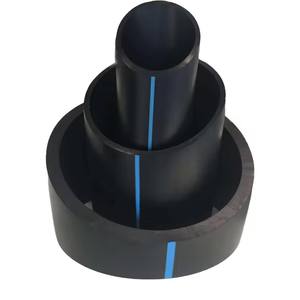
High Density Polyethylene Tube HDPE Pipes PE Water Pipe For Supply And Drainage
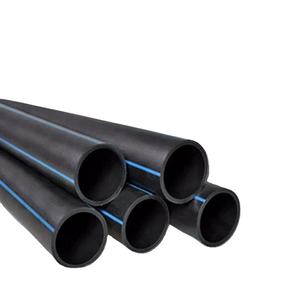
High-Density HDPE Pipe Durable High-Pressure Water Supply Polyethylene Tube s
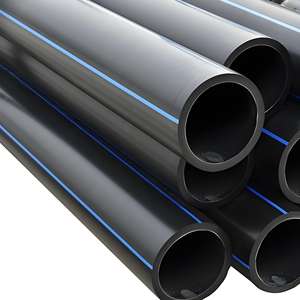
Pn6~16 High Density Polyethylene HDPE Pipe for Water Supply/Gas/Mining/Agriculture Irrigation/Drainage
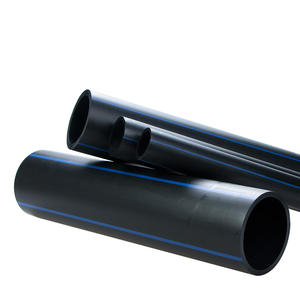
High-quality PE Pipes PN12, PN16, SDR11, SDR21, PE100, 110 Mm, 150 Mm, 250 Mm, 900 Mm, DN1000 Large Diameter PE Pipes
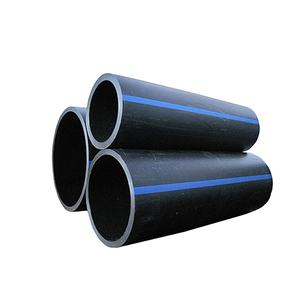
High-Density Polyethylene (HDPE) Corrugated Pipe for Prestressing Construction Material Making Machinery