LUOYANG CAME ENERGY TECH CO., LTD

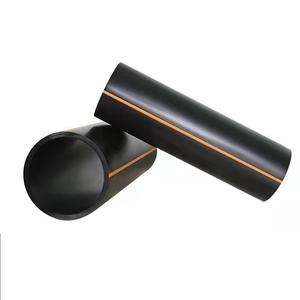
Gas Stove Parts/gas Pipe
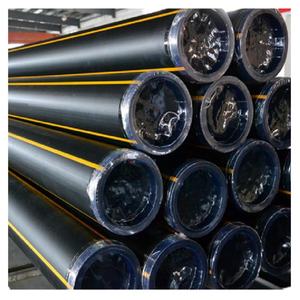
פּראָדוקט פּאַראַמעטערס
באַשרייַבונג
Overview of Gas Stove Parts/gas Pipe
Gas Stove Parts/gas Pipe is designed for efficient and secure gas transportation in residential, געשעפט, און ינדאַסטריאַל אַפּלאַקיישאַנז. געמאכט פון דוראַבאַל מאַטעריאַלס אַזאַ ווי טשאַד שטאָל, ומבאַפלעקט שטאָל, אָדער פּע פּאַליעטאַלין, אונדזער גאַז פּייפּס ענשור רינען-דערווייַז פאָרשטעלונג און לאַנג-טערמין רילייאַבילאַטי. צי פֿאַר נאַטירלעך גאַז, פּראָפּאַנע, אָדער אנדערע ברענוואַרג גאַז, אונדזער פּראָדוקטן טרעפן שטרענג ינדאַסטרי סטאַנדאַרדס פֿאַר זיכערקייַט און עפעקטיווקייַט.;
Features of Gas Stove Parts/gas Pipe
קעראָוזשאַן-קעגנשטעליק - ענדזשאַנירד צו וויטסטאַנד האַרב ינווייראַנמאַנץ און פאַרמייַדן ליקס.
הויך דרוק און טעמפּעראַטור טאָלעראַנץ - פּאַסיק פֿאַר פאדערן גאַז פאַרשפּרייטונג סיסטעמען.
לייטווייט און פלעקסאַבאַל פּע פּייפּס - גרינג צו ינסטאַלירן מיט ויסגעצייכנט געווער.
ליק-פּרוף דזשוינץ - פּרעסיסיאָן וועלדינג און טרעדינג פֿאַר זיכער קאַנעקשאַנז.
קאָנסיסטענט מיט זיכערקייַט סטאַנדאַרדס - סערטאַפייד פֿאַר פאַרלאָזלעך פאָרשטעלונג אין גאַז אַפּלאַקיישאַנז.

(Gas Stove Parts/gas Pipe)
Specifications of Gas Stove Parts/gas Pipe
Here are the vital parts for your gas cooktop and gas pipeline arrangement. Comprehending these items assists guarantee risk-free, efficient procedure.
The heaters are the noticeable parts where the flame appears. Heaters mix gas with air before ignition. This combination develops a secure, blue flame for food preparation. Burner caps remain on top, supporting pots and pans evenly. Spreader bars beneath the caps aid route the gas flow upwards.
The ignition system begins the fire. A lot of ovens utilize electric igniters. You push a handle in, turn it, and a spark leaps near the heater. This trigger lights the gas. Some older models may make use of pilot burner rather. A pilot burner is a tiny, constant fire prepared to spark the primary heater.
Control shutoffs manage gas flow. Turning the stove handle readjusts the shutoff opening. A larger opening lets a lot more gas through for a larger flame. A smaller opening reduces gas for a reduced flame. Valves connect straight to the gas supply line.
Security tools are important. The thermocouple is a tiny sensing unit near the pilot burner. It detects warm. If the pilot flame heads out, the thermocouple cools off. This signals the gas valve to turn off immediately. This avoids unburned gas from leaking right into your kitchen area.
The gas pipeline provides fuel from your main supply. This pipeline is typically stiff steel, like copper or steel. It runs from the gas source to the range link point. A flexible port tube affixes the range to the rigid gas pipeline. This hose pipe allows for some motion throughout installation or cleaning. The adapter needs to be specifically ranked for gas usage.
A shut-off shutoff rests along the gas pipeline. This valve allows you completely quit gas flow to the stove. You turn it a quarter turn. This is crucial for safety throughout upkeep or leakages. Constantly recognize where your gas shut-off valve lies.
Installations connect pipe areas with each other firmly. Typical types are arm joints and combinings. Gas-rated pipeline thread sealer makes certain these links do not leak. Never use common plumbing tape on gas lines. Only materials approved for fuel gas are risk-free.
Normal checks keep whatever functioning right. Try to find damaged pipes, cracked hoses, or loose installations. Listen for hissing audios near connections. Odor is essential as well; gas suppliers include a strong odorant for leakages. If you smell gas, turn off the shut-off valve quickly. Aerate the location and call an expert.

(Gas Stove Parts/gas Pipe)
Applications of Gas Stove Parts/gas Pipe
Gas stove parts and gas pipelines do crucial work in your cooking area. They interact to get gas to your cooktop securely. After that they allow you prepare your food appropriately. You see the burner caps resting on top. These spread the flame equally. That stops locations under your frying pan. The heater heads underneath control exactly how big the fire obtains. Turning the oven knob transforms the fire dimension. This adjusts your cooking warmth fast.
The gas shutoffs are crucial for security. They open to allow gas circulation when you turn the handle. They shut limited when you transform the oven off. The thermocouple is a small safety sensing unit near the flame. It senses heat. It informs the gas valve it’s risk-free to remain open. If the flame blows out unintentionally, the thermocouple cools off promptly. It signals the shutoff to close. This quits gas from dripping out right into your kitchen area. That stops hazardous gas accumulation.
Gas pipelines bring the gas from your major supply line to the stove. Flexible adapters hook the oven to the wall surface outlet. These pipelines have to be difficult. They take care of the gas stress without dripping. They stand up to warm and deterioration. You need pipes made for gas. Water pipes will not do. The gas regulator is another key item. It controls the stress entering your stove. Excessive stress makes fires too huge and unsafe. The regulator maintains stress constant and secure. It protects the range parts from damage. Constantly check links for leaks. Usage soapy water. Bubbles mean a leak. Call a professional immediately if you locate one. Appropriate parts and installation keep everything working right and secure.
פּאַקינג און טראַנספּאָרט
דעפּענדס אויף די פּראָדוקטן און די נומער,מיר קען מאַכן די פּאַקינג פון קאָילינג,ראָללס,פּעקל פּאַקינג,קרייץ אָדער באָקסעס,אאז"ו ו.
טראַנספּאָרט:ביים ים,באַן,דורך לופט אָדער ווי קונה ס בקשה.
פירמע פּראָפיל
Luoyang Datang Energy Tech Co., לטד. איז אַ לידינג כינעזיש פאַבריקאַנט וואָס ספּעשאַלייזיז אין הויך-קוואַליטעט פּלאַסטיק פּייפּס און פיטינגז. יקוויפּט מיט שטאַט-פון-דעם-קונסט אָטאַמייטיד פּראָדוקציע שורות און געשטיצט דורך אַ קאָלעקטיוו פון 200 פּראָפעססיאָנאַלס, מיר פאָרשלאָגן אַ ברייט פּראָדוקט שורה מיט איבער 150 טייפּס פון פּלאַסטיק פּייפּס און פיטינגז דיזיינד פֿאַר וואַסער צושטעלן און דריינאַדזש סיסטעמען, גאַז טראַנסמיסיע, און שטאָק באַהיצונג סיסטעמען. אונדזער הויפּט פּראָדוקטן אַרייַננעמען פּווק פּייפּס און פיטינגז, פּע (HDPE) פּייפּס און פיטינגז, PPR פּייפּס און פיטינגז, און PEX פלאָר באַהיצונג פּייפּס.
אויב איר האָבן קיין ינקוועריז וועגן HDPE פּייפּ פּאַסיק, ביטע טאָן ניט קווענקלען צו קאָנטאַקט אונדז!
טעל .:0086-183 3790 0677
וועטשאַט: 0086-183 3790 0677
ווהאַצאַפּפּ: 0086-183 3790 0677
בליצפּאָסט: sales@pipesandfittings.net
צאָלונג תּנאָים
ג / ה,ל / C אין דערזען,מערב יוניאַן & פּייַפּאַל,אאז"ו ו.
5 FAQs of Gas Stove Parts/gas Pipe
דאָ זענען 5 FAQs about Gas Stove Parts and Gas Pipes:
1. How do I know if my gas pipe or connection leaks?
Smell gas? That’s a major warning sign. Immediately shut off the gas supply at the main valve. Open windows for ventilation. Avoid flames or sparks. Don’t use electrical switches. Evacuate the area. Call your gas company or emergency services from outside. For small suspected leaks, mix dish soap and water. Apply this soapy solution to pipe joints and connections. Watch for bubbles forming. Bubbles mean gas is escaping. Get a professional to fix it right away.
2. My stove burner won’t ignite. What parts might cause this?
ערשטער, check if other burners work. If just one burner fails, the problem is likely local. Common culprits are clogged burner ports or blocked igniter electrodes. Food debris or grease often blocks them. Clean these parts carefully. If cleaning doesn’t help, the igniter electrode might be damaged or misaligned. A faulty spark module could also be the cause if multiple burners fail. The thermocouple (safety sensor) might be bad if you have standing pilot lights. Replace faulty parts.
3. How often should I clean my gas stove burners?
Clean them regularly. Heavy cooking means clean them monthly. Light cooking means every few months is okay. Spills or boil-overs need immediate cleaning. Let the stove cool completely first. Remove the burner caps and grates. Wash them in warm soapy water. Use a soft brush or pin to clear clogged burner ports. Wipe the burner base carefully. Avoid damaging the igniter. Dry all parts thoroughly before reassembling. Keeping burners clean ensures proper ignition and even flames.
4. Can I replace gas stove parts myself?
יא, for some simple parts. You can replace burner caps, grates, drip pans, and knobs yourself. Ensure you get the exact model specified for your stove. Safety-critical parts are different. Never attempt replacing gas valves, regulators, thermocouples, or gas lines yourself unless you are qualified. This requires turning off the gas supply and involves potential leaks. Incorrect installation is dangerous. Hire a licensed gas technician for these repairs. Always prioritize safety.
5. What kind of pipe connects my stove to the gas line?
Most modern installations use a flexible corrugated stainless steel tubing (CSST) connector. It’s flexible and easier to install correctly. Older setups might have rigid black iron pipe. Copper tubing is sometimes used but requires special skills and may not be allowed locally. Check your local building codes. The connector must be the correct length and type approved for gas. Never use makeshift pipes or hoses. Ensure connections are tight and leak-tested by a professional after installation or moving the stove.

(Gas Stove Parts/gas Pipe)
בעטן אַ ציטירן
פֿאַרבונדענע פּראָדוקטן
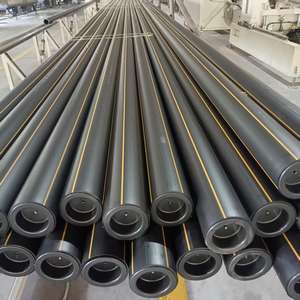
ISO CE Certificates API 5L X42 X52 X56 X60 SSAW Pipe Carbon Steel Spiral Welded Steel Pipe For Water Oil And Gas
of Corrugated Stainless Steel Gas Hose Pipe/gas Hose Pipe

China Manufacture Carbon Steel Tubes Seamless Steel Pipes ASTM A106 A53 GR.B Black Painting MS Pipe
Cold Drawn Carbon Steel Gas Pipe GB API ASTM A106 Sch80 Seamless API 5L/5DP ASTM A53-2007 GB 5310-1995 JIS Certified Length 12m
4 Size Fuel Line Hose Petrol Tubing Common ForWeedeater Trimmer Chainsaw Blower Gasoline Pipe Petrol Pipe