LUOYANG CAME ENERGY TECH CO., LTD

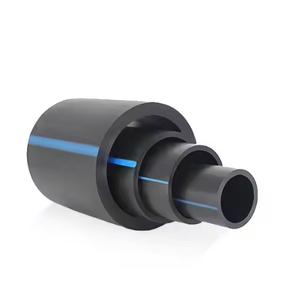
Paipu Gas Polyethylene Density Gas Fun Fifi sori Ilẹ-ilẹ
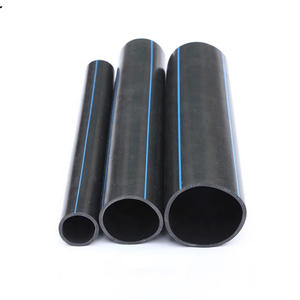
Ọja parameters
Apejuwe
Introduction of High-Density Polyethylene Gas Pipe For Underground Installation
Ga iwuwo Polyethylene Pipe (PE Pipe) jẹ ojutu pipe thermoplastic ti o tọ ati rọ ni lilo pupọ ni ile-iṣẹ, idalẹnu ilu, ogbin, ati iwakusa ohun elo. O mọ fun awọn oniwe-o tayọ kemikali resistance, agbara ipa giga, ati ki o gun iṣẹ aye, Awọn paipu PE jẹ apẹrẹ fun gbigbe omi, gaasi, ati awọn fifa omi miiran labẹ awọn ipo titẹ ti o yatọ.
Key Features of High-Density Polyethylene Gas Pipe For Underground Installation
Ibaje & Kemikali Resistance
Sooro si ipata, asekale, ati ọpọlọpọ awọn kemikali, ṣiṣe awọn ti o dara fun awọn agbegbe ibinu.
Ìwúwo Fúyẹ́ & Rọ
Rọrun lati gbe ati fi sori ẹrọ nitori iwuwo kekere; ni irọrun faye gba atunse laisi awọn isẹpo ni awọn ohun elo kan.
Agbara Ipa giga
Koju awọn ipo oju ojo to gaju ati aapọn ti ara, idinku awọn ewu fifọ.
Jo-Free isẹpo
Awọn isẹpo ti o dapo ooru ṣẹda awọn asopọ ti ko ni oju, dindinku awọn ewu jijo.
Long Service Life
UV-sooro ati abrasion-ẹri, pẹlu igbesi aye ti o pọju 50 ọdun labẹ awọn ipo to dara.
Dan Inner dada
Din edekoyede pipadanu, imudarasi sisan ṣiṣe ati idinku awọn idiyele agbara.
Eco-Friendly
Ti kii ṣe majele, atunlo, ati ni ibamu pẹlu awọn iṣedede aabo omi mimu.
Iye owo-doko
Awọn fifi sori isalẹ ati awọn idiyele itọju ni akawe si awọn ohun elo ibile (f.eks., irin, nja).

(Paipu Gas Polyethylene Density Gas Fun Fifi sori Ilẹ-ilẹ)
Specifications of High-Density Polyethylene Gas Pipe For Underground Installation
Polyethylene iwuwo giga (HDPE) gas pipe is the leading choice for secure, trustworthy underground fuel gas distribution. People pick HDPE due to the fact that it resists deterioration entirely. It won’t corrosion or rot underground. This material takes care of impacts very well. It stays difficult in cold weather too.
The pipe bends quickly. This versatility simplifies setup. Crews typically pull it with the ground without excavating a broad trench. Fewer joints are needed contrasted to stiff pipes. This reduces the opportunity of leaks. Fusion welding signs up with pipe sections. This technique produces smooth, leak-proof connections as solid as the pipeline itself.
HDPE pipe is available in conventional dimensions. Typical diameters include 2 inches, 4 inches, 6 inches, and larger. Each pipeline has a details SDR score. The SDR number informs you the pipeline’s wall thickness about its size. A reduced SDR indicates a thicker wall surface. Thicker wall surfaces manage greater operating pressures. Know your project’s pressure needs. Choose the correct SDR pipeline.
The pipeline should be yellow. This bright color recognizes it as carrying gas or propane underground. This shade coding is essential for safety and security. Employees quickly detect it during future excavating.
HDPE pipeline takes care of high pressure securely. Its stress ranking relies on the SDR and material quality. Typical grades are PE4710 and PE3408. PE4710 provides higher stamina. Constantly check the producer’s stress scores for your details pipeline.
Shield the pipeline from sunlight prior to hiding it. UV rays can damage HDPE gradually. Keep it covered up until installation. Shop it properly. Prevent dragging it over rough surfaces.

(Paipu Gas Polyethylene Density Gas Fun Fifi sori Ilẹ-ilẹ)
Applications of High-Density Polyethylene Gas Pipe For Underground Installation
High-density polyethylene gas pipe is best for below ground gas lines. It handles gas and propane distribution safely. This product lasts a long period of time buried in the ground. It does not corrosion like steel pipes. That suggests fewer leaks and repairs over years.
Installment is less complicated with HDPE pipeline. The pipeline is adaptable. Workers can bend it a little around challenges without additional fittings. This conserves money and time throughout digging and laying the pipe. It works well in various dirt problems.
Signing up with areas is very reliable. Workers utilize warm blend welding. This melts the pipe ends with each other. The joint becomes as strong as the pipeline itself. There are no powerlessness where leaks might begin later. This creates an entirely secured system underground.
HDPE pipeline takes care of ground movement well. Things like small earthquakes or dirt settling take place. The pipe’s versatility lets it bend a little without damaging. This stops solution disruptions. It maintains the gas streaming securely.
The product is tough versus chemicals. Common materials in dirt will not harm it. This makes sure the pipe’s lengthy life underground. It also stands up to splitting or splitting gradually.
HDPE pipeline is lightweight. Carrying it to the job website is simpler than heavy metal pipe. Managing it throughout installation requires less hefty machinery. This decreases overall task expenses.
Safety and security is a major advantage. The fusion-welded joints are extremely reliable. The pipeline material itself is very resistant to impact damages. This decreases the risk of gas leakages creating after installation. Below ground systems require this integrity.
Typical usages include new community gas networks. It’s made use of for main gas lines feeding streets. Service lines linking homes to the main line utilize it. Industrial sites requiring hidden gas lines pick HDPE. Repairing old steel pipelines often involves changing sections with HDPE.
Iṣakojọpọ ati Gbigbe
Da lori awọn ọja ati qty,a le ṣe iṣakojọpọ ti coiling,yipo,iṣakojọpọ lapapo,apoti tabi apoti,ati be be lo.
Gbigbe:Nipa okun,oko oju irin,nipasẹ afẹfẹ tabi bi ibeere alabara.
Ifihan ile ibi ise
Awọn iṣiro ti ile-iṣẹ Luoyang Datang Energy Tech Co., Ltd., Ltd. jẹ olupese ti Ilu Kannada ti o ṣe amọja ni awọn paipu ṣiṣu to gaju ati awọn ohun elo. Ni ipese pẹlu ipinle-ti-ti-aworan aládàáṣiṣẹ gbóògì ila ati atilẹyin nipasẹ kan egbe ti 200 awọn ọjọgbọn, ti a nse ohun sanlalu ọja laini ni ninu 150 awọn oriṣi ti awọn paipu ṣiṣu ati awọn ohun elo ti a ṣe apẹrẹ fun ipese omi ati awọn eto idominugere, gaasi gbigbe, ati pakà alapapo awọn ọna šiše. Awọn ọja akọkọ wa pẹlu Awọn paipu PVC ati Awọn Fittings, PE (HDPE) Paipu ati Fittings, PPR Pipes ati Fittings, ati PEX Floor Alapapo Pipes.
O yẹ ki o ni awọn ibeere eyikeyi nipa HDPE Pipe Fitting, jọwọ ma ṣe ṣiyemeji lati kan si wa!
Tẹli.:0086-183 3790 0677
Wechat: 0086-183 3790 0677
Whatsapp: 0086-183 3790 0677
Imeeli: sales@pipesandfittings.net
Awọn ofin sisan
T/T,L / C ni oju,Western Union & Paypal,ati be be lo.
5 FAQs of High-Density Polyethylene Gas Pipe For Underground Installation
What is HDPE gas pipe? HDPE gas pipe is plastic tubing made from high-density polyethylene. It transports natural gas or propane. This pipe is designed for burying underground. It handles gas pressure safely. Why choose HDPE for underground gas lines? HDPE resists rust and corrosion. Metal pipes can rust over time. HDPE does not. It bends easily without breaking. This flexibility suits shifting soil. It also withstands chemicals in the ground. How is HDPE gas pipe installed? Workers dig a trench first. They lay the pipe inside it. Sometimes they use directional drilling. This method pulls pipe through a small tunnel. It avoids digging up roads or yards. Both ways work well underground. How long does HDPE gas pipe last? HDPE pipe lasts over 50 odun. Many last 100 odun. It does not rot or corrode. Soil conditions do not damage it. This long life reduces replacement costs. Is HDPE gas pipe safe? Bẹẹni, HDPE gas pipe is very safe. It meets strict safety standards. The pipe material resists leaks. Joints are melted together with heat. This creates a solid, leak-proof connection. Underground installation protects the pipe further. Regular checks ensure ongoing safety.

(Paipu Gas Polyethylene Density Gas Fun Fifi sori Ilẹ-ilẹ)
BERE ORO
Awọn ọja ti o jọmọ
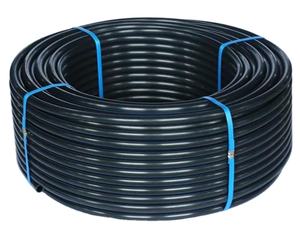
PE100 High Density Polyethylene Water Pipe SDR26 SDR21 SDR17 SDR13.6 SDR11 Water Supply and Drainage HDPE Pipe
Polyethylene iwuwo giga (HDPE) Composite Pipes HDPE Steel Wire Pipe for Water Supply
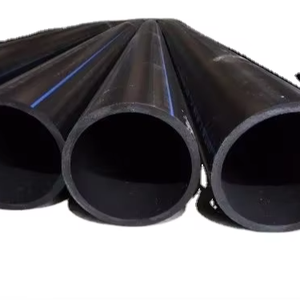
Free Sample PN16 PN20 Water Pressure Drip Irrigation Plastic PP Compression All Types HDPE Pipe Fittings
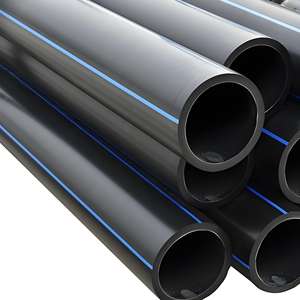
High Pressure HDPE Pipe Water Supply Irrigation Agriculture Electro Fusion Fitting Underground Drainage Industrial Construction
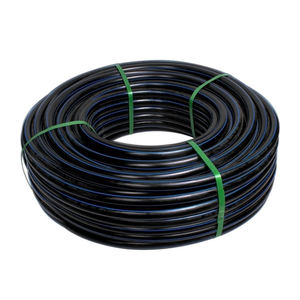
Hdpe High Density Polyethylene Extrusion Molding HHM TR480AT Hdpe Granules Pipe ite Wundia HDPE Awọn ohun elo aise ṣiṣu