LUOYANG CAME ENERGY TECH CO, LTD


Com netejar les canonades d'aigua de subministrament a casa
Títol: Elimineu el Crud: La vostra guia definitiva per a la neteja de canonades d'aigua a casa

(Com netejar les canonades d'aigua de subministrament a casa)
Obriu mai l'aixeta de la cuina esperant aigua cristal·lina, just to obtain a rustic drip? Or perhaps your showerhead sputters like a mad dragon? Les oportunitats són, your home’s pipes need some focus. Disregard them, and you could deal with more than just unclean water. This overview deals with the crucial task of cleaning your home’s pipes. We’ll cover what they are, why cleansing matters, how to do it, where it’s most crucial, and answer your burning inquiries. Allow’s get your water flowing clean and strong once again.
What’s Inside This Guide
What are home water pipes and why they need attention
Step-by-step cleaning methods (from DIY flushing to professional hydro-jetting)
Where pipe cleaning matters most in your home
FAQs and practical tips for different pipe materials
1. What Are Home Water Lines?
Think about your home’s water pipes as the concealed highways bringing fresh water in and taking drainage out. They serpent behind walls, sota els pisos, and via ceilings. Many modern homes make use of pipes made from copper, plastic like PEX or PVC, or sometimes galvanized steel in older structures. El “supply” pipelines specifically carry the clean, pressurized water from the primary city line or your well to every tap, dutxa, bany, and home appliance in your home. These pipelines are under consistent pressure. They strive every day. Over months and years, minerals, corrosió, sediment, and even bacteria can develop inside them. This buildup gradually narrows the path for water. It decreases pressure. It impacts water quality. Understanding this network is step one in keeping it healthy.
2. Why Clean Your Conduccions d'aigua?
Leaving cruds to develop inside your pipes triggers real troubles. Primer, it affects your water. You could see brown or reddish water, particularly after transforming faucets off for some time. This is often rust or debris breaking loose. Your water might scent funny, like rotten eggs, suggesting microorganisms. It could taste metallic or just simple negative. Segon, low water pressure becomes irritating. Showers feel weak. Filling up pots takes forever. Faucets just dribble. Tercer, blocked pipes strain your water heater and home appliances like dish washers and cleaning machines. They have to work more challenging. This wastes energy. It shortens their lifespan. Worst situation, severe clogs can create leaks and even ruptured pipes. Cleansing avoids these migraines. It shields your plumbing financial investment. It guarantees risk-free, tasty water. It saves you money on repairs and power costs.
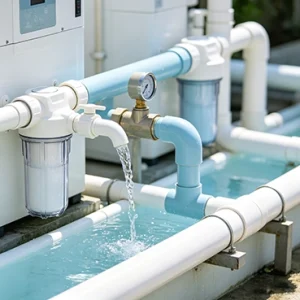
clean water pipes
3. How to Clean Your Pipes?
Cleaning your home’s water pipes isn’t overly complex. Beginning easy. Flush your system. Switch on every cool water tap in your house– pica, tubs, outside faucets. Allow them run full blast for 10-15 mins. This forces fast water circulation. It can displace loose debris. Do this a few times a year. For mineral buildup (tough water range), vinegar is your good friend. Disconnect tap aerators and showerheads. Soak them overnight in white vinegar. This liquifies the chalky white deposits. Reattach them in the morning. For pipelines themselves, an even more complete flush aids. Shut off your hot water heater’s cool water supply first. Affix a yard hose pipe to the water heater’s drain valve. Run the hose exterior. Open the drain shutoff and a hot water tap someplace in your home. Let it purge up until the water runs clear. This gets rid of debris from the heater and warm water lines. For stubborn problems or whole-house cleansing, think about an expert plumber. They have powerful devices like hydro-jetting equipments. These blast water at high stress through the pipes. They remove challenging buildup safely. Never make use of extreme chemical drainpipe cleansers indicated for sinks in your major supply lines. These chemicals are as well strong. They can damage pipes and contaminate water.
Quick Pipe Cleaning Checklist
☐ Run all cold water taps for 10–15 minutes (do this every 2–3 months)
☐ Remove and soak faucet aerators and showerheads in white vinegar overnight
☐ Flush water heater annually via drain valve
☐ Check water pressure and color after each cleaning step
☐ If problems persist, consult a professional plumber
4. Secret Aplicacions: Where Pipeline Cleaning Matters The Majority Of
Particular places in your home benefit extremely from tidy pipelines. Your kitchen tap is number one. You consume this water. You prepare with it. Clean pipes suggest better sampling coffee, tea, i menjar. Sediment can obstruct ice manufacturers and refrigerator water dispensers. Keep those pipelines clear. Bathrooms are following. Showerheads and tub spouts obtain obstructed with minerals quick. Reduced pressure ruins a great shower. Tidy pipes guarantee strong circulation. Bany fill shutoffs can likewise get gummed up with sediment. This creates sluggish container filling or continuous running. Hot water heating units are debris magnets. Minerals settle at the end of the container. This acts like insulation. The heating unit functions harder. It costs even more to run. Purging the heater yearly is vital. It extends the heating unit’s life. It conserves power. Home appliances like washing equipments and dishwashers attach to your water. Sediment can damage their internal valves and filters. Clean pipes assist them last longer.
A Note on Gas Pipe Maintenance
While water pipes require regular cleaning to maintain flow and water quality, gas pipes serve a different purpose—delivering natural gas safely to appliances. Unlike water lines, gas pipes don’t suffer from mineral buildup or sediment accumulation. No obstant això, they do require periodic inspection for corrosion, joint integrity, and ground movement damage, especially in underground installations.
HDPE gas pipes are the preferred choice for modern gas distribution because they resist corrosion completely, fuse into leak-proof joints, and flex with ground shifts. If your home or project uses older steel gas lines, consider a professional inspection every few years. Signs of concern include the smell of gas, hissing sounds near pipes, or unexplained higher gas bills.
For new installations or replacing aging gas lines, polietilè d'alta densitat (HDPE) pipes offer a 50-year service life with minimal maintenance.

Clean Supply Water Pipes In House
5. Pipes Cleansing Frequently Asked Questions
Got questions? Right here are quick responses.
1. Just how commonly should I cleanse my pipelines?
Flush your faucets for a couple of mins every couple of months. Clean faucet aerators and showerheads every 3-6 mesos. Flush your hot water heater yearly. Consider a professional flush every 2-5 anys, depending upon water high quality and pipe age.
2. Can I clean up pipes myself?
Sí, for basic flushing and aerator/showerhead cleansing. Purging the hot water heater is also DIY-friendly. For major accumulation or whole-house cleansing, hire a plumbing professional. They have the best devices.
3. What are signs my pipelines require cleaning?
Expect unclean or stained water (brownish, groc, vermell), low tide stress, weird tastes or smells (metall, rotten egg), and sputtering faucets.
4. Do water softeners help?
Sí! If you have hard water, a softener prevents new mineral scale from forming. It secures pipelines and home appliances. It makes cleaning much easier.
5. Are chemical cleansers safe?
Stay clear of chemical drain cleaners in your major water system pipes. They are harsh. They can harm pipes. They leave unsafe residues. Stick to mechanical methods like flushing or hydro-jetting. Vinegar is secure for tiny components.
6. Do gas pipes need cleaning like water pipes?
A: No. Gas pipes don’t accumulate mineral buildup. No obstant això, they should be inspected periodically for corrosion, joint integrity, and physical damage—especially in older steel systems.
7. What type of pipe lasts longest for home water supply?
A: PEX and copper are the most common long-lasting materials today. In many cases, PEX offers easier installation and better freeze resistance. For main supply lines entering the house, HDPE is widely used due to its durability and corrosion resistance.

(Com netejar les canonades d'aigua de subministrament a casa)
What concerning old galvanized pipelines? These are susceptible to rust and heavy buildup. Purging aids briefly. Substitute with copper or PEX is usually the most effective lasting service. They resist rust better.
Winter Tip: If you live in a region with freezing winters, consider insulating exposed pipes in basements, crawl spaces, and exterior walls. Frozen pipes can burst, causing costly damage. For outdoor faucets, shut off the supply and drain the line before the first freeze.
Ready to Replace Your Old Pipes?
If flushing and cleaning reveal that your galvanized or corroded pipes are beyond saving, upgrading to modern, high-quality piping is the smartest long-term investment for your home. A les Luoyang Datang Energy Tech Co., Ltd., we manufacture and supply a full range of certified plumbing solutions including PVC, PEX, PPR, and HDPE pipes and fittings—engineered for corrosion resistance, leak-free performance, and decades of reliable service.
Whether you are a homeowner planning a renovation, a contractor sourcing materials for residential repiping, or a wholesaler expanding your product line, our NSF/ASTM-certified pipes offer the durability and safety your water supply system demands.
POSTES RELACIONATS
Quin tipus de canonada de subministrament d'aigua per al moll a Florida
La canonada de subministrament d'aigua està assegurada per la pòlissa d'assegurança del propietari
Quant de temps sobresurt la canonada de subministrament d'aigua de la paret

Quin tipus de canonada s'utilitza per al subministrament subterrani d'aigua potable
Accessoris PPR & Accessoris de llautó,Com triar el correcte?