LUOYANG DATANG ENERGY TECH CO.,LTD

Drip Irrigation vs. Sprinkler Irrigation: Which Pipe System Works Best?
Selecting the appropriate irrigation approach is a pivotal decision for modern agriculture. Growers must weigh water efficiency, crop type, soil characteristics, and budget to identify the best system. This post examines the practical differences between drip and sprinkler irrigation and highlights pipe considerations and the irrigation pipe system that affect performance and costs.
1.How Drip Irrigation Works
Drip irrigation supplies water slowly at the root zone through tubing and emitters. This precision reduces evaporation and runoff, helping crops maintain consistent moisture. Drip installations typically require flexible lateral tubing, efficient filtration, and careful layout planning to avoid clogging and ensure uniformity.
1.1 Advantages of Drip Systems
Drip irrigation excels for vegetables, orchards, and greenhouse crops where targeted water delivery and fertigation support are essential. Drip systems conserve water and often improve crop quality by maintaining steady soil moisture.
2.How Sprinkler Irrigation Works
Sprinkler systems distribute water through pressurized mains and lateral lines to overhead nozzles or rotating heads. They are effective for larger fields and crops that benefit from aerial coverage. Sprinkler installations involve higher-pressure components and must be designed to reduce wind drift and evaporation.
2.1 Advantages of Sprinkler Systems
Sprinklers provide rapid coverage for broad-acre crops, pastures, and turf. They are easier to automate for zone-based scheduling and can be scaled efficiently for large acreages.
3.Key Pipe Considerations
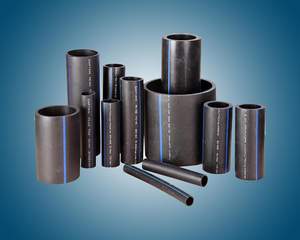
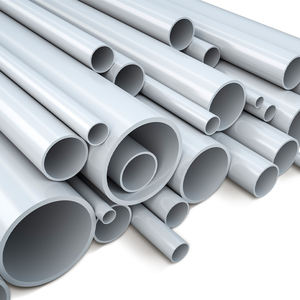
The right pipes and fittings affect reliability and longevity. Look for materials suited to your climate and water chemistry. Common choices include HDPE for flexibility and UV resistance, PVC for rigid mains, and PPR for chemical resistance. Proper jointing methods and certified fittings reduce the risk of leaks and failures.
3.1 Installation & Maintenance
Installation strategies differ: shallow, flexible lateral lines for drip vs deeper, more robust mains for sprinklers. Periodic maintenance—flushing, pressure testing, and inspecting joints—is necessary to maintain performance and prevent blockages or leaks.
3.2 Cost & Performance Trade-offs
Drip systems often require more components per hectare (emitters, filters, controllers), but deliver superior water efficiency. Sprinkler systems may have lower per-hectare component density but need more pumping power and larger diameter mains.
4. Practical Recommendations
Conduct a water audit and soil analysis before selecting a system.
Match pipe diameters to flow and pressure requirements.
Choose proven materials and certified fittings to reduce downtime.
Design modular systems for easy expansion as cropping patterns change.
Conclusion
Both irrigation methods have valid roles depending on crop, climate, and farm size. Understanding pipe performance and system-level interactions is key to designing a resilient irrigation solution that minimizes waste and maximizes yield.
Supplier
Luoyang Datang Energy Tech Co., Ltd. is a leading Chinese manufacturer specializing in high-quality plastic pipes and fittings. Equipped with state-of-the-art automated production lines and supported by a team of 200 professionals, we offer an extensive product line comprising over 150 types of plastic pipes and fittings designed for water supply and drainage systems, gas transmission, and floor heating systems. Our main products include PVC Pipes and Fittings, PE (HDPE) Pipes and Fittings, PPR Pipes and Fittings, and PEX Floor Heating Pipes.