LUOYANG VINO ENERGÍA TECH CO., LTD

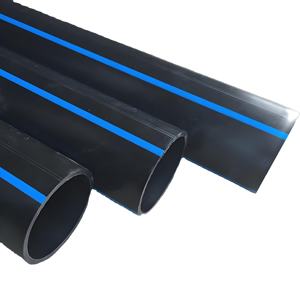
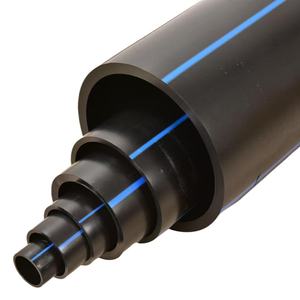
Tubería de polietileno de alta densidad para agua y aguas residuales
PARÁMETROS DEL PRODUCTO
Descripción
Introduction of Water and Wastewater High Density Polyethylene Pipe
Tubería de polietileno de alta densidad (Tubería de PE) Es una solución de tubería termoplástica duradera y flexible ampliamente utilizada en la industria., municipal, agrícola, y aplicaciones mineras. Conocido por su excelente resistencia química, alta resistencia al impacto, y larga vida útil, Las tuberías de PE son ideales para transportar agua, gases, y otros fluidos bajo diferentes condiciones de presión.
Key Features of Water and Wastewater High Density Polyethylene Pipe
Corrosión & Resistencia química
Resistente al óxido, escala, y la mayoría de los químicos, haciéndolo adecuado para ambientes agresivos.
Ligero & Flexible
Fácil de transportar e instalar gracias a su bajo peso; La flexibilidad permite doblarse sin juntas en ciertas aplicaciones..
Resistencia de alto impacto
Resiste condiciones climáticas extremas y estrés físico., reduciendo los riesgos de rotura.
Juntas sin fugas
Las uniones termofundidas crean conexiones perfectas., minimizando los riesgos de fugas.
Larga vida útil
Resistente a los rayos UV y a la abrasión, con una vida útil superior 50 años en condiciones adecuadas.
Superficie interior lisa
Reduce la pérdida por fricción, mejorar la eficiencia del flujo y reducir los costos de energía.
Ecológico
No tóxico, reciclable, y cumple con las normas de seguridad del agua potable.
Rentable
Menores costos de instalación y mantenimiento en comparación con los materiales tradicionales. (p.ej., metal, concreto).
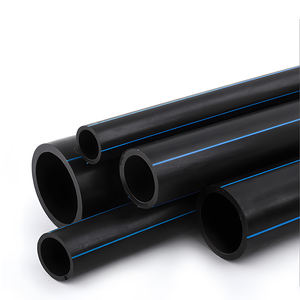
(Tubería de polietileno de alta densidad para agua y aguas residuales)
Specifications of Water and Wastewater High Density Polyethylene Pipe
Water and wastewater high density polyethylene pipeline (PEAD) supplies a trustworthy remedy for fluid transportation. HDPE pipe is made from solid, flexible plastic. It resists rust exceptionally well. This makes it optimal for moving water and handling wastewater. Rust and chemical assault are not problems for HDPE. The pipe handles pressure successfully. Its stress rating is called PN. Usual PN rankings include PN6, PN8, PN10, PN12.5, y PN16. The PN number informs you the maximum pressure the pipeline can take. Higher PN means greater stress capability.
HDPE pipe is available in many dimensions. Diameters vary from little 16mm pipes approximately large 1600mm pipelines. You can locate the ideal size for several jobs. It functions well in various temperature levels. The pipe does dependably from -40 ° C up to 60 °C. This suits most ecological problems. Setup is usually much easier than metal pipe. HDPE is light-weight. This minimizes handling prices. Its versatility permits flexing around barriers. You need less fittings. Trenching requirements can be less complex. The smooth inner surface maintains water streaming effectively. Less rubbing implies lower pumping prices gradually.
Chemical resistance is a major advantage. HDPE holds up against numerous acids, antacid, and salts located in dirt and wastewater. It doesn’t leach unsafe compounds right into drinking water. Jointing methods are reputable. Butt blend welding develops leak-free, irreversible joints. The weld is as strong as the pipeline itself. Electrofusion fittings offer an additional strong choice. Mechanical joints are also offered for details needs. HDPE pipe has a long service life. It lasts over half a century with right installation and usage. This resilience means reduced replacement prices. Maintenance needs are minimal. It’s an economical option for water system networks, sistema de alcantarillado, and commercial discharge lines.

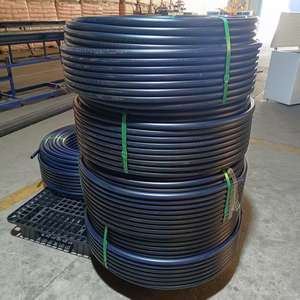
(Tubería de polietileno de alta densidad para agua y aguas residuales)
Applications of Water and Wastewater High Density Polyethylene Pipe
Water and wastewater systems need reliable pipes. Old steel pipes often corrosion and break. Concrete pipelines crack. Leakages drainage and trigger costly damage. High Thickness Polyethylene (PEAD) pipe addresses these problems. It’s a strong plastic pipeline. HDPE does not rust. It withstands chemicals in wastewater. It takes care of harsh dirt problems well. This makes HDPE extremely durable. Anticipate years of service.
HDPE pipelines are really versatile. This assists during installment. Teams can bend the pipeline around barriers. It requires fewer installations. This lowers labor expenses. Adaptable pipelines also manage ground movement better. They withstand quakes and moving dirt. They do not split quickly.
A significant benefit is leak-free joints. Workers join HDPE areas utilizing heat blend. They melt the pipeline finishes with each other. This creates a seamless, long-term bond. The joint is as solid as the pipe itself. This prevents leaks completely. It stops water loss and maintains groundwater tidy.
HDPE helps numerous water jobs. Cities use it for new main water lines. It’s excellent for taking care of old pipelines without digging big trenches. Employees pull HDPE via old, damaged pipes. This saves time and money. It reduces street interruption. HDPE brings drinking water securely. It does not include preference or smell.
Wastewater applications are very important as well. HDPE takes care of raw sewage and stormwater. Manufacturing facilities use it for chemical discharge lines. It stands up to acids and other harsh wastes. Treatment plants make use of HDPE for sludge lines and dealt with effluent. Its smooth inside prevents buildup. Wastewater streams freely.
Installment is often quicker. HDPE coils been available in lengthy sizes. Employees fuse areas promptly above ground. They reduced the lengthy pipe string into the trench. This implies fewer joints in the ditch. It accelerates the work. The pipeline is likewise lighter than steel or concrete. Handling is easier and safer.
HDPE offers reduced life time expenses. It lasts much longer. It requires very little maintenance. You avoid repair service prices from leaks and breaks. Lowered installation time conserves cash upfront.
Embalaje y envío
Depende de los productos y la cantidad.,Podríamos hacer el embalaje de bobinado.,rollos,embalaje del paquete,cajones o cajas,etc..
Envío:Por mar,ferrocarril,Por vía aérea o a petición del cliente..
Perfil de la empresa
Luoyang Datang Energy Tech Co., Limitado. es un fabricante chino líder que se especializa en tuberías y accesorios de plástico de alta calidad.. Equipado con líneas de producción automatizadas de última generación y respaldado por un equipo de 200 profesionales, Ofrecemos una extensa línea de productos que comprende más de 150 tipos de tuberías y accesorios de plástico diseñados para sistemas de suministro de agua y drenaje, transmisión de gas, y sistemas de calefacción por suelo radiante. Nuestros principales productos incluyen tuberías y accesorios de PVC., educación física (PEAD) Tuberías y accesorios, Tuberías y accesorios de PPR, y tuberías de calefacción por suelo radiante PEX.
Si tiene alguna pregunta sobre la instalación de tuberías de HDPE, por favor no dude en contactarnos!
Telf.:0086-183 3790 0677
chatear: 0086-183 3790 0677
Whatsapp: 0086-183 3790 0677
Correo electrónico: ventas@pipesandfittings.net
Condiciones de pago
T/T,L/C a la vista,Western Union & PayPal,etc..
5 FAQs of Water and Wastewater High Density Polyethylene Pipe
Here are five common questions about Water and Wastewater High Density Polyethylene Pipe (PEAD):
What exactly is HDPE pipe? HDPE pipe is plastic pipe made from strong polyethylene resin. It’s flexible and tough. This pipe handles water pressure well. It resists chemicals and corrosion effectively. HDPE is common for moving drinking water and treating wastewater.
Why pick HDPE pipe over other materials? HDPE offers big advantages. Its flexibility lets it bend around obstacles. This reduces fitting needs. HDPE joints are fused together. This creates leak-free seals. The material won’t rust or corrode. It handles harsh chemicals in wastewater. HDPE pipe is also lightweight. This makes installation easier and cheaper.
Where is HDPE pipe typically used? HDPE pipe works for many water applications. It carries drinking water underground. It moves wastewater in treatment plants. HDPE is good for sewer force mains. It suits industrial discharge lines. HDPE pipe is also used for trenchless installations. This means less digging. HDPE works well for river crossings. It handles areas with ground movement.
How long does HDPE pipe actually last? HDPE pipe has a very long service life. Manufacturers often rate it for over 50 años. Its resistance to corrosion helps this. Sunlight degrades HDPE over time. Proper burial protects it. Freezing water inside usually doesn’t crack it. HDPE expands slightly. This makes it good for cold climates. Proper installation ensures maximum lifespan.
How do you connect HDPE pipe sections? HDPE pipe sections join using heat fusion. This melts the pipe ends together. Butt fusion joins pipe ends directly. Electrofusion uses special fittings with heating elements. Fusion creates a permanent, monolithic bond. This bond is as strong as the pipe itself. Mechanical fittings are possible for temporary connections. Fusion is the standard for permanent, leak-proof systems.

(Tubería de polietileno de alta densidad para agua y aguas residuales)
SOLICITAR COTIZACIÓN
PRODUCTOS RELACIONADOS
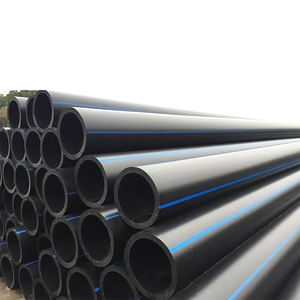
Tubos de agua de irrigación del HDPE del polietileno de alta densidad tubos 20-800m m Sdr9
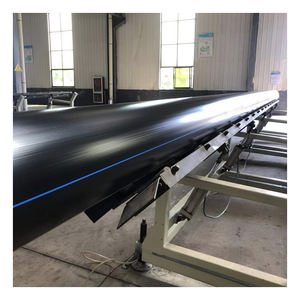
Recicle la materia prima plástica del polietileno de alta densidad del grado de la protuberancia del tubo del HDPE
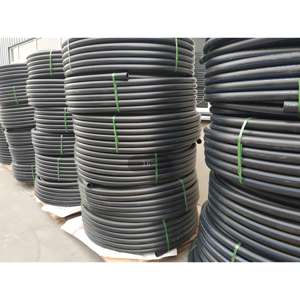
355mm HDPE Pipe PE100 High Density Polyethylene Dredging Float Pipes
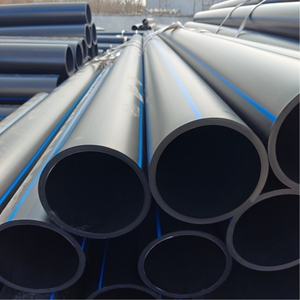
160mm 200mm HDPE Pipe Water Supply Agriculture Irrigation Polyethylene Pipe Welding Machine
Tubería de HDPE de alta densidad Tubos de polietileno duraderos para suministro de agua a alta presión