LUOYANG È VENUTO ENERGIA TECH CO.,LTD

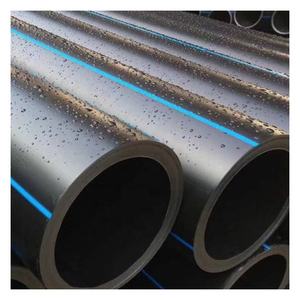
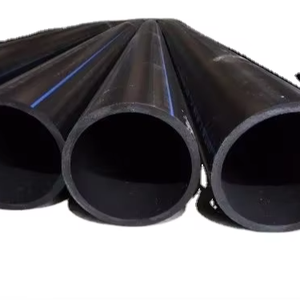
Tubo in polietilene ad alta densità per acqua e acque reflue
PARAMETRI DEL PRODOTTO
Descrizione
Introduzione del tubo in polietilene ad alta densità per acqua e acque reflue
Tubo in polietilene ad alta densità (Tubo in PE) è una soluzione di tubazioni termoplastiche durevole e flessibile ampiamente utilizzata nell'industria, comunale, agricolo, e applicazioni minerarie. Noto per la sua eccellente resistenza chimica, elevata resistenza agli urti, e lunga durata, I tubi in PE sono ideali per il trasporto dell'acqua, gas, e altri fluidi in condizioni di pressione variabili.
Caratteristiche principali del tubo in polietilene ad alta densità per acqua e acque reflue
Corrosione & Resistenza chimica
Resistente alla ruggine, scala, e la maggior parte dei prodotti chimici, rendendolo adatto ad ambienti aggressivi.
Leggero & Flessibile
Facile da trasportare e installare grazie al peso ridotto; la flessibilità consente la piegatura senza giunzioni in determinate applicazioni.
Elevata resistenza agli urti
Resiste a condizioni meteorologiche estreme e stress fisico, riducendo i rischi di rottura.
Giunti senza perdite
I giunti fusi a caldo creano connessioni senza soluzione di continuità, riducendo al minimo i rischi di perdite.
Lunga durata
Resistente ai raggi UV e all'abrasione, con una durata di vita superiore 50 anni in condizioni adeguate.
Superficie interna liscia
Riduce la perdita di attrito, migliorare l’efficienza del flusso e ridurre i costi energetici.
Ecologico
Non tossico, riciclabile, e conforme agli standard di sicurezza dell'acqua potabile.
Conveniente
Costi di installazione e manutenzione inferiori rispetto ai materiali tradizionali (per esempio., metallo, calcestruzzo).
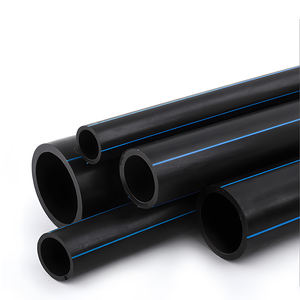
(Tubo in polietilene ad alta densità per acqua e acque reflue)
Specifiche del tubo in polietilene ad alta densità per acqua e acque reflue
Water and wastewater high density polyethylene pipeline (HDPE) supplies a trustworthy remedy for fluid transportation. HDPE pipe is made from solid, plastica flessibile. It resists rust exceptionally well. This makes it optimal for moving water and handling wastewater. Rust and chemical assault are not problems for HDPE. The pipe handles pressure successfully. Its stress rating is called PN. Usual PN rankings include PN6, PN8, PN10, PN12.5, e PN16. The PN number informs you the maximum pressure the pipeline can take. Higher PN means greater stress capability.
HDPE pipe is available in many dimensions. Diameters vary from little 16mm pipes approximately large 1600mm pipelines. You can locate the ideal size for several jobs. It functions well in various temperature levels. The pipe does dependably from -40 ° C up to 60 °C. This suits most ecological problems. Setup is usually much easier than metal pipe. HDPE is light-weight. This minimizes handling prices. Its versatility permits flexing around barriers. You need less fittings. Trenching requirements can be less complex. The smooth inner surface maintains water streaming effectively. Less rubbing implies lower pumping prices gradually.
Chemical resistance is a major advantage. HDPE holds up against numerous acids, antiacido, and salts located in dirt and wastewater. It doesn’t leach unsafe compounds right into drinking water. Jointing methods are reputable. Butt blend welding develops leak-free, irreversible joints. The weld is as strong as the pipeline itself. Electrofusion fittings offer an additional strong choice. Mechanical joints are also offered for details needs. HDPE pipe has a long service life. It lasts over half a century with right installation and usage. This resilience means reduced replacement prices. Le esigenze di manutenzione sono minime. It’s an economical option for water system networks, sewer system, and commercial discharge lines.

(Tubo in polietilene ad alta densità per acqua e acque reflue)
Applicazioni di tubi in polietilene ad alta densità per acqua e acque reflue
Water and wastewater systems need reliable pipes. Old steel pipes often corrosion and break. Concrete pipelines crack. Leakages drainage and trigger costly damage. Polietilene ad alto spessore (HDPE) pipe addresses these problems. It’s a strong plastic pipeline. HDPE does not rust. It withstands chemicals in wastewater. It takes care of harsh dirt problems well. This makes HDPE extremely durable. Anticipate years of service.
HDPE pipelines are really versatile. This assists during installment. Teams can bend the pipeline around barriers. It requires fewer installations. This lowers labor expenses. Adaptable pipelines also manage ground movement better. They withstand quakes and moving dirt. They do not split quickly.
A significant benefit is leak-free joints. Workers join HDPE areas utilizing heat blend. They melt the pipeline finishes with each other. Questo crea una soluzione senza soluzione di continuità, long-term bond. Il giunto è solido quanto il tubo stesso. This prevents leaks completely. It stops water loss and maintains groundwater tidy.
HDPE helps numerous water jobs. Cities use it for new main water lines. It’s excellent for taking care of old pipelines without digging big trenches. Employees pull HDPE via old, damaged pipes. Ciò consente di risparmiare tempo e denaro. It reduces street interruption. HDPE brings drinking water securely. It does not include preference or smell.
Wastewater applications are very important as well. HDPE takes care of raw sewage and stormwater. Manufacturing facilities use it for chemical discharge lines. It stands up to acids and other harsh wastes. Treatment plants make use of HDPE for sludge lines and dealt with effluent. Its smooth inside prevents buildup. Wastewater streams freely.
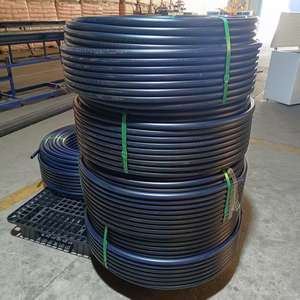
Installment is often quicker. HDPE coils been available in lengthy sizes. Employees fuse areas promptly above ground. They reduced the lengthy pipe string into the trench. This implies fewer joints in the ditch. It accelerates the work. The pipeline is likewise lighter than steel or concrete. Handling is easier and safer.
HDPE offers reduced life time expenses. Dura molto più a lungo. It requires very little maintenance. You avoid repair service prices from leaks and breaks. Lowered installation time conserves cash upfront.
Imballaggio e spedizione
Dipende dai prodotti e dalla quantità,potremmo effettuare l'imballaggio dell'avvolgimento,rotoli,imballaggio in bundle,casse o scatole,ecc.
Spedizione:Via mare,ferrovia,per via aerea o come richiesta del cliente.
Profilo Aziendale
Luoyang Datang Energy Tech Co., Ltd. è un produttore cinese leader specializzato in tubi e raccordi in plastica di alta qualità. Dotato di linee di produzione automatizzate all'avanguardia e supportato da un team di 200 professionisti, offriamo una vasta linea di prodotti che comprende oltre 150 tipi di tubi e raccordi in plastica progettati per sistemi di approvvigionamento idrico e di drenaggio, trasmissione del gas, e sistemi di riscaldamento a pavimento. I nostri prodotti principali includono tubi e raccordi in PVC, PE (HDPE) Tubi e raccordi, Tubi e raccordi PPR, e tubi per riscaldamento a pavimento PEX.
In caso di domande relative al raccordo per tubi in HDPE, non esitate a contattarci!
tel.:0086-183 3790 0677
Wechat: 0086-183 3790 0677
Whatsapp: 0086-183 3790 0677
E-mail: sales@pipesandfittings.net
Termini di pagamento
T/T,L/C a vista,Unione occidentale & PayPal,ecc.
5 Domande frequenti sui tubi in polietilene ad alta densità per acqua e acque reflue
Here are five common questions about Water and Wastewater High Density Polyethylene Pipe (HDPE):
Cos'è esattamente il tubo in HDPE? HDPE pipe is plastic pipe made from strong polyethylene resin. It’s flexible and tough. This pipe handles water pressure well. It resists chemicals and corrosion effectively. HDPE is common for moving drinking water and treating wastewater.
Why pick HDPE pipe over other materials? L'HDPE offre grandi vantaggi. Its flexibility lets it bend around obstacles. Ciò riduce le esigenze di adattamento. HDPE joints are fused together. This creates leak-free seals. The material won’t rust or corrode. It handles harsh chemicals in wastewater. HDPE pipe is also lightweight. This makes installation easier and cheaper.
Where is HDPE pipe typically used? HDPE pipe works for many water applications. It carries drinking water underground. It moves wastewater in treatment plants. HDPE is good for sewer force mains. It suits industrial discharge lines. HDPE pipe is also used for trenchless installations. This means less digging. HDPE works well for river crossings. It handles areas with ground movement.
How long does HDPE pipe actually last? HDPE pipe has a very long service life. Manufacturers often rate it for over 50 anni. Its resistance to corrosion helps this. Sunlight degrades HDPE over time. Proper burial protects it. Freezing water inside usually doesn’t crack it. HDPE expands slightly. This makes it good for cold climates. Una corretta installazione garantisce la massima durata.
Come si collegano le sezioni di tubo in HDPE? HDPE pipe sections join using heat fusion. Questo scioglie le estremità del tubo insieme. Butt fusion joins pipe ends directly. Electrofusion uses special fittings with heating elements. Fusion creates a permanent, monolithic bond. This bond is as strong as the pipe itself. Mechanical fittings are possible for temporary connections. Fusion is the standard for permanent, leak-proof systems.

(Tubo in polietilene ad alta densità per acqua e acque reflue)
RICHIEDI UN PREVENTIVO
PRODOTTI CORRELATI
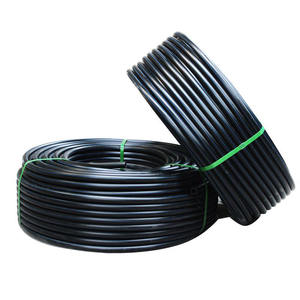
HZH Factory High Density Polyethylene Pipe for Water Supply
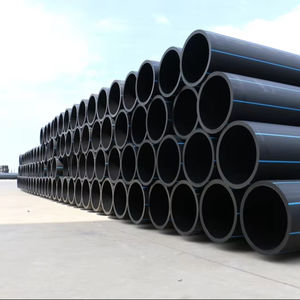
Grado del tubo in granuli vergini di materia prima plastica HDPE PE100 in polietilene ad alta densità
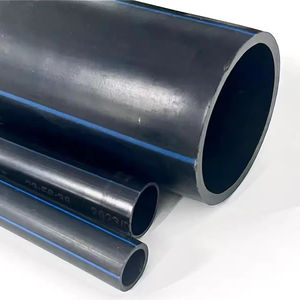
PE per il trattamento dell'acqua di alta qualità 100 PE 80 3 1″ 1.5″ 2″ Tubo per irrigazione in HDPE per giardino agricolo
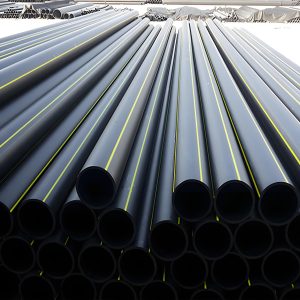
Tubo in HDPE industriale resistente alla corrosione all'ingrosso
Tubo in polietilene ad alta densità HDPE SDR17 in varie lunghezze Disponibile servizio di elaborazione personalizzato