LUOYANG LAKO MAI NA GUNU TECH CO., LTD

Factory Api 5l Welded Pipe Q345 10# 20# Paipo ni Weld Paipo ni Sitila ni Kaboni
VEIKA E VAKARAUTAKI
Ivakamacala
Overview of Factory Api 5l Welded Pipe Q345 10# 20# Paipo ni Weld Paipo ni Sitila ni Kaboni
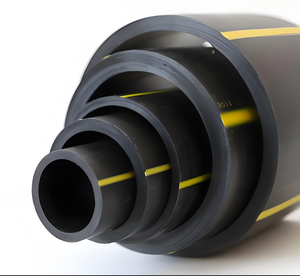
Factory Api 5l Welded Pipe Q345 10# 20# Weld Tube Carbon Steel Pipe is designed for efficient and secure gas transportation in residential, bisinisi, kei na veiqaravi vakacakacaka. Caka mai na iyaya tudei me vaka na sitila ni kaboni ., acero inoxidable, se polietileni PE, na noda paipo ni kasi vakadeitaka na cakacaka ni leakage kei na nuitaki ni gauna balavu. Se me baleta na kasi ni veika bula ., propane, se so tale na kasi ni waiwai ., noda ivoli sotava na ivakatagedegede kaukauwa ni bisinisi me baleta na taqomaki kei na cakacaka.
Features of Factory Api 5l Welded Pipe Q345 10# 20# Paipo ni Weld Paipo ni Sitila ni Kaboni
Corrosion-Vakacacani – Vakarautaki me vosota na vanua dredre ka tarova na leakage ..
Na veivakasaurarataki cecere kei na katakata ni vosota – Veiganiti me baleta na gagadre ni ivakarau ni veisoliyaki ni kasi ..
Mamada ka veisautaki na paipo ni PE – Rawarawa me vakacurumi ena kaukauwa vinaka sara ..
Leakage-vakadinadina ni veisemati – Dodonu ni veivakadodonutaki kei na threading me baleta na veiwekani taqomaki.
Vakamuria na ivakatagedegede ni veitaqomaki – Vakadeitaki me baleta na cakacaka nuitaki ena kerekere ni kasi ..

(Factory Api 5l Welded Pipe Q345 10# 20# Paipo ni Weld Paipo ni Sitila ni Kaboni)
Specifications of Factory Api 5l Welded Pipe Q345 10# 20# Paipo ni Weld Paipo ni Sitila ni Kaboni
This factory produces API 5L welded pipes. These pipes carry oil and gas. They are made from carbon steel. Three common grades are Q345, 10#, kei 20#. Each grade suits different needs.
The API 5L standard is important. It sets rules for pipe quality. It ensures pipes are safe and reliable. These pipes meet this standard. They are suitable for pipeline systems.
Q345 steel offers good strength. It handles higher pressure well. This grade is common in demanding projects. It provides a solid balance of strength and toughness.
10# steel is a lower carbon grade. It is easier to form and weld. It works well for less demanding pressure situations. This grade is often more cost-effective.
20# steel is another common choice. It has slightly more carbon than 10#. It provides better strength than 10#. It is widely used in general industrial applications.
The pipes have specific material properties. Yield strength and tensile strength are key measures. Q345 has the highest strength. 10# has the lowest. 20# sits in the middle. Chemical composition matters too. Carbon, manganese, silicon, sulfur, and phosphorus levels are controlled. This control ensures performance and weldability.
Standard pipe sizes are available. Outer diameters range widely. Wall thickness varies based on the schedule. Common schedules include SCH 40 and SCH 80. Na balavu e dau . 6 meters or 12 mita. Custom lengths are possible.
The pipes are welded longitudinally. This means the seam runs straight along the pipe. Modern welding methods ensure a strong, consistent seam. The pipes undergo testing. Hydrostatic tests check for leaks. Non-destructive tests examine the weld seam integrity. Dimensions are carefully checked. Surface finish is inspected.
These pipes connect systems. They transport fluids safely. They are used in oil fields, gas distribution, water projects, and structural applications. Choosing the right grade depends on the required pressure and service conditions.

(Factory Api 5l Welded Pipe Q345 10# 20# Paipo ni Weld Paipo ni Sitila ni Kaboni)
Applications of Factory Api 5l Welded Pipe Q345 10# 20# Paipo ni Weld Paipo ni Sitila ni Kaboni
Factory API 5L welded pipes are essential steel tubes. They move fluids and gases safely under pressure. Common grades include Q345, 10#, kei 20# carbon steel. These grades offer good strength and weldability. This makes them suitable for many demanding jobs.
The oil and gas industry uses these pipes heavily. They transport crude oil from wells. They carry natural gas over long distances. They work in gathering lines and transmission pipelines. Their strength handles high pressure underground or above ground. They are reliable for these critical energy networks.
Construction projects need these pipes too. They form structural supports in buildings. They are part of large frameworks and bridges. Builders use them for scaffolding systems. Their durability supports heavy loads safely. This makes construction sites more efficient.
Water systems depend on these welded pipes. They are key for municipal water supply lines. They carry drinking water to homes and businesses. They handle wastewater removal effectively. Treatment plants use them for moving water. Irrigation systems rely on them for distributing water to farms. They resist corrosion well in these wet environments.
Factories use these pipes extensively. They create conveyor system frames. They build machine guards and safety cages. They form handrails and walkways. They are vital for material handling equipment. Their consistent quality ensures smooth factory operations.
Mechanical engineering applications are common. These pipes work as hydraulic cylinder barrels. They form parts for presses and other heavy machinery. They are used for compressed air lines inside plants. Their precise dimensions fit engineering designs perfectly.
These pipes are also chosen for general fabrication. Workshops use them for custom frames and supports. They build storage racks and workbenches. They make fencing and gates strong. Fabricators appreciate their ready availability and good performance.
Embalaje y envío
Depende en los productos y qty,Eda rawa ni cakava na vakavodoki ni coiling,rolo,vakavodoki ni iyaya,kato se kato,kei na so tale.
Vakauta:Ena wasawasa,sitimanivanua,ena cagi se me vaka na kerekere ni kasitama.
iTukutuku ni Kabani
Luoyang Datang kaukauwa tekinolaji co., Ltd. e dua na kabani ni Jaina liu ka kenadau ena paipo palasitika cecere kei na iyaya .. Vakarautaki ena laini ni buli iyaya vakataki koya ni matanitu-ni-na-cakacaka ka tokoni mai na dua na timi ni . 200 kenadau, eda solia e dua na laini ni ivoli raraba e oka kina e sivia na . 150 mataqali paipo palasitika kei na iyaya e vakarautaki me baleta na wai kei na ivakarau ni vakadrodroi ., taranisimisani ni kasi, kei na ivakarau ni vakatakatari ni fuloa .. Na noda ivoli bibi e oka kina na PVC paipo kei na iyaya ., PE (HDPE) Paipo kei na iyaya, Paipo kei na iyaya ni PPR, kei na PEX Paipo ni Vakatakatataki ni Fuloa.
Kevaka e tiko vei iko e dua na vakatataro me baleta na HDPE paipo veiganiti ., kerekere mo kakua ni lomalomarua mo veitaratara kei keda!
Tel.:0086-183 3790 0677
Veitalanoa: 0086-183 3790 0677
Whatsapp: 0086-183 3790 0677
Imeli: volivolitaki@paipo kei na iyaya.net
Na ivakarau ni sausaumi
T/T,L/C ena rai,Iunioni ni Tokalau & Pepa,kei na so tale.
5 FAQs of Factory Api 5l Welded Pipe Q345 10# 20# Paipo ni Weld Paipo ni Sitila ni Kaboni
What exactly are these pipes?
These are welded steel tubes. They meet API 5L standards. This means they are good for oil and gas pipelines. They are made from carbon steel grades Q345, 10#, se 20#. The pipes are strong and durable.
What’s the difference between Q345, 10#, kei 20# kaukamea?
The grades refer to different steel compositions. Q345 is a low-alloy steel. It has higher yield strength. 10# kei 20# are carbon steels. 20# has slightly more carbon than 10#. This affects strength and weldability. Choose the grade based on your project pressure needs.
Why is API 5L certification important?
API 5L is a key standard. It ensures the pipes are safe for transporting oil and gas. Certified pipes pass strict tests. These tests check strength, chemistry, kei na kena levu. Using API 5L pipes reduces project risks.
What sizes are available?
These welded pipes come in many sizes. Na diamita e taudaku e tekivu mai na lailai ki na levu .. Wall thicknesses vary too. Common options are listed in product specs. Check the specs for exact sizes needed for your job.
How is quality controlled?
Factories use strict checks. They inspect the steel material first. The welding process is monitored closely. Finished pipes undergo tests. Common tests include hydrostatic pressure tests and visual checks. This ensures the pipes are defect-free.

(Factory Api 5l Welded Pipe Q345 10# 20# Paipo ni Weld Paipo ni Sitila ni Kaboni)
KEREA E DUA NA VEIVAKADEITAKI
VEIKA E VEIWEKANI
Top Quality ASTM Round Seamless Carbon Steel Pipe 20# 45# Carbon Steel Seamless Pipe
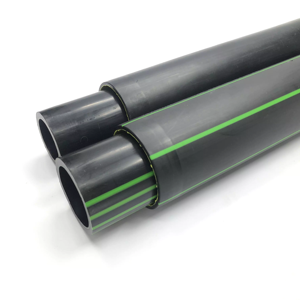
Sch160 Carbon Steel Seamless Pipes High Quality
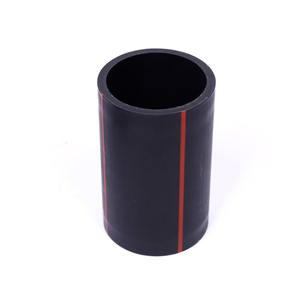
Fire Fighting Seamless ERW Sch 40 80 Carbon Steel Galvanized Steel Pipe Welded 6M Tube
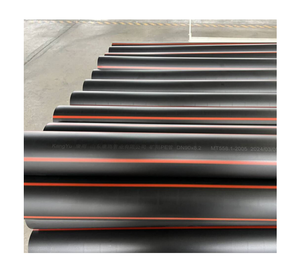
Seamless Steel Pipe Carbon Steel Seamless Pipe for Oil Gas Pipeline
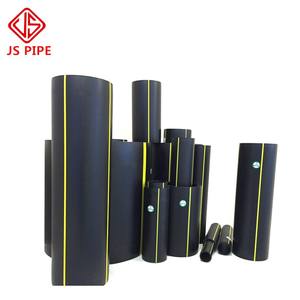
Hot New Products Custom Astm A106 A53 Api 5l X42-x80 Oil and Gas Carbon Seamless Steel Pipe