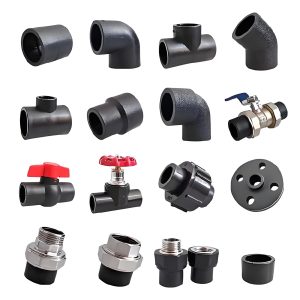
Abubuwan da aka bayar na LUOYANG CAME ENERGY TECH CO., LTD


Menene Girman Bututu Ina Bukata Don A 1300 Layin Ruwa na Ft
Take: Bututun Mafarki: Auna Rayuwar Ruwan Kafa 1300

(Menene Girman Bututu Ina Bukata Don A 1300 Layin Ruwa na Ft)
Yin tonon rami na sama da mil kwata? Wannan babban aiki ne. Samun girman bututun ruwa ba daidai ba a cikin babban ramin? Wannan migraine mai tsada ne da ba ku so. Yi watsi da rikitattun dabaru na daƙiƙa guda. Yi la'akari da bututun bututun lambun ku. Matse shi sosai. Me ZE faru? Kawai sai wayo ya fito, dama? Wato shafa asara. Ruwa yana jan ƙafarsa da saman bangon bututu. Ƙarshe 1300 ƙafafu, wannan ƙaramin ja yana ƙara sama. Babban lokaci. Ƙananan bututu yana nufin raunin shawa, watakila har ma da wayo a ƙarshen nisa. Yayi girma sosai? Kuna bata kuɗi akan babban bututu mai tsada. Kuna buƙatar yankin Goldilocks: daidai daidai.
A 1300‑foot run is roughly 400 mita — that’s longer than four football fields. At that distance, friction loss isn’t a minor detail; it’s the main event. Every foot of pipe adds resistance, and the cumulative effect can turn a well‑designed system into a disappointment if the diameter is off by even half an inch.
How to Determine the Right Water Supply Line Size?
The correct water supply line size depends mainly on three factors: required flow rate, available water pressure, and pipeline distance.
For long-distance water supply lines, pipe diameter becomes especially important because friction loss increases as water travels through the pipe.
A properly sized pipe should provide enough water flow while maintaining acceptable pressure at the final outlet.
The basic calculation considers:
- Water demand (GPM)
- Available pressure (PSI)
- Total pipe length
- Elevation changes
- Kayan bututu
Za a 1300 ft water supply line, choosing the correct pipe size can significantly affect water performance and long-term operating costs.
Peak demand is the real driver. Don’t size for average use — size for the worst‑case scenario. What happens when someone takes a shower, the washing machine fills, and the lawn sprinkler kicks on all at the same time? That’s your peak flow, and that’s the number that matters for pipe sizing. Underestimating peak demand is the #1 cause of inadequate flow in long‑distance systems.
Don haka, daidai yadda kuke gano wannan kyakkyawan girman bututun mai? Ba lambar sihiri ɗaya ba ce. Ya dogara da 2 manyan abubuwa: nawa kuke buƙatar kwarara, da kuma nawa matsa lamba ka fara da. Da farko, yawan kwarara. Adadin galan da min (GPM) yi famfo, shawa, lawn sprinklers, kuma kayan aiki suna buƙatar lokaci guda? Hoton kowane mutum yana amfani da ruwa a lokacin kololuwa. Ƙara shi. Wannan shine kwararar manufa. Na biyu, damuwa. Menene damuwa na ruwa a albarkatun? Ruwan rijiyar ku ko haɗin gari? Yi shi a cikin PSI (fam a kowace inci murabba'i). You need adequate stress left after pushing water 1300 ƙafafu don a gaskiya sanya maki aiki daidai. Ku tafi a kalla 30-40 PSI a bayan famfo.
Available pressure minus allowable loss equals usable matsa lamba. For a 1300‑foot run, you should reserve a pressure margin of 20‑30 PSI for the terminal equipment to function properly. If your source pressure is 60 PSI and you need 30 PSI at the far end, you have only 30 PSI of allowable friction loss to work with — every PSI beyond that means inadequate flow.
Yanzu, bangaren gogayya. Ruwa yana fada da bututu gaba daya. Da tsayin bututun, da yawan shafa. Ƙananan ƙananan bututu suna haifar da ma'anar firgita fiye da manya. Bututun filastik (kamar PVC ko HDPE) sun fi karfe santsi a ciki.

1300 ft long distance water supply line system with underground pipe
HDPE Pipe for Long Distance Water Supply Lines
HDPE Pipe is commonly used for long-distance water supply projects because of its flexibility, karko, and low friction characteristics.
Idan aka kwatanta da bututun ƙarfe na gargajiya, HDPE water supply pipe can better handle ground movement and reduce corrosion concerns in underground installations.
For rural water supply systems, noma ban ruwa, and remote buildings, HDPE bututu provide a reliable solution for transporting water over long distances.
The final pipe selection should consider pressure rating, diamita, yanayin shigarwa, da bukatun aikin.
Smooth yana nufin ƙarancin gogayya. Karancin shafa yana nuna cewa zaku iya amfani da ƙaramin bututun filastik idan aka kwatanta da ƙarfe don kewayawa iri ɗaya.. Amma duk da haka kada ku yi tsalle sosai. Zaɓin kayan abu yana da mahimmanci don farashi da tsawon rai kuma.
HDPE’s biggest hidden advantage: the C‑factor stays at 150 for life. For metal pipes, the Hazen‑Williams C‑value (a measure of smoothness) degrades over time as rust and scale build up inside. HDPE is chemically inert — it doesn’t corrode, tuberculate, or grow biofilm. So a 1.25‑inch HDPE pipe installed today will flow the same amount of water 50 years from now. A metal pipe of the same size? It will flow less every year. That long‑term stability is the real lifecycle advantage.
HDPE also comes in long coils — up to about 300 mita (nearly 1000 ƙafafu) for smaller diamita. For your 1300‑foot run, that means only a handful of joints, and joints are where systems leak and fail. Fewer joints = fewer leak points = lower long‑term maintenance.
Common Water Supply Line Size Recommendations
| Aikace-aikace | Recommended Pipe Size |
|---|---|
| Small cabin (low demand) | 1 inci bututu |
| Residential house | 1.25-1.5 inci bututu |
| Large home or irrigation | 1.5-2 inci bututu |
| Agricultural water supply | 2 inch or larger |
But these are starting points, not final answers. For a 1300‑foot run, the table above needs to be adjusted upward. A 1‑inch pipe that works fine for a 100‑foot run will strangle flow at 1300 ƙafafu. The rule of thumb for long‑distance lines: go one size larger than you would for a short run — the extra upfront cost is far less than the lifetime frustration of low pressure.
Anan ga bangaren aiki. Don buƙatun gida na gama gari 8-12 GPM zagayawa ya ƙare 1300 ƙafafu? Farawa da matsi mai kyau (da'awar 50-60 PSI)? Wataƙila kuna duba bututun filastik 1.25-inch ko 1.5-inch. Me yasa? Bututu mai inci 1 yana faɗa da ƙarfi akan wannan nisa. Tabbas za ku zubar da matsi mai yawa. Bututu mai inci 2 yana aiki da ban mamaki, duk da haka farashin muhimmanci fiye da. 1.25-inch ko 1.5-inch ya buga wuri mai ban mamaki ga yawancin gidaje. Yana daidaita babban wurare dabam dabam, dace danniya sauke, da farashi mai ma'ana.
Let’s put some numbers to it. For a 1300‑foot run at 15 GPM with 60 PSI source pressure, here’s what the math says:
| Girman Bututu | Pressure Loss (total) | End Pressure | Verdict |
|---|---|---|---|
| 1.5 inci | ~54.6 PSI | ~5.4 PSI | ❌ Fails — well below 30 PSI minimum |
| 2 inci | ~16.9 PSI | ~43.1 PSI | ✅ Passes — meets the 30 PSI requirement |
Shi ya sa, for a 15 GPM demand over 1300 ƙafafu, 2‑inch HDPE pipe is often the sweet spot. It delivers enough pressure while keeping material costs reasonable.
Duk da haka jira! Kada a sami bututun mai kawai tukuna. Yanayin ku na musamman ne. Shin wani gida ne mai famfo daya kawai? Ko katon gida mai dakunan wanka da yawa suna shayar da fili? Rage buƙatun wurare dabam dabam (kamar 5 GPM) na iya yin kururuwa da filastik sama da inci 1 1300 ft, duk da haka damuwa tabbas zai tsoma. Babban buƙatun kwarara (kamar 15+ GPM don ban ruwa)? Kuna buƙatar cikakken inci 1.5, watakila ma 2-inch. A saman al'amura ma. Tashi? Wannan yana goge damuwa kamar gogayya. Ƙara ƙarin tsayi zuwa girman bututunku mai tasiri.
Elevation change is friction’s evil twin. Every foot of vertical rise adds 0.433 PSI of pressure loss (or gain if the water is flowing downhill). A 20‑foot hill? That’s nearly 9 PSI gone before you even account for friction. If your 1300‑foot run climbs 50 feet in elevation, add that pressure loss to your friction calculations — or better yet, design for it from the start.

(Menene Girman Bututu Ina Bukata Don A 1300 Layin Ruwa na Ft)
Masu hikima sun motsa? Nika wasu lambobi. Yi amfani da kalkuleta na asarar goge akan layi. Toshe takamaiman nisan ku (1300 ft), Adadin kwarara da ake buƙata (GPM), damuwa ta farko (PSI), da zaɓin samfuran bututunku. Tabbas zai nuna raguwar matsin lamba don girman bututun daban-daban. Kuna buƙatar ƙi don barin ku da aƙalla 30-40 PSI a karshen. Ko magana da pro. Masanin aikin famfo ko ban ruwa na gida ya san abubuwan yankin ku. Za su iya girma da sauri bisa ga kwarewa. Bayar da ɗan lokaci ko kuɗi don samun girman mafi kyawun yana adana tarin matsala daga baya. Rufe bututun jarin kuɗi ne mai dorewa. Sami shi daidai da farko. Ruwa yana motsawa da ƙarfi kuma yana tsayawa har tsawon shekaru yana cin nasara mara ƙarancin matsa lamba.
FAQ
FAQ 1: What size pipe is best for a 1000 ft water line?
The best pipe size for a 1000 ft water line depends on several factors, including required water flow, available pressure, girman canje-canje, and pipe material. For typical residential water supply applications, a 1.25-inch or 1.5-inch pipe is often considered a practical choice when the starting water pressure is sufficient and the demand is moderate. Smaller pipes may experience excessive friction loss over long distances, causing low pressure at the end of the line. For higher water demand applications such as irrigation systems, gonaki, or multiple buildings, a larger diameter pipe such as 2 inches or more may be required to maintain stable flow. When selecting a long distance water line size, it is important to calculate pressure loss rather than choosing a pipe diameter based only on length. A properly sized pipe should provide enough flow while keeping sufficient pressure at the final outlet.
FAQ 2: Is a larger water supply pipe always better?
A larger water supply pipe is not always the best choice. While a larger diameter pipe reduces friction loss and allows higher water flow, it also increases material costs and installation expenses. The correct water supply pipe sizing should balance water demand, bukatun matsa lamba, pipe length, and project budget. For long-distance water lines, choosing a pipe that is too small can create significant pressure loss and poor water performance. Duk da haka, installing an oversized pipe may provide little additional benefit if the existing water source cannot supply enough pressure or flow. The ideal approach is to select a pipe size that maintains reliable pressure at the outlet while meeting the actual water demand. Factors such as the number of users, irrigation requirements, elevation difference, and future expansion should all be considered before choosing the final pipe diameter.
FAQ 3: Is HDPE pipe suitable for long distance water supply?
Ee. HDPE pipe is widely used for long distance water supply systems because of its flexibility, karko, and excellent resistance to corrosion. Idan aka kwatanta da bututun ƙarfe na gargajiya, HDPE water supply pipe has a smooth inner surface that reduces friction loss and helps maintain efficient water flow over long distances. Its flexible structure also allows it to handle ground movement, settlement, and challenging installation conditions. HDPE pipes are commonly used in rural water supply, noma ban ruwa, municipal water networks, and industrial water transportation projects. Another advantage of HDPE pipe is its reliable fusion connection technology. Butt fusion and electrofusion joints create strong, leak-resistant connections that reduce the risk of water leakage during long-term underground operation. For long distance water supply projects, HDPE pipe selection should consider pipe diameter, matsa lamba rating (PN/SDR), yanayin shigarwa, and required flow capacity to ensure reliable performance.
FAQ 4: What does SDR mean and why does it matter for my 1300 ft line?
SDR yana tsaye donMatsakaicin Girman Rabo — it’s the ratio of the pipe’s outside diameter to its wall thickness. A lower SDR means a thicker wall and a higher pressure rating. For a 1300‑foot water line, the SDR matters because the wall thickness determines the inside diameter — and flow capacity depends on the inside diameter, not the outside. Two pipes with the same nominal size but different SDRs can carry very different flows. Common SDRs for water supply are SDR 17 (PN10, 1.0 MPa / 145 PSI), SDR 11 (PN16, 1.6 MPa / 232 PSI), da SDR 21 (PN8, 0.8 MPa / 116 PSI). For most residential long‑distance lines, SDR 17 is a good starting point — it handles typical pressures while keeping the bore large enough for good flow.
FAQ 5: How do I calculate pressure loss for my 1300 ft HDPE line?
The industry‑standard method is theHazen‑Williams formula. For HDPE pipe, use a C‑factor of150 (which stays constant for life). The formula is: Hf = (10.67 × L × Q¹.⁸⁵²) / (C¹.⁸⁵² × D⁴.⁸⁷), where Hf is friction loss in feet of head, L is pipe length in feet, Q is flow rate in cubic feet per second, C is the Hazen‑Williams coefficient (150 for HDPE), and D is the pipe inside diameter in feet. For a practical shortcut, many online pressure drop calculators can do the math for you — just plug in your numbers. The key takeaway: pressure loss increases dramatically as pipe diameter decreases, because D is raised to the4.87th power. That’s why going from 1.5‑inch to 2‑inch makes such a big difference.

HDPE water supply pipe for long distance underground pipeline systems
Need Help Choosing the Right Water Supply Pipe Size?
Selecting the correct pipe diameter is essential for reliable long-distance water transportation. Abubuwan da aka bayar na Luoyang Datang Energy Tech Co., Ltd., Ltd. supplies high-quality PE (HDPE) pipes and fittings for water supply, ban ruwa, and industrial pipeline systems.With professional manufacturing experience, we help customers select suitable pipe materials, masu girma dabam, and pressure ratings according to different project requirements. Tuntube mu for reliable water supply pipe solutions.
A final piece of advice: If your project involves pumping, don’t forget to check the pump curve against your system head loss. A pipe sized correctly for gravity flow may not be the same as one sized for a pumped system. And always add a safety margin of 10‑15% to your calculations — ground conditions change, demand grows, and pipes age. Better to have a little extra capacity than to wish you did.
RUBUTUN DA AKE GABATARWA
HDPE Pipe vs Ductile Iron Pipe: Wanda Yafi Kyautar Ayyukan Samar da Ruwa?
Me yasa Kayan Aiki na Masana'antu Na Zamani Ya Dogara akan Tsarukan Valve Bawul na Motoci da yawa

Yadda Ƙarfin Ƙarfin Brass da Haɗin Hose? Jagora ga Dorewa da Ayyuka
Yaya Girman Bututu Don Gudun Ruwan Ruwa
Bututun PPR na Masana'antu A Watsa Labarai na Sinadarai da Tsarin Ruwa