LUOYANG COME ENERGY TECH CO.,LTD

PPR vs HDPE vs PVC:Hoʻohālikelike Paipu Wai Hana Hana
I ka hoʻolālā ʻana i kahi ʻōnaehana wai ʻoihana, ʻO ke koho ʻana i ka mea paipu kūpono kekahi o nā hoʻoholo koʻikoʻi. ʻAʻole pili ka koho i ka hoʻopukapuka mua wale nō akā i ka hana lōʻihi, ka lōʻihi, and maintenance costs. This article compares ʻO nā paipu PPR a me nā mea pono, Nā paipu HDPE, and PVC pipes in terms of performance, koina, and service life, helping project managers and procurement teams make an informed choice.
Why Pipe Material Matters in Industrial Water Supply
The pipe material defines the reliability and efficiency of an industrial water supply system. A well-chosen material ensures consistent water flow, minimizes leakage risks, and extends the lifecycle of the system. Industrial supply systems often operate under high pressure, varying temperatures, and sometimes exposure to aggressive chemicals—making proper material selection essential.
Cost Considerations: Initial vs Lifecycle
When comparing PPR pipes and fittings, Nā paipu HDPE, a me nā paipu PVC, procurement teams should evaluate both initial costs and lifecycle costs. Initial cost covers material purchase and installation, while lifecycle cost includes maintenance, energy efficiency, and replacement frequency. PPR pipes and fittings often have a slightly higher initial cost than PVC, but their extended lifespan and reduced maintenance can lower total ownership costs.
Performance Comparison: PPR vs HDPE vs PVC
Ka Mahana a me ka Paʻi Paʻi
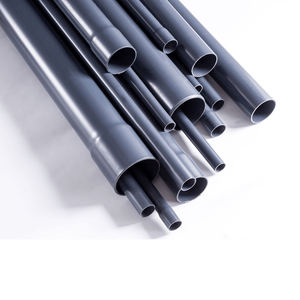
PPR pipes and fittings are well-suited for hot and cold water applications, offering high resistance to temperature variations. HDPE pipes perform excellently under high pressure and are resistant to cracking. Nā paipu PVC, while cost-effective, are less suitable for high-temperature environments.
Durability and Chemical Resistance
Industrial systems often carry water containing minerals or chemicals. PPR pipes and fittings are highly resistant to scaling and corrosion. HDPE pipes provide superior resistance to chemical corrosion and are commonly used in aggressive fluid environments. PVC pipes resist many chemicals but are more brittle under stress.
Installation and Maintenance
PPR pipes and fittings are lightweight and easy to weld, ensuring leak-free joints. HDPE pipes require fusion welding, which offers strength but requires trained installers. PVC pipes are easy to cut and join, but joints may weaken over time under high load.
Case Example: Industrial Water Supply in a Manufacturing Plant
In a medium-sized manufacturing facility requiring stable hot and cold water supply, the engineering team evaluated PPR, HDPE, and PVC options. Despite a slightly higher upfront investment, PPR pipes and fittings were selected for their balance of cost-efficiency, ola lōʻihi, and ease of installation. The system has operated for years with minimal maintenance costs, proving the value of lifecycle savings.
How to Choose the Right Pipe for Your Industrial Water Supply
When choosing between PPR pipes and fittings, HDPE, or PVC, consider:
– Water temperature and pressure conditions
– Expected chemical exposure
– Installation budget and timeline
– Maintenance capability and availability of skilled labor
By aligning pipe material with operational conditions, businesses can avoid costly downtime and ensure long-term efficiency in their industrial water supply systems.
Get Expert Advice on PPR Pipes and Fittings
If you are planning or upgrading an industrial water supply project, our team can provide tailored guidance on PPR pipes and fittings, Nā paipu HDPE, a me nā paipu PVC. Contact us today to receive detailed technical specifications and a customized quotation for your project needs.
Mea hoolako
ʻO Luoyang Datang Energy Tech Co., Ltd. ʻO ia ka mea hana Kina alakaʻi kūikawā i nā paipu plastik kiʻekiʻe a me nā mea pono. Hoʻolako ʻia me nā laina hana ʻenehana hou a kākoʻo ʻia e kahi hui o 200 ʻoihana, hāʻawi mākou i kahi laina huahana nui e pili ana ma luna 150 types of plastic pipes and fittings designed for water supply and drainage systems, lawe kinoea, a me nā ʻōnaehana hoʻomehana papahele. ʻO kā mākou huahana nui nā PVC Pipes a me nā mea pono, PE (HDPE) Paipu a me na lako, PPR Paipu a me na lako, a me na paipu wela o ka papahele PEX.
Inā he nīnau kāu e pili ana i nā paipu PPR,ʻO nā pahu keleawe a me nā mea keleawe, mai hoʻokaʻulua e hoʻokaʻaʻike mai iā mākou!
NA PONO PILI
Paipu HDPE a me nā mea pono:ʻO kahi mea hou no ka hoʻoheheʻe wai & Pūnaehana Waiwai

He aha ka nui o ka paipu wai e pono ai au
Loaʻa iā San Diego kekahi mau paipu wai alakaʻi
ʻO wai kēia e pili ana i ka paipu e hoʻopili ai i ka ʻōnaehana sprinkler i ka wai nui?
He aha nā paipu wai ʻehā e piʻi ana i ka lumi ʻauʻau