LUOYANG COME ENERGY TECH CO.,LTD

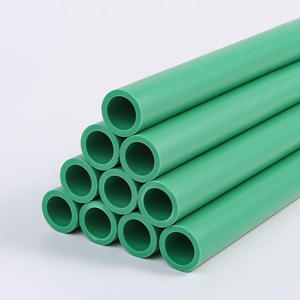
Paipu PPR: Nā Hana Hou no nā Pūnaehana Paipu Pai Hou
Ma ke kahua o ke kūkulu hale a me ka ʻenekinia, ʻo ke koho o ka ʻōnaehana paipu e pili pono i ka maikaʻi, kumukūʻai a me ke ola lawelawe o ka papahana. Me ka hoʻomohala wikiwiki ʻana o ka ʻepekema waiwai, PPR (polypropylene copolymer random) paipu has become the mainstream choice of global HVAC, water supply and drainage system with its excellent performance. As a professional supplier of pipe and accessories export, we are committed to providing customers with technology-leading solutions. We invite our global partners to explore the infinite possibilities of PPR technology — whether it is a commercial complex, an industrial plant or a municipal project. Let us build safe, economical and durable fluid transport systems with innovative materials.
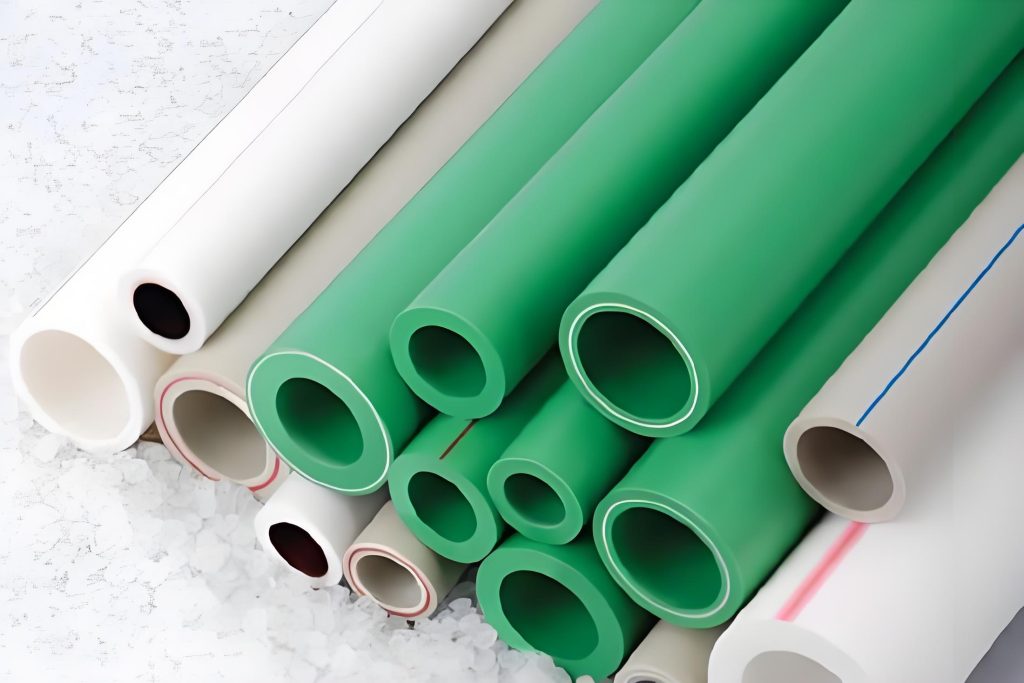
Ka mua, Materials Science: The genetic advantages of PPR pipes
The core material of PPR pipeline is the third generation modified polypropylene, which combines propylene monomer with ethylene monomer through random copolymerization technology to form a unique molecular structure. The innovative design of this material gives PPR three inherent advantages:
1. Molecular stability breakthrough
The crystallinity of PPR is 30% lower than that of ordinary PP materials, and the molecular chain is arranged more evenly, so that it can still maintain excellent creep resistance at high temperatures. Experimental data show that the service life of PPR pipe under 70℃ and 1MPa pressure can reach more than 50 makahiki, far exceeding the traditional plastic pipe such as PVC and PE.
2. Chemical inertness revolution
Polypropylene materials are naturally resistant to acid and alkali corrosion, and can remain structurally intact in extreme environments with a pH of 2-12. In contrast to the defects of copper pipe which is prone to sulfide corrosion and galvanized steel pipe which is easy to rust, PPR pipe can completely eliminate the risk of leakage caused by corrosion.
3. Food grade safety guarantee
PPR raw materials that have passed international certifications such as FDA, NSF and WRAS are completely free of heavy metals and plasticizers, and will not produce secondary pollution when transported to drinking water. The German KTW standard test shows that the total number of bacterial colonies on the inner wall of PPR pipe after long-term use is only 1/5 of that of copper pipe.
Ka lua, physical properties: redefine the pipeline engineering standards
In a real-world engineering environment, PPR pipes exhibit amazing physical properties:
1. Perfect carriers for thermal systems
Laulā wela hana: -20℃ i 95 ℃ (instant peak up to 110℃)
Thermal conductivity is only 0.24W/m·K, 200 times lower than metal pipes, effectively reducing heat loss
The coefficient of thermal expansion is 1.5×10⁻⁴/℃. The influence of deformation can be completely eliminated with U-shaped compensator
2. Fluid dynamics optimization design
Inner wall smoothness Ra≤0.007mm, friction resistance coefficient is only 60% o ka paipu kila
Under the same flow rate, PPR pipe diameter is reduced by 1-2 grades compared with metal pipe, hoopakele ana 20% installation space
3. Mechanical performance of seismic and compressive resistance
Laki hoʻihoʻi lōʻihi < 2%, tensile strength ≥27MPa
Through the ISO 1167 hōʻoia maʻamau, the bursting pressure can reach 6MPa (3 times the conventional working pressure)
Ke kolu, Installation revolution: The disruptive innovation of hot melt connection technology
The threaded connection and flange connection of traditional pipelines have high leakage rate and low construction efficiency. PPR pipeline adopts innovative hot melt socket technology, which brings four major changes:
1. Zero leakage sealing system
Through the accurate temperature control of 260 ° C ±10 ° C, the pipe and pipe fittings melt into molecular level combination, forming a completely homogeneous connection interface. According to EN 12201 hōʻoia maʻamau, the strength of the hot melt joint reaches more than 90% o ke kino paipu.
2. The construction efficiency is improved exponentially
A single DN20 joint takes only 8 seconds to weld
It is 5 times faster than galvanized steel pipe installation, and the comprehensive labor cost is reduced by 40%
3. Maintenance free design philosophy
The connection mode of integrated molding does not need sealant, raw material belt and other consumables, which fundamentally eliminates the leakage risk caused by the aging of sealing materials.
4. All-terrain adaptability
Special formula of PPR raw materials can be normal construction in -5℃ environment, with portable hot melt machine, suitable for basement, high altitude and other complex working environment.
Ka ʻehā, the whole life cycle cost: visible economic advantages
From a project lifecycle perspective, PPR pipelines show amazing cost control capabilities:
Initial investment comparison (take DN25 pipeline system as an example)
| Type of material | Pipe cost | Cost of fittings | Installation hours | Combined cost |
| Paipu kila galvanized | $1.2 / m | $0.8/ piece | 3h/10m | $28/m |
| Copper tube | $4.5 / m | $3.2/ piece | 2.5 h / 10 m | $62/m |
| PPR paipu | $1.8 / m | $1.2/ piece | 0.5 h / 10 m | $14/m |
Operating and maintenance costs
Annual leakage rate < 0.05%, ʻo ia hoʻi 90% lower than the maintenance cost of metal piping system
50 years free replacement design, to avoid the loss of business interruption caused by periodic renovation
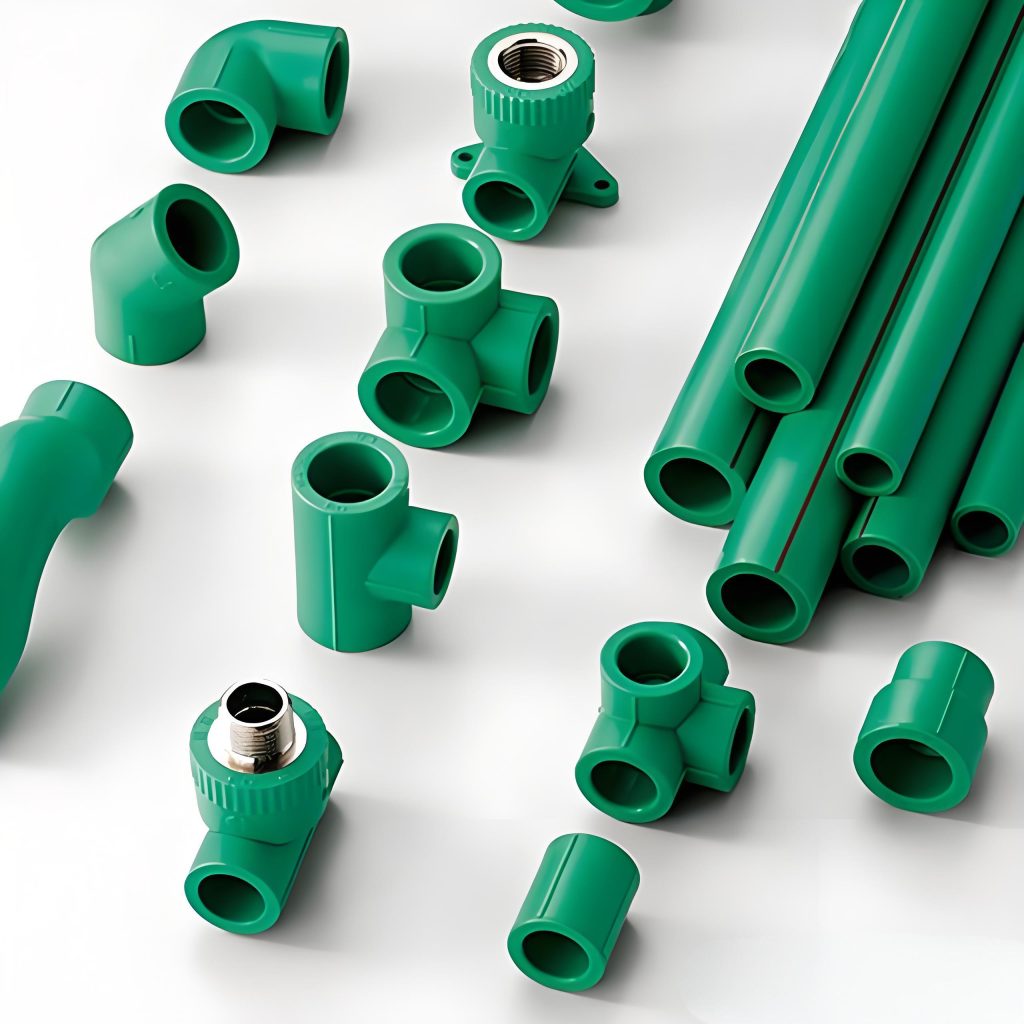
Ka lima, Green Gene: Engineering practice for sustainable development
The PPR pipeline perfectly fits the global low-carbon development strategy:
1. Production process: the energy consumption of tons of products is only 1/8 o ka paipu kila, and the CO₂ emissions are reduced by 85%
2. Transportation stage: density 0.91g/cm³, the same container load increased by 30%
3. Recycling: 100% recycling can be achieved through the crushing and granulation process, which is certified by UL Ecologo
Ka ono, Application scenarios: from residential to industrial coverage of the whole field
Civil field: central heating, floor heating system, cold and hot water supply
Commercial buildings: central air-conditioning condensate system, fire sprinkler pipe network
Industrial scene: chemical medium transportation, food grade pipeline, paipu ea compressed
Agricultural innovation: water-saving irrigation, soilless cultivation nutrient solution circulation
| Industry | Use Cases | Key Advantage |
| Hale Paipai Noho | Hot water distribution, mehana ma lalo o ka papahele | Leak-free fusion joints |
| Industrial Systems | Chemical transport, compressed air lines | Corrosion-resistant PN20 rating |
| Commercial HVAC | Solar thermal loops, chilled water systems | AS/NZS 4129-compliant fire safety |
ʻEhiku, Why Choose Us?
1. The whole system certification guarantee: ma o ISO 9001, ISO 14001, CE, WaterMark and other 23 nā palapala hōʻoia honua
2. Customized solutions: Provide full-size product lines from DN20 to DN160, support ODM color/logo customization
3. Global service network: set up bonded warehouses in 12 ʻāina, 72-hour emergency response mechanism
Mea hoolako
ʻO Luoyang Datang Energy Tech Co., Ltd. he mea hana 'oihana a me ka mea hoolako i na paipu a me na pono. Hāʻawi mākou i nā paipu PPR, Nā paipu PVC, Paipu PE, a me nā paipu hoʻomehana papahele a me nā mea pono no nā ʻano paipu like ʻole, me ke kūlana kiʻekiʻe a me nā kumukūʻai hoʻokūkū. Inā he nīnau kāu e pili ana i nā paipu a me nā pono, mai hoʻokaʻulua e hoʻokaʻaʻike mai iā mākou. Hiki iā ʻoe ke kaomi i ka huahana e launa pū me mākou.
NA PONO PILI
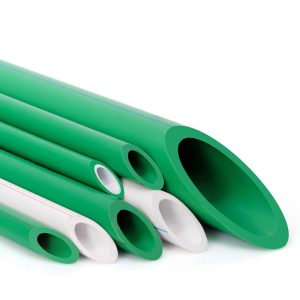
Hiki i ka paipu PPR ke hana ma mua o 50 makahiki?
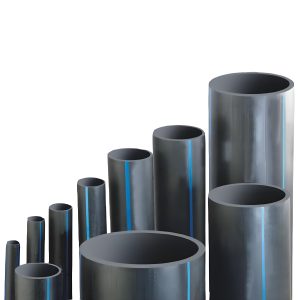
Pipe HDPE i loko o ka ʻoihana Kimia, ʻoihana lāʻau lapaʻau & ʻOihana Hana Meaʻai
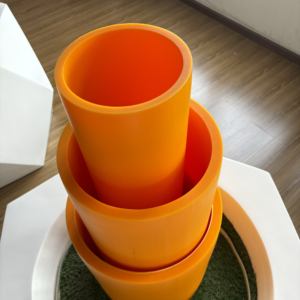
Ke koi paʻa i ka ʻoihana a me ka ikehu: ulu mau i ka mākeke paipu hilinaʻi kiʻekiʻe
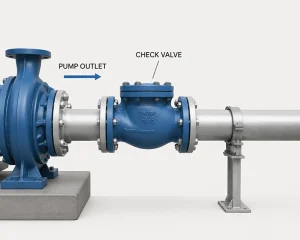
E nānā i ke alakaʻi koho Valve no nā Pūnaehana Pump: Nā ʻano, Nā noi & Ka nui ana (Wai, HVAC & ʻOihana)