LUOYANG COME ENERGY TECH CO.,LTD

Paipu PVC vs. Paipu HDPE: ʻO wai ka maikaʻi?
I loko o ka wai a me ka wai, lawe kinoea, irrigation mahiai a me na hana e ae, PVC (polyvinyl chloride) Pipeline a HDPE (polyethylene kiʻekiʻe) Pipeline are the two most commonly used plastic pipes. Eia naʻe, there are significant differences between the two in performance, cost and application scenarios. This article will be from the material characteristics, construction requirements, hoʻokele waiwai, environmental protection four dimensions of a comprehensive comparison, and attached to the real project selection cases, to help you find the best solution.
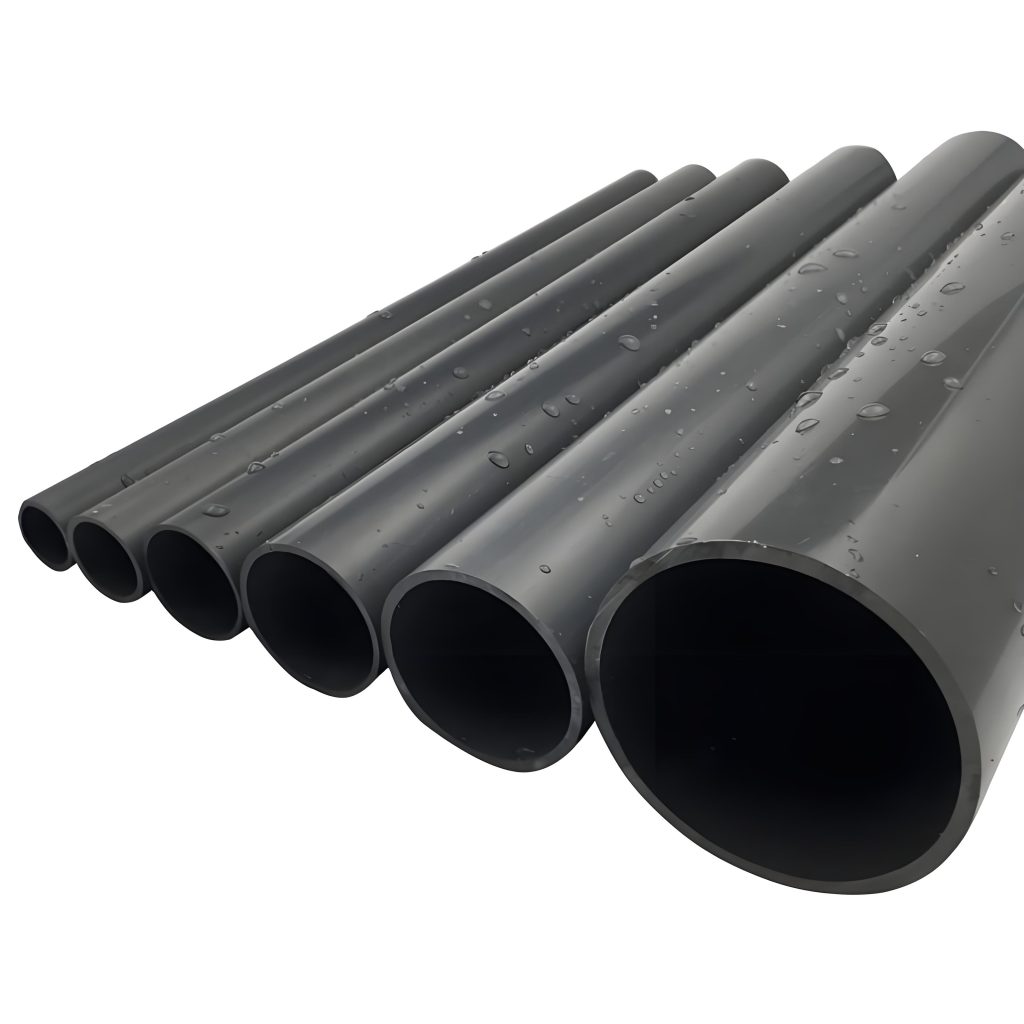
1. Comparison of basic material characteristics: rigidity VS flexibility
1). Paipu PVC hiʻona
- High rigid strength: bending modulus ≥2,400MPa, suitable for scenes requiring structural stability (such as building risers);
- Ke kū'ē i ka corrosion kemika: kū'ē i ka waikawa a me ka alkali, salt spray, grease, widely used in chemical wastewater treatment;
- Kaulana wela: -10℃~60℃ (special formula can be extended to -30℃~90℃);
- Flame retardant: self-extinguishing from fire, in line with UL94 V-0 fire standard.
2). HDPE pipeline characteristics
- High flexibility: hiki i ka radius piko 20 manawa i ke anawaena o ka paipu, suitable for trenchless laying (such as pipe jacking construction);
- Low temperature resistance: -60℃ is still elastic, suitable for gas transmission in cold areas;
- Ke kū'ē i ka hopena: notched impact strength ≥30kJ/m², strong earthquake deformation resistance;
- Slow crack growth resistance: life forecast more than 50 makahiki (ASTM D2837 standard).
Scientific Conclusion:
- Choose PVC: scenes that require rigid support, pale ʻino, and fire protection (such as building drainage, industrial pipes);
- Choose HDPE: need flexible pressure resistance, low temperature resistance, long distance laying of the scene (such as gas pipeline, submarine cable sheath).
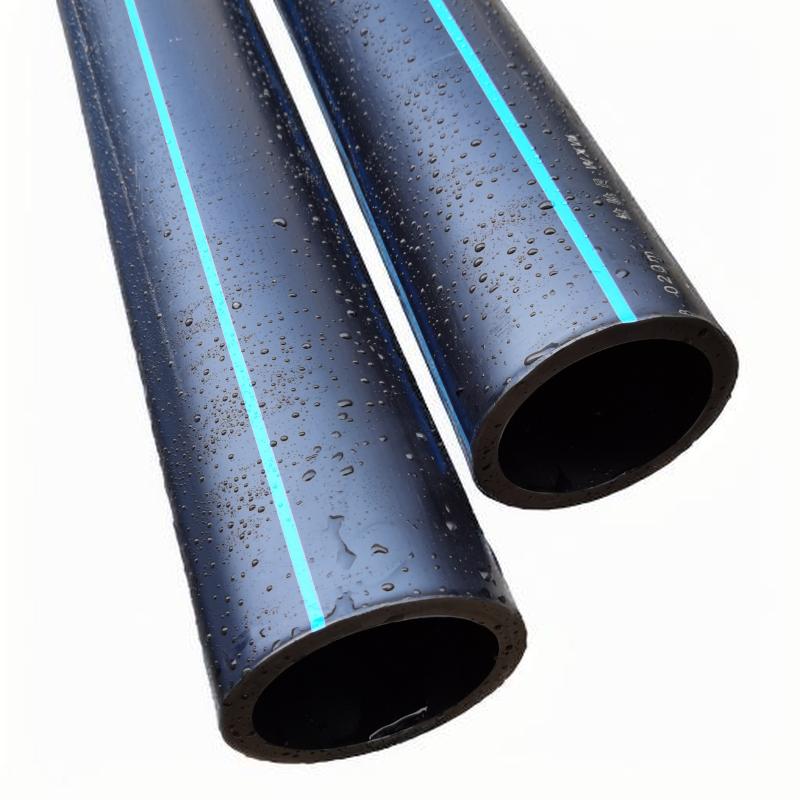
2. Comparison of construction and installation costs
| Project | PVC Pipeline | HDPE Pipeline |
| ʻano pili | Adhesive/flange/thread | Hot melt butt/electric melt connection |
| Installation speed | Fast (no professional equipment required) | lohi (hot melt machine, technical training required) |
| Labor cost | Haʻahaʻa (can be operated by ordinary workers) | Kiʻekiʻe (a licensed welder is required) |
| Repair difficulty | Easy (partial replacement) | Difficult (requires cutting and remelting) |
Comparison of cases:
Municipal water supply project (10km DN200 pipeline) :
- Total cost of PVC: material fee $1.8 miliona + installation fee $500,000 = $2.3 miliona;
- HDPE total cost: material cost $2.4 miliona + installation cost $1.2 million = $3.6 miliona;
PVC saves 36% of the cost and shortens the construction period by 25 lā.
3. Economic analysis of the whole life cycle
1. Hoʻokomo mua
PVC price is usually 15%~30% lower than HDPE (DN100 pipe as an example: PVC≈$30/m, HDPE≈$40/m);
Exception scenario: HDPE can save road surface repair costs in trenchless projects, and the comprehensive cost may be lower.
2. Maintenance costs
- PVC: almost maintenance-free (pale ʻino, ʻaʻohe scaling);
- HDPE: the hot melt quality of the joint affects the reliability of the system and needs to be tested regularly (especially for gas projects).
3. Energy saving efficiency
PVC inner wall smoothness (koena oka 0.009) is better than HDPE (0.011), fluid resistance is reduced by 18%, long-term pumping energy consumption is lower.
4. Environmental protection and sustainability dispute
1. Recyclability
- PVC: can be physically recycled into floors, soles, etc., but need to be sorted and cleaned (complex chlorine treatment);
- HDPE: the recycling process is more mature, and the recycled material is widely used in packaging bottles and pipes (closed-loop recovery rate can reach 95%).
2. Production energy consumption
- PVC production energy consumption: about 18MJ/kg (mainly from chlor-alkali process);
- HDPE production energy consumption: about 25MJ/kg (crude oil cracking to ethylene);
Ka hopena: PVC has about 28% lower carbon emissions than HDPE (kumu: Plastics Europe).
3 Health controversy
- PVC: the raw material contains chlorine, but the finished pipe is non-toxic after NSF/ANSI 61 palapala hōʻoia (need to choose a regular brand);
- HDPE: no chlorine, no plasticizers, food grade applications are preferred (such as direct drinking water pipes).
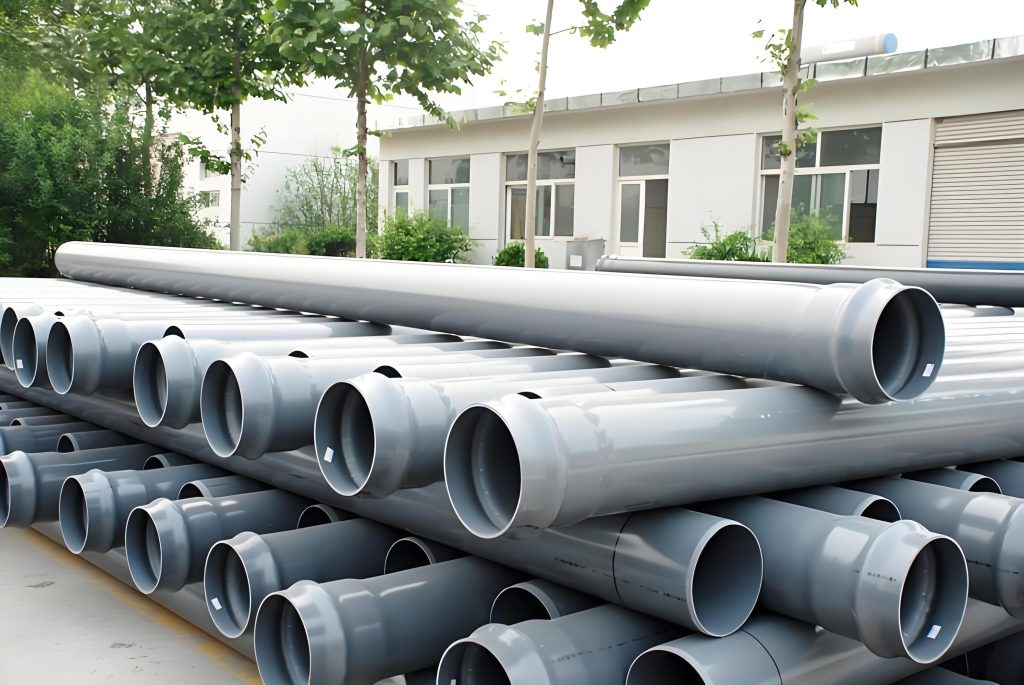
5. Actual combat Selection guide: 5 common scenarios are recommended
Scene 1: Urban underground drainage network
- PVC is recommended: rigid support avoids soil settlement and deformation, is resistant to sewage corrosion, and has the best comprehensive cost.
- Avoid pit tips: Avoid using thin-walled PVC in areas where heavy vehicles frequently roll.
Hōʻikeʻike 2: Natural gas delivery line
- Forced use of HDPE: flexibility to adapt to foundation deformation, low temperature resistance and anti-brittleness (GB 15558.1).
Hōʻikeʻike 3: Agricultural drip irrigation system
- Recommended PVC: PVC (kumu kūʻai haʻahaʻa, UV pale) for the main pipe, HDPE (flexible and easy to lay) for the branch pipe.
Hōʻikeʻike 4: Waste water pipe in chemical park
- Priority PVC: Acid and alkali resistance is better than HDPE (HDPE is easy to swell under concentrated sulfuric acid environment).
Hōʻikeʻike 5: Home decoration water supply pipe
- The southern region chooses PVC: kumu kūʻai, convenient construction;
- Northern heating pipe selection HDPE: pale wela kiʻekiʻe (80℃) performance is more stable.
The ultimate comparison table:
| Nā ana | PVC | HDPE |
| Maximum temperature resistance | 60 ° C (90 ° C for short term) | 80 ° C (short-term 110 ° C) |
| Minimum bending radius | 10 times pipe diameter | 20x anawaena paipu |
| Uv kū'ē | Maikaʻi (with stabilizer) | ʻilihune (add carbon black) |
| Typical application | Building drainage/chemical piping | Gas/underfloor heating/slurry delivery |
| 50-year combined cost | Haʻahaʻa $ | $mid-high |
Mea hoolako
ʻO Luoyang Datang Energy Tech Co., Ltd. he mea hana 'oihana a me ka mea hoolako i na paipu a me na pono. Hāʻawi mākou i nā paipu PPR, Nā paipu PVC, Paipu PE, a me nā paipu hoʻomehana papahele a me nā mea pono no nā ʻano paipu like ʻole, me ke kūlana kiʻekiʻe a me nā kumukūʻai hoʻokūkū. Inā he nīnau kāu e pili ana i nā paipu a me nā pono, mai hoʻokaʻulua e hoʻokaʻaʻike mai iā mākou. Hiki iā ʻoe ke kaomi i ka huahana e launa pū me mākou.
NA PONO PILI
He aha ka ʻokoʻa ma waena o ka paipu CPVC a me ka paipu UPVC?

Pvc Ka Hookui Hoohuoi: Nā pōmaikaʻi, Nā noi & Hoʻokomo
ʻO nā lako keleawe ka pōhaku kihi e kākoʻo ana i ka ulu ʻana o nā kūlanakauhale hou.
He aha ka paipu maikaʻi loa e hoʻohana ai no ka hoʻoheheʻe ʻana ma lalo o ka honua?