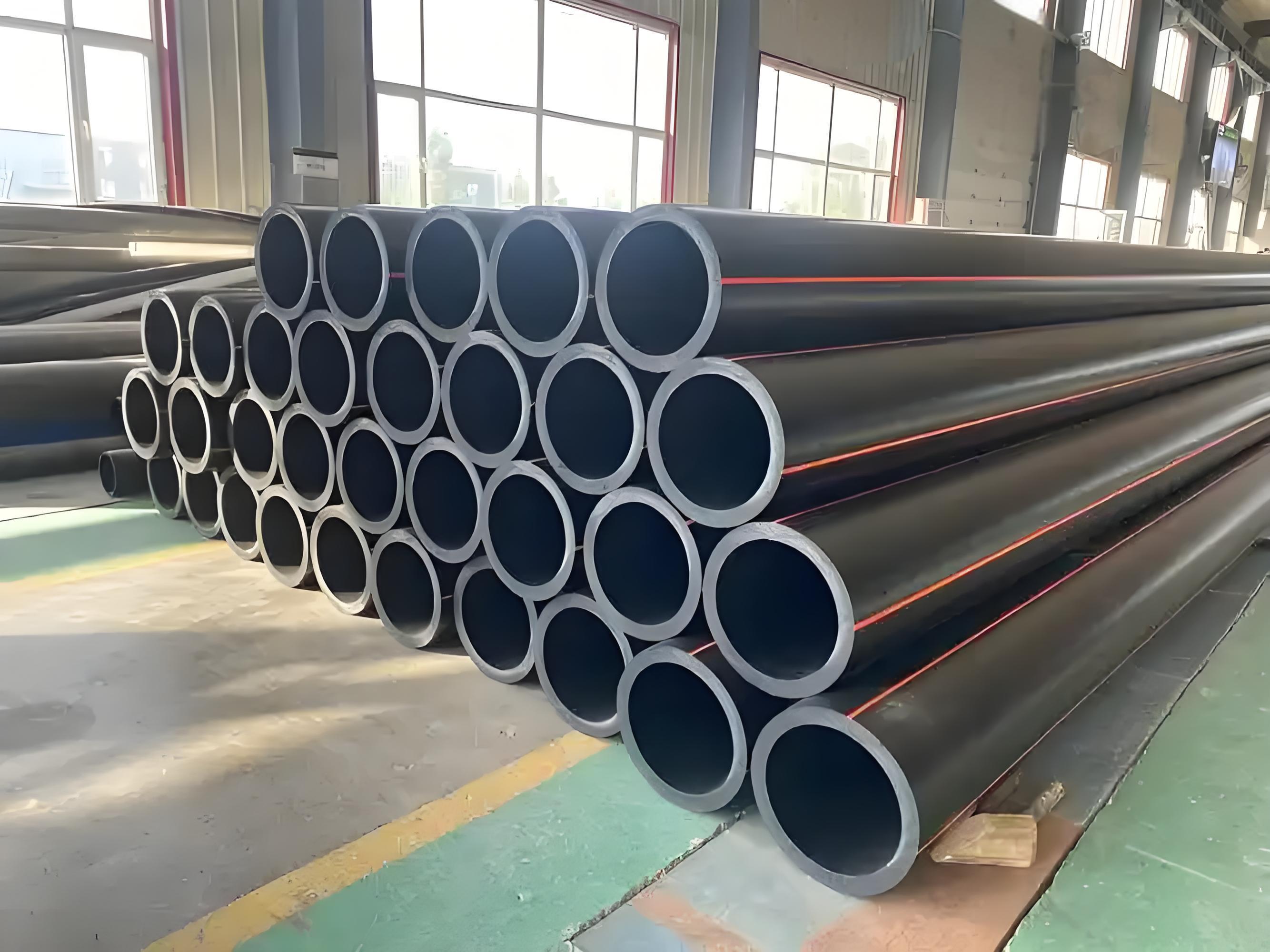
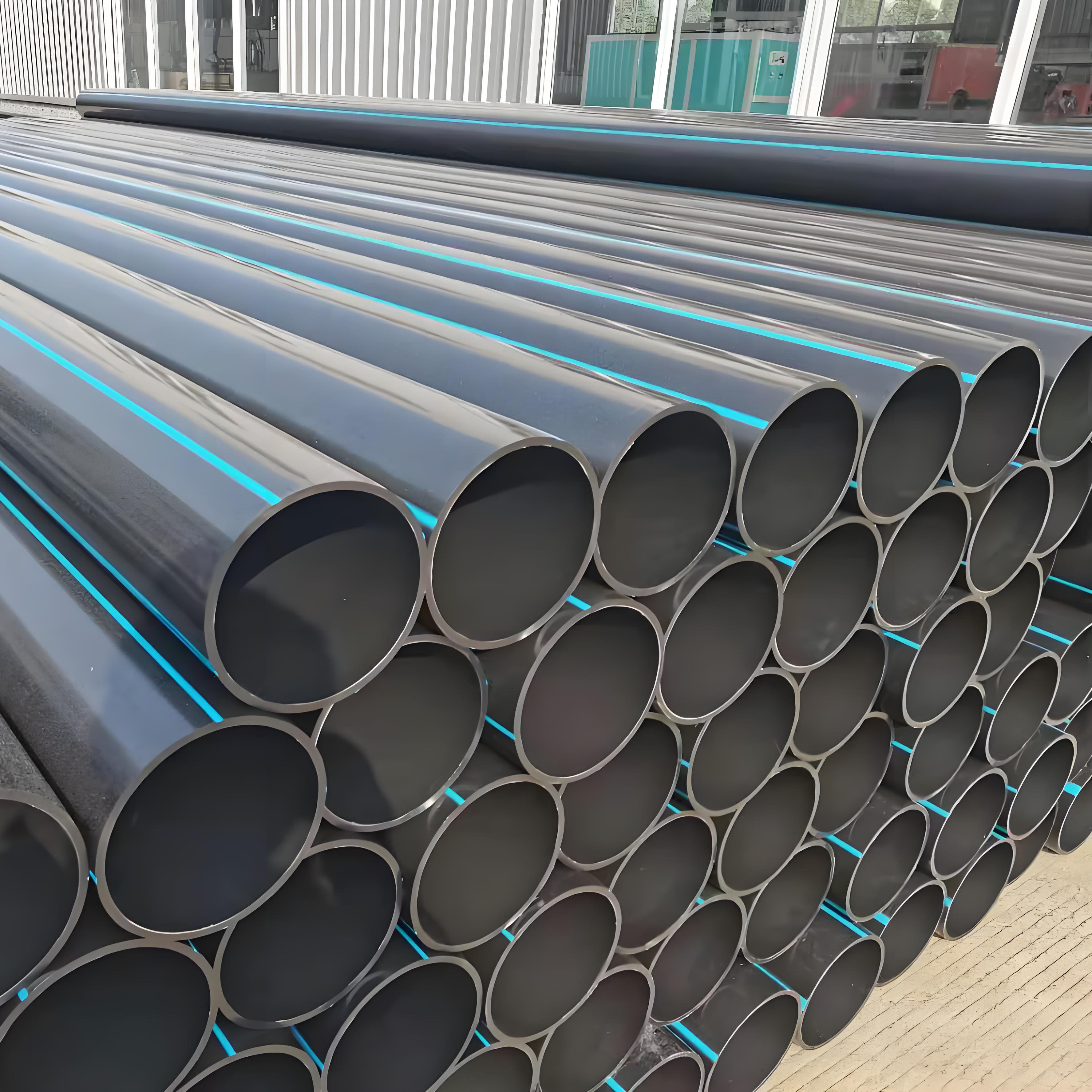
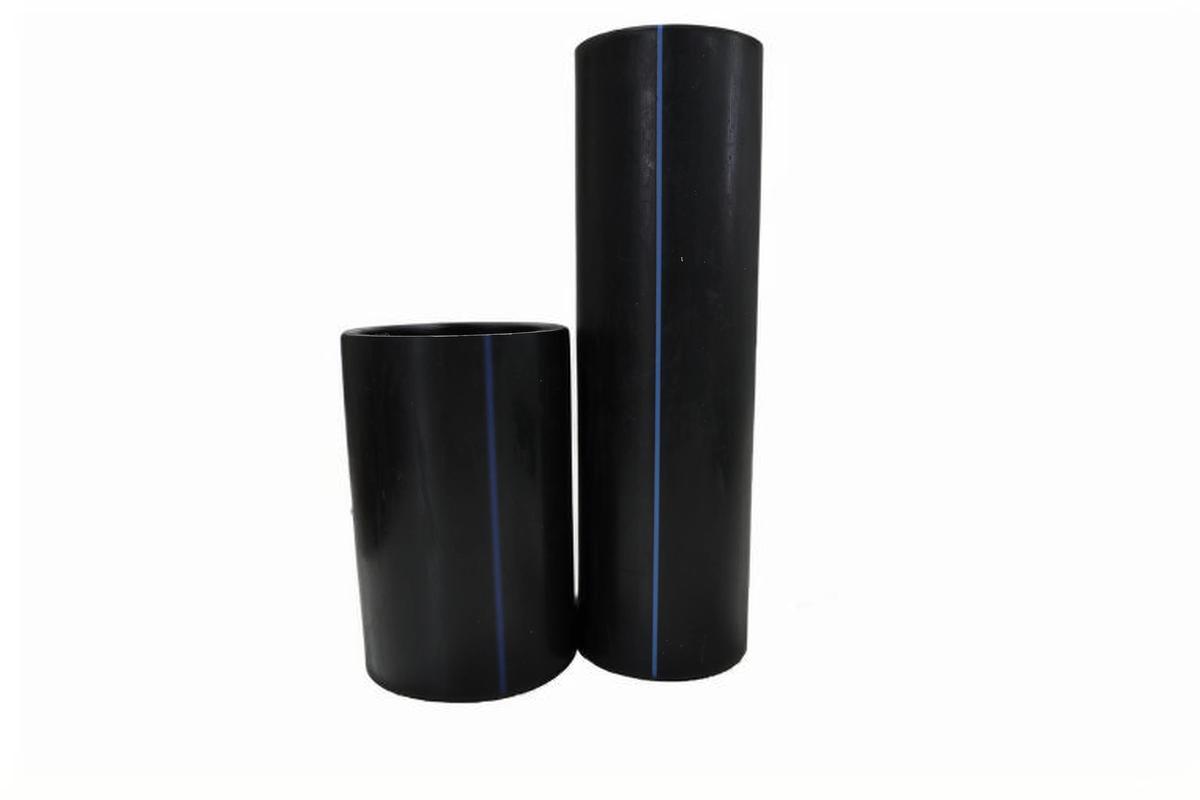
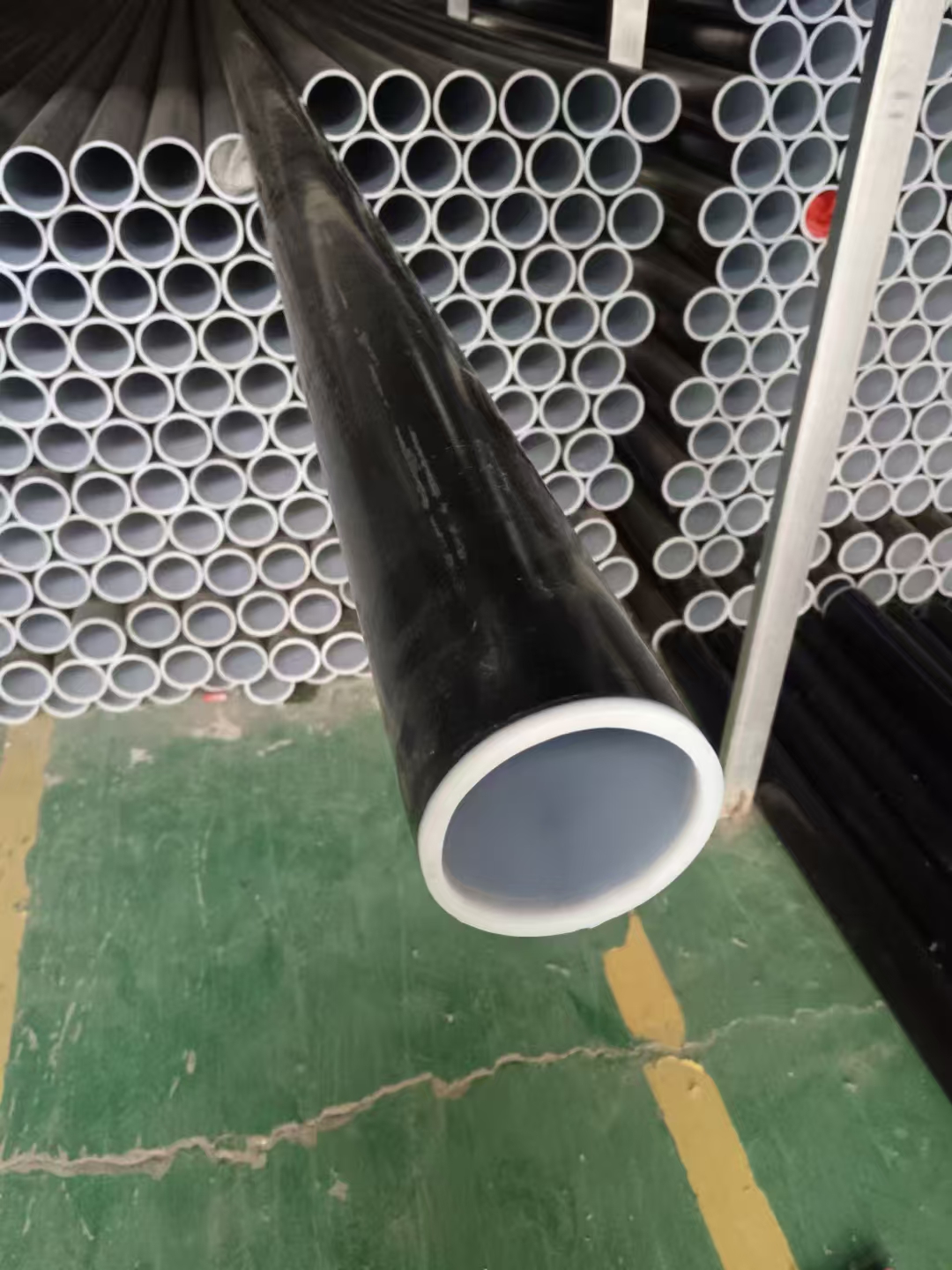
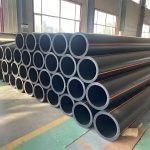
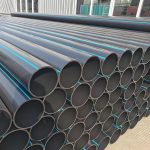
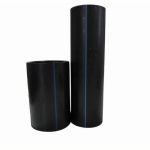
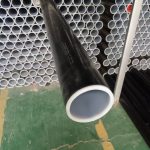
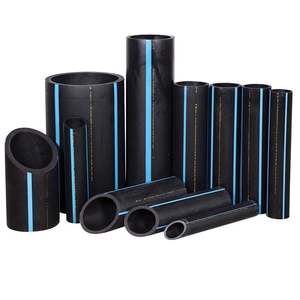
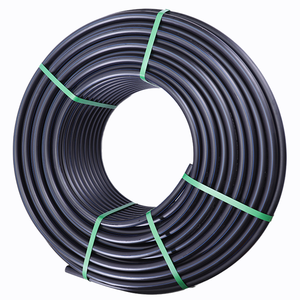
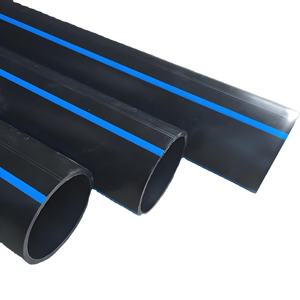
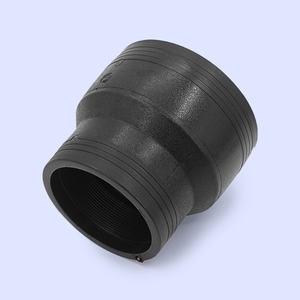
Paipu Gas Polyethylene (Paipu kinoea PE, short for PE gas pipe) is a pipeline system made of high density polyethylene (HDPE) or medium density polyethylene (MDPE) as raw materials through extrusion molding process, specially designed for the transportation of natural gas, kinoea ʻaila liquefied (LPG) and other gas media.
Paipu Gas Polyethylene (Paipu kinoea PE, short for PE gas pipe) is a pipeline system made of high density polyethylene (HDPE) or medium density polyethylene (MDPE) as raw materials through extrusion molding process, specially designed for the transportation of natural gas, kinoea ʻaila liquefied (LPG) and other gas media. Hoʻohālikelike ʻia me nā paipu metala kahiko, PE gas pipe has become the preferred material in the field of global gas transportation due to its characteristics of light weight, pale ʻino, strong impact resistance and long life.
Details of Black Polyethylene Gas Pipe
ʻO ke kūpaʻa ʻino:PE material has natural resistance to chemical corrosion, electrochemical corrosion and soil microbial erosion, without additional anti-corrosion treatment.
Flexibility and shock resistance:The pipeline has high flexibility, which can adapt to external deformation such as terrain settlement or earthquake, and reduce the risk of leakage.
Long life lawelawe:the design life can reach more than 50 makahiki, far more than the metal pipeline (usually 20-30 makahiki).
Hana maʻalahi: kaumaha māmā (wale nō 1/8 o ka paipu kila), support trenchless construction (such as directional drilling), greatly reduce installation costs.
Good sealing: using hot melt connection technology, the interface strength is consistent with the pipe body, and the potential gas leakage is eliminated.
Environmental safety:non-toxic and tasteless, in line with drinking water contact standards, a 100% hiki ke hana hou.
PE80: ʻO ka polyethylene haʻahaʻa haʻahaʻa, suitable for medium and low pressure gas transmission (≤0.4MPa).
PE100: Polyethylene kiʻekiʻe, with higher strength and pressure resistance (up to 1.0MPa), suitable for high pressure long distance transportation.
2. Pipe size
Anawaena waho (mm)
Waiwai SDR
Ke kaomi hana (MPa)
Wall thickness range (mm)
20-63
SDR11
0.4-0.6
2.3-5.8
75-180
SDR17.6
0.2-0.4
4.3-10.3
200-630
SDR11
0.8-1.0
18.2-57.2
Nānā: SDR (Lakiō ana maʻamau) is the ratio of the outer diameter of the pipe to the wall thickness, and the smaller the value, the stronger the pressure resistance.
3. Ka lōʻihi maʻamau
Straight pipe: 6m, 12m (non-standard length can be customized).
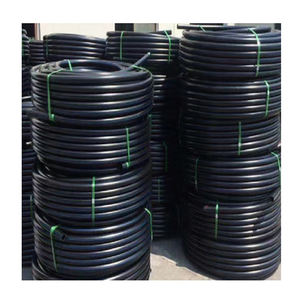
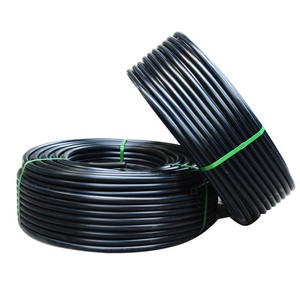
Coil pipe: 50m-200m (suitable for small diameter pipe, easy to transport and construction).
4. Color identification
Black pipe body + yellow stripe: international common gas pipeline identification.
Other colors can be customized according to customer requirements (subject to local regulations).
5. International standard certification:
ISO 4437: International standard for buried polyethylene piping systems for gas applications.
IN 1555: European standard for polyethylene piping for gas transmission.
ASTM D2513: American Society for Materials and Testing Standard for Gas Piping.
GB 15558.1-2015: China’s National Standard for polyethylene pipes for Gas use.
Applications of Black Polyethylene Gas Pipe
1. Urban gas network
Municipal gas main lines and residential pipelines.
Gas supply system for industrial and commercial users.
2. Industrial gas transmission
Industrial gas distribution for chemical plants, nā kahua mana, etc.
LNG/LPG storage and distribution station connection pipeline.
3 Rural and remote areas
Distributed gas supply system.
Bio-gas engineering gas pipeline.
4. Kaiapuni kūikawā
Earthquake prone areas: Use flexibility to reduce the risk of fracture.
Highly corrosive soil: Longer service life instead of metal pipes.
Water crossing: low buoyancy, excellent water pressure resistance.
Hoʻopili a hoʻouna
La paipu. dn20-63mm i loko o nā wili me 100m/200m ka lōʻihi
La paipu. Dn75-1200mm e hoʻopili ʻia i loko o nā kaola me 5.8m a i ʻole 11.8m ka lōʻihi
Hoʻouna:Ma ke kai,alahao,ma ka lewa a i ʻole e like me ke noi a ka mea kūʻai aku.
ʻIkepili Hui
Ua hoʻokumu ʻia ʻo Luoyang Datang Energy Tech Co.Ltd ma 2015 a aia ma ke kahua hoʻomohala ʻenehana kiʻekiʻe, Kulanakauhale o Luoyang, uhi ʻia i kahi ʻāpana nui me nā mea hana hou. Hāʻawi ko mākou aupuni i kahi kaiapuni kākoʻo, ʻo ia hoʻi ka halihali kūpono a me ke komo ʻana i nā kumuwaiwai koʻikoʻi. Mai ka hoʻomaka ʻana ma 2015, ua kūpaʻa mākou i ka maikaʻi ma nā paipu a me nā mea pono, hoʻomau mau ʻia e hoʻokō i nā koi mākeke.
Inā makemake ʻoe i nā paipu PPR a me nā pono,E ʻoluʻolu e hoʻokaʻaʻike mai mākou([email protected])
Kūkākūkā uku
T/T,L/C ma ka ʻike,Hui Komohana & Paypal,etc.
FAQ of Black Polyethylene Gas Pipe
Q1: How long is the service life of PE gas pipe?
A: Under standard working pressure and environmental conditions, the design life of PE gas pipe is 50 makahiki. The actual life is affected by the installation quality, soil environment and maintenance.
Q2: Can PE pipe withstand high temperature?
A: PE gas pipe long-term operating temperature limit is +40℃, short-term (such as maintenance welding) can withstand +60℃. It is recommended to use heat-resistant materials or add insulation layer in high temperature environment.
Q3: How to connect PE gas pipe?
A: Electrofusion and Butt Fusion are mainly used, which need to be operated by professional technicians to ensure tightness.
Q4: Is the PEkinoea pipe environmentally friendly?
A: PE material is non-toxic and harmless, the production process is pollution-free, and can be 100% recycled, in line with EU RoHS and REACH environmental protection standards.
Q5: How to carry out pipe maintenance?
A: No special maintenance is required. It is recommended to carry out air tightness testing every 5 makahiki. Potential problems can be located through closed circuit television (CCTV) or acoustic detection technology.