LUOYANG COME ENERGY TECH CO.,LTD

Polyethylene Kiʻekiʻe (HDPE) Paipu Waiwai – ʻAʻohe ʻona a paʻa
NA PALAPALA HUA
wehewehe
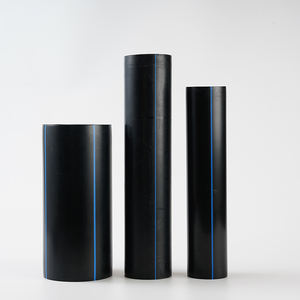
Hoʻolauna i ka Polyethylene High-Density (HDPE) Paipu Waiwai – ʻAʻohe ʻona a paʻa
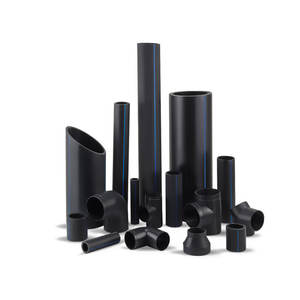
Paipu Polyethylene High Density (Paipu PE) ʻO kahi hopena paipu thermoplastic lōʻihi a hiki ke hoʻohana nui ʻia i ka ʻoihana, municipal, mahiʻai, a me nā noi eli. Ua ʻike ʻia no kona kūʻē ʻana i nā kemika maikaʻi loa, ikaika hopena kiʻekiʻe, a me ke ola lawelawe lōʻihi, He kūpono nā paipu PE no ka lawe ʻana i ka wai, kinoea, a me nā wai ʻē aʻe ma lalo o nā kūlana paʻi like ʻole.
ʻO nā hiʻohiʻona nui o ka Polyethylene High-Density (HDPE) Paipu Waiwai – ʻAʻohe ʻona a paʻa
ʻAiʻino & Palekana Kemika
Kū'ē i ka'ōpala, unahi, a me ka nui o na mea kemika, kūpono ia no nā kaiapuni koʻikoʻi.
Māmā & ʻoluʻolu
Maʻalahi e lawe a hoʻokomo ma muli o ke kaumaha haʻahaʻa; hiki i ka maʻalahi ke kulou me ka ʻole o nā hono i kekahi mau noi.
Ikaika Impact Kiekie
Ke kū nei i nā kūlana ʻino loa a me ke kaumaha kino, e hoemi ana i na pilikia nahaha.
Nā Hui Leak-Leak
Hoʻohui ʻia nā hui me ka wela, e hoemi ana i ka leakage.
Ola Hana lōʻihi
Paʻa UV a me ka abrasion, me ka lōʻihi o ke ola 50 makahiki ma lalo o nā kūlana kūpono.
Ili Loko Pahee
E hoemi ana i ka poho friction, ka hoʻomaikaʻi ʻana i ka pono kahe a me ka hoʻohaʻahaʻa ʻana i nā kumukūʻai ikehu.
Pilikia kaiaola
ʻAʻohe mea ʻawaʻawa, hiki ke hana hou, a me ka hoʻokō ʻana i nā kūlana palekana wai inu.
Kūʻai-Pono
ʻO nā kumukūʻai hoʻonohonoho haʻahaʻa a me ka mālama ʻana i hoʻohālikelike ʻia i nā mea kahiko (e.g., metala, kaʻakū).

(Polyethylene Kiʻekiʻe (HDPE) Paipu Waiwai – ʻAʻohe ʻona a paʻa)
Nā kikoʻī o ka Polyethylene High-Density (HDPE) Paipu Waiwai – ʻAʻohe ʻona a paʻa
Polyethylene Kiʻekiʻe (HDPE) supply of water pipes deliver risk-free, reliable water. These pipelines are safe. They fulfill rigorous NSF/ANSI 61 requirements for drinking water safety and security. You obtain tidy water without hazardous chemicals leaching in.
HDPE pipelines are extremely challenging. Kū lākou i ka pōʻino loa. Steel pipes rust. These don’t. They manage lots of chemicals located in soil or water treatment. Influence resistance is high. They will not fracture easily under stress and anxiety. This material lasts decades below ground. It makes it through severe weather and temperature swings.
Stress handling is excellent. HDPE pipelines work for various pressure courses. Usual ratings include PN6, PN8, PN10, PN12.5, PN16. This covers various water supply requires. The pipelines deal with chilly water well. They carry out fine in temperature levels up to 45 ° C(113 ° F). Avoid really high warmth sources.
He maʻalahi ka uku. Hiki ke loli nā paipu HDPE. This aids them adhere to the ground’s shape. ʻOi aku ka paʻakikī o ka ʻauwaha. Pono ʻoe i nā mea pono liʻiliʻi. The pipelines are light. Moving and handling them is easy. Joints use heat fusion. This creates an irreversible, sila paa wai. The pipe and suitable melt with each other. This bond is as strong as the pipeline itself. Drip points vanish.
Sizes are extensively offered. Sizes range from tiny 20mm (3/4″) align to large 1200mm (48″) kī. Common sizes keep links efficient. Wall thickness complies with conventional measurement proportions like SDR11, SDR17, SDR26. ʻO nā paia mānoanoa e mālama i nā kaomi kiʻekiʻe. The smooth internal surface area minimizes rubbing. Holo maikaʻi ka wai. Pumping prices stay lower. Clogging from scale buildup is uncommon. Upkeep demands are minimal.

(Polyethylene Kiʻekiʻe (HDPE) Paipu Waiwai – ʻAʻohe ʻona a paʻa)
Nā noi o ka Polyethylene Kiʻekiʻe (HDPE) Paipu Waiwai – ʻAʻohe ʻona a paʻa
High-density polyethylene pipes supply safe drinking water. This plastic material is safe. It meets stringent food-grade safety requirements. You won’t find unsafe chemicals seeping right into your water. HDPE pipes maintain water tidy and risk-free for families. They are extremely challenging. These pipelines resist deterioration perfectly. Rust and range build-up inside the pipeline isn’t an issue. This maintains water moving efficiently for many years. HDPE handles high pressure well. It will not break easily under anxiety. Anticipate these pipes to last decades without trouble.
Leaks are a significant frustration with old pipelines. HDPE solves this. The pipeline material itself is really strong. Joints are merged together utilizing heat. This produces a seamless, permanent bond more powerful than the pipe itself. Leak points typical at threaded links go away. You save water and avoid costly repairs. Installation is less complex as well. HDPE pipes are much lighter than metal or concrete pipes. Employees handle them easily. This reduces labor costs and speeds up projects. Trenching needs are usually much less demanding. The flexibility of HDPE assists. It flexes somewhat to follow the ground contours. This minimizes the demand for extra fittings. Less installations indicate less potential leak spots.
These benefits make HDPE suitable for many water tasks. Districts use it for new main water lines. It’s ideal for replacing old, falling short steel pipelines underground. Builders choose HDPE for water solution lines to homes and structures. Manufacturing facilities rely on it for process water distribution. Farms make use of HDPE pipes for irrigation systems throughout fields. Its sturdiness deals with exposure to sunshine and weather condition. Miners use it for dewatering operations. HDPE works dependably for aquatic outfalls. It holds up against extreme saltwater conditions.
Hoʻopili a hoʻouna
Pili i nā huahana a me ka helu,hiki iā mākou ke hana i ka hoʻopili ʻana o ka wili,nā ʻōwili,pūʻolo pūʻolo,pahu a pahu paha,etc.
Hoʻouna:Ma ke kai,alahao,ma ka lewa a i ʻole e like me ke noi a ka mea kūʻai aku.
ʻIkepili Hui
ʻO Luoyang Datang Energy Tech Co., Ltd. ʻO ia ka mea hana Kina alakaʻi kūikawā i nā paipu plastik kiʻekiʻe a me nā mea pono. Hoʻolako ʻia me nā laina hana ʻenehana hou a kākoʻo ʻia e kahi hui o 200 ʻoihana, hāʻawi mākou i kahi laina huahana nui e pili ana ma luna 150 nā ʻano paipu plastik a me nā mea pono i hoʻolālā ʻia no ka hoʻolako ʻana i ka wai a me nā ʻōnaehana wai, lawe kinoea, a me nā ʻōnaehana hoʻomehana papahele. ʻO kā mākou huahana nui nā PVC Pipes a me nā mea pono, PE (HDPE) Paipu a me na lako, PPR Paipu a me na lako, a me na paipu wela o ka papahele PEX.
Inā he nīnau kāu e pili ana i ka HDPE Pipe Fitting, mai hoʻokaʻulua e hoʻokaʻaʻike mai iā mākou!
Tel.:0086-183 3790 0677
Wechat: 0086-183 3790 0677
Whatsapp: 0086-183 3790 0677
leka uila: sales@pipesandfittings.net
Kūkākūkā uku
T/T,L/C ma ka ʻike,Hui Komohana & Paypal,etc.
5 Nā nīnau nīnau no ka Polyethylene Kiʻekiʻe (HDPE) Paipu Waiwai – ʻAʻohe ʻona a paʻa
He aha ka paipu HDPE? HDPE pipe is made from high-density polyethylene plastic. He ikaika a maʻalahi kēia mea. People use it for water supply systems. It moves drinking water efficiently.
No ke aha ʻaʻole ʻawaʻawa ka paipu HDPE? HDPE uses food-safe materials. Ua kū i nā kūlana olakino koʻikoʻi. The pipe won’t release chemicals into water. Your water stays pure and safe.
Pehea ka lōʻihi o ka paipu HDPE? Pale ka HDPE i ka ʻōpala a me nā kemika. It handles extreme weather. It doesn’t crack in freezing conditions. The pipe lasts over 50 makahiki.
Hiki i ka paipu HDPE ke mālama i ke kaomi kiʻekiʻe? ʻAe, HDPE is built for pressure. It has thick walls. It won’t burst easily. Water flows smoothly through it.
Is HDPE pipe easy to install? HDPE is lightweight. It bends around obstacles. Workers connect it quickly. Fewer joints mean less leakage risk. Mālama kēia i ka manawa a me ke kālā.

(Polyethylene Kiʻekiʻe (HDPE) Paipu Waiwai – ʻAʻohe ʻona a paʻa)
NOI I KA PALAPALA
NA HUAKAI PILI
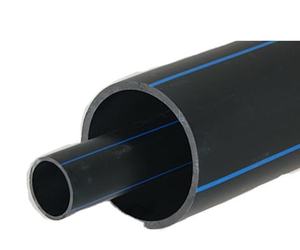
OEM High Quality Hot BS Standard HDPE White Color Flexible Electrical Conduit High-Density Polyethylene Plastic Tubes
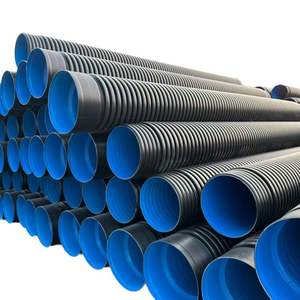
High Density Polyethylene Granules Virgin Plastic HDPE Resin Pipe Grade LDPE
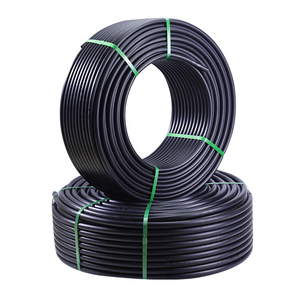
High Density Polyethylene Granules Virgin Plastic HDPE Resin Pipe Grade LDPE
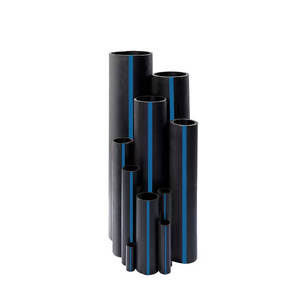
Polyethylene Kiʻekiʻe (PE) Paipu ʻEleʻele no ka hoʻohana ʻana i ka laina kinoea
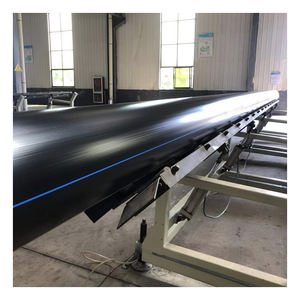
ʻOihana HDPE LDPE PP ABS Pehd Pipe Machine