


LUOYANG COME ENERGY TECH CO.,LTD

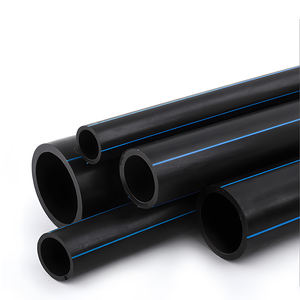
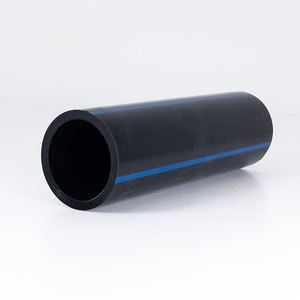
Polyethylene Kiʻekiʻe (PE) Paipu ʻEleʻele no ka hoʻohana ʻana i ka laina kinoea
NA PALAPALA HUA
wehewehe
Hoʻolauna i ka Polyethylene High-Density (PE) Paipu ʻEleʻele no ka hoʻohana ʻana i ka laina kinoea
Paipu Polyethylene High Density (Paipu PE) ʻO kahi hopena paipu thermoplastic lōʻihi a hiki ke hoʻohana nui ʻia i ka ʻoihana, municipal, mahiʻai, a me nā noi eli. Ua ʻike ʻia no kona kūʻē ʻana i nā kemika maikaʻi loa, ikaika hopena kiʻekiʻe, a me ke ola lawelawe lōʻihi, He kūpono nā paipu PE no ka lawe ʻana i ka wai, kinoea, a me nā wai ʻē aʻe ma lalo o nā kūlana paʻi like ʻole.
ʻO nā hiʻohiʻona nui o ka Polyethylene High-Density (PE) Paipu ʻEleʻele no ka hoʻohana ʻana i ka laina kinoea
ʻAiʻino & Palekana Kemika
Kū'ē i ka'ōpala, unahi, a me ka nui o na mea kemika, kūpono ia no nā kaiapuni koʻikoʻi.
Māmā & ʻoluʻolu
Maʻalahi e lawe a hoʻokomo ma muli o ke kaumaha haʻahaʻa; hiki i ka maʻalahi ke kulou me ka ʻole o nā hono i kekahi mau noi.
Ikaika Impact Kiekie
Ke kū nei i nā kūlana ʻino loa a me ke kaumaha kino, e hoemi ana i na pilikia nahaha.
Nā Hui Leak-Leak
Hoʻohui ʻia nā hui me ka wela, e hoemi ana i ka leakage.
Ola Hana lōʻihi
Paʻa UV a me ka abrasion, me ka lōʻihi o ke ola 50 makahiki ma lalo o nā kūlana kūpono.
Ili Loko Pahee
E hoemi ana i ka poho friction, ka hoʻomaikaʻi ʻana i ka pono kahe a me ka hoʻohaʻahaʻa ʻana i nā kumukūʻai ikehu.
Pilikia kaiaola
ʻAʻohe mea ʻawaʻawa, hiki ke hana hou, a me ka hoʻokō ʻana i nā kūlana palekana wai inu.
Kūʻai-Pono
ʻO nā kumukūʻai hoʻonohonoho haʻahaʻa a me ka mālama ʻana i hoʻohālikelike ʻia i nā mea kahiko (e.g., metala, kaʻakū).

(Polyethylene Kiʻekiʻe (PE) Paipu ʻEleʻele no ka hoʻohana ʻana i ka laina kinoea)
Nā kikoʻī o ka Polyethylene High-Density (PE) Paipu ʻEleʻele no ka hoʻohana ʻana i ka laina kinoea
Polyethylene Kiʻekiʻe (PE) Black Pipeline is the leading selection for risk-free below ground gas circulation. This pipe is made from long lasting PE product. Its black shade includes carbon black. This safeguards the pipe from sunlight damages. The pipe fulfills strict safety and security standards like ASTM D2513 and ISO 4437. These guidelines guarantee trustworthy efficiency for gas transport.
These pipes deal with various stress levels. The stress score depends on the pipeline’s SDR proportion. SDR indicates Conventional Measurement Proportion. A lower SDR number suggests a thicker pipe wall. Thicker walls take care of greater pressures. Common SDR ratings consist of SDR 11 a me SDR 17. SDR 11 pipe typically manages pressures up to 100 psi. SDR 17 pipe deals with stress approximately 60 psi. Constantly examine the specific score for your job needs.
The material is extremely hard. It withstands fractures and effect damages very well. This toughness is vital for below ground setups. The pipe will not rust or wear away like metal pipes. This gives it a long life span. It works terrific in lots of dirt conditions. He laumania ka ili o ka paipu o loko. This level of smoothness minimizes rubbing. Gas flows efficiently with much less stress loss.
Installment makes use of warm fusion joining. This method thaws the pipeline ends together. The outcome is a smooth, loulou pili wai. Combination joints are as solid as the pipeline itself. This produces a continuous, reputable system underground. The pipe is adaptable. It bends a little during setup. This aids it comply with the trench path. It decreases the need for additional fittings.
HDPE black pipeline deals with temperatures well. It does reliably from cold winter season problems up to about 140 ° F (60 ° C). He māmā ka paipu. This makes it much easier and more affordable to transport and handle onsite. It calls for less hefty devices for setup. This pipeline is developed exclusively for gas solution. Never ever utilize it for other fluids like water. Proper setup by qualified staffs following gas codes is vital.

(Polyethylene Kiʻekiʻe (PE) Paipu ʻEleʻele no ka hoʻohana ʻana i ka laina kinoea)
Nā noi o ka Polyethylene Kiʻekiʻe (PE) Paipu ʻEleʻele no ka hoʻohana ʻana i ka laina kinoea
High-density polyethylene black pipe, usually called PE pipe, is a leading choice for gas line setups. He paʻakikī a maʻalahi. This material takes care of the demands of below ground gas systems well. You bury these pipelines securely concealed. They will not corrosion or corrode like steel pipes can. This is essential for gas safety over several years.
Leakages are a significant concern with gas lines. PE pipeline joints are warmth merged. This creates a continuous, solid connection. The result is a system without any powerlessness. It suggests no leakages at the joints. That’s a huge security advantage. The pipeline itself is really resistant to splits and damages. It flexes a little without damaging. This assists it deal with ground activity or changing dirt.
Installment is typically much faster and less costly than steel pipe. PE pipeline is lighter. Employees relocate and manage it quickly. You don’t need heavy machinery for every single task. The heat fusion process signs up with areas promptly. There’s no threading or complex fittings. Much less digging time saves cash too. Hiki ke ʻoki ʻia ka ʻauwaha. This minimizes disruption to the area.
These pipes help numerous gas line jobs. They prevail for bringing gas from the main line to homes and businesses. Energy firms rely upon them for circulation networks underground. Builders utilize them for gas lines in brand-new housing advancements. Farms make use of PE pipeline for gas to barns or devices. Industrial websites install them for fuel gas supply. The pipes bring gas or propane securely.
Long life is one more crucial benefit. PE pipeline holds up against extreme dirt problems. It withstands several chemicals located underground. You expect years of dependable service. Upkeep needs are very low. This saves money over the pipeline’s lifetime. The smooth inside wall keeps gas flowing successfully. There’s less rubbing loss contrasted to some older pipe types.
Hoʻopili a hoʻouna
Pili i nā huahana a me ka helu,hiki iā mākou ke hana i ka hoʻopili ʻana o ka wili,nā ʻōwili,pūʻolo pūʻolo,pahu a pahu paha,etc.
Hoʻouna:Ma ke kai,alahao,ma ka lewa a i ʻole e like me ke noi a ka mea kūʻai aku.
ʻIkepili Hui
ʻO Luoyang Datang Energy Tech Co., Ltd. ʻO ia ka mea hana Kina alakaʻi kūikawā i nā paipu plastik kiʻekiʻe a me nā mea pono. Hoʻolako ʻia me nā laina hana ʻenehana hou a kākoʻo ʻia e kahi hui o 200 ʻoihana, hāʻawi mākou i kahi laina huahana nui e pili ana ma luna 150 nā ʻano paipu plastik a me nā mea pono i hoʻolālā ʻia no ka hoʻolako ʻana i ka wai a me nā ʻōnaehana wai, lawe kinoea, a me nā ʻōnaehana hoʻomehana papahele. ʻO kā mākou huahana nui nā PVC Pipes a me nā mea pono, PE (HDPE) Paipu a me na lako, PPR Paipu a me na lako, a me na paipu wela o ka papahele PEX.
Inā he nīnau kāu e pili ana i ka HDPE Pipe Fitting, mai hoʻokaʻulua e hoʻokaʻaʻike mai iā mākou!
Tel.:0086-183 3790 0677
Wechat: 0086-183 3790 0677
Whatsapp: 0086-183 3790 0677
leka uila: sales@pipesandfittings.net
Kūkākūkā uku
T/T,L/C ma ka ʻike,Hui Komohana & Paypal,etc.
5 Nā nīnau nīnau no ka Polyethylene Kiʻekiʻe (PE) Paipu ʻEleʻele no ka hoʻohana ʻana i ka laina kinoea
Here are five common questions about High-Density Polyethylene (PE) Black Pipe for gas lines:
What is HDPE Black Pipe made from?
HDPE Black Pipe is plastic. It uses a strong, flexible polyethylene material. This material is specially designed for gas. The black color comes from carbon black added during making. Carbon black protects the pipe from sunlight damage. It also makes the pipe very tough.
Is this pipe safe for natural gas or propane?
ʻAe. HDPE Black Pipe is approved for underground natural gas and propane lines. It meets strict safety standards. Gas companies and building codes accept it. Always check the pipe has the right markings for gas use. Look for ASTM D2513 certification.
How much pressure can this pipe handle?
Mālama maikaʻi ka paipu HDPE i ke kaomi kiʻekiʻe. ʻO ka helu pololei ma muli o ka nui o ka paipu a me ka mānoanoa o ka paia. Common ratings are 80 PSI a i ʻole 100 PSI for gas distribution. Check the pipe’s printed markings for its specific pressure rating. Mai ʻoi aku ma mua o ke kaomi helu.
Why choose HDPE pipe over metal for gas?
HDPE pipe has big advantages underground. It doesn’t rust or corrode like metal. ʻOi aku ka lōʻihi. HDPE is also very flexible. This makes installation easier over uneven ground. It withstands ground movement better than rigid metal pipe. Hoʻohui pū ʻia nā hui HDPE. Hoʻokumu kēia i kahi maʻa ʻole, leak-proof system.
How are leaks prevented with HDPE pipe?
ʻO ka hoʻokomo kūpono ke kī. Trained technicians use heat fusion to join HDPE pipe sections. Hoʻoheheʻe kēia i ka pau ʻana o ka paipu. Lilo ka ami e like me ka paipu ponoi. It forms a permanent, leak-free sila. Visual inspection and pressure testing confirm the system is sealed tight before use.

(Polyethylene Kiʻekiʻe (PE) Paipu ʻEleʻele no ka hoʻohana ʻana i ka laina kinoea)
NOI I KA PALAPALA
NA HUAKAI PILI
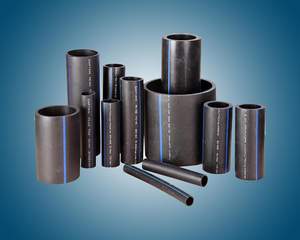
PE Tube High Density Polyethylene Pipe HDPE Pipe For Water Supply Hdpe Siphon Co-Layered Drainage Pipes
SN8 Pāpā ʻAlua Paipu PE 200mm 500mm 1200mm No ka hoʻomaʻamaʻa ʻana i ka wai o ka ʻāina.
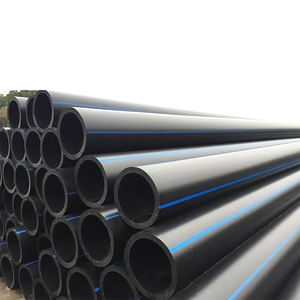
Polyethylene Kiʻekiʻe (HDPE) Paipu Huipuia HDPE Steel Wire Paipu no ka wai
s High Density Polyethylene Pe100 HDPE Polyethylene Plastic Tube Hdpe Sdr11 Pipe
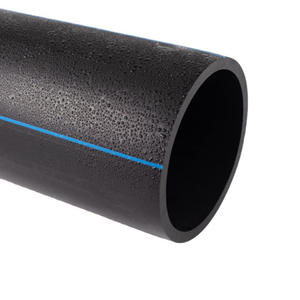
Kiekie Polyethylene Tube HDPE Paipu PE Wai Paipu No ka lako a me ka hoʻokahe