LUOYANG COME ENERGY TECH CO.,LTD

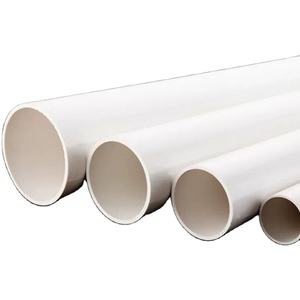
Nā Nui maʻamau ʻO ka Pipe Conduit PVC
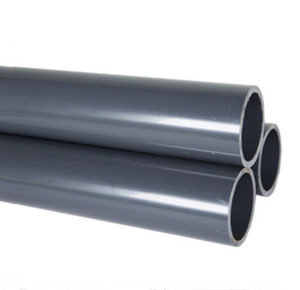
NA PALAPALA HUA
wehewehe
Introduction of Standard Sizes Electrical PVC Conduit Pipe
Polyvinyl chloride (PVC) Paipu he mea paa loa, māmā, a me ke kumu kūʻai-effective pipe solution hoʻohana nui ʻia i ka ʻoihana, mahiʻai, kūkulu hale, a me nā noi paipu. Hana ʻia mai nā mea polyvinyl chloride kiʻekiʻe, Hāʻawi nā paipu PVC i ke kūpaʻa maikaʻi loa, pahee loko no ka holo pono o ka wai, a me ka hilinaʻi lōʻihi ma nā wahi like ʻole.
Key Features of Standard Sizes Electrical PVC Conduit Pipe
ʻAiʻino & Palekana Kemika:Kū'ē i ka'ōpala, kemika, a me nā mea ʻakika/alkali, hoʻolilo iā lākou i mea kūpono no ka ʻoihana a me nā noi wai ʻino.
Māmā & Hoʻokomo maʻalahi:Hoʻemi ka hoʻolālā māmā i ka lawe ʻana a me ka uku hana, ʻoiai nā ʻano hui maʻalahi (e.g., kuʻi hoʻoheheʻe, hili ʻana) hōʻoia i ka hoʻokomo wikiwiki.
Ili Kalaiaina Maalahi:Hoʻemi i ka nalowale o ka friction, ka hoʻomaikaʻi ʻana i ka maikaʻi o ka kahe ʻana a me ka hōʻemi ʻana i ka hoʻohana ʻana i ka ikehu i nā ʻōnaehana lawe wai.
Ikaika Kiekie & Ka lōʻihi:Paʻa i ke kaomi kiʻekiʻe a me ka hopena, kūpono no ka hoʻokomo ʻana ma lalo o ka honua a ma luna o ka honua.
Ola Hana lōʻihi:Palena UV (ina i kukuluia) a pili ole i ka wai, hōʻoia i nā ʻumi makahiki o ka hana haʻahaʻa mālama.
Kūʻai-Pono:ʻO nā kumu kūʻai haʻahaʻa a me nā kumukūʻai hoʻokomo i hoʻohālikelike ʻia me nā paipu metala, hāʻawi i kahi ʻokoʻa waiwai.
ʻAʻohe ʻona & Palekana:Hoʻopaʻa ʻia no ka lako wai inu (hiki ke loaʻa nā ʻano hoʻohalahala-ʻole) a kūpono i nā kūlana honua (e.g., NSF, ASTM).
Nā mea hoʻohana like ʻole:Hoʻohana ʻia i ka wai, hoʻokahe wai, irrigation, paipu uila, a me nā ʻōnaehana hana ʻoihana.

(Nā Nui maʻamau ʻO ka Pipe Conduit PVC)
Specifications of Standard Sizes Electrical PVC Conduit Pipe
PVC conduit pipelines protect electrical cords. Hana ʻia lākou mai ka polyvinyl chloride mea paʻakikī. These pipelines maintain wires safe from damage and moisture.
Many building contractors select PVC avenue. He manawa lōʻihi loa ia. It does not rust like steel pipes. PVC handles damp problems well. He kūʻē hoʻi i nā kemika. This makes it great for extreme places.
Loaʻa koke ʻia nā ana kumu. Typical statistics sizes consist of 20mm, 25mm, 32mm, 40mm, a me 50mm. Imperial sizes are 1/2 iniha, 3/4 iniha, 1 iniha, 1 1/4 iniha, a 2 iniha. Various other sizes exist for unique jobs.
Wall surface density matters. A 20mm pipe has wall surfaces regarding 1.6 mm thick. A 50mm pipeline has walls around 2mm thick. Thicker wall surfaces mean more security.
Criterion pipeline lengths are 3 mika a i ʻole 4 mika. Much shorter items can be reduced. Pipes can be found in gray or white. Some are intense orange for visibility.
PVC conduit operates in lots of temperatures. It manages cold to -5 ° C. It deals with warm up to 60 ° C. Avoid extreme warm areas.
These pipelines bend conveniently with warmth. They attach making use of solvent concrete. Fittings like joints and combinings sign up with pipelines smoothly.
Usage PVC conduit indoors and outdoors. It goes in walls, lalo o ka honua, a i ʻole ke kaʻa. It secures wires in homes, nā wahi hana, hale hana. It is light and straightforward to mount.
Choose the right dimension for your wires. Follow local electric codes.

(Nā Nui maʻamau ʻO ka Pipe Conduit PVC)
Applications of Standard Sizes Electrical PVC Conduit Pipe
Standard sizes electrical PVC channel pipeline protects cables and cords. It comes in common diameters like 20mm, 25mm, 32mm, 40mm, 50mm, a me 63mm. These sizes fit most electrical wiring work. Electrical experts utilize them daily. Contractors mount them inside wall surfaces and ceilings during building. The pipeline shields wires from damages. It prevents unintended call. This maintains people safe.
- PVC pipe functions well outdoors. It resists sunlight, ua, and numerous chemicals. This makes it great for revealed locations on buildings. Factories utilize it thoroughly. Makers require protected circuitry. PVC conduit manages challenging commercial settings. It won’t corrosion like metal. Dampness does not harm it. This integrity matters in plants.
- Hiding wires below ground requirements defense. PVC conduit is best for this. It endures soil pressure and moisture. Criterion sizes like 40mm and 50mm prevail for hidden lines. Running cords under driveways or gardens utilizes this pipeline. It supplies a secure path. Installers pull cords with it easily. The smooth interior aids.
- Safety is a major advantage. ʻAʻole hoʻokō ka PVC. It doesn’t carry electricity. This protects against shocks. It additionally stands up to fire. PVC won’t sustain fires. This adds protection inside buildings. Utilizing the appropriate size is vital. As well small makes drawing wires hard. Also large wastes cash. Requirement sizes streamline planning. Electrical contractors understand what fits each work. Equipping common sizes is effective. Providers maintain them readily offered. Picking PVC channel offers a long lasting, cost-effective solution for secure wiring.
Hoʻopili a hoʻouna
Pili i nā huahana a me ka helu,hiki iā mākou ke hana i ka hoʻopili ʻana o ka wili,nā ʻōwili,pūʻolo pūʻolo,pahu a pahu paha,etc.
Hoʻouna:Ma ke kai,alahao,ma ka lewa a i ʻole e like me ke noi a ka mea kūʻai aku.
ʻIkepili Hui
ʻO Luoyang Datang Energy Tech Co., Ltd. ʻO ia ka mea hana Kina alakaʻi kūikawā i nā paipu plastik kiʻekiʻe a me nā mea pono. Hoʻolako ʻia me nā laina hana ʻenehana hou a kākoʻo ʻia e kahi hui o 200 ʻoihana, hāʻawi mākou i kahi laina huahana nui e pili ana ma luna 150 nā ʻano paipu plastik a me nā mea pono i hoʻolālā ʻia no ka hoʻolako ʻana i ka wai a me nā ʻōnaehana wai, lawe kinoea, a me nā ʻōnaehana hoʻomehana papahele. ʻO kā mākou huahana nui nā PVC Pipes a me nā mea pono, PE (HDPE) Paipu a me na lako, PPR Paipu a me na lako, a me nā paipu wela papahele PEX.
Inā he nīnau kāu e pili ana i ka HDPE Pipe Fitting, mai hoʻokaʻulua e hoʻokaʻaʻike mai iā mākou!
- Tel.:0086-183 3790 0677
- Wechat: 0086-183 3790 0677
- Whatsapp: 0086-183 3790 0677
- leka uila: [email protected]
Kūkākūkā uku
T/T,L/C ma ka ʻike,Hui Komohana & Paypal,etc.
5 FAQs of Standard Sizes Electrical PVC Conduit Pipe
Here are five common questions about standard size electrical PVC conduit pipes:
1. What sizes do PVC conduits come in?
PVC conduit pipes follow standard sizing. Common trade sizes are 1/2 iniha, 3/4 iniha, 1 iniha, 1-1/4 iniha, 1-1/2 iniha, 2 iniha, 2-1/2 iniha, 3 iniha, 3-1/2 iniha, 4 iniha, 5 iniha, a 6 iniha. These sizes match the inside diameter roughly. Larger sizes exist too. Sizing is consistent across major manufacturers.
2. Are all PVC conduit walls the same thickness?
ʻAʻole, wall thickness varies. Papa kuhikuhi 40 a me ka Papahana 80 are common types. Papa kuhikuhi 80 has thicker walls. Thicker walls mean higher crush resistance. Thicker walls also handle higher pressure. Papa kuhikuhi 40 is used most often for general electrical runs. Papa kuhikuhi 80 is better for heavy duty areas or where damage might happen.
3. Can I bend PVC conduit?
ʻAe, you can bend PVC conduit. Heat makes it flexible. Use a special heating tool or hot box. Heat the section you need to bend. Bend it carefully to the shape you want. Let it cool completely. It holds the new shape. This avoids using many fittings. Bending requires practice.
4. What temperatures can PVC conduit handle?
PVC conduit works fine in normal conditions. Avoid extreme cold or heat. Very cold makes PVC brittle. It can crack more easily. High heat makes PVC soften too much. It might deform. Stick to the temperature rating on the pipe. Usually this is around 140°F (60°C) maximum for Schedule 40. Check the manufacturer label for exact limits.
5. Why pick PVC conduit over metal?
PVC offers clear advantages. PVC costs less than metal conduit like EMT or rigid. PVC won’t rust or corrode. This is great for wet places or outdoors. PVC is lighter. It’s easier to carry and install. ʻAʻole hoʻokō ka PVC. It adds safety. Cutting PVC is simple with a saw. You don’t need special tools for threading.

(Nā Nui maʻamau ʻO ka Pipe Conduit PVC)
NOI I KA PALAPALA
NA HUAKAI PILI
UPVC 4 ʻīniha 6 Inch CPVC Plastic HDPE PVC Water Pipe List
Cheap Gas Pipe Fitting PVC Pipe Fitting
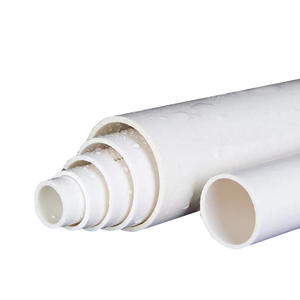
Paipu Paipu PVC holoʻokoʻa i nā inoa Paipu Ea
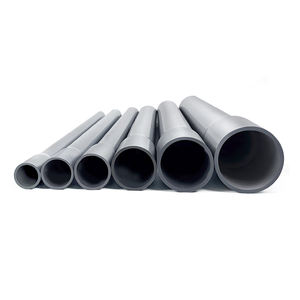
ʻO ka maikaʻi o ka wai PVC kiʻekiʻe kiʻekiʻe
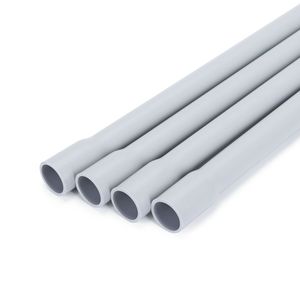
ʻO nā paipu wai maikaʻi o nā ʻano kikoʻī like ʻole CPVC Pipe Fitting Adapter