LUOYANG CAME ENERGY TECH CO.,LTD

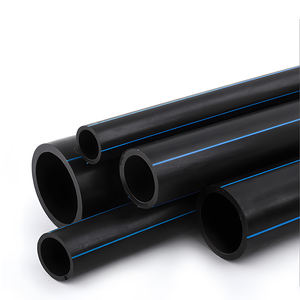
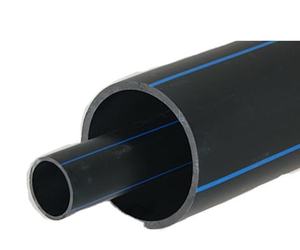
Water and Wastewater High Density Polyethylene Pipe
PARAMÈT PWODWI
Deskripsyon
Introduction of Water and Wastewater High Density Polyethylene Pipe
Gwo Dansite Polyethylene Tiyo (PE tiyo) se yon solisyon tiyo tèrmoplastik dirab ak fleksib lajman ki itilize nan endistriyèl, minisipal, agrikòl, ak aplikasyon pou min. Li te ye pou ekselan rezistans chimik li yo, gwo enpak fòs, ak lavi sèvis long, Tiyo PE yo ideyal pou transpòte dlo, gaz, ak lòt likid anba kondisyon presyon varye.
Key Features of Water and Wastewater High Density Polyethylene Pipe
Kowozyon & Rezistans chimik
Rezistan nan rouye, echèl, ak pifò pwodwi chimik yo, fè li apwopriye pou anviwònman agresif.
Lejè & Fleksib
Fasil pou transpòte ak enstale akòz pwa ki ba; fleksibilite pèmèt koube san jwenti nan sèten aplikasyon.
Segondè fòs enpak
Li reziste kondisyon metewolojik ekstrèm ak estrès fizik, diminye risk rupture.
Jwenti san koule
Jwenti chalè-fusion kreye koneksyon san pwoblèm, minimize risk flit yo.
Long sèvis lavi
UV ki reziste ak fwotman-prèv, ak yon lavi ki depase 50 ane nan kondisyon apwopriye.
Sifas enteryè lis
Diminye pèt friksyon, amelyore efikasite koule ak bese pri enèji.
Ekolojik-zanmi
Ki pa toksik, resikle, ak konfòme ak estanda sekirite dlo pou bwè.
Pri-efikas
Pi ba pri enstalasyon ak antretyen konpare ak materyèl tradisyonèl yo (pa egzanp, metal, konkrè).
(Water and Wastewater High Density Polyethylene Pipe)
Specifications of Water and Wastewater High Density Polyethylene Pipe
Water and wastewater high density polyethylene pipeline (HDPE) supplies a trustworthy remedy for fluid transportation. HDPE pipe is made from solid, flexible plastic. It resists rust exceptionally well. This makes it optimal for moving water and handling wastewater. Rust and chemical assault are not problems for HDPE. The pipe handles pressure successfully. Its stress rating is called PN. Usual PN rankings include PN6, PN8, PN10, PN12.5, and PN16. The PN number informs you the maximum pressure the pipeline can take. Higher PN means greater stress capability.
HDPE pipe is available in many dimensions. Diameters vary from little 16mm pipes approximately large 1600mm pipelines. You can locate the ideal size for several jobs. It functions well in various temperature levels. The pipe does dependably from -40 ° C up to 60 °C. This suits most ecological problems. Setup is usually much easier than metal pipe. HDPE is light-weight. This minimizes handling prices. Its versatility permits flexing around barriers. You need less fittings. Trenching requirements can be less complex. The smooth inner surface maintains water streaming effectively. Less rubbing implies lower pumping prices gradually.
Chemical resistance is a major advantage. HDPE holds up against numerous acids, antacid, and salts located in dirt and wastewater. It doesn’t leach unsafe compounds right into drinking water. Jointing methods are reputable. Butt blend welding develops leak-free, irreversible joints. The weld is as strong as the pipeline itself. Electrofusion fittings offer an additional strong choice. Mechanical joints are also offered for details needs. HDPE pipe has a long service life. It lasts over half a century with right installation and usage. This resilience means reduced replacement prices. Maintenance needs are minimal. It’s an economical option for water system networks, sewer system, and commercial discharge lines.

(Water and Wastewater High Density Polyethylene Pipe)
Applications of Water and Wastewater High Density Polyethylene Pipe
Water and wastewater systems need reliable pipes. Old steel pipes often corrosion and break. Concrete pipelines crack. Leakages drainage and trigger costly damage. High Thickness Polyethylene (HDPE) pipe addresses these problems. It’s a strong plastic pipeline. HDPE does not rust. It withstands chemicals in wastewater. It takes care of harsh dirt problems well. This makes HDPE extremely durable. Anticipate years of service.
HDPE pipelines are really versatile. This assists during installment. Teams can bend the pipeline around barriers. It requires fewer installations. This lowers labor expenses. Adaptable pipelines also manage ground movement better. They withstand quakes and moving dirt. They do not split quickly.
A significant benefit is leak-free joints. Workers join HDPE areas utilizing heat blend. They melt the pipeline finishes with each other. This creates a seamless, long-term bond. The joint is as solid as the pipe itself. This prevents leaks completely. It stops water loss and maintains groundwater tidy.
HDPE helps numerous water jobs. Cities use it for new main water lines. It’s excellent for taking care of old pipelines without digging big trenches. Employees pull HDPE via old, damaged pipes. Sa a ekonomize tan ak lajan. It reduces street interruption. HDPE brings drinking water securely. It does not include preference or smell.
Wastewater applications are very important as well. HDPE takes care of raw sewage and stormwater. Manufacturing facilities use it for chemical discharge lines. It stands up to acids and other harsh wastes. Treatment plants make use of HDPE for sludge lines and dealt with effluent. Its smooth inside prevents buildup. Wastewater streams freely.
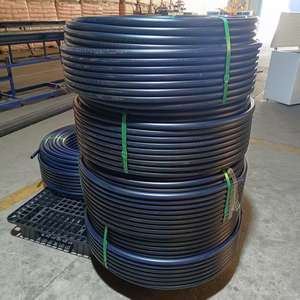
Installment is often quicker. HDPE coils been available in lengthy sizes. Employees fuse areas promptly above ground. They reduced the lengthy pipe string into the trench. This implies fewer joints in the ditch. It accelerates the work. The pipeline is likewise lighter than steel or concrete. Handling is easier and safer.
HDPE offers reduced life time expenses. It lasts much longer. It requires very little maintenance. You avoid repair service prices from leaks and breaks. Lowered installation time conserves cash upfront.
Anbalaj ak chajman
Depann sou pwodwi yo ak kantite,nou ta ka fè anbalaj la nan bobin,woulo,pake pake,kès oswa bwat,elatriye.
chajman:Pa lanmè,tren,pa lè oswa kòm demann kliyan an.
Konpayi Profile
Luoyang Datang Enèji Tech Co., Ltd. se yon dirijan manifakti Chinwa ki espesyalize nan bon jan kalite tiyo plastik ak ekipman. Ekipe ak liy pwodiksyon otomatik modèn ak sipòte pa yon ekip 200 pwofesyonèl yo, nou ofri yon liy pwodwi vaste comprenant sou 150 kalite tiyo plastik ak ekipman ki fèt pou rezèv dlo ak sistèm drenaj, transmisyon gaz, ak sistèm chofaj etaj. Pwodwi prensipal nou yo gen ladan tiyo PVC ak Fittings, PE (HDPE) Tiyo ak Fittings, PPR Tiyo ak Fittings, ak PEX tiyo chofaj etaj.
Ou ta dwe gen nenpòt kesyon konsènan Fitting tiyo HDPE, tanpri pa ezite kontakte nou!
Tel.:0086-183 3790 0677
Wechat: 0086-183 3790 0677
Whatsapp: 0086-183 3790 0677
Imèl: sales@pipesandfittings.net
Regleman Peman
T/T,L/C nan je,Western Union & Paypal,elatriye.
5 FAQs of Water and Wastewater High Density Polyethylene Pipe
Here are five common questions about Water and Wastewater High Density Polyethylene Pipe (HDPE):
What exactly is HDPE pipe? HDPE pipe is plastic pipe made from strong polyethylene resin. It’s flexible and tough. This pipe handles water pressure well. It resists chemicals and corrosion effectively. HDPE is common for moving drinking water and treating wastewater.
Why pick HDPE pipe over other materials? HDPE offers big advantages. Its flexibility lets it bend around obstacles. This reduces fitting needs. HDPE joints are fused together. This creates leak-free seals. The material won’t rust or corrode. It handles harsh chemicals in wastewater. HDPE pipe is also lightweight. This makes installation easier and cheaper.
Where is HDPE pipe typically used? HDPE pipe works for many water applications. It carries drinking water underground. It moves wastewater in treatment plants. HDPE is good for sewer force mains. It suits industrial discharge lines. HDPE pipe is also used for trenchless installations. This means less digging. HDPE works well for river crossings. It handles areas with ground movement.
How long does HDPE pipe actually last? HDPE pipe has a very long service life. Manufacturers often rate it for over 50 ane. Its resistance to corrosion helps this. Sunlight degrades HDPE over time. Proper burial protects it. Freezing water inside usually doesn’t crack it. HDPE expands slightly. This makes it good for cold climates. Proper installation ensures maximum lifespan.
How do you connect HDPE pipe sections? HDPE pipe sections join using heat fusion. This melts the pipe ends together. Butt fusion joins pipe ends directly. Electrofusion uses special fittings with heating elements. Fusion creates a permanent, monolithic bond. This bond is as strong as the pipe itself. Mechanical fittings are possible for temporary connections. Fusion is the standard for permanent, leak-proof systems.

(Water and Wastewater High Density Polyethylene Pipe)
DEMANDE YON PREVO
PWODWI ki gen rapò
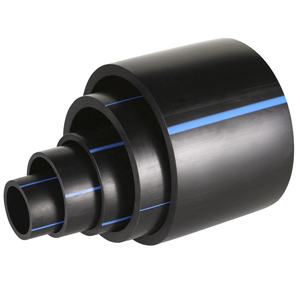
Dirab HDPE Corrugated fleksib irigasyon & Drenaj Tiyo High-Density Polyethylene Underground Kab Pwoteksyon Tib plastik
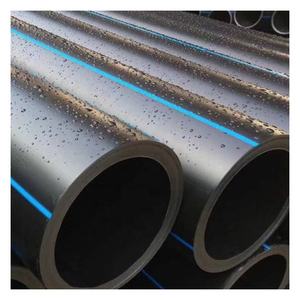
PE100 HDPE PIPE SDR 9 11 13.6 17 21 26 33 41 1.6Mpa Black HDPE Pipe High Density Polyethylene PE Water Pipe for Water Supply
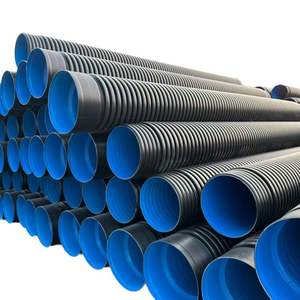
Pn8~16 High Density Polyethylene Hdpe Pipe Dn20mm Dn315mm`dn1000mm Hdpe Pipe for Water Supply
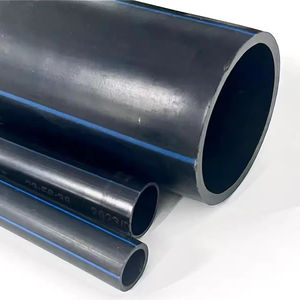
Segondè Kalite Tretman Dlo PE 100 PE 80 3 1″ 1.5″ 2″ Irigasyon HDPE Tiyo pou Jaden Farm
Tib plastik HDPE PE ekipman pou dlo tiyo drenaj irigasyon tiyo