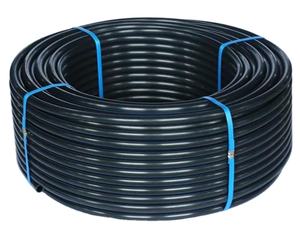
Ụlọ ọrụ LUOYANG CAMEENERGY TECH CO., LTD

Polyethylene dị njupụta dị elu (HDPE) Ọkụ mmiri maka ngwa 1.6MPa
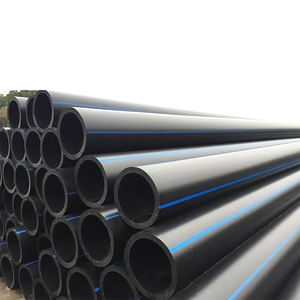
PRAMETERS ngwaahịa
Nkọwa
Okwu Mmalite nke High-Njupụta Polyethylene (HDPE) Ọkụ mmiri maka ngwa 1.6MPa
Pipe njupụta Polyethylene dị elu (PE Pipe) bụ ihe ngwọta thermoplastic na-adịgide adịgide ma na-agbanwe agbanwe nke a na-ejikarị eme ihe na ụlọ ọrụ mmepụta ihe, ime obodo, ugbo, na Ngwuputa ngwa. Amara maka nguzogide kemịkalụ ya dị mma, ike mmetụta dị elu, na ogologo ndụ ọrụ, Ọkụ PE dị mma maka ibufe mmiri, gas, na mmiri mmiri ndị ọzọ n'okpuru ọnọdụ nrụgide dị iche iche.
Akụkụ bụ isi nke Polyethylene dị njupụta dị elu (HDPE) Ọkụ mmiri maka ngwa 1.6MPa
Corrosion & Nguzogide kemịkalụ
Na-eguzogide nchara, ọnụ ọgụgụ, na ọtụtụ kemịkalụ, na-eme ka ọ dị mma maka gburugburu ebe ike ike.
Dị fechaa & Na-agbanwe agbanwe
Ọ dị mfe ibufe na ịwụnye n'ihi ịdị arọ dị ala; mgbanwe na-enye ohere ikwe na-enweghị nkwonkwo na ụfọdụ ngwa.
Ike Mmetụta dị elu
Na-anagide ọnọdụ ihu igwe dị oke egwu na nrụgide anụ ahụ, ibelata ihe egwu mgbaji.
Njikọ ndị na-enweghị nkwụsị
Njikọ ọkụ jikọtara ọnụ na-emepụta njikọ enweghị nkebi, ibelata ihe egwu ntapu.
Ogologo ndụ ije ozi
UV na-eguzogide ọgwụ na mgbochi abrasion, na ndụ karịrị akarị 50 afọ n'okpuru ọnọdụ kwesịrị ekwesị.
Elu ime dị nro
Na-ebelata mfu esemokwu, na-emeziwanye arụmọrụ na-asọ asọ na ibelata ụgwọ ọrụ ike.
Eco-Enyi na Enyi
Na-adịghị egbu egbu, enwere ike imegharị ya, ma na-akwado ụkpụrụ nchekwa mmiri ọ drinkingụ drinkingụ.
Ọnụ-dị irè
Nrụnye na nrụzi dị ala ma e jiri ya tụnyere ihe ọdịnala (eg, igwe, ihe).

(Polyethylene dị njupụta dị elu (HDPE) Ọkụ mmiri maka ngwa 1.6MPa)
Nkọwapụta nke Polyethylene dị njupụta dị elu (HDPE) Ọkụ mmiri maka ngwa 1.6MPa
Here’s the product content for HDPE pipes at 1.6 MPa:
These HDPE water pipes are developed for requiring 1.6 MPa stress systems. This pressure rating equates to 16 mmanya. It suggests the pipelines reliably deal with high inner water stress. The pipes use high-density polyethylene product. HDPE is difficult and flexible. Its firmly loaded particles give excellent toughness. The product withstands numerous chemicals. This consists of acids and bases. HDPE also holds up against effects well. It does not crack conveniently. The pipes will not wear away or corrosion. This makes them excellent for water. Ha na-anọ ogologo oge n'okpuru ala. HDPE pipes are lightweight. This simplifies handling and setup. Workers conserve effort and time. Usual dimensions consist of 20mm, 25mm, 32mm, 40mm, 50mm, 63mm, 75mm, 90mm, 110mm, and 160mm sizes. Larger dimensions are available. The conventional shade is black. A blue red stripe runs along the pipeline size. This stripe identifies safe and clean water usage. The pipes work in a large temperature range. They carry out from -40 ° C ka 60 Celsius C. This covers most climates. The smooth inner surface area lessens friction. Water circulation remains reliable. Power costs for pumping are lower. Drip risks are significantly minimized. The joints fuse with each other completely. This produces a continual, covered system. Installment techniques include butt blend and electrofusion. Both produce solid, njikọ ogologo oge. These pipelines are mainly for underground usage. They move drinkable water safely. Local water system networks utilize them. Commercial water transfer systems depend on them. Watering projects gain from them.

(Polyethylene dị njupụta dị elu (HDPE) Ọkụ mmiri maka ngwa 1.6MPa)
Ngwa nke Polyethylene dị njupụta dị elu (HDPE) Ọkụ mmiri maka ngwa 1.6MPa
HDPE pipelines rated for 1.6 MPa deal with requiring water pressure scenarios well. They are strong and reliable. This pressure rating amounts to around 16 mmanya ma ọ bụ 230 PSI. These pipes fit several essential applications where high pressure is normal.
Community water networks often utilize these pipes. They lug water under high pressure from treatment plants to tank and through circulation mains. Their durability withstands splitting and leakages over long distances. This guarantees consistent water distribution to homes and companies.
Industrial centers require robust piping. 1.6 MPa HDPE pipelines function well inside manufacturing facilities and plants. They transport process water, cooling water, and various other fluids reliably. Their resistance to rust and chemicals protects against system failings. This reduces pricey downtime and upkeep.
Mining procedures put pipelines under extreme tension. These high-pressure HDPE pipelines transport slurry, tailings, and process water dependably. They hold up against abrasion from solids in the flow. Their versatility assists them handle ground motion usual in mines. This longevity is important for safety and productivity.
Large irrigation systems rely on reputable high-pressure pipes. 1.6 MPa HDPE pipes provide water successfully across vast agricultural locations. They handle the stress needed for lawn sprinklers and center pivots. Their smooth internal surface area decreases friction loss. This saves power and improves water circulation.
Firefighting systems call for pipes that won’t fall short under stress. These HDPE pipelines serve well as mains and feeders for fire hydrant networks. They maintain architectural stability during high-flow fire events. This dependability is essential for emergency situation response.
Facilities tasks like passages and bridges often define these pipes. They supply a leak-free remedy for pressurized water conduits in challenging environments. Their long life span minimizes replacement costs dramatically.
The material itself is inert. HDPE does not communicate with water. It maintains alcohol consumption water secure and clean. No dangerous substances seep into the water supply. This is necessary for public health and wellness.
Setup advantages are clear. These pipes are lighter than steel options. Workers take care of and join them much more conveniently. Fusion welding develops smooth, monolithic joints. No leaks happen at link factors. This conserves time and labor during construction.
Lasting efficiency is excellent. HDPE stands up to environmental anxiety splitting. It does not rust or tuberculate like steel pipelines. Circulation capacity stays high over decades. Upkeep demands are very little. This lowers the total cost of possession substantially.
Mbukota na mbupu
Dabere na ngwaahịa na qty,anyị nwere ike ịme nkwakọ ngwaahịa,na-apụta,ngwugwu ngwugwu,igbe ma ọ bụ igbe,wdg.
Mbupu:Site n'oké osimiri,ụzọ ụgbọ oloko,site na ikuku ma ọ bụ dị ka ndị ahịa arịrịọ.
Nkọwapụta Ụlọ ọrụ
Ụlọ ọrụ Luoyang Datang Energy Tech Co., Ltd., Ltd. bụ onye na-emepụta ihe na China na-emepụta ọkachamara na ọkpọkọ plastik dị elu na akwa akwa. Ejiri ahịrị mmepụta akpaghị aka nke ọgbara ọhụrụ yana otu ndị otu na-akwado ya 200 ndị ọkachamara, anyị na-enye nnukwu ahịrị ngwaahịa mejupụtara 150 ụdị ọkpọkọ rọba na ihe ndị e mere maka inye mmiri na usoro mmiri mmiri, nnyefe gas, na usoro kpo oku ala. Ngwaahịa anyị bụ isi gụnyere PVC Pipes na Fittings, PE (HDPE) Ọkụ na Ngwakọta, PPR ọkpọkọ na ihe ndozi, na PEX Floor kpo oku ọkpọkọ.
Ọ bụrụ na ị nwere ajụjụ ọ bụla gbasara HDPE Pipe Fitting, biko egbula ịkpọtụrụ anyị!
Tel.:0086-183 3790 0677
Wechat: 0086-183 3790 0677
WhatsApp: 0086-183 3790 0677
Email: sales@pipesandfittings.net
Usoro ịkwụ ụgwọ
T/T,L/C na anya,Western Union & Paypal,wdg.
5 Ajụjụ nke Polyethylene dị njupụta dị elu (HDPE) Ọkụ mmiri maka ngwa 1.6MPa
What pressure can 1.6MPa HDPE pipes handle?
1.6MPa HDPE pipes are designed for a maximum working pressure of 16 bar at 20°C. This pressure rating means they reliably carry water under high pressure. Always check the specific pipe’s rating before installation.
Does temperature affect HDPE pipe pressure?
Ee, temperature matters. HDPE pipes hold less pressure as water temperature rises. At 20°C, 1.6MPa pipe handles 16 mmanya. At 40°C, its maximum pressure drops significantly. Consult the manufacturer’s tables for exact figures at different temperatures.
What chemicals can 1.6MPa HDPE pipe resist?
HDPE pipe resists many chemicals well. It handles most acids, alkalis, and salts found in water systems safely. It also resists corrosion from aggressive soils. HDPE is not good for strong oxidizing acids or some hydrocarbons. Check chemical compatibility charts first.
How is installing HDPE pipe different from metal pipe?
HDPE pipe installs differently than metal. It is much lighter. Ndị ọrụ na-emegharị ma na-ejikwa ya ngwa ngwa. Ị na-ejikọta ngalaba na-eji okpomọkụ fusion. Nke a na-emepụta enweghị nkebi, nkwonkwo na-agbapụta agbapụ. HDPE needs proper support. Avoid sharp bends. It expands and contracts more with temperature changes than metal.
How long does 1.6MPa HDPE pipe last?
Properly installed HDPE pipe lasts over 50 afọ. Its resistance to corrosion and chemical attack gives it a very long service life. Underground installations avoid UV degradation. Correct pressure and temperature use are key for maximum lifespan.

(Polyethylene dị njupụta dị elu (HDPE) Ọkụ mmiri maka ngwa 1.6MPa)
RỊỌRỌ OKWU
Ngwaahịa ndị metụtara
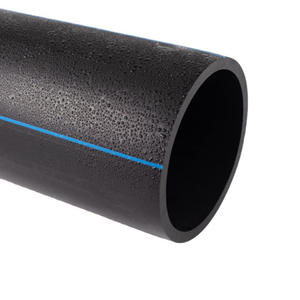
Elu Industrial Plastic PVC Tube UPVC Pipe Maka Mmiri na Nrụgide Dị Elu
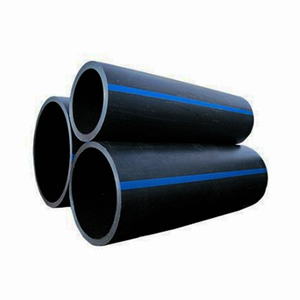
HDPE ọkpọkọ nwere mgbidi okpukpu abụọ e liri ọhụrụ ọkpọkọ nrụrụ na-eguzogide ihe nchekwa gburugburu ndụ ndụ ndụ.
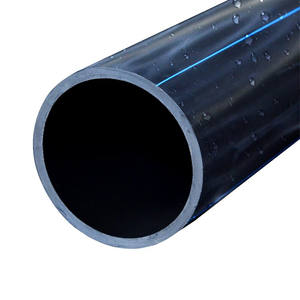
HDPE PE100 High Njupụta P6006 Polyethylene HE3490 Resin Raw Material Virgin HDPE Pipe Granules
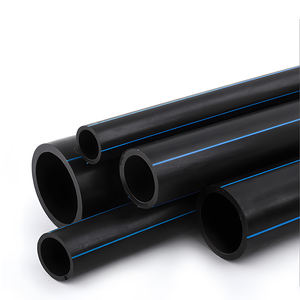
PE gas ọkpọ ọkpọkọ polyethylene dị elu
Nnukwu njupụta Polyethylene Hdpe ogbugba mmiri mmiri ọkpọkọ 20-800mm Sdr9