


Ụlọ ọrụ LUOYANG CAMEENERGY TECH CO., LTD


Ụdị na ojiji niile nke ọkpọkọ na ihe ndozi PPR
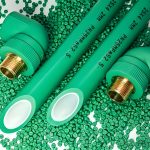

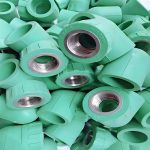

PRAMETERS ngwaahịa
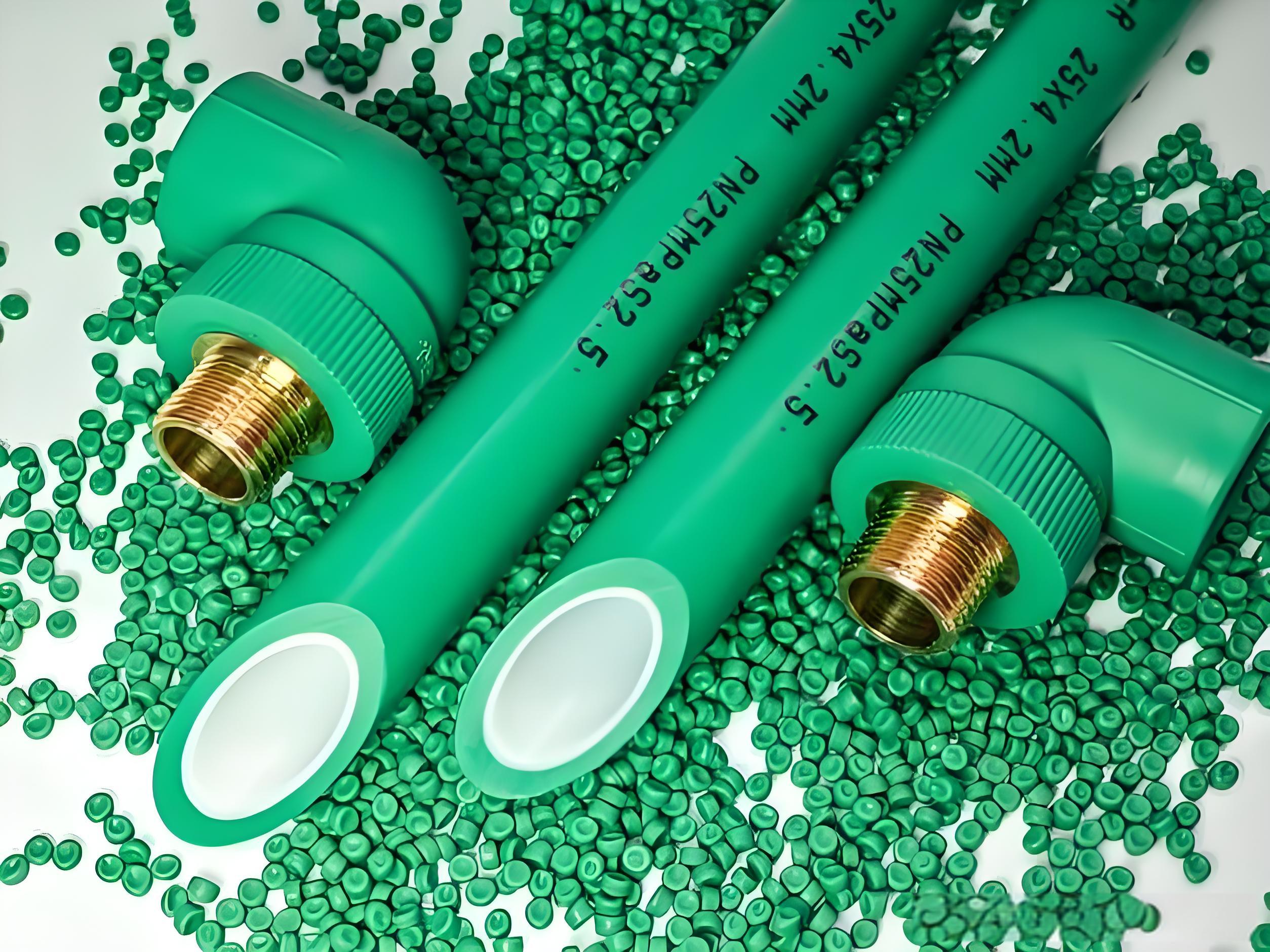
PPR (Polypropylene Random Copolymer) ọkpọkọ na akwa akwa,ọgbọ nke atọ nke ọkpọkọ polypropylene, aghọwo ndị mbụ nhọrọ na-ewu,usoro inye mmiri,drainage usoro ụwa ọhịa.The ọkpọkọ, emepụtara site na iji teknụzụ copolymerisation random dị elu, na-enweta nguzozi zuru oke nke nguzogide okpomọkụ, nguzogide mkpakọ na ịdị ọcha Njirimara ekele ya pụrụ iche molekul Ọdịdị.
Nkọwa
RỊỌRỌ OKWU
Nkọwa
Introduction of PPR Pipes and Fittings
PPR(Polypropylene Random Copolymer) ọkpọkọ na akwa akwa,ọgbọ nke atọ nke ọkpọkọ polypropylene, aghọwo ndị mbụ nhọrọ na-ewu,usoro inye mmiri,drainage usoro ụwa ọhịa.The ọkpọkọ, emepụtara site na iji teknụzụ copolymerisation random dị elu, na-enweta nguzozi zuru oke nke nguzogide okpomọkụ, nguzogide mkpakọ na ịdị ọcha Njirimara ekele ya pụrụ iche molekul Ọdịdị.
Details of PPR Pipes and Fittings
Technical Parameters:
| Njirimara | Ụdị Uru | |
| Nnukwu ike ndọda,g/cm³(20℃) | 0.890.91 | |
| Ike ọdụdọ,MPa | ≥20 | |
| Modul nke Elasticity,N/mm²(20℃) | 800 | |
| Nrụpụta okpomọkụ,w/(m ·k)(20℃) | 0.230.24 | |
| Ọnụọgụ nke Mgbasawanye Linear,mm/(m ·k) | 0.140.16 | |
| Ntughari ogologo oge,%(135℃,2h) | ≤2 | |
| Nnwale nrụgide hydraulic | 20℃,1h,Nchegbu Hoop bụ 16MPa | Enweghị ọdịda |
| 95℃,1000h,Nsogbu Hoop bụ 3.5MPa | Enweghị ọdịda | |
| 110℃,8760h,Nsogbu Hoop bụ 1.90MPa | Enweghị ọdịda | |
| Rịba ama:Ekwesịrị ịnakwere ihe nrụnye plastik nke nwere eriri igwe nwere nguzogide corrosion mgbe e bu n'obi jikọọ ya na ọkpọkọ ọla na ngwaọrụ njem mmiri.. | ||
Specifications of PPR Pipes and Fittings
Part A, PPR Pipeline
Classification By Pakụ Level
| Ụdị | Nrụgide arụ ọrụ(Mpa) | Ngwa | Wall Thickness Range |
| PN10 | 1.0 MPa | Usoro mmiri oyi, low pressure irrigation | 2.0-3.5 mm |
| PN16 | 1.6 MPa | Multistory building water supply system | 2.3-4.2 mm |
| PN20 | 2.0 MPa | High temperature heating, industrial piping | 2.8-5.4 mm |
| PN25 | 2.5 MPa | High pressure steam systems, special industries | 3.5-6.5 mm |
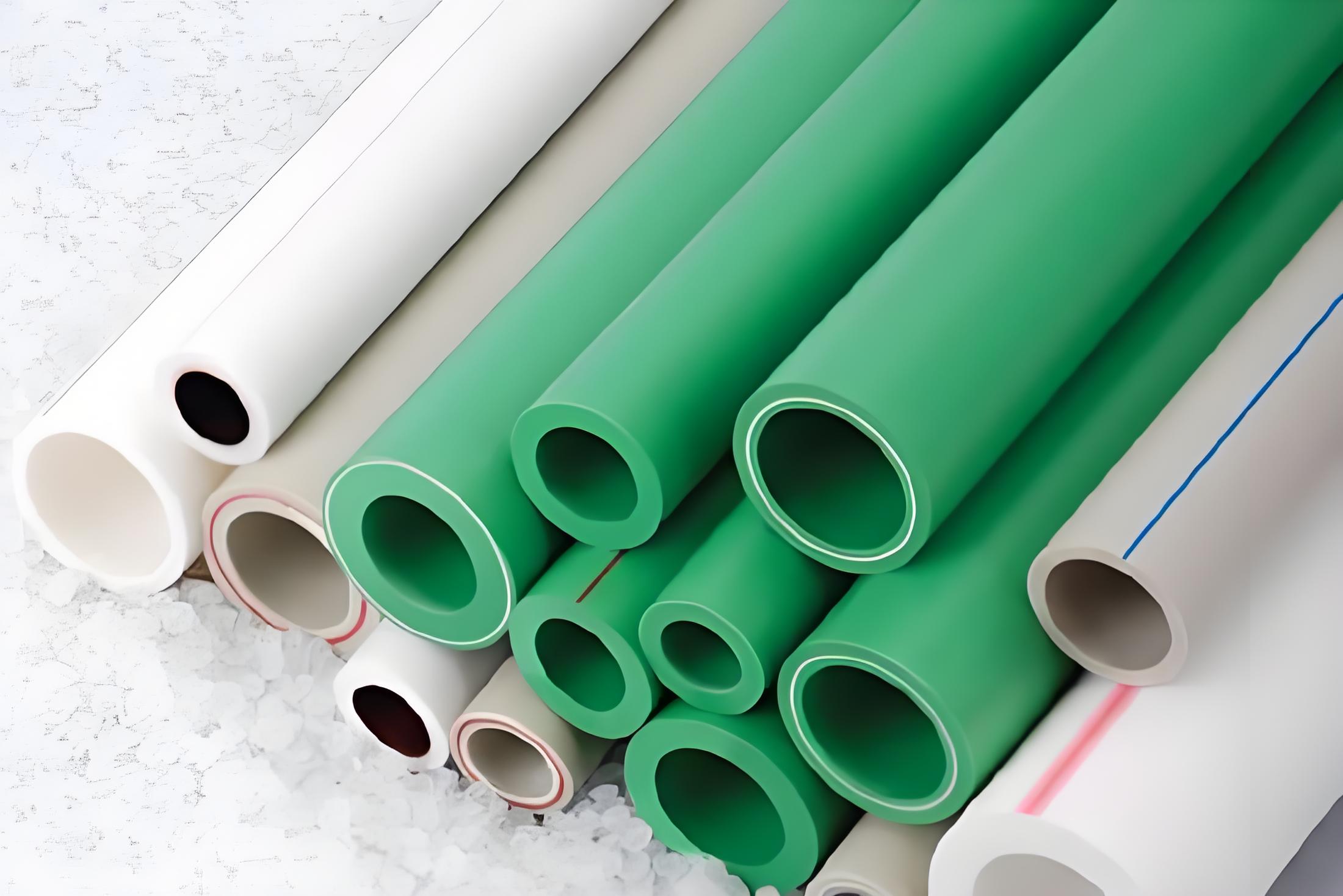
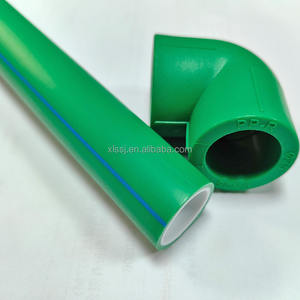
Cold water pipe (marked by blue line): Suitable for water supply system ≤40℃
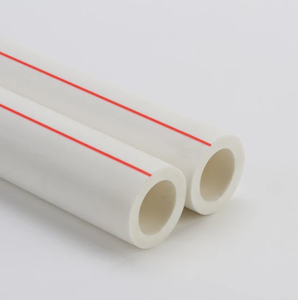
Hot water pipe (marked by red line): Withstand 70-95℃ high temperature medium
Antibacterial tube: Add nano silver ion, antibacterial rate > 99%
Oxygen blocking tube: EVOH oxygen blocking layer, oxygen permeability < 0.1g/m³·d
Part B,PPR Pipe Fittings
| PPR Pipe Fitting Aha | Nkọwapụta & Ngwa |
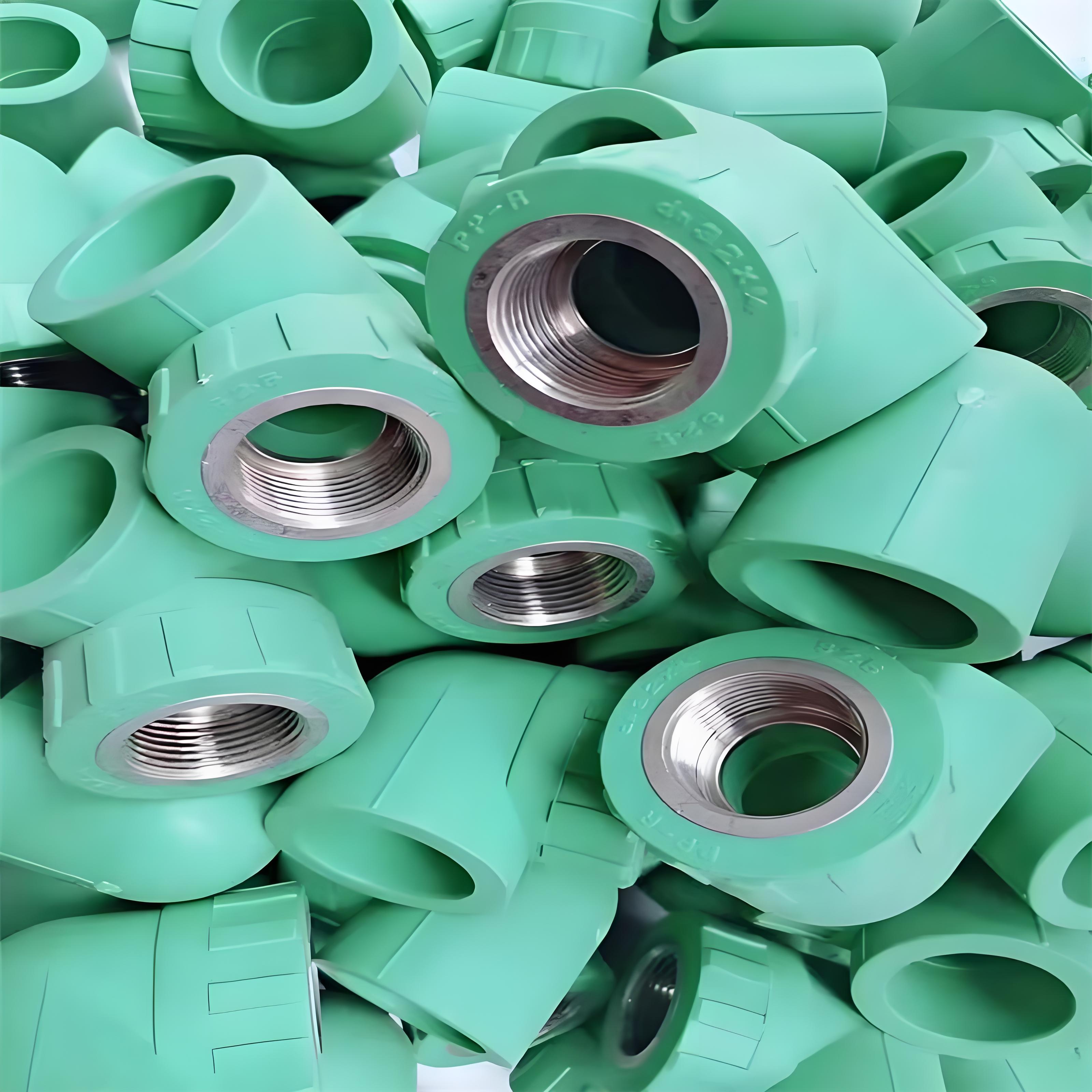
| Elbow | Elbows are used to change the direction of piping, commonly at 90 na 45 ogo, to help the piping system bypass obstacles and adapt to layout requirements. |
| Tee | Tees are used to divert or merge bodies of water through a T-shaped design, creating a branch line from the main line, for multi-point water systems in homes or commercial buildings. |
| Coupling | Couplings connect two pipes to ensure a leak-tight seal and can be used to extend the length of a pipe or repair a broken section. |
| Valve | Valves control the flow of water, such as ball valves (to quickly shut off the flow of water) and gate valves (to accurately regulate the flow), and are suitable for maintaining and regulating water pressure systems. |
| End Cap | End Caps Seal the ends of pipes to prevent leaks and maintain system pressure in situations where unused orifices need to be closed. |
| Reducer | Reducers connect pipes of different diameters, balancing flow rates and pressures and providing smooth transitions to accommodate customized piping systems |
| Flange | Flanges connect pipes to other components (eg, valvụ, nfuli) and allow for quick disassembly and reassembly for systems that require frequent maintenance or inspection. |
| Crosse | Crosses create multi-branched lines on mains through four-way connections for multi-point distribution of complex water systems. |
| Cap | Caps temporarily or permanently close off the end of a pipe for future expansion or modification of the piping design. |
Applications of PPR Pipes and Fittings
Residential and Building Water Supply and Drainage Systems
Household water supply system: used in household water supply pipe, especially in drinking water system. PPR pipe and fitting especially suitable for medium flow of water delivery.
Drinking water delivery (hot and cold water system)
Radiant floor heating network (oxygen barrier type special piping)
Solar hot water circulation system
PPR Tube Used In Ụlọ ọrụ mmepụta ihe Transfer System
Industrial plumbing system: It is suitable for some industrial piping systems in low and medium temperatures, such as liquid transport in chemical and food industries.
Food-grade liquid conveying(dairy/beverage production line)
Air-conditioning system: In air-conditioning cooling and heating systems, the pipes are commonly used for condensate discharge, hot water circulation,wdg.
Acid and alkali media transport (chemical corrosion-resistant type)
Special Applications of PPR Pipeline
Agricultural irrigation system: due to the stable and corrosion-resistant material of PPR pipe, it is also used in farmland irrigation, horticultural irrigation and other occasions.
Fire-fighting system: sometimes it is also used in the construction of fire-fighting water pipelines, especially in some small and standardised fire-fighting facilities.
Swimming pool circulating water treatment
Mbukota na mbupu
Dabere na ngwaahịa na qty,anyị nwere ike ịme nkwakọ ngwaahịa,na-apụta,ngwugwu ngwugwu,igbe ma ọ bụ igbe,wdg.
Mbupu:Site n'oké osimiri,ụzọ ụgbọ oloko,site na ikuku ma ọ bụ dị ka ndị ahịa arịrịọ.
Nkọwapụta Ụlọ ọrụ
Ụlọ ọrụ Luoyang Datang Energy Tech Co., Ltd., Ltd. bụ onye na-emepụta ihe na China na-emepụta ọkachamara na ọkpọkọ plastik dị elu na akwa akwa. Ejiri ahịrị mmepụta akpaghị aka nke ọgbara ọhụrụ yana otu ndị otu na-akwado ya 200 ndị ọkachamara, anyị na-enye nnukwu ahịrị ngwaahịa mejupụtara 150 types of plastic pipes and fittings designed for water supply and drainage systems, nnyefe gas, na usoro kpo oku ala. Ngwaahịa anyị bụ isi gụnyere PVC Pipes na Fittings, PE (HDPE) Ọkụ na Ngwakọta, PPR ọkpọkọ na ihe ndozi, na PEX Floor kpo oku ọkpọkọ.
Ọ bụrụ na ị nwere ajụjụ ọ bụla gbasara anyị PPR ọkpọkọ na ihe ndozi, biko egbula ịkpọtụrụ anyị!
Tel.:0086-183 3790 0677
Wechat: 0086-183 3790 0677
WhatsApp: 0086-183 3790 0677
Email: sales@pipesandfittings.net
Usoro ịkwụ ụgwọ
T/T,L/C na anya,Western Union & Paypal,wdg.
FAQ of PPR Pipes and Fittings
Q1:The core difference between PPR pipe and PVC pipe?
A: Material difference: PPR is thermoplastic plastic, PVC is thermosetting
Temperature resistance comparison: PPR withstand 95 ℃ vs PVC maximum 60 ℃
Njikọ: PPR hot melt vs PVC adhesive
Q2: How to identify a good quality PPR pipe and fitting?
A: Look at the light permeability: high-quality pipe is completely impervious to light.
Measure the burning smoke: qualified products burn without black smoke and odour.
Check the certification code: the official website can verify the product test report.
Q3:What are the main use of PPR pipe and fitting?
A: Building water supply and drainage system
Industrial plumbing System
Food-grade liquid conveying
Air-conditioning system
Acid and alkali media transport
Q4: Kedu ihe bụ advantage of PPR pipe and fitting?
A: The main advantage of PPR pipes and fittings includes: High temperature resistance,Nguzogide corrosion,Easy Installation and Maintenance,Na-adịghị egbu egbu,Eco-Friendly and Energy-Efficient,Long life service.
RỊỌRỌ OKWU
Tags
Ngwaahịa ndị metụtara
PP Igwe anaghị egbochi mmiri na-agbanwe agbanwe USB Conduit Polypropylene Corrugated Conduit Eletriki
Ọrụ dị arọ na-agbanwe agbanwe PVC doro anya naịlọn braided hose pipe maka ubi ịgbara mmiri
32/40/50mm Pn10/20 Ppr Pipe List Thermofusion Pipes Water Plastic Polypropylene Pipe
Ngwa China Plumbing dị elu nke dị elu Tube mmiri na-enye mmiri PPR Pipe
Customized Plastic PE PP PVC Tube White Plastic Pipe Hard Tube
Hot PP Pipe Grade Materials Virgin Polypropylene Random Copolymer Resin
- Email: sales@pipesandfittings.net
- WeChat: +86 18337900677