Ụlọ ọrụ LUOYANG CAMEENERGY TECH CO., LTD


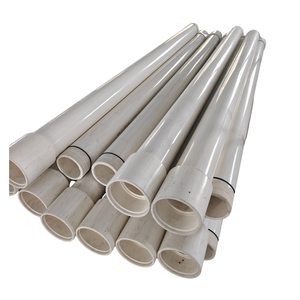
PVC Pipe Feed PN10/PN16 Polyvinyl Chloride Resin High-Performance Plastic Tubes
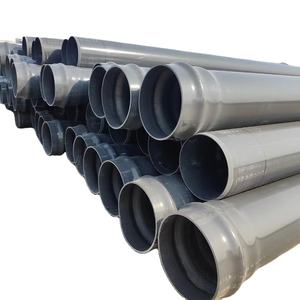
PRAMETERS ngwaahịa
Nkọwa
nkenkeIntroduction of PVC Pipe Feed PN10/PN16 Polyvinyl Chloride Resin High-Performance Plastic Tubes
Polyvinyl chloride (PVC) Pipe bụ ihe na-adịgide adịgide, fechaa, na-eri-irè ọkpọkọ ngwọta ọtụtụ ebe na ulo oru, ugbo, ihe owuwu, na ngwa plumbing. Emere ya site na ihe polyvinyl chloride dị elu, PVC ọkpọkọ na-enye ezigbo nguzogide corrosion, mgbidi dị n'ime dị mma maka ịgbasa mmiri nke ọma, na ntụkwasị obi ogologo oge na gburugburu dị iche iche.
Key Features of PVC Pipe Feed PN10/PN16 Polyvinyl Chloride Resin High-Performance Plastic Tubes
Corrosion & Nguzogide kemịkalụ
Na-eguzogide nchara, kemikal, na ihe acidic/alkaline, na-eme ka ha dị mma maka ụlọ ọrụ mmepụta ihe na ngwa mmiri mmiri.
Dị fechaa & Nwụnye dị mfe
Nhazi dị arọ na-ebelata ụgbọ njem na ụgwọ ọrụ, mgbe mfe njikọ ụzọ (eg, ihe mgbaze ịgbado ọkụ, eri) hụ na echichi ngwa ngwa.
Ime ime dị nro
Na-ebelata mfu esemokwu, na-eme ka arụmọrụ na-asọ asọ na-ebelata ma na-ebelata oriri ike na usoro njem mmiri.
Ike dị elu & Ịdị ogologo
Na-eguzogide nrụgide dị elu na mmetụta, adabara maka nrụnye n'okpuru ala na n'elu ala.
Ogologo ndụ ije ozi
UV na-eguzogide (ọ bụrụ na emebere ya) na mmiri adịghị emetụta ya, n'ịhụ ọtụtụ iri afọ nke obere ọrụ nlekọta.
Ọnụ-dị irè
Ihe dị ala na nrụnye na-akwụ ụgwọ ma e jiri ya tụnyere ọkpọkọ ígwè, na-enye ụzọ akụ na ụba.
Na-adịghị egbu egbu & Nchekwa
Asambodo maka inye mmiri a na-aṅụ (usoro enweghị ndu dị) ma na-akwado ụkpụrụ mba ụwa (eg, NSF, ASTM).
Ngwa dị iche iche
Ejiri ya na mmiri, igbapu mmiri, ogbugba mmiri n'ubi, ọkụ eletrik, na ụlọ ọrụ nhazi usoro.

(PVC Pipe Feed PN10/PN16 Polyvinyl Chloride Resin High-Performance Plastic Tubes)
Specifications of PVC Pipe Feed PN10/PN16 Polyvinyl Chloride Resin High-Performance Plastic Tubes
Our PVC Pipeline Feed PN10/PN16 delivers reliable performance for requiring applications. These high-performance plastic tubes are crafted from premium polyvinyl chloride resin. They deal with stress demands efficiently. PN10 pipelines benefit 10-bar systems. PN16 pipelines handle 16-bar systems. This pressure score versatility suits various project demands.
These pipelines withstand corrosion and chemicals. They won’t corrosion like metal choices. Expect long service life despite severe compounds. The smooth inner surface lessens friction. Water flow stays strong and regular. Energy costs drop because pumps work less.
Installment is basic and fast. The light-weight design reduces handling. Employees move and position them without heavy tools. Connections use common solvent cement joints. This method produces long-term watertight seals. Upkeep needs are low after installation.
Multiple dimensions fit different flow quantities. Typical sizes range from 20mm to 315mm. Each pipeline satisfies global top quality requirements. They do dependably in water supply networks. Watering systems benefit from their resilience. Industrial fluid transportation utilizes them commonly. Building services setups select them often.
These pipes tolerate temperature variations well. They operate in environments from 0 ° C ka 60 Celsius C. Impact resistance stops fractures throughout handling. Weather don’t break down the material. Sunshine direct exposure will not create brittleness.
Price savings come from several elements. The product itself is cost-effective. Setup rate lowers labor hours. Very little upkeep reduces long-lasting expenses. They outperform many traditional piping materials.

(PVC Pipe Feed PN10/PN16 Polyvinyl Chloride Resin High-Performance Plastic Tubes)
Applications of PVC Pipe Feed PN10/PN16 Polyvinyl Chloride Resin High-Performance Plastic Tubes
PVC pipelines are strong plastic tubes. They lug water and other fluids. PN10 and PN16 tell you the pressure they handle. PN10 helps lower pressure tasks. PN16 handles greater pressure demands. These pipelines are made from polyvinyl chloride resin. This makes them challenging and long-lasting.
You see these pipelines all over. They bring tidy water to homes and buildings. They remove wastewater effectively. Farmers utilize them for watering. They connect to lawn sprinklers and drip systems in areas and gardens. Manufacturing facilities rely upon them too. They relocate water for cooling down machines and various other procedures. Builders install them below ground for water drainage. They protect against swamping around structures and roads.
These pipelines have big benefits. They never rust. Steel pipes can rust in time. PVC stays strong. Chemicals do not conveniently damage them. This benefits many liquids. They are smooth inside. Water streams conveniently. This conserves power pumping water. They are much lighter than steel pipelines. Workers install them much faster. This conserves time and money.
Sunlight does not damage them much. Ha na-adịru afọ n'èzí. They work fine in cold weather. Hot water requires special attention. Constantly check the temperature level restrictions. Reducing and signing up with the pipes is straightforward. Employees use typical tools and glue. This makes repair work very easy also. PVC pipes are a wise option. They offer trusted performance for water supply. They are cost-efficient for many jobs. Choose the best stress score for your job. Follow the setup guides thoroughly.
Mbukota na mbupu
Dabere na ngwaahịa na qty,anyị nwere ike ịme nkwakọ ngwaahịa,na-apụta,ngwugwu ngwugwu,igbe ma ọ bụ igbe,wdg.
Mbupu:Site n'oké osimiri,ụzọ ụgbọ oloko,site na ikuku ma ọ bụ dị ka ndị ahịa arịrịọ.
Nkọwapụta Ụlọ ọrụ
Ụlọ ọrụ Luoyang Datang Energy Tech Co., Ltd., Ltd. bụ onye na-emepụta ihe na China na-emepụta ọkachamara na ọkpọkọ plastik dị elu na akwa akwa. Ejiri ahịrị mmepụta akpaghị aka nke ọgbara ọhụrụ yana otu ndị otu na-akwado ya 200 ndị ọkachamara, anyị na-enye nnukwu ahịrị ngwaahịa mejupụtara 150 ụdị ọkpọkọ rọba na ihe ndị e mere maka inye mmiri na usoro mmiri mmiri, nnyefe gas, na usoro kpo oku ala. Ngwaahịa anyị bụ isi gụnyere PVC Pipes na Fittings, PE (HDPE) Ọkụ na Ngwakọta, PPR ọkpọkọ na ihe ndozi, na PEX Floor kpo oku ọkpọkọ.
Ọ bụrụ na ị nwere ajụjụ ọ bụla gbasara HDPE Pipe Fitting, biko egbula ịkpọtụrụ anyị!
Tel.:0086-183 3790 0677
Wechat: 0086-183 3790 0677
WhatsApp: 0086-183 3790 0677
Email: sales@pipesandfittings.net
Usoro ịkwụ ụgwọ
T/T,L/C na anya,Western Union & Paypal,wdg.
5 FAQs of PVC Pipe Feed PN10/PN16 Polyvinyl Chloride Resin High-Performance Plastic Tubes
What’s PN10 and PN16 pressure rating?
PN10 handles normal pressure up to 10 mmanya. PN16 handles higher pressure up to 16 mmanya. This rating shows the pipe’s strength against water pressure inside. Choose the right rating for your project’s needs.
What temperatures can these PVC pipes handle?
These pipes work well in cold water systems. They handle temperatures from 0°C to 45°C safely. Avoid hot water applications. High heat can damage the pipe material over time.
Where are PN10/PN16 PVC pipes typically used?
They are common for moving cold water. Use them in homes for drinking water lines. Use them in gardens for irrigation systems. Use them in buildings for drainage pipes. They resist rust and many chemicals.
How do you install and connect these pipes?
Cutting the pipe is simple. Use regular saws. Joining pieces uses solvent cement. Apply the cement to the pipe end and fitting socket. Push them together firmly. Hold them briefly. The cement sets fast. Nke a na-eme ka ọ dị ike, akara na-adịgide adịgide. Ntinye nke ọma na-egbochi ntapu.
Is PVC safe for drinking water?
Ee, these pipes are safe for potable water. They are made from high-quality polyvinyl chloride resin. This material meets strict health standards. It does not add bad tastes or smells to the water. It keeps the water clean for drinking.

(PVC Pipe Feed PN10/PN16 Polyvinyl Chloride Resin High-Performance Plastic Tubes)
RỊỌRỌ OKWU
Ngwaahịa ndị metụtara
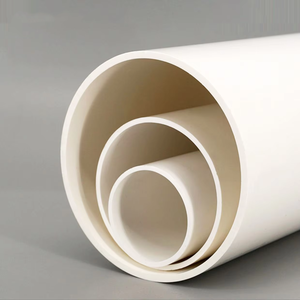
Plastic Tube UPVC Pipe DIN/ANSI ASTM Standard Water Drainage
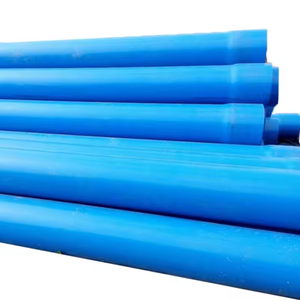
and UV-Resistant PVC-U Sewer Pipe Plastic Drain Pipe
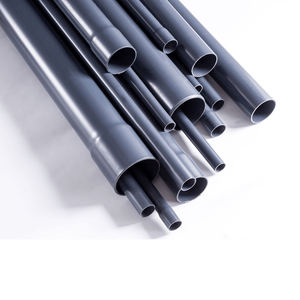
Size PVC Plastic Tube ASTM DIN Plumbing Water CPVC UPVC PVC Pipe
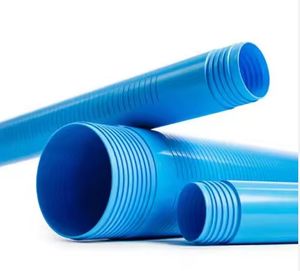
Tubes Whole ASTM D1785 Sch40 White PVC Pipe
Ọdịmma PVC Plastic Pipes mgbochi corrosion mmiri maka sistemu ogbugba mmiri n'ubi