洛陽来来エナジーテック株式会社

Drip Irrigation vs. Sprinkler Irrigation: Which Pipe System Works Best?
Selecting the appropriate irrigation approach is a pivotal decision for modern agriculture. Growers must weigh water efficiency, crop type, soil characteristics, and budget to identify the best system. This post examines the practical differences between drip and sprinkler irrigation and highlights pipe considerations and the irrigation pipe system that affect performance and costs.
1.How Drip Irrigation Works
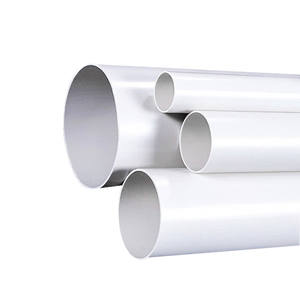
Drip irrigation supplies water slowly at the root zone through tubing and emitters. This precision reduces evaporation and runoff, helping crops maintain consistent moisture. Drip installations typically require flexible lateral tubing, efficient filtration, and careful layout planning to avoid clogging and ensure uniformity.
1.1 Advantages of Drip Systems
Drip irrigation excels for vegetables, orchards, and greenhouse crops where targeted water delivery and fertigation support are essential. Drip systems conserve water and often improve crop quality by maintaining steady soil moisture.
2.How Sprinkler Irrigation Works
Sprinkler systems distribute water through pressurized mains and lateral lines to overhead nozzles or rotating heads. They are effective for larger fields and crops that benefit from aerial coverage. Sprinkler installations involve higher-pressure components and must be designed to reduce wind drift and evaporation.
2.1 Advantages of Sprinkler Systems
Sprinklers provide rapid coverage for broad-acre crops, pastures, and turf. They are easier to automate for zone-based scheduling and can be scaled efficiently for large acreages.
3.Key Pipe Considerations
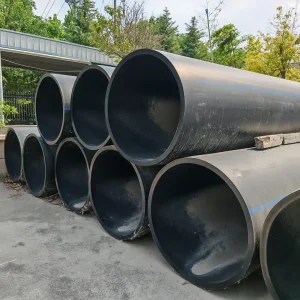
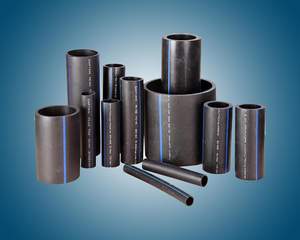
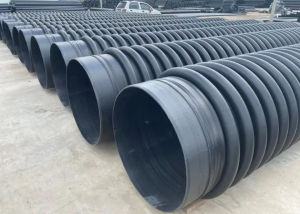
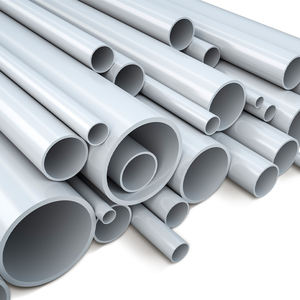
The right pipes and fittings affect reliability and longevity. Look for materials suited to your climate and water chemistry. Common choices include HDPE for flexibility and UV resistance, PVC for rigid mains, and PPR for chemical resistance. Proper jointing methods and certified fittings reduce the risk of leaks and failures.
3.1 インストール & メンテナンス
Installation strategies differ: shallow, flexible lateral lines for drip vs deeper, more robust mains for sprinklers. Periodic maintenance—flushing, pressure testing, and inspecting joints—is necessary to maintain performance and prevent blockages or leaks.
3.2 料金 & Performance Trade-offs
Drip systems often require more components per hectare (emitters, filters, controllers), but deliver superior water efficiency. Sprinkler systems may have lower per-hectare component density but need more pumping power and larger diameter mains.
4. Practical Recommendations
Conduct a water audit and soil analysis before selecting a system.
Match pipe diameters to flow and pressure requirements.
Choose proven materials and certified fittings to reduce downtime.
Design modular systems for easy expansion as cropping patterns change.
結論
Both irrigation methods have valid roles depending on crop, climate, and farm size. Understanding pipe performance and system-level interactions is key to designing a resilient irrigation solution that minimizes waste and maximizes yield.
サプライヤー
洛陽大唐能源科技有限公司, 株式会社. 高品質のプラスチックパイプと継手を専門とする中国の大手メーカーです. 最先端の自動生産ラインを備え、チームによってサポートされています。 200 専門家, 私たちは以上を含む広範な製品ラインを提供しています 150 types of plastic pipes and fittings designed for water supply and drainage systems, ガストランスミッション, および床暖房システム. 当社の主力製品には塩ビ管および継手などがあります。, PE (HDPE) パイプと継手, PPR パイプおよび継手, PEX床暖房パイプ。