


LUOYANG HAERE ENERGY TECH CO.,LTD

Me pehea te whiriwhiri i nga paipa PPR?
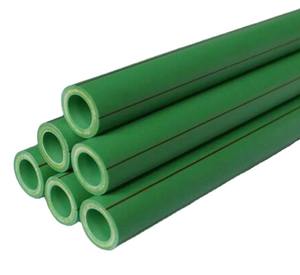
PPR paipa have become the preferred choice for pipe renovation due to their energy efficiency, taimaha mama, kaha teitei, parenga waikura, etc. Heoi ano, attention should be paid to the problem of low-temperature brittleness. When purchasing, look for national standards and products from large factories. During construction, avoid rough handling and direct sunlight.
Ngā āhuatanga & Advantages of PPR Pips
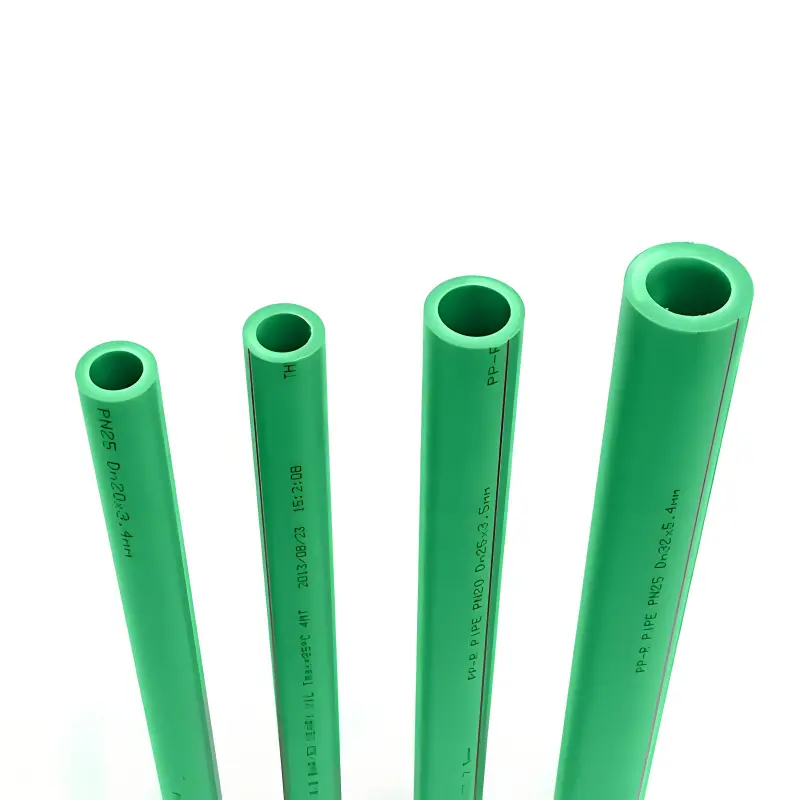
PPR pipes are widely used in building water supply and pipe renovation due to their energy efficiency, te atawhai taiao, taimaha mama, high strength and corrosion resistance. It is not only energy-saving and material-saving, but also in line with the concept of environmental protection. I tua atu, it is lightweight, strong and highly resistant to corrosion. He maeneene tona pakitara o roto, kaore e paheke, making construction and maintenance easy, and with a service life of several decades, it is undoubtedly an ideal choice for pipe renovation.
Iti-Temperature Brittleness Problem o PPR Paipa
As PPR pipes are a new type of water supply pipe, our understanding of them is not deep enough. PPR paipa, as random copolymer polypropylene, have unique properties that determine the brittleness that may occur in low-temperature environments. When the temperature is below minus 5 nga nekehanga Celsius, the flexibility of the pipe decreases and the rigidity increases, thus showing brittle characteristics. Under the influence of external forces, especially impacts and drops during handling, the pipe may crack in a straight line, and the cracking will start from the inner pipe and extend outward. This crack may not be noticeable at first, but if the pipe is cut off from the crack line during construction, the crack line will quickly extend along the axis. Ko te mutunga, genuine PPR pipes can be smashed in low-temperature conditions, while adulterated or counterfeit PPR pipes may exhibit the opposite properties.
Standards and Manufacturer Spōtitanga o PPR Paipa
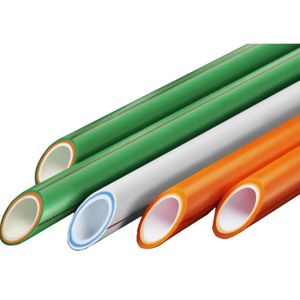
When purchasing PPR pipes, pay attention to whether they comply with relevant standards such as GB/ T18742-2002 “Plastic piping systems for hot and cold water – PP – Wahi 2 paipa” and GB/ T18742-2002 “plastic piping systems for hot and cold water – PP – Wahi 3 taputapu”. A genuine PPR pipe should have excellent performance and a service life of more than 50 tau. No reira, it is recommended that consumers choose PPR pipes produced by large manufacturers, which are of reliable quality and have a large market share, to ensure that they purchase truly standard-compliant products and enjoy perfect after-sales service.
Construction Tips
PPR pipes should follow the GB/T50349-2005 standard scheme during storage, handling and construction. Although PPR pipes may show brittleness at low temperatures, it can be effectively prevented by taking appropriate measures such as handling with care, avoiding dragging and dropping. During construction, although PPR pipes have a certain degree of flexibility, we must keep the pipes naturally straight and avoid excessive bending or forced twisting, because there is a fatigue strength limit for any material. I taua wa ano, PPR pipes should not be exposed and should not be used for long periods in the sun. If they need to be used outdoors, they should be protected with dark sleeves.
Kaiwhakarato
Luoyang Datang Energy Tech Co., Ltd. Ko te kaihanga Hainamana rangatira e tohunga ana ki nga paipa kirihou kounga teitei me nga taputapu. Kua rite ki nga raina whakaputa aunoa hou me te tautoko e te roopu o 200 ngaio, ka tukuna e matou he raina hua nui kei roto 150 types of plastic pipes and fittings designed for water supply and drainage systems, tuku hau, me nga punaha whakamahana papa. Ko o maatau hua matua ko nga Paipa PVC me nga taputapu, PE (HDPE) Nga paipa me nga taputapu, Paipa PPR me nga taputapu, me nga Paipa Whakawera Papa PEX.
Mena kei a koe etahi patai mo nga paipa PPR, kaua koe e mangere ki te whakapā mai!
Waea:0086-183 3790 0677
Wechat: 0086-183 3790 0677
Whatsapp: 0086-183 3790 0677
Īmēra: [email protected]
NGA WHAKAPUTANGA
Paipa PPR Pai-Rau: He Aratohu Tohunga ki te karo i nga rawa iti & Nga rahunga
PPR Pipes vs Cast Iron Pipes: Whakataurite me te Tātari

Polyvinyl Chloride (PVC) Tauira Maakete & Nga tono: Mai i te Hangahanga ki te Pungao Whakahou (2026 Outlook)
He Aratohu Whakauru Paipa Wai PEX: Nga mea katoa e hiahia ana koe ki te mohio mo PEX Paipa ngawari
Whenua Whakataetae Ahumahi Paipa o Haina & PERT Pipe Market Growth
