LUOYANG HAERE ENERGY TECH CO.,LTD

Paipa PPR: Ko te Tuakonga Ere e kitea o te Whakawhiwhi Wai o Naianei me te Hanga Taone
Ko nga hanganga wai e tautoko ana i nga miriona miriona i ia taone nui. Ko nga paipa PPR kua huri i tenei raina ora huna. He waahi motuhake, Ka tautuhia e te PPR te pono, te oranga tonutanga, me te pai i roto i te hanga hou. This article shows how PPR pipes are fundamental for building resilient, future-ready cities.
Material Advantage: Why PPR Stands Out
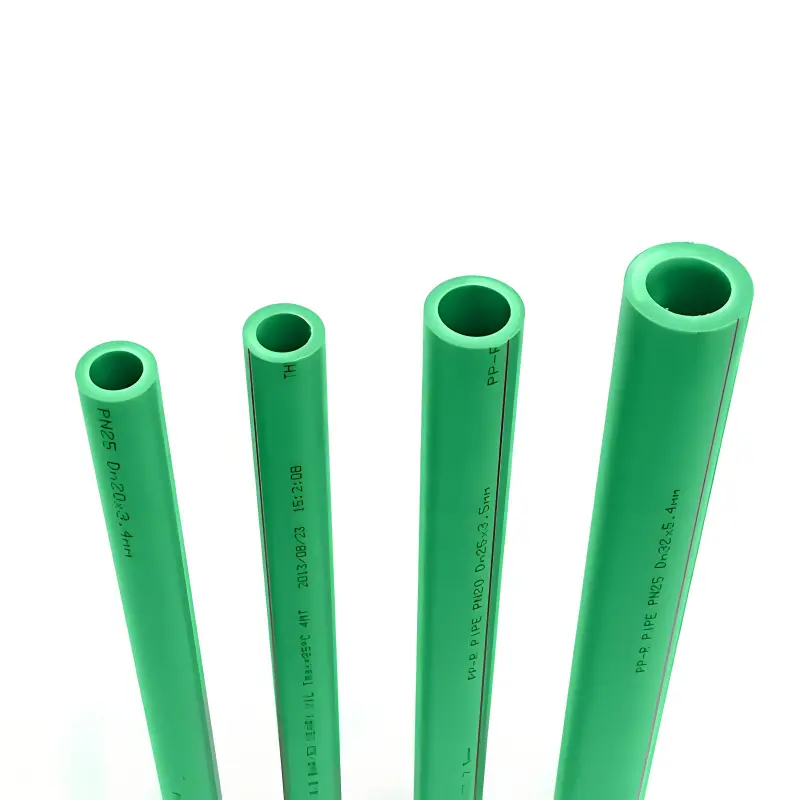
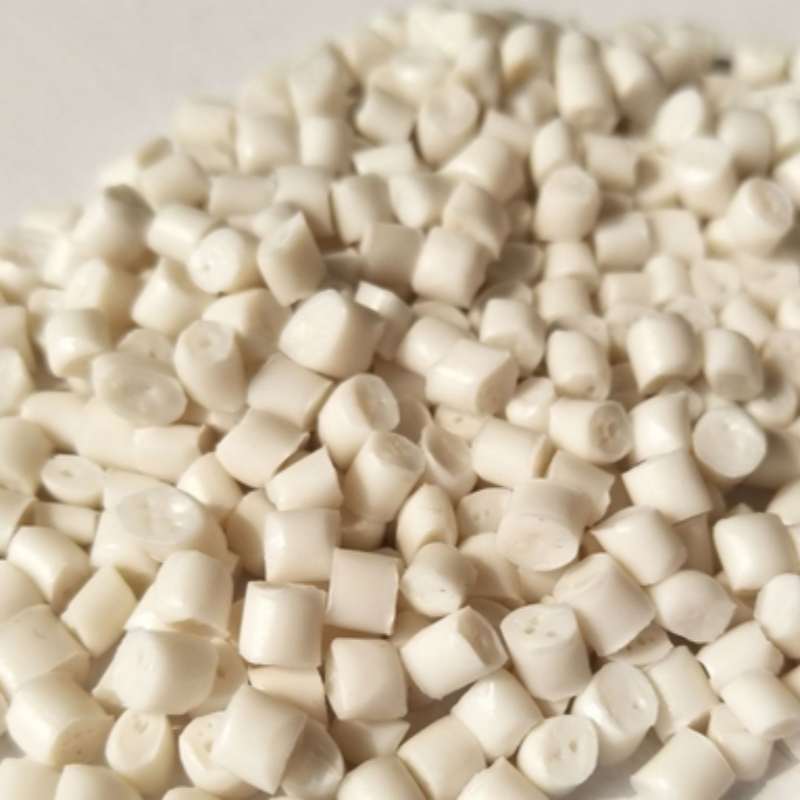
PPR paipa, made from thermoplastic polymers with optimal molecular randomness, offer durability and stability. Unlike galvanized steel or PVC, PPR resists corrosion and chemical degradation. Its smooth inner lining reduces hydraulic friction. Heat fusion creates integrated, nga hononga-kore.
PPR is non-toxic, compliant with water standards, and remains strong at up to 70°C, tolerating 95°C briefly. Weighing just one-eighth of steel pipes, PPR reduces transportation, whakahaerenga, and installation costs. It’s a practical choice for large projects.
Transformation of the water supply system
In municipal and building water networks, PPR pipes excel. Seamless fusion blocks contaminants and leaching, protecting water quality. PPR lasts over 50 years under standard conditions, cutting maintenance costs. Low thermal conductivity reduces heat loss and saves energy.
PPR’s flexibility and pressure capacity suit high-rises, heating loops, and variable demand. As urban populations grow and water scarcity rises, PPR’s leak-proof design cuts water loss, a challenge for utilities. In many fast-developing regions, PPR upgrades old iron and asbestos networks, improving water pressure, kounga, and conductivity.
Specifications and Parameters of Paipa PPR
The specifications and parameters of PPR pipes mainly include the pipe series (S value), nominal outer diameter (dn), nominal wall thickness (en), and the corresponding pressure rating. These parameters together determine the pressure-bearing capacity of the pipe and its applicable scenarios.
Pipe Series and Pressure Rating
Pipe Series and Pressure Rating
The pipe series (S value) is the core parameter of PPR pipe specifications, indicating the pressure capacity level of the pipe. The calculation formula is (S = (dn – en) / (2en)) (where dn is the nominal outer diameter and en is the nominal wall thickness). Common series and their corresponding pressure ratings are as follows:
- S5 series: pressure-bearing 1.25 MPa (12.5 kg), suitable for low-pressure cold water systems.
- S4 series: pressure-bearing 1.6 MPa (16 kg), mostly used for cold water pipes or low-pressure hot water pipes.
- S3.2 series: pressure-bearing 2.0 MPa (20 kg), standard for hot water pipes with thicker walls.
- S2.5 series: pressure-bearing 2.5 MPa (25 kg), high-pressure hot water
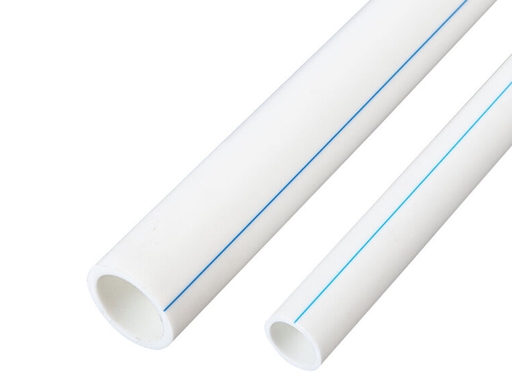
- Nominal Outer Diameter and Wall Thickness
- The nominal outer diameter (dn) is the actual diameter of the pipe’s outer wall, commonly measured in millimeters (mm). In home installations, common sizes include 20mm (¼ inch pipe), 25mm (⅙ inch pipe), me te 32mm (1 inihi paipa). The nominal wall thickness (en) varies with the S value, hei tauira:
- Pipes of the S5 series with dn25 have a wall thickness of 2.5mm.
- Pipes of the S3.2 series with dn25 have a wall thickness of 3.5mm.
- Hot water pipes (such as S2.5/S3.2) generally have a greater wall thickness than cold water pipes (such as S4/S5) to enhance high-temperature resistance.
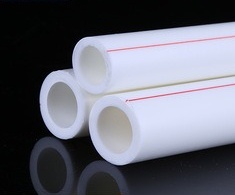
Catalyze Sustainable Urban Development
Modern urban construction needs speed, te oranga tonutanga, me te manawanui. PPR meets these needs. Lightweight installation shortens timelines and reduces disruptions. PPR works with trenchless and modular repair, modernizing networks without excavation, preserving roads and green spaces.
Nga tono o PPR paipa
| Application Areas | Typical Scenarios | Nga Painga Matua / Applicable Features |
|---|---|---|
| Hot and cold water supply system | Water supply network for residential/commercial/hotel buildings | High temperature resistant (up to 95°C), non-toxic, smooth inner walls that do not scale, ora ratonga roa |
| Heating system | Underfloor heating coils, radiator connecting pipes | Good thermal stability, frost resistance, low thermal conductivity, and excellent insulation |
| Direct drinking water system | Te tuku wai inu, household/commercial water purification equipment | Food-grade material, does not breed bacteria, water is pure and uncontaminated |
| Industrial Fluid Transport | Cooling water and mildly corrosive medium pipelines | Chemical corrosion resistant, aging resistant, leak-free hot melt connection, fast construction |
| Solar water heating system | Piping connecting the collector to the water tank | Strong weather resistance, adapts to frequent temperature changes, UV resistant (protective coating can be added) |
Kōtaha Kamupene
Luoyang Datang Energy Tech Co., Ltd. Ko te kaihanga Hainamana rangatira e tohunga ana ki nga paipa kirihou kounga teitei me nga taputapu. Kua rite ki nga raina whakaputa aunoa hou me te tautoko e te roopu o 200 ngaio, ka tukuna e matou he raina hua nui kei roto 150 nga momo paipa kirihou me nga taputapu i hangaia mo te tuku wai me nga puna wai, tuku hau, me nga punaha whakamahana papa. Ko o maatau hua matua ko nga Paipa PVC me nga taputapu, PE (HDPE) Nga paipa me nga taputapu, Paipa PPR me nga taputapu, me nga Paipa Whakawera Papa PEX.
Mena kei a koe etahi patai mo te Paipa Paipa HDPE, kaua koe e mangere ki te whakapā mai!
Waea:0086-183 3790 0677
Wechat: 0086-183 3790 0677
Whatsapp: 0086-183 3790 0677
Īmēra: sales@pipesandfittings.net
NGA WHAKAPUTANGA
PE100 SDR11 Polyethylene Gas Paipa

Paipa Hau PE Kowhai: Waehere Tae Ka Whakaorangia te Ora
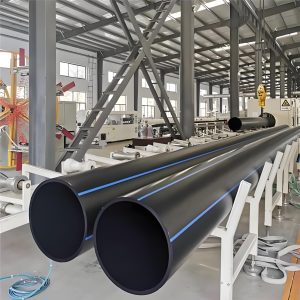
Te Tirohanga Mahi mo te Whakapumau i te Kounga Paipa PE & Te Whakaroa i te Ora Ratonga
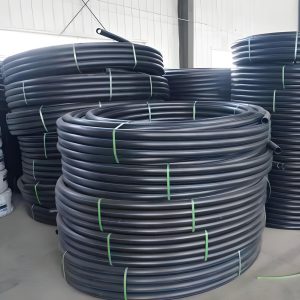
He aha te paipa paipa HDPE?

Nga Painga me nga Whakamahinga o nga paipa PPR me nga taputapu i roto i te Whakapaipai Whare