LUOYANG HAERE ENERGY TECH CO.,LTD

PIPE KAEHI HDPE KOunga teitei
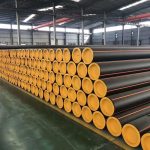
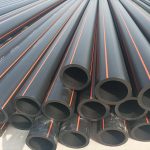
NGA TAATA HUA
Whakaahuatanga
Whakataki o Paipa Hau HDPE
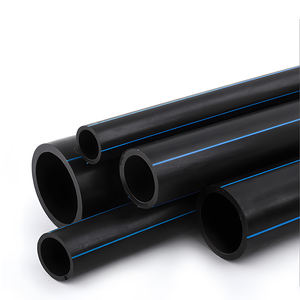
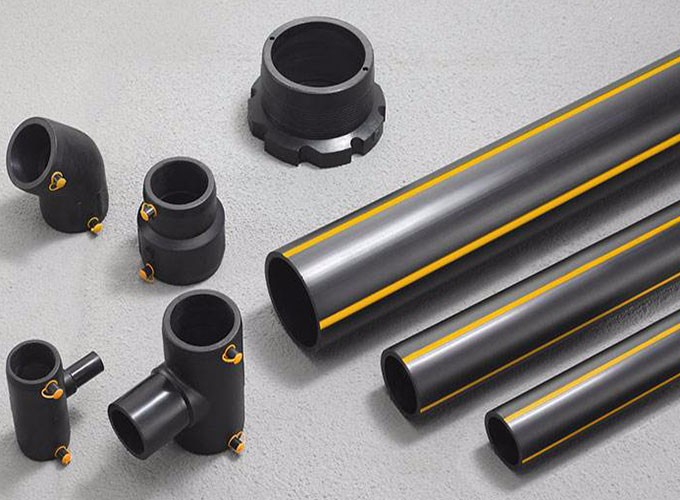
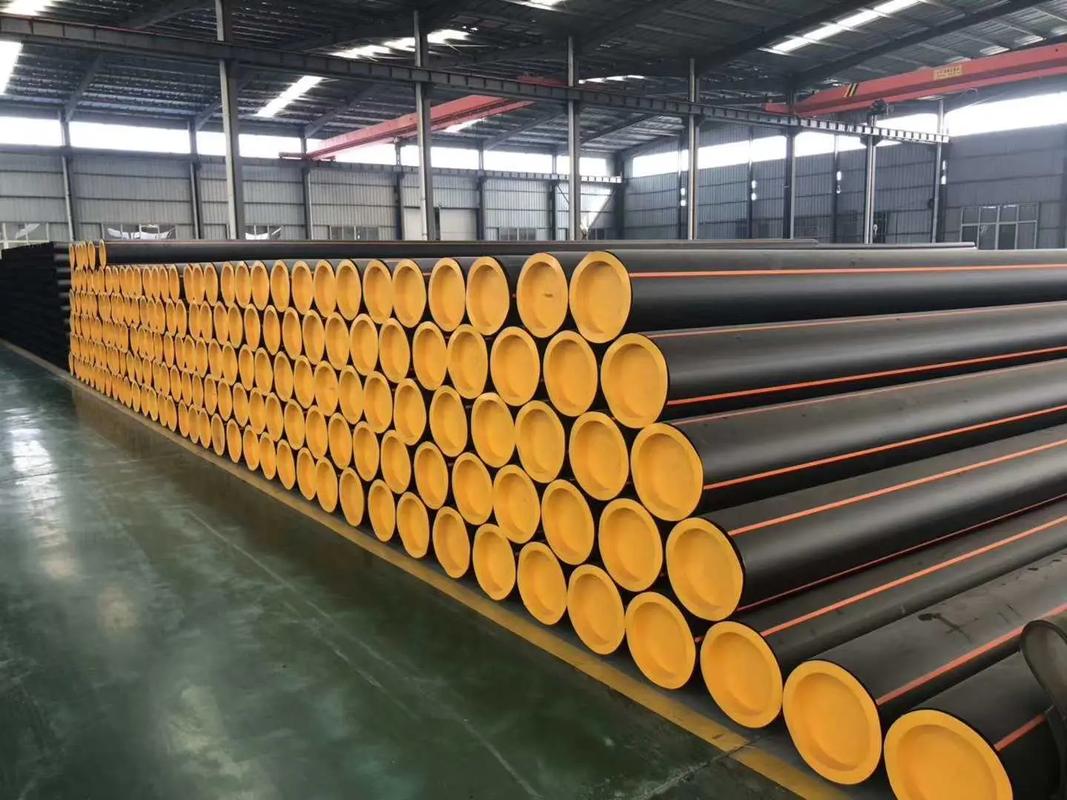
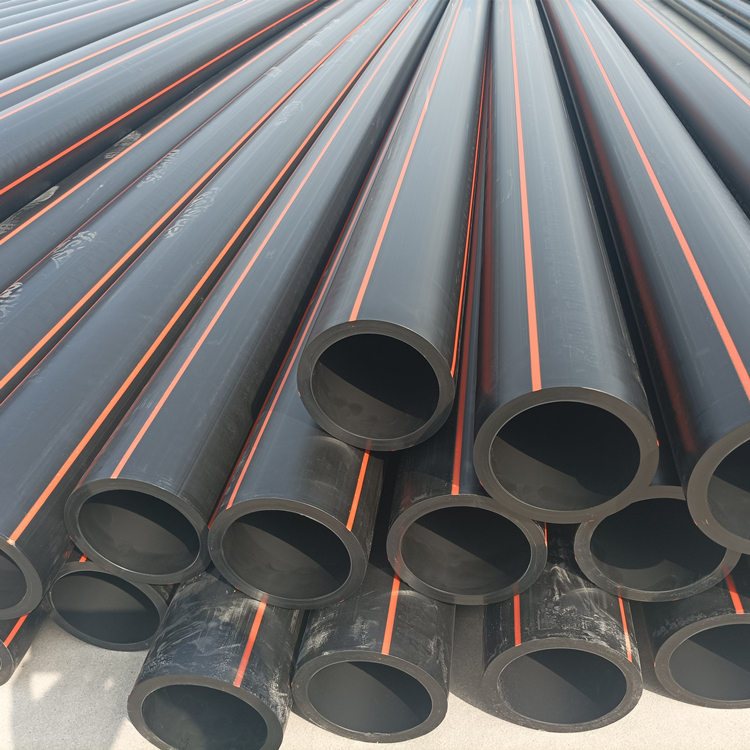
Paipa Hau HDPE is widely used in city gas transportation projects, including natural gas, hau hinuhinu liquefied, biogas and other gas transportation. Its excellent performance makes the gas pipe has higher safety and stability in the city gas transportation, reducing the risk of accidents.
Paipa Hau HDPE produced by our company with top quality, great selection and expert advice service. You can rest assured to buy the products with our factory. And we will offer you the best after-sale service and timely delivery.
We generally adopts TOP QUALITY raw materials from worldwide reputed factories.As we know material of excel performance is one of the qualification with produce the topping piping system.
Nga korero mo Paipa Hau HDPE
Raw Materials:
1,PE80: PE80 Pipe refers to a gas pipeline fabricated from PE80-grade polyethylene material. PE80 indicates the grade of the polyethylene material, where “80” represents the pressure grade of the material, namely, the pressure strength that the material is capable of withstanding.
2,PE100: PE100 grade pipes comply with ISO 4427 and EN12201 standards, have a high molecular weight, a density greater than 0.94g/cm³, and have excellent impact resistance, ātete pakeke, and corrosion resistance.The pressure bearing capacity of PE 100 Pipes is 10-11.19mpa, and it has the advantages of good pressure resistance, thin pipe wall, kaha teitei, and high safety factor.It can be used as a gas transmission pipe.
Paerewa: ISO 4437/ BS EN 1555
Diamita :16mm-630mm
Whakatauranga Pehenga : SDR17, SDR11
Tiwhikete: UL, WRAS, NSF, ISO, CE
Te roa: 5.8 length 20ft , 11.8-12m/L 40ft
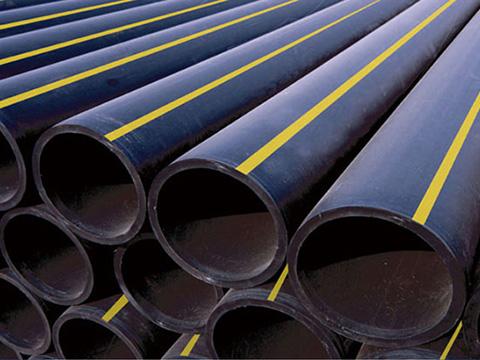
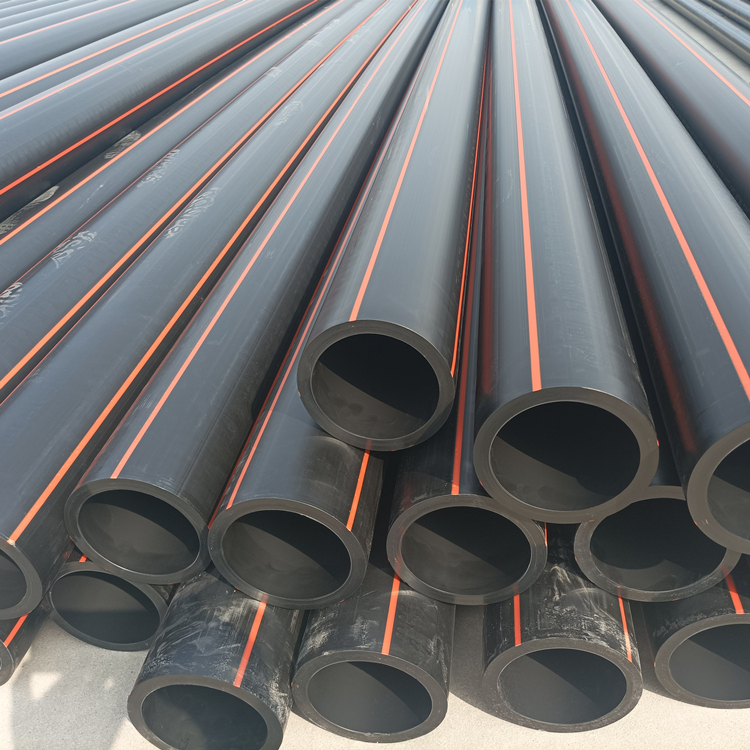
Tae: Solid Yellow Orange or black with yellow stripes.
Whakatakotoranga o Paipa Hau HDPE
HDPE gas pipe can be provided from 20mm to 630mm, with specific dimension as below:
| SDR Ratings | SDR11 | SDR17.6 |
| Max. Working PressureFor Natural Gas(Mpa) | 0.4 | 0.2 |
| Diamita Punoadn (mm) | Matotoru pakitarae (mm) | |
| 20 | 2.3 | 2.3 |
| 25 | 2.3 | 2.3 |
| 32 | 3.0 | 2.3 |
| 40 | 3.7 | 2.3 |
| 50 | 4.6 | 2.9 |
| 63 | 5.8 | 3.6 |
| 75 | 6.8 | 4.3 |
| 90 | 8.2 | 5.2 |
| 110 | 10.0 | 6.3 |
| 160 | 14.6 | 9.1 |
| 200 | 18.2 | 11.4 |
| 250 | 22.7 | 14.2 |
| 315 | 28.6 | 17.9 |
| 400 | 36.3 | 22.7 |
| 500 | 45.4 | 28.4 |
| 630 | 57.2 | 35.7 |
Nga tono o Paipa Hau HDPE
Hau Maori/ Kohu LPG Te Kawenga me te Toha
Ko nga paipa hau HDPE e whakamahia ana mo nga punaha hangahanga e tuku hau maori. Na nga ahuatanga o nga paipa HDPE,Ka whakaratohia e ratou he haumaru, pono, me nga huarahi kore-rekau mo te tuku hau ki nga kaainga takitahi mo nga kaupapa penei i te whakamahana, tunu kai, me te whakatipu wai wera.
Industrial Gases Distribution
HDPE gas pipes serve businesses such as restaurants, hotera, and industrial plants that require a steady supply of natural gas or LPG. Their flexibility and ease of installation in various terrains and environments make them ideal for urban and rural commercial installations.
Landfill & Leachate Gas Extraction and Conveyance
HDPE pipes are commonly used in LPG and propane gas distribution systems, particularly for residential, arumoni, and industrial facilities that rely on liquefied petroleum gas. They provide a safer and more cost-effective alternative to traditional metal pipes in these applications.
Bio Gas and Propane
HDPE gas pipe plays a critical role in gas distribution systems. It has versatility, mauroa, and cost-effectiveness make it to an ideal for a wide range of applications
Tarapu me te Tukunga
- Ra paipa. dn20-63mm can be in coils with 50/100/200/300m length
- pipe dia. dn75-630mm be in bars with 5.8m or 11.8m length
Tukunga:Ma te moana,tereina,ma te hau, ma te tono ranei a te kaihoko.
Kōtaha Kamupene
Luoyang Datang Energy Tech Co.Ltd i whakapumautia i roto i 2015 a kei roto i te rohe whakawhanaketanga hangarau teitei, Taone o Luoyang, kapi ana i tetahi waahi nui me nga taputapu hou. He taiao tautoko to tatou kawanatanga, tae atu ki te kawe waka me te whai waahi ki nga rauemi whakahirahira. Mai i te timatanga i roto i 2015, kua whakapau kaha matou ki te hiranga i roto i nga paipa me nga taputapu, auaha tonu ki te whakatutuki i nga hiahia o te maakete.
Mena ka hiahia koe ki nga Paipa PPR me nga taputapu,Tena koa whakapiri mai ki a maatau([email protected])
Nga tikanga utu
T/T,L/C i te tirohanga,Western Union & Paypal,etc.
FAQ o Paipa Hau HDPE
1,What does PE100 HDPE gas pipe function?
PE100 Natural Gas Pipes are used for urban gas transmission pipelines, hau hinuhinu liquefied (LPG) paipa tuku, and industrial gas pipelines. ;
PE 100 Pipes have excellent pressure resistance and temperature resistance, ensuring the safety and reliability of the transmission process. In addition, it also has excellent fire resistance, and it is not easy to burn and explode even if it is roasted by open flames, which further ensures the safety of gas transportation. The wall of the PE100 gas pipe is smooth and does not easily accumulate scale, which ensures the patency and cleanliness of the drainage system and effectively solves the problem of drainage pipe maintenance. This type of pipe is also widely used in other industrial fields such as the chemical industry, maina, and marine engineering. It can cope with complex and changing working conditions and environments, and ensure the stable and reliable operation of industrial systems.
2,What do the terms DR and SDR mean?
DR stands for dimension ratio, which is the average outside diameter of a PE pipe divided by its minimum wall thickness. A standard dimension ratio (SDR) is a specific DR based on an ANSI preferred number series. The use of SDRs enables manufacturers to produce pipe to a set of standardized DRs. SDRs include 9, 11, 13.5, 17, 21, 26 a 32.5. All SDRs are DRs, but the converse is not true.
3,Kia pehea te roa o nga paipa hau HDPE?
Ko nga paipa hau HDPE he roa te ora o te mahi me te nui ake 50 tau, i runga i nga tikanga whakaurunga, tiaki, me nga mea o waho. Ko te whakaurunga tika me nga ahuatanga o te taiao ka taea te whakaroa ake i to raatau oranga.
4,What is the installation process for HDPE gas pipes?
- Trenching or Boring: A trench is dug or horizontal directional drilling (HDD) is performed for pipe placement.
- Fusion Welding: HDPE pipes are connected through heat fusion, which creates a continuous, hononga turuturu-kore.
- Whakakii hoki: I muri i te whakaurunga, the trench is backfilling with soil to protect the pipes from external damage.
- Connection to the Gas Supply: HDPE pipes are then connected to the gas supply network or building’s internal distribution system.
5. Are HDPE gas pipes environmentally friendly?
Sure, HDPE is an environmentally friendly material,
Recyclable: HDPE pipes are 100% hangarua, reducing environmental impact.
Low Carbon Footprint: HDPE production and installation process requires less energy compared to other materials like metal.
Roa Service Time: HDPE pipes have a long service life, which reduces the need for replacements and waste generation over time.
TONO HE KORERO
HUA HUA
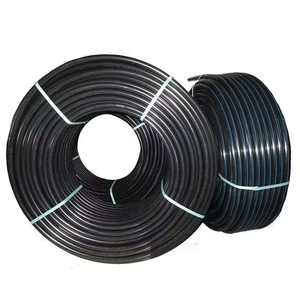
32mm Polyethylene Kiato Teitei (HDPE) Paipa Kirihou Waiata Miro Miro Pipe me te Atete Waikura mo te Tono Wai
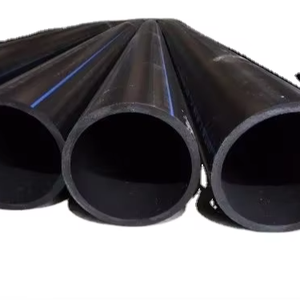
PE100 HDPE PIPE SDR 9 11 13.6 17 21 26 33 41 1.6Mpa Black HDPE Pipe High Density Polyethylene PE Water Pipe mo te Whakawhiwhi Wai
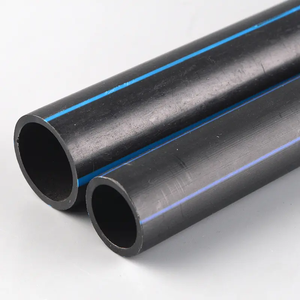
HDPE High-Density Polyethylene Water Supply Pipe High Quality High Pressure mo te Drip Irrigation System Kit
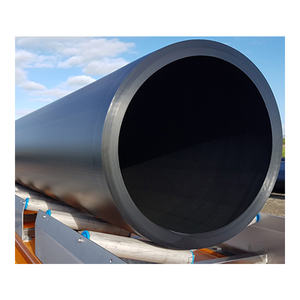
HDPE Hangahanga Hangaia Nga Korere Kirihou Peehanga Teitei Te Whakawhiwhi Wai I raro i te Whenua Te Ahumahi Ahumahi Whakapehanga Kore Tubing 6mm
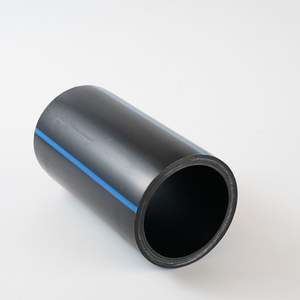
Nga Paipa Wai Whakapaipai Teitei Polyethylene Hdpe Ngongo 20-800mm Sdr9