


LUOYANG HAERE ENERGY TECH CO.,LTD

High Density Black Polyethylene Gas Pipe
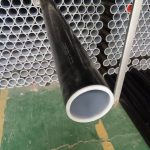
NGA TAATA HUA
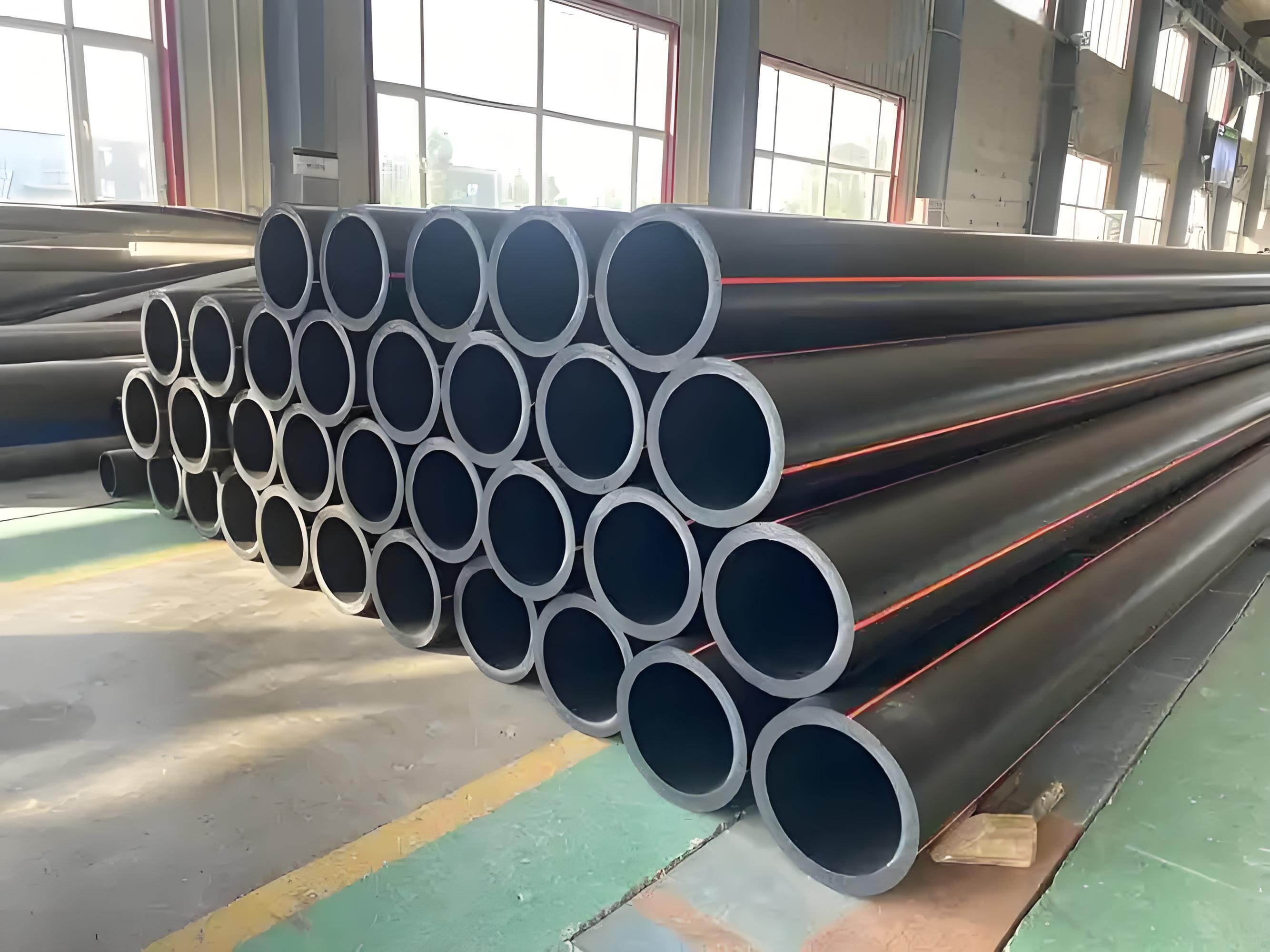
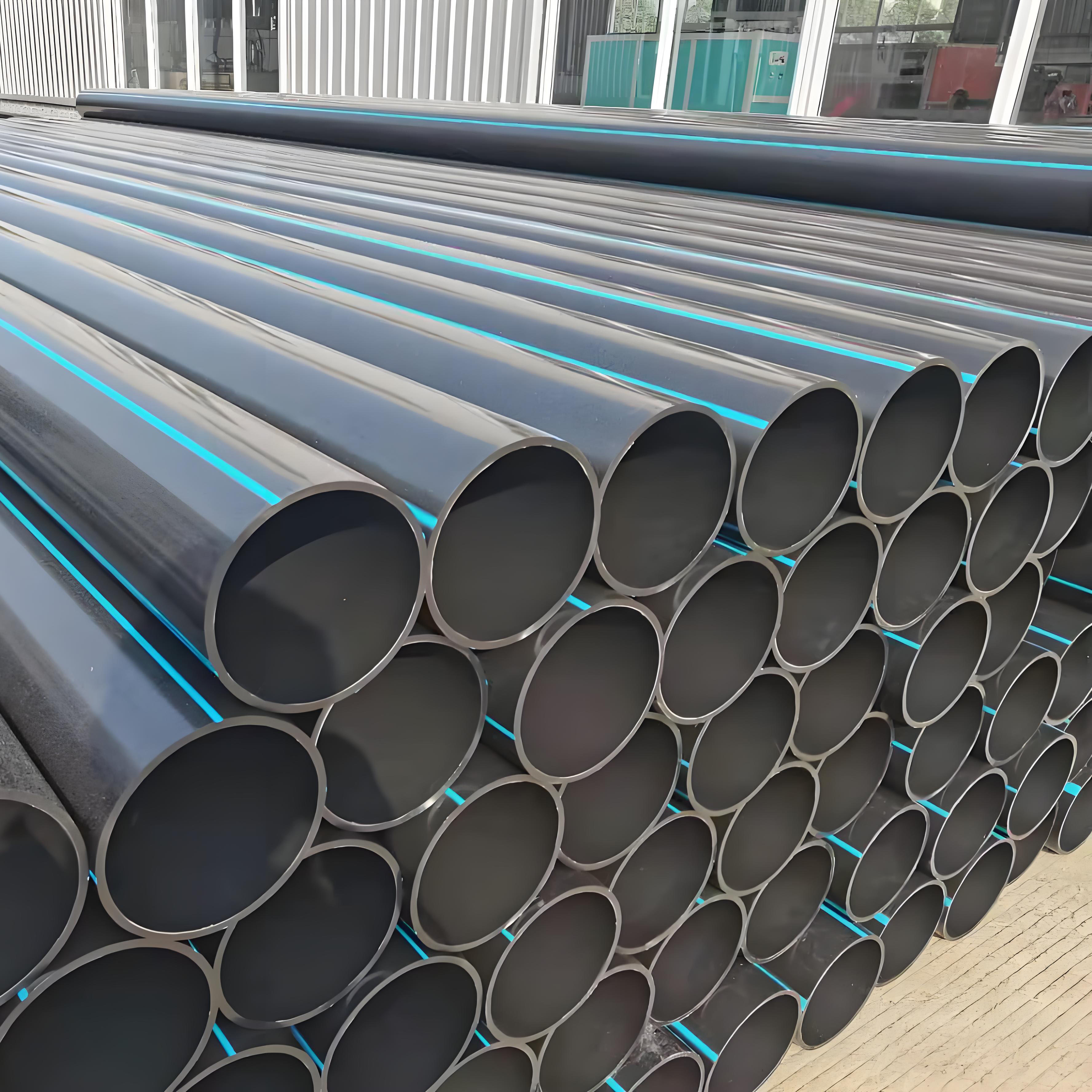
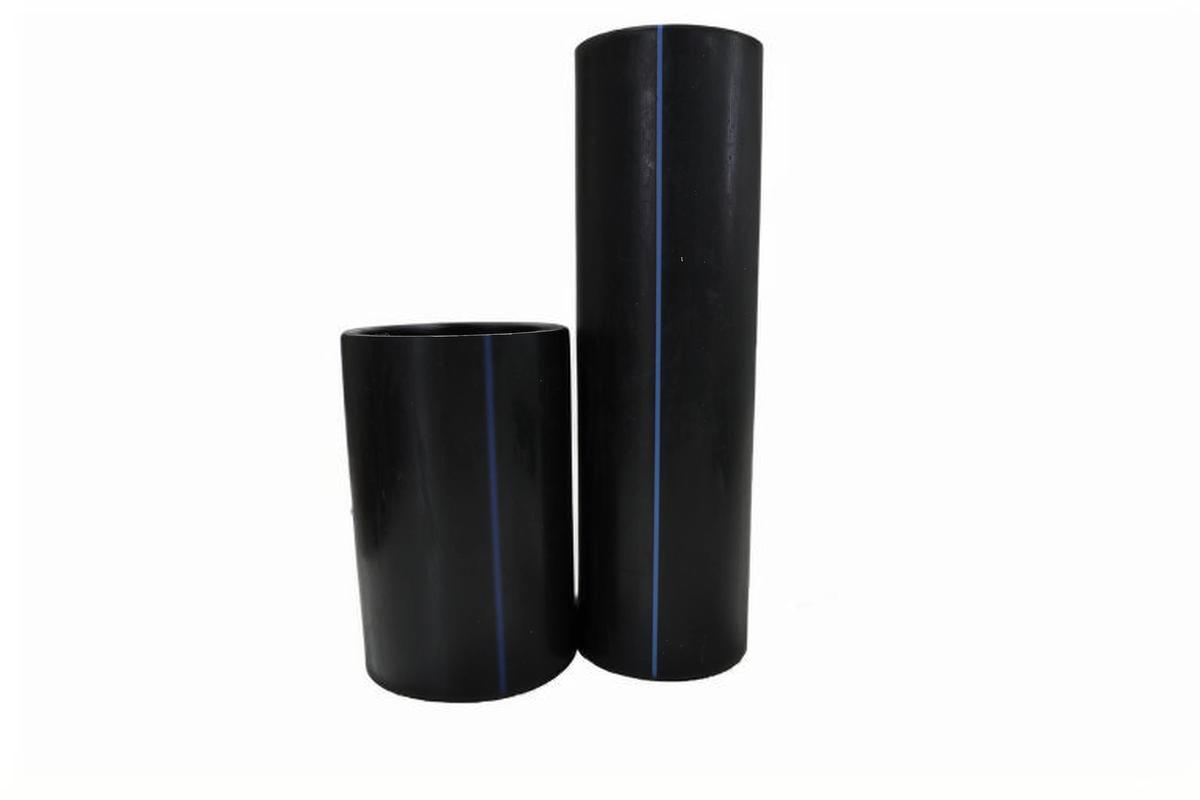
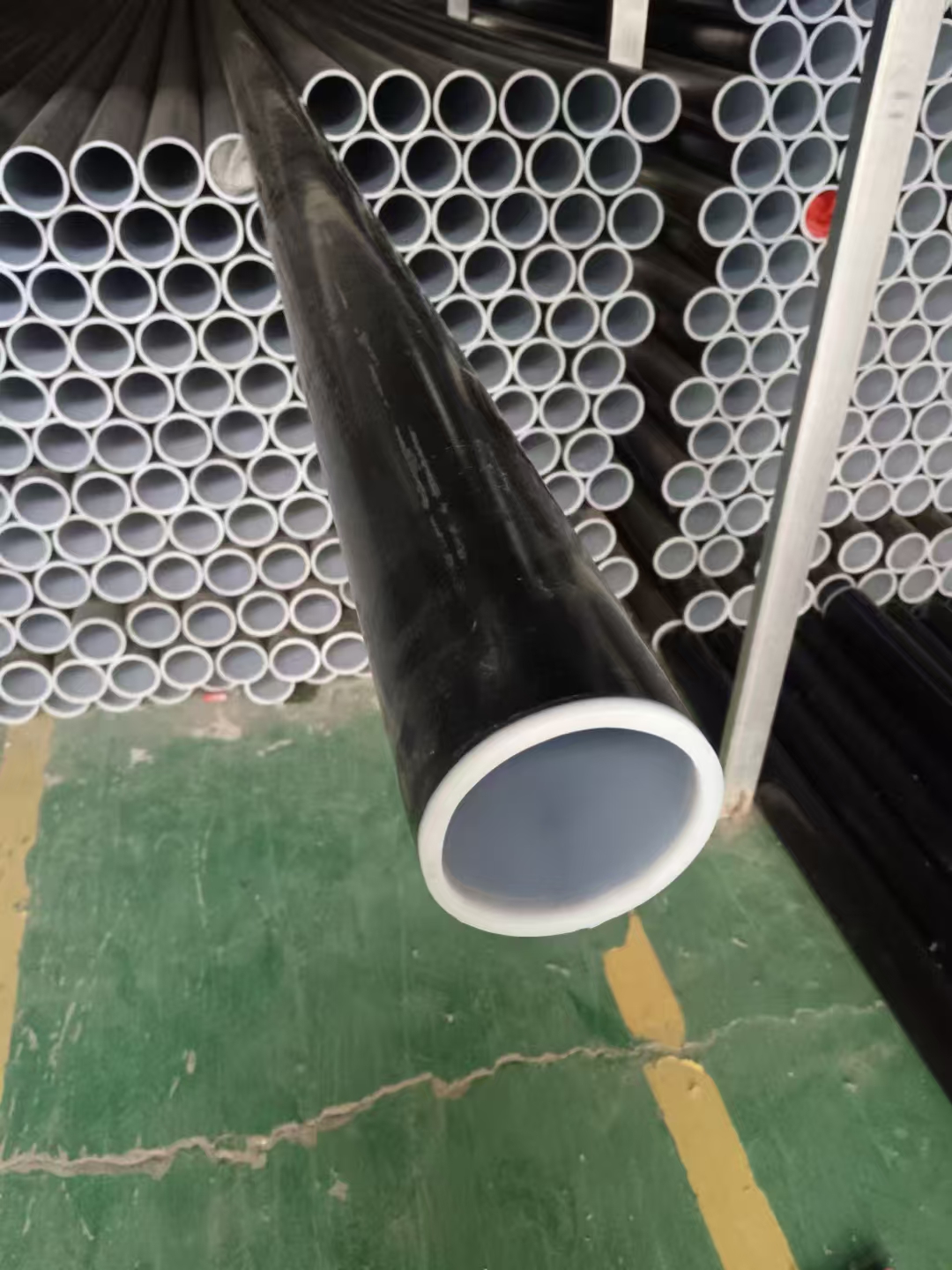
Polyethylene Gas Pipe (PE gas pipe, short for PE gas pipe) is a pipeline system made of high density polyethylene (HDPE) or medium density polyethylene (MDPE) as raw materials through extrusion molding process, specially designed for the transportation of natural gas, liquefied petroleum gas (LPG) and other gas media.
Whakaahuatanga
Tonoa He Korero
Whakaahuatanga
Introduction of Black Polyethylene Paipa hau
Polyethylene Gas Pipe (PE gas pipe, short for PE gas pipe) is a pipeline system made of high density polyethylene (HDPE) or medium density polyethylene (MDPE) as raw materials through extrusion molding process, specially designed for the transportation of natural gas, liquefied petroleum gas (LPG) and other gas media. Compared with traditional metal pipes, PE gas pipe has become the preferred material in the field of global gas transportation due to its characteristics of light weight, parenga waikura, strong impact resistance and long life.
Details of Black Polyethylene Gas Pipe
Te aukati waikura: PE material has natural resistance to chemical corrosion, electrochemical corrosion and soil microbial erosion, without additional anti-corrosion treatment.
Flexibility and shock resistance: The pipeline has high flexibility, which can adapt to external deformation such as terrain settlement or earthquake, and reduce the risk of leakage.
Long life service: the design life can reach more than 50 tau, far more than the metal pipeline (usually 20-30 tau).
Convenient construction: taimaha mama (anake 1/8 of the steel pipe), support trenchless construction (such as directional drilling), greatly reduce installation costs.
Good sealing: using hot melt connection technology, the interface strength is consistent with the pipe body, and the potential gas leakage is eliminated.
Environmental safety: kore paitini me te reka, in line with drinking water contact standards, a 100% hangarua.
Polyethylene Paipa hau technical indicators:
| Tohutohu | Parameter requirements |
| Kiato (g/cm³) | ≥0.94 (HDPE) |
| Melting index (g/10min) | ≤0.5 (190 ° C, 5kg) |
| Long-term hydrostatic strength (MPa) | PE80:8.0 (20 ° C, 50 tau)PE100: 10.0 (20 ° C, 50 tau) |
| Elongation at break (%) | ≥350 |
| Resistance to environmental stress cracking (h) | ≥1000 (80℃, 4.6MPa) |
| Oxidation induction time (min) | ≥20 (200 ° C) |
Specifications of Black Polyethylene Gas Pipe
1.Material grading
PE80: Medium density polyethylene, suitable for medium and low pressure gas transmission (≤0.4MPa).
PE100: High-density polyethylene, with higher strength and pressure resistance (up to 1.0MPa), suitable for high pressure long distance transportation.
2. Pipe size
| Te diameter o waho (mm) | SDR value | Te pehanga mahi (MPa) | Wall thickness range (mm) |
| 20-63 | SDR11 | 0.4-0.6 | 2.3-5.8 |
| 75-180 | SDR17.6 | 0.2-0.4 | 4.3-10.3 |
| 200-630 | SDR11 | 0.8-1.0 | 18.2-57.2 |
Tuhipoka: SDR (Standard Dimension Ratio) is the ratio of the outer diameter of the pipe to the wall thickness, and the smaller the value, the stronger the pressure resistance.
3. Paerewa roa
Straight pipe: 6m, 12m (non-standard length can be customized).
Coil pipe: 50m-200m (suitable for small diameter pipe, easy to transport and construction).
4. Color identification
Black pipe body + yellow stripe: international common gas pipeline identification.
Other colors can be customized according to customer requirements (subject to local regulations).
5. International standard certification:
ISO 4437: International standard for buried polyethylene piping systems for gas applications.
IN 1555: European standard for polyethylene piping for gas transmission.
ASTM D2513: American Society for Materials and Testing Standard for Gas Piping.
GB 15558.1-2015: China’s National Standard for polyethylene pipes for Gas use.
Applications of Black Polyethylene Gas Pipe
1. Urban gas network
Municipal gas main lines and residential pipelines.
Gas supply system for industrial and commercial users.
2. Industrial gas transmission
Industrial gas distribution for chemical plants, power stations, etc.
LNG/LPG storage and distribution station connection pipeline.
3 Rural and remote areas
Distributed gas supply system.
Bio-gas engineering gas pipeline.
4. Special environment
Earthquake prone areas: Use flexibility to reduce the risk of fracture.
Highly corrosive soil: Longer service life instead of metal pipes.
Water crossing: low buoyancy, excellent water pressure resistance.
Tarapu me te Tukunga
Pipe dia. dn20-63mm be in coils with 100m/200m length
Pipe dia. Dn75-1200mm be packed in bars with 5.8m or 11.8m length
Tukunga:Ma te moana,tereina,ma te hau, ma te tono ranei a te kaihoko.
Kōtaha Kamupene
Luoyang Datang Energy Tech Co.Ltd i whakapumautia i roto i 2015 a kei roto i te rohe whakawhanaketanga hangarau teitei, Taone o Luoyang, kapi ana i tetahi waahi nui me nga taputapu hou. He taiao tautoko to tatou kawanatanga, tae atu ki te kawe waka me te whai waahi ki nga rauemi whakahirahira. Mai i te timatanga i roto i 2015, kua whakapau kaha matou ki te hiranga i roto i nga paipa me nga taputapu, auaha tonu ki te whakatutuki i nga hiahia o te maakete.
Mena ka hiahia koe ki nga Paipa PPR me nga taputapu,Please feel free to contact us(sales@pipesandfittings.net)
Nga tikanga utu
T/T,L/C i te tirohanga,Western Union & Paypal,etc.
FAQ of Black Polyethylene Gas Pipe
Q1: How long is the service life of PE gas pipe?
A: Under standard working pressure and environmental conditions, the design life of PE gas pipe is 50 tau. The actual life is affected by the installation quality, soil environment and maintenance.
Q2: Can PE pipe withstand high temperature?
A: PE gas pipe long-term operating temperature limit is +40℃, short-term (such as maintenance welding) can withstand +60℃. It is recommended to use heat-resistant materials or add insulation layer in high temperature environment.
Q3: How to connect PE gas pipe?
A: Electrofusion and Butt Fusion are mainly used, which need to be operated by professional technicians to ensure tightness.
Q4: Is the PE hau pipe environmentally friendly?
A: PE material is non-toxic and harmless, the production process is pollution-free, and can be 100% recycled, in line with EU RoHS and REACH environmental protection standards.
Q5: How to carry out pipe maintenance?
A: No special maintenance is required. It is recommended to carry out air tightness testing every 5 tau. Potential problems can be located through closed circuit television (CCTV) or acoustic detection technology.
TONO HE KORERO
HUA HUA
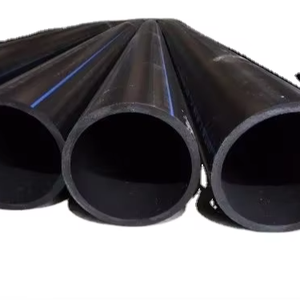
High Density HDPE PE100 Large Diameter Polyethylene Pipe for Water Supply
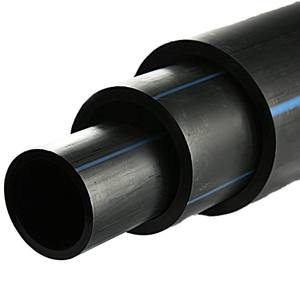
Pūnaha Paipa Whakawai Maara Maara Whakataka Wai Matama Polyethylene HDPE Paipa s Pe100 Pe Hd Paipa Paipa
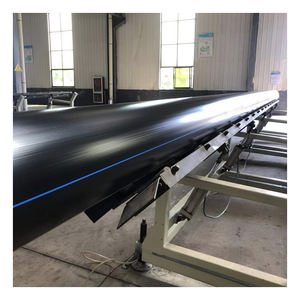
Paipa HDPE Tino-Maamaa Maamaa Maamaa Te Puawai Wai Pounamu Polyethylene Tube s
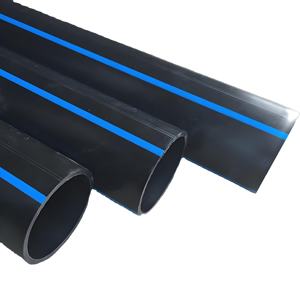
Te Polyethylene Maamaa Nui (HDPE) Water Supply Pipe – Non-Toxic and Durable
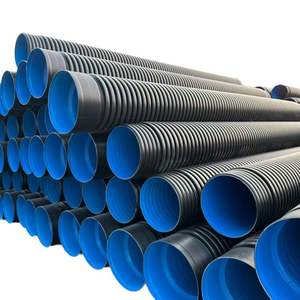
High Density HDPE PE100 Nui Diameter Polyethylene Paipa Mo te Wai
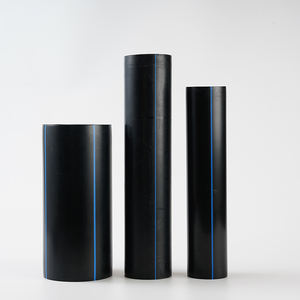
Industrial Hdpe Pipe Hdpe Water Main 2.5 Inch High Density Polyethylene Pipe 200mm Hdpe Pipe
- Īmēra: sales@pipesandfittings.net
- WeChat: +86 18337900677