LUOYANG HAERE ENERGY TECH CO.,LTD


Te Diameter Iti HDPE Raro Raro Paipa Waiwai Kowakawaka
NGA TAATA HUA
Whakaahuatanga
Whakataki oTe Diameter Iti HDPE Raro Raro Paipa Waiwai Kowakawaka
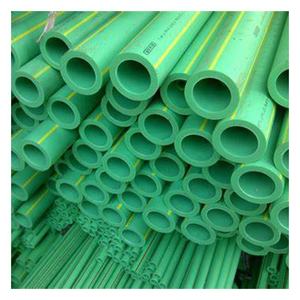
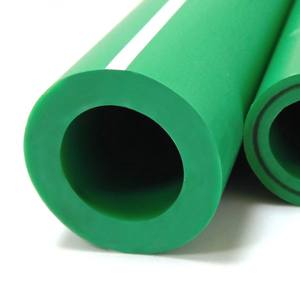
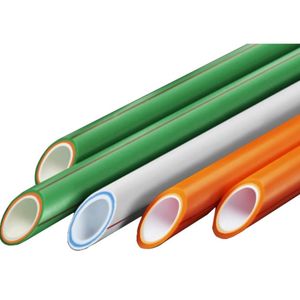
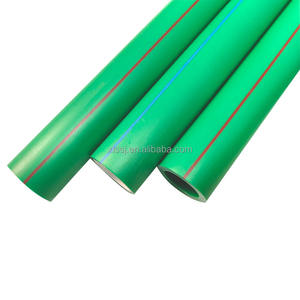
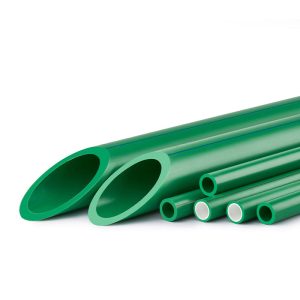
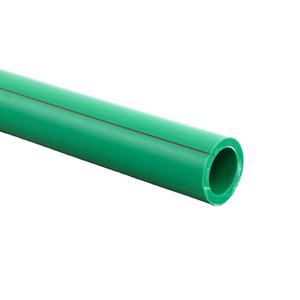
PPR paipa (ingoa katoa Polypropylene Random Copolymer Pipe, he paipa kirihou mahi teitei i hangaia mai i nga rauemi matapōkere polypropylene copolymer matapōkere. Nā te nui o te ātete ki te pāmahana, parenga pehanga, tiaki taiao me te kore-paitini, ka whakamahia nuitia ki te hanga i nga punaha wai wera me te makariri, Hangarau HVAC, te kawe wai inu me te tuku wai o te ahumahi, a he mea pai hei whakakapi mo nga paipa whakarewa tuku iho.
Characteristics and Features of Small Diameter HDPE Underground Drainage Pipes Perforated Corrugated Drainage
Te pāmahana teitei me te kaha o te pehanga teitei
Ko te pāmahana mahi mo te wa roa ka eke ki te 70°C, mo te wa poto teitei te parenga ki te 95°C, tino pai te pehanga kawe (taumata pēhanga noa PN20, PN25).
Te tiaki taiao me te hauora
Ko nga rauemi mata he parakore me te kore paitini, tutuki nga paerewa wai inu (penei i te FDA, EN ISO me etahi atu tiwhikete), kaua e whanau huakita, me te whakarite i te haumaru o te kounga o te wai.
Te waikura me te aukati
Atete waikawa me te alkali, kaha te waikura matū, pakitara o roto maeneene, ehara i te mea ngawari ki te tauine, te whakamahi mo te wa roa o te rere pumau.
Hononga rewa wera, hiri kaha
Te whakamahi i te hangarau turanga rewa wera, karekau he morearea o te pakaru i te hononga, me te hanganga whakauru ka pai ake te pono o te punaha.
He ngawari me te ngawari ki te hanga
Ko te taumaha anake 1/8 o nga paipa whakarewa, he watea mo te kawe me te whakaurunga, te whakaiti i nga utu mahi.
Te ora roa me te iti o te tiaki
Ko te oranga ratonga hoahoa he nui atu i te 50 tau, tiaki-kore, a he iti te utu katoa.
Tiaki hiko me te tiaki wera
He iti te kawe werawera (anake 1/200 o nga paipa whakarewa), e whakaiti ana i te mate wera me te pai mo nga punaha wai wera.

(Te Diameter Iti HDPE Raro Raro Paipa Waiwai Kowakawaka)
Specifications of Small Diameter HDPE Underground Drainage Pipes Perforated Corrugated Drainage
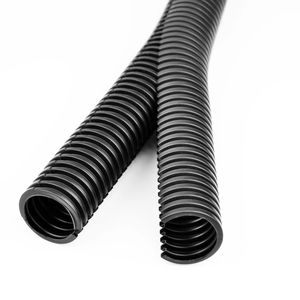
These little HDPE water drainage pipes take care of water underground. They are corrugated for strength. Perforations allow water enter the pipeline quickly. HDPE plastic makes them difficult and long-lasting. They resist chemicals discovered in soil. They will not corrosion or rot like metal or concrete. These pipelines bend a little without damaging. This aids throughout installation. He marama ratou. This makes them simple to bring and position. Employees handle them quickly. Usual sizes are tiny sizes. Assume 60mm, 80mm, 100mm, 110mm, 125mm, 160mm. Wall thickness varies. Thicker wall surfaces handle deeper interment. Perforations are normally ports or openings. Ports leave the pipeline length. Openings could circle the pipeline. Openings collect water successfully. The pipe surface matters for water intake. These pipelines connect merely. Common methods utilize snap-together joints. Rubber seals often make the link watertight. Often sockets and combinings join areas. Setup is typically straightforward. Trenches require appropriate deepness and slope. Gravel border assists water circulation in. It likewise removes dirt. A geotextile sock prevents blocking. Utilize these pipes for many work. They function well for land drainage. They handle water under driveways. They take care of overflow near foundations. They are good for athletic areas. They suit roadway side drain. Their adaptability assists on unequal ground. Their smooth interior relocations water quickly.

(Te Diameter Iti HDPE Raro Raro Paipa Waiwai Kowakawaka)
Applications of Small Diameter HDPE Underground Drainage Pipes Perforated Corrugated Drainage
Small size HDPE below ground drain pipes perforated corrugated drain address water problems effectively. These pipelines relocate water far from places it should not be. Their corrugated style makes them strong. This stamina manages heavy soil lots easily. The openings allow water enter the pipe along its whole length. HDPE material withstands deterioration completely. Chemicals in dirt won’t damage it. Icing up temperature levels won’t split it. He roa rawa enei paipa.
Farmers utilize these pipes commonly. They install them in areas to drain pipes excess water. Excellent water drainage implies healthier plants. It prevents origins from deteriorating. Sports areas require reputable drainage too. Soaked areas mess up video games. These pipelines maintain surface areas usable rapidly after rain. Building and construction websites depend on them. They manage groundwater around structures. Dry structures avoid major structural damages later. Road contractors lay them next to highways. They stop water from compromising the road base. Secure roads require less repair.
Landscaping companies mount these pipes around homes. They secure basements from flooding. They keep gardens from becoming water logged. Maintaining walls need water drainage behind them. Water stress can push wall surfaces over. These pipelines alleviate that stress securely. Their flexibility aids setup. Workers can bend them around contours easily. The lightweight material speeds up the work. Signing up with sections is straightforward. Employees use basic combinings. He iti rawa te tiaki. Absolutely nothing expands inside HDPE pipelines. They remain clear without effort. Choosing the right pipe dimension matters. Tiny sizes fit limited rooms well. They deal with common water drainage needs effectively.
Tarapu me te Tukunga
Ka whakawhirinaki ki nga hua me te maha,ka taea e tatou te hanga i te tarapi o te whiri,pukapuka,takai paihere,pouaka pouaka ranei,etc.
Tukunga:Ma te moana,tereina,ma te hau, ma te tono ranei a te kaihoko.
Kōtaha Kamupene
Luoyang Datang Energy Tech Co., Ltd. Ko te kaihanga Hainamana rangatira e tohunga ana ki nga paipa kirihou kounga teitei me nga taputapu. Kua rite ki nga raina whakaputa aunoa hou me te tautoko e te roopu o 200 ngaio, ka tukuna e matou he raina hua nui kei roto 150 nga momo paipa kirihou me nga taputapu i hangaia mo te tuku wai me nga puna wai, tuku hau, me nga punaha whakamahana papa. Ko o maatau hua matua ko nga Paipa PVC me nga taputapu, PE (HDPE) Nga paipa me nga taputapu, Paipa PPR me nga taputapu, me nga Paipa Whakawera Papa PEX.
Mena kei a koe etahi patai mo te Paipa Paipa HDPE, kaua koe e mangere ki te whakapā mai!
Waea:0086-183 3790 0677
Wechat: 0086-183 3790 0677
Whatsapp: 0086-183 3790 0677
Īmēra: sales@pipesandfittings.net
Nga tikanga utu
T/T,L/C i te tirohanga,Western Union & Paypal,etc.
5 FAQs of Small Diameter HDPE Underground Drainage Pipes Perforated Corrugated Drainage
What exactly is small diameter perforated HDPE drainage pipe?
It’s flexible plastic pipe. The pipe is corrugated outside for strength. Small holes are punched along its length. These holes let groundwater seep into the pipe. The pipe then carries this water away. Ko te HDPE te tikanga o te polyethylene teitei. This plastic is very tough and long-lasting.
Why choose HDPE for underground drainage?
HDPE offers big advantages. It won’t rust or rot like metal or concrete pipe. Chemicals in the soil won’t damage it. It handles freezing temperatures well without cracking. HDPE bends easily. This helps it follow the land’s shape around obstacles. Installation is often faster and cheaper than rigid pipes.
How do the holes work? Why perforated?
The holes are key for drainage. They allow water from the surrounding soil to enter the pipe. Water enters through these perforations. Once inside, the water flows downhill within the pipe. The pipe directs the water to a safe outlet point. This reduces water pressure in the soil and prevents soggy ground.
Where is this small perforated pipe typically used?
Its main job is subsurface water control. Use it around building foundations to keep basements dry. Install it under driveways and walkways to stop frost heave. It’s perfect for draining athletic fields and gardens. Use it in French drains and trench drains. It collects and redirects groundwater effectively.
How deep should I bury this pipe?
Depth depends entirely on your specific project needs. Consider the water source location. Think about the frost line depth in your area. Factor in the slope needed for water flow. Ko te tikanga, bury the pipe deep enough to intercept the groundwater you want to remove. Cover it with washed gravel first. Then backfill with soil. Proper depth ensures it captures water and functions correctly.
(Te Diameter Iti HDPE Raro Raro Paipa Waiwai Kowakawaka)
TONO HE KORERO
HUA HUA
Wheketere Whakaritenga Irrigation Ahuwhenua Wai Pipe Roll Hdpe Pipe
PE PP Plastic Pipe Manufacturing Taputapu
Kirihou Polypropylene Paipa wheketere Water Plumbing Supply Ppr Wai Pipe Grey
PPR WATER PIPE 20MM 25MM 32MM
PN10/20 Paipa Kirihou me nga taputapu PPR Pipework PPR Paipa