LUOYANG COME ENERGY TECH CO.,LTD


Угаалгын өрөө рүү ус дамжуулах дөрвөн хоолой юу вэ?
Далд хурдны замууд: Угаалгын өрөөний усны хоолойг задлах

(Угаалгын өрөө рүү ус дамжуулах дөрвөн хоолой юу вэ?)
Жорлонгийнхоо ард эсвэл угаалтуурын доороосоо хараарай? Та хоолойнуудыг харж байна. Маш олон хоолой. Гэсэн хэдий ч ялангуяа, тэдгээр нь юу вэ 4 анхдагч хоолойнууд таны угаалгын өрөөнд үйлчилдэг шигээ урсдаг? Энэ дөрвөлийг таних нь таны угаалгын өрөөний онцлог шинж чанарыг таних түлхүүр юм. Тэдгээрийг таны эд хогшилд амьдрал авчирч, хог хаягдлыг хольж хутгах гэнэтийн хурдны зам гэж бодоорой. Эдгээр чухал тоглогчдын тухай хөшгийг буцаан татъя.
1. Дөрвөн ус дамжуулах хоолой гэж юу вэ? .
Олон нийтийн итгэл үнэмшлээс ялгаатай, not all pipelines bringing water to your washroom are practically “нийлүүлэлт” дамжуулах хоолойнуудыг хамгийн хатуу мэдрэмжээр. Чухал дөрвөл багтдаг:.
Хүйтэн ус дамжуулах хоолой: Энэ бол ажиллах хүч юм. Энэ нь шинэхэн өгдөг, даралтат сэрүүн усыг гэрийн гол шугамаас шууд гаргана. Энэ нь таны комод хадгалах савыг тэжээдэг, угаалтуур усны цорго (хүйтэн тал), ванн/шүршүүрийн цорго (сэрүүн тал), мөн магадгүй bidet.
Халуун ус дамжуулах хоолой: Хүйтэн хоолойтой зэрэгцээ гүйж байна, Энэ багц нь таны халуун ус халаагчаас халсан усыг зөөдөг. Энэ нь таны угаалтуурын цоргоны халуун талыг хангадаг, ванн/шүршүүрийн усны цорго, мөн bidet эсвэл тусдаа шүршүүрийн хавхлага байж болно.
Ус зайлуулах хоолой (эсвэл Хаягдал хоолой): Энэ хоолой нь маш чухал юм, but it’s not a supply pipeline. Its job is to carry wastewater away from your washroom. Бүх жижиг зүйл угаалгын өрөөг цэвэрлэв, угаалтуурыг цэвэрлэв, эсвэл энэ хоолойгоор ванн эсвэл шүршүүрээс ус зайлуулах. Гол ус зайлуулах шугам эсвэл септик системийн чиглэлд хог хаягдлыг шилжүүлэх нь таталцлаас хамаарна. Энэ нь ихэвчлэн нийлүүлэлтийн шугам хоолойноос том хэмжээтэй байдаг.
Агааржуулах хоолой: Энэ бол чимээгүй хамгаалагч юм. Энэ нь ус зайлуулах хоолойг гаднах агаартай холбодог, дээврийн дээврээр дамжин агааржуулалт хийдэг. Үүний гол онцлог нь ус зайлуулах систем дэх агаарын даралтыг зохицуулах явдал юм. Энэ нь бохир усны системийн хий таны гэрт орохоос сэргийлж, бохир усыг угаалтуурын нүхийг хоослох сорохгүйгээр үр ашигтай хөдөлгөх боломжийг олгоно.. Энэ нь ердийн нөхцөлд ус татдаггүй.
Тэгэхээр, гэж бид ихэвчлэн хэлдэг “усны системийн шугам хоолой,” Ариун цэврийн өрөөний онцлог шинж чанарууд нь үнэндээ юм: хүйтэн нийлүүлэлт, халуун хангамж, ус зайлуулах хоолой (хог хаягдал), болон агааржуулалт.
2. Эдгээр нь яагаад 4 Pipings Essential? .
Хоолой бүр тохиролцох боломжгүй үүрэг гүйцэтгэдэг. Нэгийг нь устга, таны угаалгын өрөө зүгээр л хэвийн ажиллахаа больсон.
Хүйтэн усан хангамж: Сэрүүн ус байхгүй байна гэдэг нь угаах комодыг үр дүнтэй ашиглахгүй гэсэн үг юм, гараа хүйтэн усаар угааж болохгүй, ванныг түлэхгүйгээр дүүргэхгүй, Хэрэв та нэг бариултай холигчтой бол усанд орохгүй байж магадгүй юм. Үндсэн эрүүл ахуй, онцлог шинж чанар нь алга болдог.
Warm Water Supply: Life without hot water is uncomfortable. No warm showers, no warm water for shaving or washing, and warm baths at finest. Modern convenience and hygiene count heavily on readily available hot water.
Drain pipes Pipeline: Imagine the chaos without a drain. Water from the sink, шүршүүрт орох, or tub would certainly have no place to go. Overruning fixtures, flooding floorings, and unsanitary problems are instantaneous outcomes. The drainpipe is the important departure course for all used water and waste.
Агааржуулах хоолой: This’s typically misunderstood but essential. Without appropriate airing vent, a number of problems occur. Drainage ends up being slow and gurgly as air can’t go into the pipelines behind the draining water. Traps (the U-shaped bends under sinks and bathtubs) can be siphoned dry, allowing nasty sewage system gases (like methane and hydrogen sulfide) to waft right into your restroom. It produces undesirable smells and potential carcinogen. Excellent airing vent makes certain smooth, peaceful drain and a gas-free setting.
Together, these four pipelines create a balanced, functional system. The products provide the water you need. The drain eliminates what you don’t. The vent maintains the atmospheric pressure right for everything to work silently and safely.
3. How Do These Water and Drain Pipes Collaborate? .
The system operates on basic concepts of stress and gravity, coordinated by developing codes.
Pressurized Supply: Cold water enters your home under pressure from the local supply or well pump. This pressure pushes the chilly water via its pipeline. The cool pipe branches off to the hot water heater. The water heater heats up the water and sends it back out under pressure through the hot water pipeline. Both pressurized lines run side-by-side to every component place (sink, commode, tub/shower).
Valves Control Flow: At each component, shut-off shutoffs permit you to stop the water circulation for repair work. Faucets and shower valves serve as the final control points, blending cold and hot as desired.
Gravity Water drainage: When water (or waste) drops the drain, gravity takes control of. Wastewater moves down with the sloped drain pipeline. The dimension of the drainpipe pipeline (normally 1.5″ for sinks, 2″ for showers/tubs, 3″ or 4″ for toilets and primary lines) ensures solids can pass.
Air flow: The air vent pipeline links to the drainpipe system near each fixture, commonly climbing up and down through walls and the roof. It adjusts atmospheric pressure. When water flows down a drain, it develops adverse pressure behind it. The air vent pipe permits air to get in the system, avoiding suction that would reduce water drainage or draw water out of traps. It additionally gives a getaway route for drain gases up and out the roof covering, far from living rooms.
Traps Seal the Offer: Every fixture drainpipe has a trap– a U-shaped pipeline section that always holds water. This water seal obstructs drain gases from returning up the drain pipe right into the room. The vent pipeline ensures this seal isn’t broken by stress adjustments.
It’s a constant cycle: pressurized delivery, regulated usage, gravity-powered elimination, all safeguarded by correct venting.
4. Хэрэглээ: Where You See These Pipes in Action .
Each and every single fixture in your shower room relies upon this four-pipe system:.
Sink: Cold and warm supply pipelines attach to the tap. The drainpipe pipeline brings wastewater away. A P-trap under the sink holds the water seal. An air vent pipeline links nearby to safeguard the catch seal and make sure drainage.
Toilet: Mostly utilizes the cool water supply pipe to fill up the container after purging. The drain pipeline (bigger size) carries away the waste. A toilet has an inner trap. A vent pipe is important nearby to enable the big volume of water to drain rapidly without gurgling or shedding the catch seal.
Bathtub: Calls for both cold and hot supply pipes feeding the tap or mixing valve. The drainpipe pipe brings the bathwater out. A P-trap lies under the bathtub. A vent pipeline links to the drainpipe line to stop slow drainage and catch siphonage.
Shower: Features just like the tub for materials and drainpipe. The mixing valve (шүршүүрийн хаалт) controls cold and hot circulation to the showerhead. The drainpipe needs a trap and a vent link.
Bidet: If present, makes use of both hot and cold supply lines and needs its very own drainpipe link (or sometimes shares the toilet drain nearby), plus airing vent.
Even complicated configurations like whirlpool tubs or multi-head showers still fundamentally rely on these four core pipes: two materials, one drainpipe, one vent network.
5. Frequently Asked Questions About Washroom Water Lines .
Exist really only four pipelines? Essentially of course, for core function: chilly supply, warm supply, ус зайлуулах (хог хаягдал), air vent. But remember, numerous fixtures share branches of these primary lines. You might see greater than four pipelines under a sink because smaller sized branch lines feed different parts, yet they all connect back to these core systems.
Can pipelines be combined? Supply lines (cold and hot) are constantly separate. Drains pipes from various fixtures can join together into larger branch drains and then the primary drain. Vents can additionally combine right into a primary vent stack. Yet the features (supply warm, supply cold, drainpipe, air vent) stay distinctive.
What pipes are behind the walls? Ер нь, the primary supply lines (hot and cold) run through wall surfaces or floorings. Branch lines divided off to components. Drain pipes also run within walls and floors, sloping downwards. Air vent pipelines run up and down inside wall surfaces up to the attic and roof.
Why do drain pipes gurgle? Gurgling frequently shows a venting trouble. A partial clog in the air vent pipeline or an incorrectly sized/installed air vent can stop air from getting in the drainpipe system fast enough, causing gurgling noises as air is drawn previous water in the catches.
What if I scent sewage system gas? This is a severe indicator. It normally means the water seal in a trap has actually vaporized (like in a seldom made use of flooring drain) эсвэл, more seriously, has been siphoned out due to an airing vent problem. Examine all sink, tub, and shower drains pipes for water in the catch. If the odor continues, call a plumbing professional– a broken air vent or drain pipes seal is most likely.
What material are these pipelines? Supply lines are generally copper, PEX (adaptable plastic), эсвэл CPVC (stiff plastic). Drain and vent pipes are generally PVC or abdominal muscle plastic. Older homes may have galvanized steel (нийлүүлэлт) or cast iron (drain/vent).

(Угаалгын өрөө рүү ус дамжуулах дөрвөн хоолой юу вэ?)
Can I touch up pipelines myself? Simple jobs like replacing a tap or a trap under a sink are commonly DIY. Anything involving cutting into supply lines, modifying drains, or working with vents requires expertise of pipes codes and is best left to specialists to stay clear of leaks, water damages, or harmful gas leaks. Always shut off the water before servicing pipelines!
ХОЛБООТОЙ ПОСТ
Дэлхийн хоолойн үйлдвэрлэлийн бүтцийн өөрчлөлт: Өсөлт удааширч буй бүс нутгийн ялгаа, технологийн шинэчлэлийн боломжууд
Choosing the Right HDPE Pipe Fittings for Pressure Pipeline Systems
PVC хоолой нь сантехникийн ажилд чухал үүрэг гүйцэтгэдэг, Ус зайлуулах & Бохир ус цэвэрлэх.
Дараахын аль нь ус цацах системийг үндсэн усан хангамжид холбодог хоолойд хамаарах вэ?
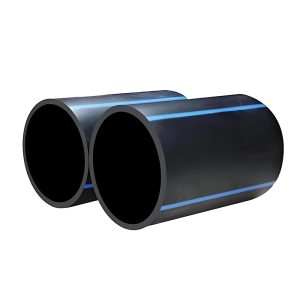
Далайн усыг давсгүйжүүлэх хувьсгалд зориулсан үйлдвэрлэлийн зориулалттай PE100 хоолой