LUOYANG CAME ENERGY TECH CO., LTD

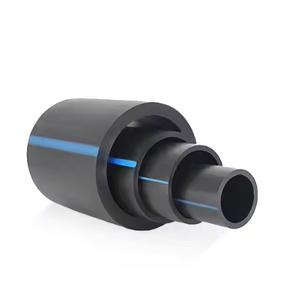
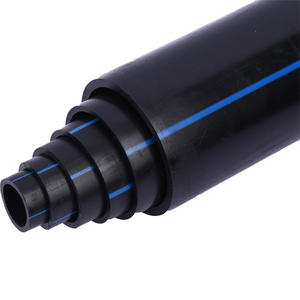
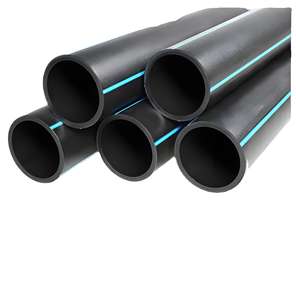
Water and Wastewater High Density Polyethylene Pipe
PRODUCT PARAMETERS
Kufotokozera
Introduction of Water and Wastewater High Density Polyethylene Pipe
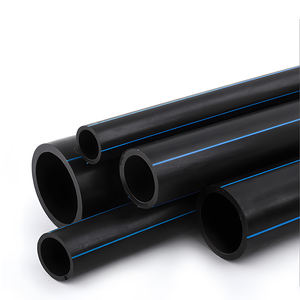
Chitoliro cha High Density Polyethylene (PE Pipe) ndi chokhazikika komanso chosinthika chapaipi cha thermoplastic chomwe chimagwiritsidwa ntchito kwambiri m'mafakitale, masepala, zaulimi, ndi ntchito za migodi. Wodziwika bwino chifukwa cha kukana kwake kwamankhwala, mphamvu yamphamvu kwambiri, ndi moyo wautali wautumiki, Mapaipi a PE ndi abwino kunyamula madzi, mpweya, ndi madzi ena pansi pa mikhalidwe yosiyana ya kupanikizika.
Key Features of Water and Wastewater High Density Polyethylene Pipe
Zimbiri & Kukaniza Chemical
Kusamva dzimbiri, sikelo, ndi mankhwala ambiri, kuzipanga kukhala zoyenera kwa malo aukali.
Wopepuka & Wosinthika
Zosavuta kunyamula ndikuyika chifukwa chochepa thupi; kusinthasintha kumathandiza kupindika popanda mfundo zina.
High Impact Mphamvu
Imapirira nyengo yoopsa komanso kupsinjika kwakuthupi, kuchepetsa zoopsa zowonongeka.
Zophatikiza Zopanda Kutayikira
Malumikizidwe osakanikirana ndi kutentha amapanga kulumikizana kosasunthika, kuchepetsa ngozi zotayikira.
Moyo Wautumiki Wautali
UV-kugonjetsedwa ndi abrasion-proof, ndi moyo wochuluka 50 zaka pansi pamikhalidwe yoyenera.
Malo Osalala Amkati
Amachepetsa kukangana, kupititsa patsogolo kayendedwe kabwino komanso kutsitsa mtengo wamagetsi.
Eco-Wochezeka
Zopanda poizoni, zobwezerezedwanso, ndi kutsatira mfundo za chitetezo madzi akumwa.
Zokwera mtengo
Kutsika kotsika ndi kukonza ndalama poyerekeza ndi zida zachikhalidwe (mwachitsanzo, zitsulo, konkire).
(Water and Wastewater High Density Polyethylene Pipe)
Specifications of Water and Wastewater High Density Polyethylene Pipe
Water and wastewater high density polyethylene pipeline (Zithunzi za HDPE) supplies a trustworthy remedy for fluid transportation. HDPE pipe is made from solid, flexible plastic. It resists rust exceptionally well. This makes it optimal for moving water and handling wastewater. Rust and chemical assault are not problems for HDPE. The pipe handles pressure successfully. Its stress rating is called PN. Usual PN rankings include PN6, PN8, PN10, PN12.5, and PN16. The PN number informs you the maximum pressure the pipeline can take. Higher PN means greater stress capability.
HDPE pipe is available in many dimensions. Diameters vary from little 16mm pipes approximately large 1600mm pipelines. You can locate the ideal size for several jobs. It functions well in various temperature levels. The pipe does dependably from -40 ° C up to 60 °C. This suits most ecological problems. Setup is usually much easier than metal pipe. HDPE is light-weight. This minimizes handling prices. Its versatility permits flexing around barriers. You need less fittings. Trenching requirements can be less complex. The smooth inner surface maintains water streaming effectively. Less rubbing implies lower pumping prices gradually.
Chemical resistance is a major advantage. HDPE holds up against numerous acids, antacid, and salts located in dirt and wastewater. It doesn’t leach unsafe compounds right into drinking water. Jointing methods are reputable. Butt blend welding develops leak-free, irreversible joints. The weld is as strong as the pipeline itself. Electrofusion fittings offer an additional strong choice. Mechanical joints are also offered for details needs. HDPE pipe has a long service life. It lasts over half a century with right installation and usage. This resilience means reduced replacement prices. Maintenance needs are minimal. It’s an economical option for water system networks, sewer system, and commercial discharge lines.

(Water and Wastewater High Density Polyethylene Pipe)
Applications of Water and Wastewater High Density Polyethylene Pipe
Water and wastewater systems need reliable pipes. Old steel pipes often corrosion and break. Concrete pipelines crack. Leakages drainage and trigger costly damage. High Thickness Polyethylene (Zithunzi za HDPE) pipe addresses these problems. It’s a strong plastic pipeline. HDPE does not rust. It withstands chemicals in wastewater. It takes care of harsh dirt problems well. This makes HDPE extremely durable. Anticipate years of service.
HDPE pipelines are really versatile. This assists during installment. Teams can bend the pipeline around barriers. It requires fewer installations. This lowers labor expenses. Adaptable pipelines also manage ground movement better. They withstand quakes and moving dirt. They do not split quickly.
A significant benefit is leak-free joints. Workers join HDPE areas utilizing heat blend. They melt the pipeline finishes with each other. This creates a seamless, long-term bond. The joint is as solid as the pipe itself. This prevents leaks completely. It stops water loss and maintains groundwater tidy.
HDPE helps numerous water jobs. Cities use it for new main water lines. It’s excellent for taking care of old pipelines without digging big trenches. Employees pull HDPE via old, damaged pipes. This saves time and money. It reduces street interruption. HDPE brings drinking water securely. It does not include preference or smell.
Wastewater applications are very important as well. HDPE takes care of raw sewage and stormwater. Manufacturing facilities use it for chemical discharge lines. It stands up to acids and other harsh wastes. Treatment plants make use of HDPE for sludge lines and dealt with effluent. Its smooth inside prevents buildup. Wastewater streams freely.
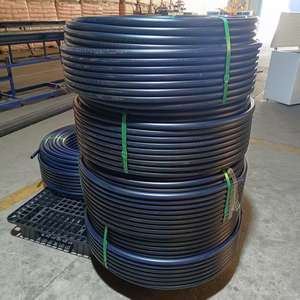
Installment is often quicker. HDPE coils been available in lengthy sizes. Employees fuse areas promptly above ground. They reduced the lengthy pipe string into the trench. This implies fewer joints in the ditch. It accelerates the work. The pipeline is likewise lighter than steel or concrete. Handling is easier and safer.
HDPE offers reduced life time expenses. It lasts much longer. It requires very little maintenance. You avoid repair service prices from leaks and breaks. Lowered installation time conserves cash upfront.
Kulongedza ndi Kutumiza
Zimatengera malonda ndi qty,tikhoza kupanga coiling,mipukutu,kulongedza katundu,mabokosi kapena mabokosi,ndi zina.
Kutumiza:Panyanja,njanji,ndi ndege kapena ngati pempho la kasitomala.
Mbiri Yakampani
Malingaliro a kampani Luoyang Datang Energy Tech Co., Ltd. ndi otsogola ku China wopanga okhazikika mu mapaipi apamwamba apulasitiki ndi zowotchera. Zokhala ndi mizere yopangira makina apamwamba kwambiri komanso yothandizidwa ndi gulu la 200 akatswiri, timapereka mzere wochulukira wazogulitsa womwe uli ndi over 150 mitundu ya mapaipi apulasitiki ndi zopangira zopangira madzi ndi ngalande, kufalitsa gasi, ndi machitidwe otenthetsera pansi. Zogulitsa zathu zazikulu zikuphatikiza mapaipi a PVC ndi Zopangira, PE (Zithunzi za HDPE) Mapaipi ndi Zopangira, Mapaipi a PPR ndi Zopangira, ndi PEX Floor Heating mapaipi.
Ngati muli ndi mafunso okhudza HDPE Pipe Fitting, chonde musazengereze kulumikizana nafe!
Tel.:0086-183 3790 0677
Wechat: 0086-183 3790 0677
Whatsapp: 0086-183 3790 0677
Imelo: sales@pipesandfittings.net
Malipiro Terms
T/T,L / C pakuwona,Western Union & Paypal,ndi zina.
5 FAQs of Water and Wastewater High Density Polyethylene Pipe
Here are five common questions about Water and Wastewater High Density Polyethylene Pipe (Zithunzi za HDPE):
What exactly is HDPE pipe? HDPE pipe is plastic pipe made from strong polyethylene resin. It’s flexible and tough. This pipe handles water pressure well. It resists chemicals and corrosion effectively. HDPE is common for moving drinking water and treating wastewater.
Why pick HDPE pipe over other materials? HDPE offers big advantages. Its flexibility lets it bend around obstacles. This reduces fitting needs. HDPE joints are fused together. This creates leak-free seals. The material won’t rust or corrode. It handles harsh chemicals in wastewater. HDPE pipe is also lightweight. This makes installation easier and cheaper.
Where is HDPE pipe typically used? HDPE pipe works for many water applications. It carries drinking water underground. It moves wastewater in treatment plants. HDPE is good for sewer force mains. It suits industrial discharge lines. HDPE pipe is also used for trenchless installations. This means less digging. HDPE works well for river crossings. It handles areas with ground movement.
How long does HDPE pipe actually last? HDPE pipe has a very long service life. Manufacturers often rate it for over 50 zaka. Its resistance to corrosion helps this. Sunlight degrades HDPE over time. Proper burial protects it. Freezing water inside usually doesn’t crack it. HDPE expands slightly. This makes it good for cold climates. Proper installation ensures maximum lifespan.
How do you connect HDPE pipe sections? HDPE pipe sections join using heat fusion. This melts the pipe ends together. Butt fusion joins pipe ends directly. Electrofusion uses special fittings with heating elements. Fusion creates a permanent, monolithic bond. This bond is as strong as the pipe itself. Mechanical fittings are possible for temporary connections. Fusion is the standard for permanent, leak-proof systems.

(Water and Wastewater High Density Polyethylene Pipe)
PEMBANI MFUNDO
ZOKHUDZANA NAZO
HDPE Polyethylene PE Madzi & Chitoliro Chothirira Chitoliro Chapamwamba Chopanda Kachulukidwe cha Polyethylene Kukhetsa Chitoliro
Chitoliro Chomangira Chapawiri cha HDPE Chitoliro Chatsopano Chokwiriridwa Chokwirira Chitoliro Chosamva Kuteteza Malo Obiriwira
Professional HDPE LDPE PP ABS Pehd Pipe Machine
High Density Polyethylene Granules Virgin Plastic HDPE Resin Pipe Grade LDPE

Mapaipi a Hdpe Pipe Sdr11 Sdr17 Sdr 21 High Density Polyethylene Hdpe Pipe s