LUOYANG SAU ENERGY TECH CO.,LTD

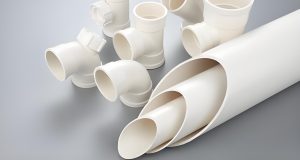
UPVC 4 Inisi 6 Inch CPVC Plastic HDPE PVC Water Pipe List
FA'AVAE FA'AVAE
Fa'amatalaga
;;Introduction of UPVC 4 Inisi 6 Inch CPVC Plastic HDPE PVC Water Pipe List
Polyvinyl chloride (PVC) O le paipa e tumau, māmā, ma le tau-lelei vaifofo paipa fa'aaoga lautele i alamanuia, fa'ato'aga, fausiaina, ma fa'aoga paipa. Faia mai mea maualuga polyvinyl chloride mea, O paipa PVC e ofoina atu le lelei tele o le pala, puipui lamolemole totonu mo le tafe lelei o le vai, ma fa'atuatuaina umi i si'osi'omaga eseese.
Key Features of UPVC 4 Inisi 6 Inch CPVC Plastic HDPE PVC Water Pipe List
A'a & Tete'e vaila'au
Tetee i le ele, vaila'au, ma mea oona/alkali, faia lelei mo fale gaosi oloa ma suavai leaga.
Māmā & Faigofie Fa'apipi'i
O mamanu mama e faʻaitiitia ai felauaiga ma tau o tagata faigaluega, a'o auala faigofie fa'atasi (e.g., uelo solo, filo) faʻamautinoa vave faʻapipiʻi.
Lau'ele'ele totonugalemu
Fa'aiti'itia le gau o feseaiga, faʻaleleia le lelei o le tafe ma faʻaitiitia le faʻaaogaina o le malosi i faiga felauaiga vai.
Malosi Maualuga & Tumau
Talitonu maualuga le mamafa ma le a'afiaga, talafeagai mo faʻapipiʻi lalo ma luga ole eleele.
Umi Auaunaga Ola
UV-tete'e (pe a fai) ma e le afaina i le susu, fa'amautinoaina le tele o tausaga o fa'agaioiga maualalo le tausiga.
Tau-Tagata
Maualalo mea ma fa'apipi'i tau fa'atusatusa i paipa u'amea, tu'uina atu se isi mea tau tupe.
Le Oona & Saogalemu
Fa'amaonia mo sapalai vai inu (o lo'o maua fua fa'atatau e leai se ta'ita'i) ma tausisia tulaga fa'avaomalo (e.g., NSF, ASTM).
Talosaga Fetuuna'i
Fa'aoga ile sapalai vai, alavai, fa'asusu, ala eletise, ma faiga tau alamanuia.

(UPVC 4 Inisi 6 Inch CPVC Plastic HDPE PVC Water Pipe List)
Specifications of UPVC 4 Inisi 6 Inch CPVC Plastic HDPE PVC Water Pipe List
Right here’s the product material about UPVC, CPVC, HDPE, and PVC water pipes:
Need trustworthy water pipes? Comprehend the specs for usual plastic pipelines like UPVC, CPVC, HDPE, and PVC in 4-inch and 6-inch dimensions. UPVC pipelines are stiff. They function well for chilly water supply. These pipelines resist chemicals and corrosion. Typical stress rankings are PN10 (145 psi) and PN16 (232 psi). They link easily using solvent cement joints. UPVC suits primary lines and irrigation. CPVC pipes handle hot water. They tolerate temperature levels up to 200 ° F. CPVC is additionally stiff. Its pressure ratings match UPVC: PN10 and PN16. Solvent welding signs up with CPVC pipes firmly. Use CPVC inside structures for hot and cold lines. HDPE pipes are extremely various. They are extremely versatile and challenging. E tumau lelei le HDPE i a'afiaga. It resists chemicals too. Pressure classes consist of PN10 and PN16. HDPE utilizes butt fusion or electrofusion joints. This produces watertight systems. Its versatility aids in uneven ground. HDPE is fantastic for hidden keys and trenchless setups. PVC pipes are general-purpose. They are inflexible like UPVC. PVC manages chilly water successfully. Stress ratings are commonly PN10 and PN16. Solvent concrete joints are conventional for PVC. PVC is common for water drainage, fa'asusu, and some cool water lines. Dimensions issue. The 4-inch diameter pipeline is commonly made use of. It fits numerous domestic and light business projects. The 6-inch diameter pipe carries higher flow quantities. It suits bigger mains and industrial applications. Material choice is important. UPVC and PVC are for cool water. CPVC adds warm water capacity. HDPE uses versatility and sturdiness underground. Stress demands lead option. PN10 helps reduced pressure systems. PN16 deals with higher stress needs. Jointing techniques influence installment rate and expense. Solvent welding is easy for stiff pipelines. Blend welding creates solid bonds for HDPE. Think about the application setting. Below ground usage needs tough materials like HDPE. Chemical direct exposure calls for chemical-resistant plastics. Temperature dictates UPVC, PVC, po'o le CPVC.

(UPVC 4 Inisi 6 Inch CPVC Plastic HDPE PVC Water Pipe List)
Applications of UPVC 4 Inisi 6 Inch CPVC Plastic HDPE PVC Water Pipe List
UPVC 4 inisi ma 6 inch pipelines handle water well without corrosion. They relocate water in farms for plants. They function underground for city water drainage systems as well. Building contractors pick them for house plumbing since they last long. They fit rain gutter downspouts on buildings. Factories use them for moving chemicals securely.
CPVC pipes in 4 inisi ma 6 inch dimensions withstand warmth. Plumbing technicians mount them for hot water lines in homes. They fit hospitals and laboratories for clean water delivery. Manufacturing facilities pick them for cozy fluid transfers. They connect boilers securely without dripping.
HDPE pipelines in these sizes flex quickly around barriers. Employees lay them for fresh water supply networks. They lug gas in some setups without rust. Miners use them for slurry transportation underground. They line ponds and land fills to quit leakages. Farmers lay them for drip watering across areas.
PVC 4 inisi ma 6 inch pipelines set you back much less for basic tasks. Specialists bury them for sewer lines in neighborhoods. They take care of swimming pool purification systems accurately. Gardeners connect them for automatic sprinkler. They work for simple commercial air circulation arrangements.
All these pipes save money over steel pipelines. They install faster with glue or warmth signs up with. They stay light so employees relocate them conveniently. They handle cold weather without cracking. They maintain water clean without steel preference. Bigger projects select 6 inch dimensions for more flow. Smaller work utilize 4 inch pipes for day-to-day needs.
afifiina ma uta
Faʻalagolago i oloa ma le tele,e mafai ona matou faia le afifiina o vili,ta'avale,afifiina o fusi,pusa po'o pusa,ma isi.
utaina:I le sami,nofoaafi,i le ea poʻo le manaʻoga a le tagata faʻatau.
Fa'amatalaga a le Kamupani
Luoyang Datang Energy Tech Co., Ltd. ose ta'uta'ua Saina gaosi oloa fa'apitoa i paipa palasitika maualuluga ma mea fa'apipi'i. Fa'aauupegaina i laina otometi fa'aonaponei fa'aonaponei ma lagolagoina e se 'au o 200 polofesa, matou te ofoina atu se laina oloa tele e aofia ai luga 150 ituaiga o paipa palasitika ma mea fa'apipi'i ua fuafuaina mo le sapalai o le vai ma alavai, felauaiga kesi, ma faiga faamafanafana fola. O a matou oloa autu e aofia ai PVC Pipes ma Fittings, PE (HDPE) Paipa ma Mea Fa'apipi'i, PPR paipa ma mea fa'apipi'i, ma le PEX Fa'avela Fa'avela.
Afai ei ai ni au fa'amatalaga e uiga i le HDPE Pipe Fitting, faamolemole aua le faatuai e faafesootai i matou!
Tel.:0086-183 3790 0677
Wechat: 0086-183 3790 0677
Whatsapp: 0086-183 3790 0677
imeli: sales@pipesandfittings.net
Tulaga Totogi
T/T,L/C i le vaai,Western Union & Paypal,ma isi.
5 FAQs of UPVC 4 Inisi 6 Inch CPVC Plastic HDPE PVC Water Pipe List
O iinei 5 common questions about 4 inisi ma 6 inch UPVC, CPVC, HDPE, and PVC water pipes:
What’s the best way to put these big pipes in?
Installation depends on the pipe material. UPVC and CPVC pipes usually need solvent cement welding. This means cleaning the pipe ends, applying special glue, pushing them together fast. HDPE pipes often use heat fusion. This melts the pipe ends, joins them permanently. PVC pipes might use solvent cement or rubber ring joints. Always follow the maker’s instructions exactly for big sizes. Getting it wrong causes leaks.
How much water pressure can these pipes handle?
Pressure ratings vary by material and pipe schedule. UPVC pipes handle high pressure well. CPVC pipes handle pressure too, but check their specific rating. HDPE pipes offer good pressure resistance, flexibility helps. PVC pipes have clear pressure ratings printed on them. Always choose pipe rated higher than your system’s maximum operating pressure. Safety is key.
Pe saogalemu ia paipa mo vai inu?
Ioe, UPVC, CPVC, HDPE, and PVC pipes made for potable water are safe. They meet strict standards like NSF/ANSI 61. Ensure you buy pipes clearly marked for drinking water use. Non-potable pipes exist. Never use those for drinking water systems.
Can hot water go through these pipes?
CPVC pipes handle hot water best. They withstand higher temperatures than standard UPVC or PVC. HDPE pipes tolerate heat moderately well. Standard UPVC and PVC pipes are mainly for cold water. Using them for hot water can damage the pipe, cause failure. Check the pipe’s max temperature rating first.
What connects these pipes to fittings or valves?
Connections depend on the pipe type. Solvent cement welding is common for UPVC, CPVC, and some PVC. HDPE often uses heat-fused fittings or mechanical compression fittings. Flanged connections are frequent for valves in big sizes like 4 ma 6 inisi. Rubber ring joints work for some PVC pipes. Match the connection method perfectly to your pipe material and size.

(UPVC 4 Inisi 6 Inch CPVC Plastic HDPE PVC Water Pipe List)
TALOSAGA O SE FAI
O MEA E FAI AI
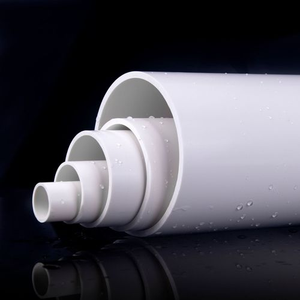
CPVC Power Pipe Sleeve Pre-Buried Plastic Tubes High Pressure Molded
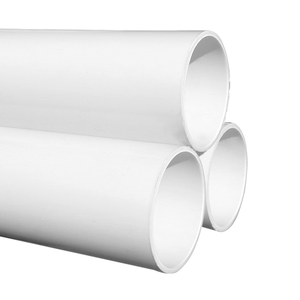
D1785/D2665 SCH40 80 Plumbing Pipe PVC Waste DWV Sewer Drainage Pipe
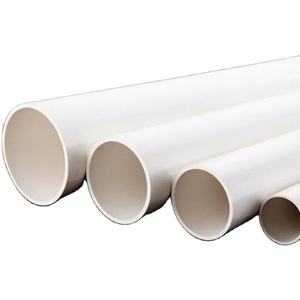
Available 4″ Pipes For Irrigation Water Pump PVC Pipe Water Supply
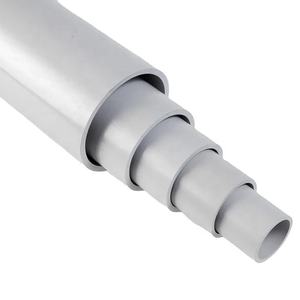
Large PVC Pipe 100mm/110mm/125mm/400mm/500mm 1.25Mpa U PVC Water Pipes
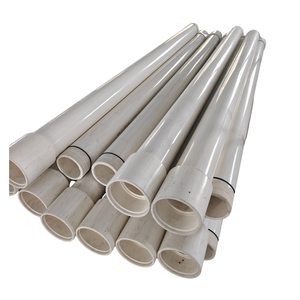
Lelei Alamanuia PVC paipa UPVC paipa mo Suavai ma High Omiga