


LUOYANG TLA ENERGY TECH CO.,LTD

Boleng bo phahameng PE100 & PE80 High Density Polyethylene Pipe Ka har'a Phepelo ea Metsi le Sistimi ea Metsi
Setsing sa phepelo ea metsi le drainage, ho khetha thepa e nepahetseng ea phala ke ea bohlokoa. PE (polyethylene) liphaephe, joalo ka thepa e tloaelehileng ea phala, are widely used for their excellent physical and chemical properties. Har'a bona, PE100 and PE80 are two common grades, each with its own unique characteristics and applicable scenarios. This article will delve into the differences between PE100 and PE80 water supply pipes to help readers make a wise choice in practical applications.
Lintho tse bonahalang le Structure
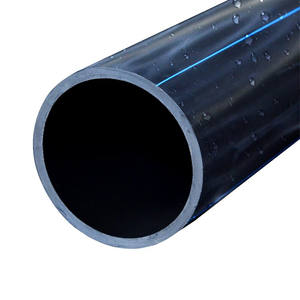
PE100 pipes and PE80 pipes lies in their raw materials and molecular structures. PE100 refers to grade 100 high pressure polyethylene raw material with high molecular weight and excellent physicochemical properties. This material can withstand greater pressure, usually up to 1.6MPa. By contrast, PE80 refers to 80 grade high-pressure polyethylene raw material, which can withstand a maximum pressure of 1.25MPa. This distinction directly affects the range of use and pressure-bearing capacity of the pipe.
Density of PE100 & PE80 Liphaephe
PE100 & PE80 Pipes have a relatively lower density and is often referred to as medium-density high-pressure polyethylene (MDPE), while PE100 belongs to high-density polyethylene (HDPE). The difference in density affects not only the physical properties of the material, but also its processing characteristics and application environment.
Mechanical Pthepa Between PE100 & PE80 Liphaephe
The tensile strength of PE100 is about 20 percent higher than that of PE80, which means PE100 pipes are less likely to break under the same stress conditions. Holim'a moo, PE100’s bending strain rate is also 20% higher than that of PE80, which gives PE100 pipes an advantage in dealing with complex terrains and bending requirements.
PE100 also shows greater toughness in terms of impact resistance. It can effectively resist external shock and vibration, reducing repair and replacement costs due to pipe rupture. PE100 is undoubtedly a better choice for use environments that require high pressure and frequent changes.
Lik'hemik'hale Rboteng Versus Corrosion/ Rboteng
PE100 and PE80 also have their own strengths in terms of chemical resistance and corrosion resistance. Due to the excellent chemical stability of the PE material, both pipes can resist the erosion of most chemicals. Leha ho le joalo, in specific corrosive environments, PE100’s high density and tighter molecular structure give it better protection.
When transporting corrosive liquids or gases, PE100 pipes can offer a longer service life and lower maintenance costs. Holim'a moo, PE100 pipes are more resistant to ultraviolet radiation, reducing aging caused by prolonged exposure to sunlight.
Kopo of PE80 and PE100 Pipes
PE100 and PE80 pipes are suitable for different application scenarios due to their respective characteristics. PE80 pipes, due to their good flexibility and medium pressure resistance, are typically used for medium and small diameter coils and are suitable for situations where higher flexibility and flexibility are required for the pipes. Ka mohlala, in municipal water supply and drainage systems, PE80 pipes are often used for pipe layouts that require frequent direction changes.
PE100 pipes, due to their high strength and excellent pressure-bearing capacity, are more suitable for high-pressure transportation and large-diameter straight pipes. PE100 pipes dominate in large-scale water conservancy projects, natural gas transmission, and sewage treatment, thanks to their superior mechanical properties and corrosion resistance. Holim'a moo, PE100 pipes are lighter in weight, making them easier to transport and install, reducing construction difficulty and cost.
Moruo Versus Etsa tikoloho
performance PE100 and PE80 pipes also show differences in economy over long-term use. Although the initial investment in PE100 pipes may be slightly higher, their excellent durability and lower maintenance costs make them more economically viable over their service life. PE100 pipes typically guarantee a lifespan of at least 50 lilemo, significantly reducing the frequency of replacement and maintenance.
Holim'a moo, both PE100 and PE80 pipes meet environmental protection requirements. They are non-toxic, odorless, do not breed bacteria and do not cause water pollution. Both of these pipes have shown good hygiene performance in drinking water piping systems, meeting drinking water hygiene standards.
Installation and Mtlatsetso
In terms of installation and maintenance, PE100 and PE80 pipes also have distinct characteristics. PE100 pipes, due to their higher strength and flexibility, are more adaptable to various terrains and soil conditions. In complex geological conditions, PE100 pipes can better withstand the effects of natural disasters such as soil movement and earthquakes.
Holim'a moo, PE100 pipes have a variety of connection methods, including hot-melt connection and electrofusion connection, which can meet the needs of different application scenarios. These connection methods not only ensure the sealing and strength of the pipes, but also simplify the installation process and reduce the difficulty of construction.
In terms of maintenance, both PE100 and PE80 pipes have good wear resistance and anti-aging performance. Leha ho le joalo, due to the higher strength and toughness of PE100 pipes, their maintenance costs are typically lower. Over long-term use, PE100 pipes can reduce maintenance costs resulting from pipe ruptures and aging.
PE100 and PE80 water supply pipes differ significantly in terms of materials, thepa ea mochini, khanyetso ea lik'hemik'hale, application scenarios, moruo, environmental friendliness, installation and maintenance. When making a choice, a comprehensive consideration should be made based on the specific usage environment and requirements. For applications that require high pressure and complex terrain, PE100 pipes have an advantage due to their high strength and excellent toughness; For situations where flexibility and cost are demanded, PE80 pipes are a better choice.
Mofani
Luoyang Datang Energy Tech Co., Ltd. ke moetsi ea ka sehloohong oa Machaena ea sebetsanang le liphaephe tsa polasetiki tsa boleng bo holimo le li-fittings. Ho hlomelloa ka mela ea tlhahiso ea morao-rao e ikemetseng le e tšehetsoeng ke sehlopha sa 200 litsebi, re fana ka lethathamo le pharaletseng la lihlahisoa tse kenyelletsang ho feta 150 types of plastic pipes and fittings designed for water supply and drainage systems, phetiso ea khase, le mekhoa ea ho futhumatsa fatše. Lihlahisoa tsa rona tsa mantlha li kenyelletsa liphaephe le li-Fittings tsa PVC, PE (HDPE) Liphaephe le Lisebelisoa, PPR Liphaephe le Fittings, le PEX Floor Heating Pipes.
Na u na le lipotso mabapi le pipe ea HDPE ea Dia12-1600mm, ka kopo o seke oa qeaqea ho iteanya le rona!
Mohala:0086-183 3790 0677
Wechat: 0086-183 3790 0677
Whatsapp: 0086-183 3790 0677
Email: [email protected]
EKETSEHILENG PHATALA
Ke Eng Seo 5 Mefuta ea Lipeipi?
PE Pipe Vs PVC Pipe ho Nosetso ea Temo: Tlhahlobo ea Papiso

Tataiso ea Khetho ea Butterfly Valve bakeng sa Metsi a Liindasteri & Sistimi ea HVAC
Lipeipi tsa HDPE li Haha Mokhoa o Sebetsang oa ho Boloka Metsi a Nosetso
E leng ho molemo?HDPE Pipes vs PE Pipes.
