LUOYANG TLA ENERGY TECH CO.,LTD

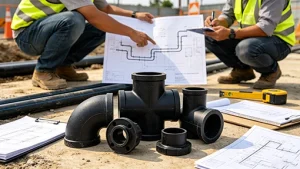
E leng E Loketseng Ho Feta Pipe ea Metsi a Nooang:PPR vs PE?
Liphaephe tsa PPR and PE Water Supply Pipes, ka bobeli li ka sebelisoa e le lipeipi tsa metsi a nooang. Leha ho le joalo, many users are not very clear about the pros and cons of these two types of drinking water pipes. E 'ngoe, we’ll delve into the characteristics and application scenarios of these two types of pipes.
In the practical application of drinking water pipes, PE pipes are often used as cold water pipes; PPR pipes can be used for both cold water pipes and hot water pipes. When it comes to hot water pipe applications, PPR pipes are clearly superior. Leha ho le joalo, with the improvement of economic conditions, PPR hot water pipes have gradually been adopted in many engineering projects to replace the traditional design of separating hot and cold water, allowing for direct use of both hot and cold water.
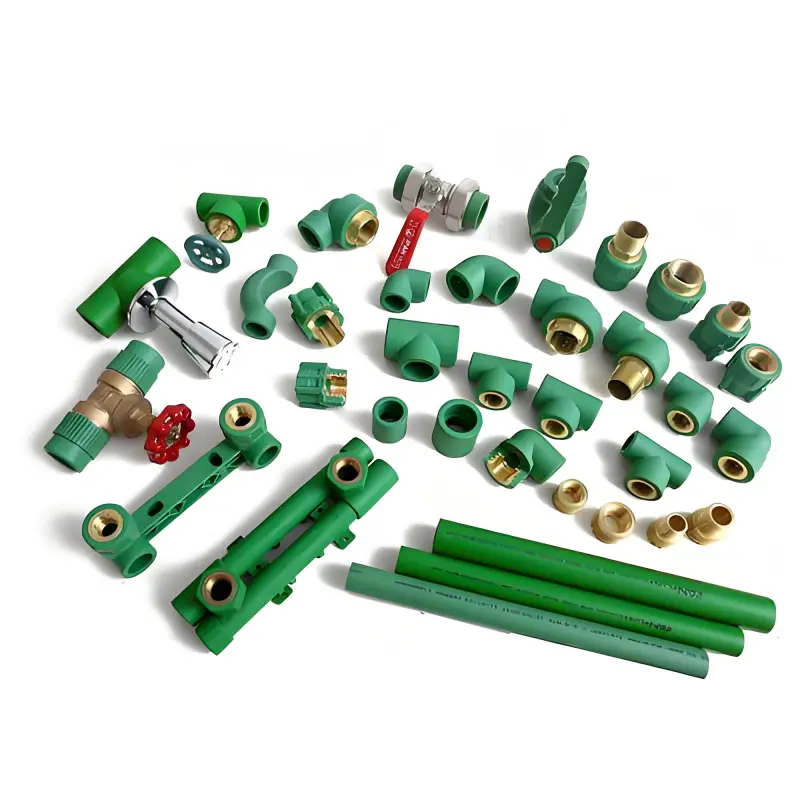
PPR vs PE: Comparison of Hygiene
There is no significant difference in hygiene and safety between PE pipes and PPR pipes. Ntho ea bohlokoa ke hore na lisebelisoa tse tala tse sebelisoang ke khoebo li finyella litekanyetso, not the difference between the two types of pipes themselves. All qualified PE and PPR pipe products must undergo strict hygiene tests to ensure the safety of consumers (excluding counterfeit and substandard products). Ka hona, there is no obvious difference between the two types of pipes in terms of safety.
PPR vs PE: Considerations of Elastic Modulus
Modulus ea elastic ea lipeipi tsa PPR ke 850MPa. Ka papiso, Liphaephe tsa PE, joalo ka polyethylene ea boholo bo mahareng, E na le modulus ea elastic e ka bang 550MPa, which is more flexible but less rigid. When used in building water supply, PE pipes have poor straightness and are prone to bending and deformation, which affects the overall aesthetic appearance of the pipeline.
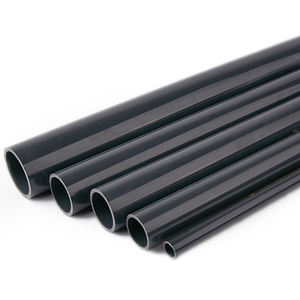
PPR vs PE: Thermal Conductivity
The thermal conductivity of PPR pipes is 0.24, while that of PE pipes is nearly double 0.42. This feature of PE pipes is an advantage as an under floor heating pipes, as good heat dissipation means better heat radiation effect. Leha ho le joalo, in hot water pipe applications, this could be a drawback because fast heat dissipation leads to large heat loss, the surface temperature of the pipe rises, and there is a risk of burning hands.
When it comes to the choice of drinking water pipes, there is no absolute superiority or inferiority between PPR pipes and PE pipes. The key lies in the application scenario. But no matter which type of pipe you choose, it is crucial to make sure it comes from a reputable manufacturer, especially when choosing PPR pipes, as there are many counterfeit products on the market, choosing a reputable manufacturer is particularly important.
Mofani
Luoyang Datang Energy Tech Co., Ltd. ke moetsi ea ka sehloohong oa Machaena ea sebetsanang le liphaephe tsa polasetiki tsa boleng bo holimo le li-fittings. Ho hlomelloa ka mela ea tlhahiso ea morao-rao e ikemetseng le e tšehetsoeng ke sehlopha sa 200 litsebi, re fana ka lethathamo le pharaletseng la lihlahisoa tse kenyelletsang ho feta 150 types of plastic pipes and fittings designed for water supply and drainage systems, phetiso ea khase, le mekhoa ea ho futhumatsa fatše. Lihlahisoa tsa rona tsa mantlha li kenyelletsa liphaephe le li-Fittings tsa PVC, PE (HDPE) Liphaephe le Lisebelisoa, PPR Liphaephe le Fittings, le PEX Floor Heating Pipes.
Na u na le lipotso mabapi le pipe ea HDPE ea Dia12-1600mm, ka kopo o seke oa qeaqea ho iteanya le rona!
Mohala:0086-183 3790 0677
Wechat: 0086-183 3790 0677
Whatsapp: 0086-183 3790 0677
Email: [email protected]
EKETSEHILENG PHATALA
PPR vs HDPE vs PVC:Papiso ea Peipi ea Phepelo ea Metsi ea Liindasteri
Liphaephe tse 'nè tsa phepelo ea metsi ke life tse nyolohelang ka kamoreng ea ho hlapa
Liphaephe tsa PPR & Lisebelisoa:Litharollo tse Molemohali tsa Lipeipi Mmarakeng oa Saudi Arabia
Lisebelisoa tsa Pipe tsa Tšireletso ea Mollo: Khetho & Lisebelisoa