LUOYANG TLA ENERGY TECH CO.,LTD


Polypropylene Random Filamentous Highway Underground Drainage Plastic Blind Ditch Pipe
LITLHAKISO TSA LITŠOANTŠISO
Tlhaloso
Selelekela saPolypropylene Random Filamentous Highway Underground Drainage Plastic Blind Ditch Pipe
Pipe ea PPR (lebitso le feletseng Polypropylene Random Copolymer Pipe, ke phala ea polasetiki e sebetsang hantle e entsoeng ka lisebelisoa tse tala tsa boleng bo holimo tsa copolymer polypropylene. Ka lebaka la ho hanyetsa mocheso o phahameng, khatello ea maikutlo, tšireletso ea tikoloho le ho se chefo, e sebelisoa haholo ho aha mekhoa ea metsi a chesang le a batang, Boenjiniere ba HVAC, lipalangoang tsa metsi a nooang le phetiso ea mokelikeli oa indasteri, hape ke sebaka se loketseng bakeng sa lipeipi tsa tšepe tsa setso.
Characteristics and Features of Polypropylene Random Filamentous Highway Underground Drainage Plastic Blind Ditch Pipe
Mocheso o phahameng le ho hanyetsa khatello e phahameng
Mocheso oa nako e telele oa ho sebetsa o ka fihla ho 70°C, khanyetso ea mocheso o phahameng oa nakoana ho 95°C, ts'ebetso e ntle ea ho jara khatello (boemo ba khatello e tloaelehileng PN20, PN25).
Tšireletso ea tikoloho le bophelo bo botle
Lisebelisoa tse tala li hloekile ebile ha li na chefo, kopana le litekanyetso tsa metsi a nooang (joalo ka FDA, EN ISO le litifikeiti tse ling), u se ke ua tsoala libaktheria, le ho netefatsa polokeho ea boleng ba metsi.
Corrosion le anti-scaling
Ho hanyetsa acid le alkali, khanyetso e matla ea ho senya lik'hemik'hale, lerako le boreledi la ka hare, ha ho bonolo ho sekala, tšebeliso ea nako e telele ea phallo e tsitsitseng.
Khokahano ea ho qhibiliha e chesang, tiiso e matla
Ho amohela theknoloji ea hot melt socket, ha ho na kotsi ea ho lutla ha ho amana, 'me mohaho o kopantsoeng o ntlafatsa botšepehi ba tsamaiso.
E bobebe ebile e bonolo ho e etsa
Boima ke bona feela 1/8 ea lipeipi tsa tšepe, e loketseng ho palangoa le ho kenya, ho fokotsa litšenyehelo tsa basebetsi.
Bophelo bo bolelele le tlhokomelo e tlase
Bophelo ba tšebeletso bo hlophisitsoeng bo feta 50 lilemo, e hlokang tlhokomelo, 'me litšenyehelo ka kakaretso li tlase.
Ho boloka matla le ho boloka mocheso
Thermal conductivity e tlaase (feela 1/200 ea lipeipi tsa tšepe), e fokotsang tahlehelo ea mocheso 'me e loketse mekhoa ea metsi a chesang.

(Polypropylene Random Filamentous Highway Underground Drainage Plastic Blind Ditch Pipe)
Specifications of Polypropylene Random Filamentous Highway Underground Drainage Plastic Blind Ditch Pipe
This plastic water drainage pipe takes care of water under freeways. It’s made from polypropylene random copolymer. This material is difficult. It resists chemicals located in soil. It does not rust like steel. It remains solid for a very long time. The pipe framework uses continuous arbitrary filaments. These filaments are bound with each other. This develops an extremely solid pipe wall surface. The wall is permeable. Water seeps with it conveniently. The pipeline is available in typical sizes. Outer diameters typically consist of 100mm, 150mm, 200mm, 250mm, and 300mm. Wall thickness differs. Regular densities are around 3mm to 6mm. Select density based upon depth and load. Much deeper setups need thicker walls. This pipe stands up to hefty stress. It has high ring tightness. Common scores are SN4 and SN8. SN8 takes care of better planet pressure. It won’t break down under roadway web traffic. The pipeline sustains extreme temperature levels. It carries out well from -40 ° C ho ea +80 °C. It deals with freeze-thaw cycles. The product is lightweight. This makes transport much easier. Installment is faster than concrete pipes. Employees handle it safely. No special lifting gear is required. The pipeline surface area is smooth inside. Water flows efficiently. Sediment accumulation is marginal. It withstands organic growth. Origins have a hard time to permeate it. The pipeline works with basic installations. Connectors and junctions are offered. It utilizes straightforward joining approaches. Setup calls for proper bed linen material. Surround it with clean crushed rock. This protects the pipe. It makes sure great water circulation right into it. Appropriate trench depth is essential. Constantly follow regional engineering standards.

(Polypropylene Random Filamentous Highway Underground Drainage Plastic Blind Ditch Pipe)
Applications of Polypropylene Random Filamentous Highway Underground Drainage Plastic Blind Ditch Pipe
Polypropylene arbitrary filamentous freeway below ground drain plastic blind ditch pipeline manages water runoff effectively. This pipeline type relocates water far from roadway bases and bordering locations. It stops flooding and soil disintegration along highways. The pipeline product withstands chemicals and decay. It will not corrosion or break down in damp dirt. That makes it last longer than steel or concrete choices.
Setup is uncomplicated. Workers lay the pipeline in trenches beside or under roadways. The arbitrary filament layout allows water seep with the wall surfaces. Dirt bits stay outside. This keeps the pipeline clear for constant drainage. No additional filter fabric is normally needed. That conserves money and time on projects.
Freeway designers select this pipe for its stamina. It births hefty tons from traffic above ground. The pipeline does not fracture under pressure. It flexes a little without breaking. That versatility assists during ground changes or freezing climate.
Various other uses exist beyond freeways. Farmers set up these pipes in fields to drain pipes excess water. They secure plants from root rot. Sports areas use them to prevent sloppy surfaces. Cities add them under parks or walkways. The pipes take care of stormwater in metropolitan locations. Tlhokomelo e tlase. They rarely clog and require no unique cleaning. Prices stay sensible due to the fact that polypropylene plastic is cost effective. It’s lighter than old clay or concrete pipelines. Transportation and handling call for less labor. Home builders end up jobs faster.
Ho paka le ho Romela
E itšetlehile ka lihlahisoa le qty,re ne re ka etsa pack of coiling,meqolo,ho phuthela ka bongata,makese kapa mabokose,etc.
Thomello:Ka leoatleng,seporo,ka moea kapa joalo ka kopo ea moreki.
Boemo ba Khoebo
Luoyang Datang Energy Tech Co., Ltd. ke moetsi ea ka sehloohong oa Machaena ea sebetsanang le liphaephe tsa polasetiki tsa boleng bo holimo le li-fittings. Ho hlomelloa ka mela ea tlhahiso ea morao-rao e ikemetseng le e tšehetsoeng ke sehlopha sa 200 litsebi, re fana ka lethathamo le pharaletseng la lihlahisoa tse kenyelletsang ho feta 150 mefuta ea lipeipi tsa polasetiki le lisebelisoa tse etselitsoeng ho fana ka metsi le tsamaiso ea ho ntša metsi, phetiso ea khase, le mekhoa ea ho futhumatsa fatše. Lihlahisoa tsa rona tsa mantlha li kenyelletsa liphaephe le li-Fittings tsa PVC, PE (HDPE) Liphaephe le Lisebelisoa, PPR Liphaephe le Fittings, le PEX Floor Heating Pipes.
Na u na le lipotso mabapi le HDPE Pipe Fitting, ka kopo o seke oa qeaqea ho iteanya le rona!
Mohala:0086-183 3790 0677
Wechat: 0086-183 3790 0677
Whatsapp: 0086-183 3790 0677
Email: sales@pipesandfittings.net
Melao ea Tefo
T/T,L/C ka pono,phetiso ea chelete e bitsoang western union & Paypal,etc.
5 FAQs of Polypropylene Random Filamentous Highway Underground Drainage Plastic Blind Ditch Pipe
Polypropylene Random Filamentous Highway Underground Drainage Plastic Blind Ditch Pipe: 5 FAQs
What is this pipe?
This pipe is for highway drainage. It moves water away from road bases. The pipe is made from polypropylene plastic. It uses a random filamentous winding method. This creates a strong, flexible tube. The design prevents soil and water damage to roads.
Why use plastic?
Plastic pipes offer advantages. Ba hanela ho bola. Lipeipi tsa tšepe li rusa ha nako e ntse e ea. Plastic handles many chemicals in soil. It is much lighter than concrete pipes. This makes transport easier. Installation is faster too. Plastic pipes last a long time underground.
How does water get in?
The pipe itself is solid. Water enters through gaps between pipe sections. Workers lay the pipe sections end-to-end. They leave small spaces. Water seeps into the ditch. It flows through these gaps into the pipe. The pipe carries the water away.
Will rocks crush it?
Che. The random filamentous structure is very strong. It distributes pressure evenly. The pipe handles heavy loads from soil and traffic above. Its flexibility helps. It bends slightly under pressure without breaking. It’s designed for deep burial under highways.
How do you install it?
Dig a trench along the highway. Prepare a stable gravel base. Place the pipe sections in the trench. Leave small gaps between pipe ends for water entry. Cover the pipe with more clean gravel. This gravel acts as a filter. Backfill the trench with soil. Proper installation is key for good drainage.

(Polypropylene Random Filamentous Highway Underground Drainage Plastic Blind Ditch Pipe)
KOPO KHOPO
LIHLAHISO TSE HLAHANG
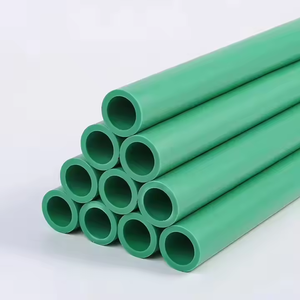
20mm-160mm Pn16 Pn20 Ppr Pipes Fitting Thermofusion Pipes Plastic PPR Water Tube
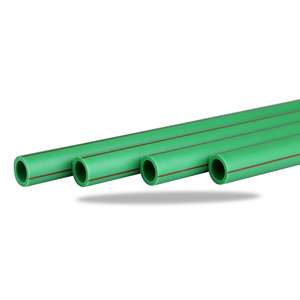
New ISO Standard Polypropylene PPR Pipe Plastic Hot Water Pipe Accessories Plumbing
Virgin Ppr Pipe Raw Material Recycled Ppr Ton Ppr Granules
Competitive PP-R Tubes and Fittings PPR Plastic Pipes s Standard Green Pipes
PP Pipe and Fittings Made of Durable PE Material High Pressure Pipe Fittings